


Health topics
Tetanus
Understanding a serious toxin-mediated infection, recognising jaw stiffness and muscle spasms, and preventing illness through vaccination and proper wound care.
Source-language clinical review recorded: Alex · 2026-11-19
When care cannot wait
Jaw stiffness, painful muscle spasms, trouble swallowing or breathing, or marked rigidity after a wound is a medical emergency. A wound can be small or no longer obvious. Arrange urgent hospital assessment.
A newborn who cannot suck or feed normally, becomes stiff or develops spasms also needs emergency care. Do not put anything into the mouth during a spasm or try to force the jaw open.
Understanding tetanus
Tetanus is a serious illness caused by a toxin produced by Clostridium tetani bacteria. The toxin disrupts the control of muscles and can cause severe stiffness and spasms.
The bacteria form spores that can persist in the environment. When spores enter a wound and conditions allow them to grow, toxin can be produced. A person may not remember a major injury.
Tetanus is different from an ordinary local wound infection. It can threaten breathing and other vital functions. It is preventable through vaccination, appropriate assessment after injuries and safe birth and cord care.
Tetanus · Clinical features of tetanus
From the bacterium to toxin protection
In 1889, Kitasato Shibasaburo isolated the tetanus organism. Laboratory work helped establish how the bacterium and its toxin produced illness.
In 1890, Emil von Behring and Kitasato demonstrated that antitoxins in blood serum could neutralise specific toxins. This helped establish the principle of passive protection, distinct from producing immunity through vaccination.
Tetanus toxoid was developed in 1924. By inactivating the toxin while retaining its ability to stimulate protection, researchers created the basis for preventive vaccination. The history explains why wound cleaning, antitoxin and vaccine have different roles.
Pink Book: tetanus history · Nobel lecture: the immune system and antitoxin discovery
How exposure happens
Spores can be found in soil, dust and animal or human faeces. Punctures, contaminated cuts, bites, burns, crush injuries and damaged tissue can create conditions in which the bacteria grow.
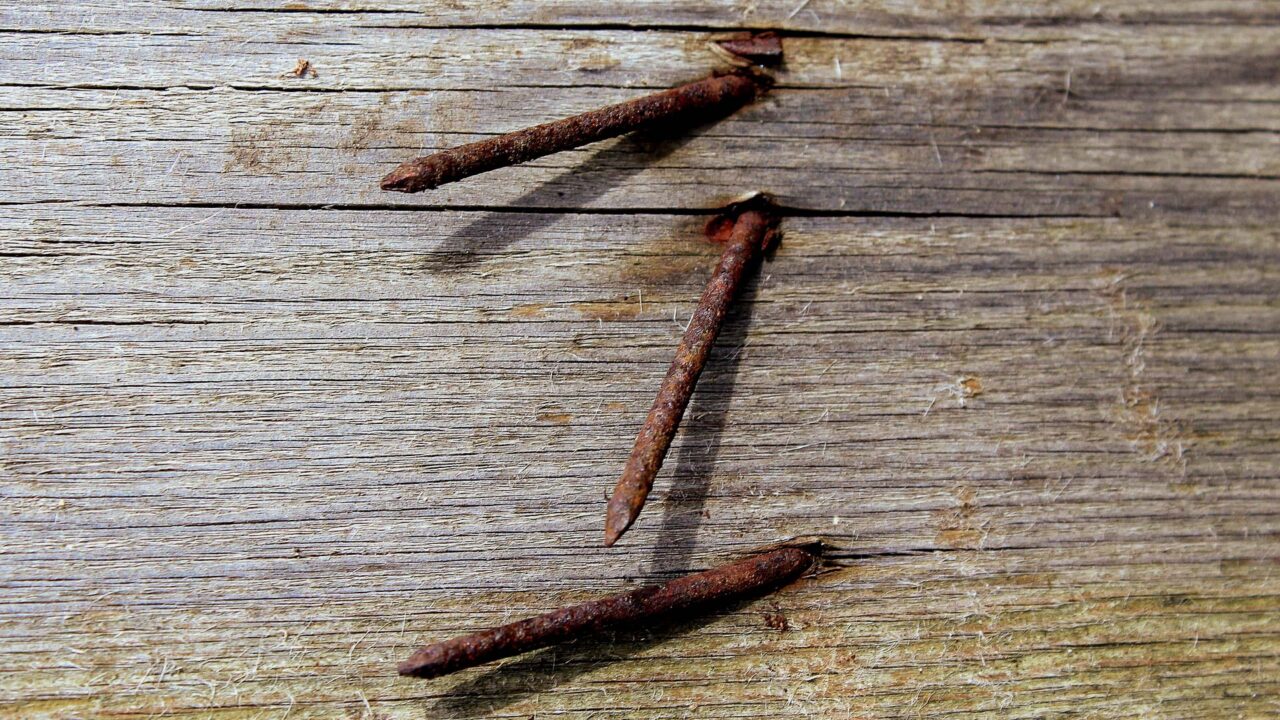
Rust itself does not cause tetanus. An old nail can create a contaminated puncture, but a clean-looking object or a small wound is not an automatic guarantee of safety. Vaccination history and the nature of the injury matter.
Tetanus is not transmitted from one person to another. In newborns, contamination of the umbilical stump or unsafe birth practices can be a route of infection.
Tetanus · Tetanus: causes and spread · Wound management to prevent tetanus
Symptoms and warning signs
- Difficulty opening the mouth or tightening of the jaw.
- Stiffness of the neck, back or abdomen.
- Painful muscle spasms, sometimes triggered by light, sound or touch.
- Trouble swallowing, breathing difficulty or widespread rigidity.
- Fever, sweating or changes in heart rate and blood pressure can occur.
Diagnosis is clinical. A laboratory test cannot reliably rule tetanus out, and the team should not wait for a positive wound culture before treating a suspected case. Other conditions can resemble tetanus and also require assessment.
Tetanus · Clinical features of tetanus
Hospital treatment
Tetanus requires hospital care. Treatment may include tetanus immune globulin to neutralise toxin not yet bound to nerves, medicines to control spasms, antibiotics, wound treatment and support for breathing.
Care can be prolonged because treatment does not immediately reverse toxin already acting on the nervous system. Monitoring and rehabilitation may be needed as the person recovers.
Having tetanus does not reliably create immunity. The treating team should begin or complete vaccination when appropriate, in addition to managing the illness.
What to do after an injury
Clean a wound promptly with clean running water and seek assessment for a deep, dirty, puncture, bite or otherwise concerning injury. Do not put soil, ash, plant material or other unclean substances into a wound.
Bring vaccination information if available. A qualified service assesses the wound, removes contamination or damaged tissue when needed, and decides whether a tetanus-containing vaccine and tetanus immune globulin are indicated.
Antibiotics do not replace tetanus vaccination or immune globulin after an injury. A clinician may treat an actual wound infection, but antibiotics should not be used as the sole strategy to prevent tetanus.
Wound management to prevent tetanus
Prevention throughout life
- Keep routine tetanus-containing vaccination up to date under the national schedule.
- Ask about catch-up and booster needs if records are missing or doses were missed.
- Seek wound assessment early rather than waiting for stiffness to appear.
- Use appropriate footwear and protective equipment for work that can cause injury.
- Support skilled birth care, clean delivery practices and clean, dry cord care as advised by the maternity team. Do not apply unclean traditional substances to a newborn’s cord.
Tetanus · Wound management to prevent tetanus
Wound care and prevention in rural East Sumba
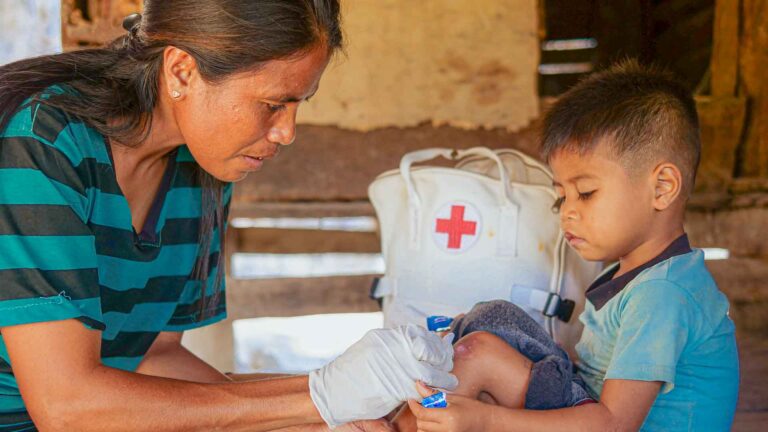
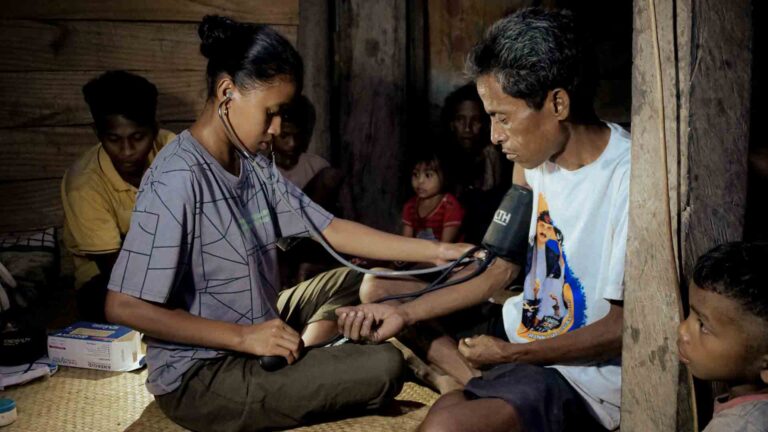
In the ultra-rural east of Indonesia, farming, walking and daily work can bring injuries far from a clinic. Primary Medical Care and Kawan Sehat agents connect basic wound-care education with recognition of injuries that need a qualified service.
A first-aid kit can support early care; it does not mean that tetanus immune globulin, vaccination or hospital treatment is available inside that bag.
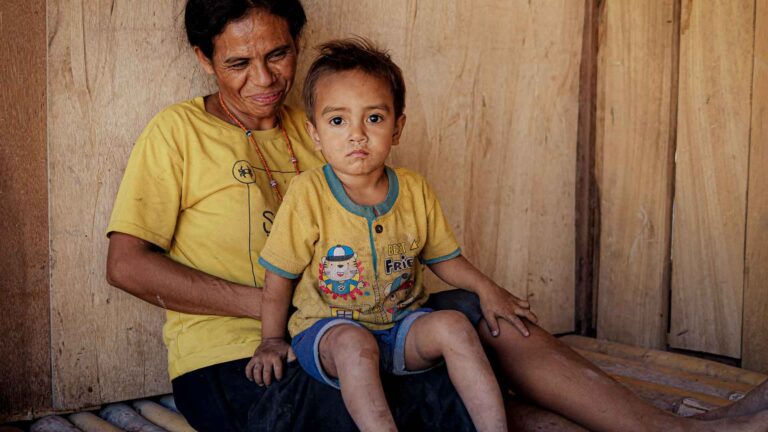
Child Health connects with routine vaccination and newborn care, while Water Connections supports hygiene and safer wound cleaning. These programmes complement the public vaccination and maternity services responsible for the relevant clinical care.
The Sumba Sepsis Study examines how household conditions and delayed access can allow illness to become more serious. The Kawan Sehat medical application can support recording the injury, care given and vaccination information. It must not delay referral for spasms, swallowing difficulty or other danger signs.
Primary Medical Care · Kawan Sehat agents · Water Connections
Questions after a wound
- Does this injury need cleaning or treatment beyond first aid?
- Is my tetanus vaccination complete and current?
- Do I need vaccine, immune globulin or another intervention now?
- Which symptoms require immediate return, and where should I go?
Related programmes and field resources

Reference sources
- TetanusWorld Health OrganizationConsulted
- Clinical features of tetanusCenters for Disease Control and PreventionConsulted
- Pink Book: tetanus historyCenters for Disease Control and PreventionConsulted
- Nobel lecture: the immune system and antitoxin discoveryNiels K. Jerne, Nobel FoundationConsulted
- Tetanus: causes and spreadCenters for Disease Control and PreventionConsulted
- Wound management to prevent tetanusCenters for Disease Control and PreventionConsulted
- Clinical care of tetanusCenters for Disease Control and PreventionConsulted
- Primary Medical CareFair Future FoundationConsulted
- Kawan Sehat agentsFair Future FoundationConsulted
- Water ConnectionsFair Future FoundationConsulted
General health information, not an individual diagnosis or prescription.
