


Donate
Support Care
Articles & News
Field stories
Glossary
Field guides
Water, Health & Infrastructure
Water Connections in Laindatang & Hambarita
Since 2022, two neighbouring villages and Fair Future Foundation have built the roads, reservoirs and local systems that keep safer water closer to families.
- Working together since 2022
- 115,000-litre community reservoir
- Household ferrocement tanks
Water begins with the people who live here
Laindatang and Hambarita are not project sites on a map. After four years of work, they are part of our daily field life. Families have repaired access roads, carried materials, built ferrocement tanks and organised the care of shared water systems. The infrastructure works because responsibility remains inside the villages.
The programme
A water system built with the village
In this dry part of East Sumba, water access shapes infection risk, nutrition, hygiene, school attendance and the time families can give to work and food production.
Work began in 2022 with the understanding that a tank alone would not solve the problem. The programme had to connect catchment roofs, first-flush systems, filtration, storage, protected taps, access roads and local maintenance. In Laindatang, this led to a 115-cubic-metre community reservoir. In Laindatang and Hambarita together, around twenty household ferrocement reservoirs bring water closer to families.
The work has required patience. Roads were rebuilt so trucks and materials could reach the villages. A groundwater attempt continued for nine months without producing a reliable supply. The failure was documented, the plan changed and the work continued. A new possible borehole location has since been identified for technical validation.
A large semi-buried reservoir in Laindatang protects filtered rainwater for the wider community.
Ferrocement tanks across the two villages bring stored water closer to daily family life.
Construction, road access, maintenance and new phases have continued with the community since 2022.
A new storage reservoir for Hambarita is being considered, subject to engineering and funding.
From a field constraint to daily water
How water reaches a family
A safe water system is a chain. Access, construction, clean catchment, protected storage, maintenance and household practice must work together.
Listen and map the need
Families identify water routes, roof surfaces, dry-season pressure, available land and the people who will care for each system.
Make access possible
Roads, slopes and delivery routes are repaired before cement, steel, pipes and filters can reach the construction site.
Capture and protect rain
Gutters, first-flush devices and filtration reduce contamination before water enters a reservoir.
Store water close to home
The community reservoir and household tanks protect useful rain for cooking, hygiene and the dry months.
Maintain and adapt
Families clean, inspect and repair the systems. Field teams document failures and change the plan when evidence requires it.
Responsibility must remain shared
Infrastructure works when ownership and safety stay together
The village brings knowledge, labour and long-term care. Fair Future brings engineering, materials, water-safety measures and the obligation to recognise technical limits.
What the community makes possible
- Choose land and agree how shared water will be used
- Repair access routes and help move materials into the villages
- Build with local masons and families throughout construction
- Name caretakers for tanks, roofs, gutters, filters and taps
- Report cracks, contamination risks, damaged pipes and empty reserves
- Use available water for hygiene, household needs and small food gardens
What requires technical responsibility
- Structural design, reinforcement and safe ferrocement construction
- Catchment sizing, first flush, filtration and protected distribution
- Water-quality testing and corrective action when contamination is found
- Engineering review before a new large reservoir is built
- Hydrogeological validation before another borehole attempt begins
- Transparent reporting of cost, failure, maintenance and work still unfinished
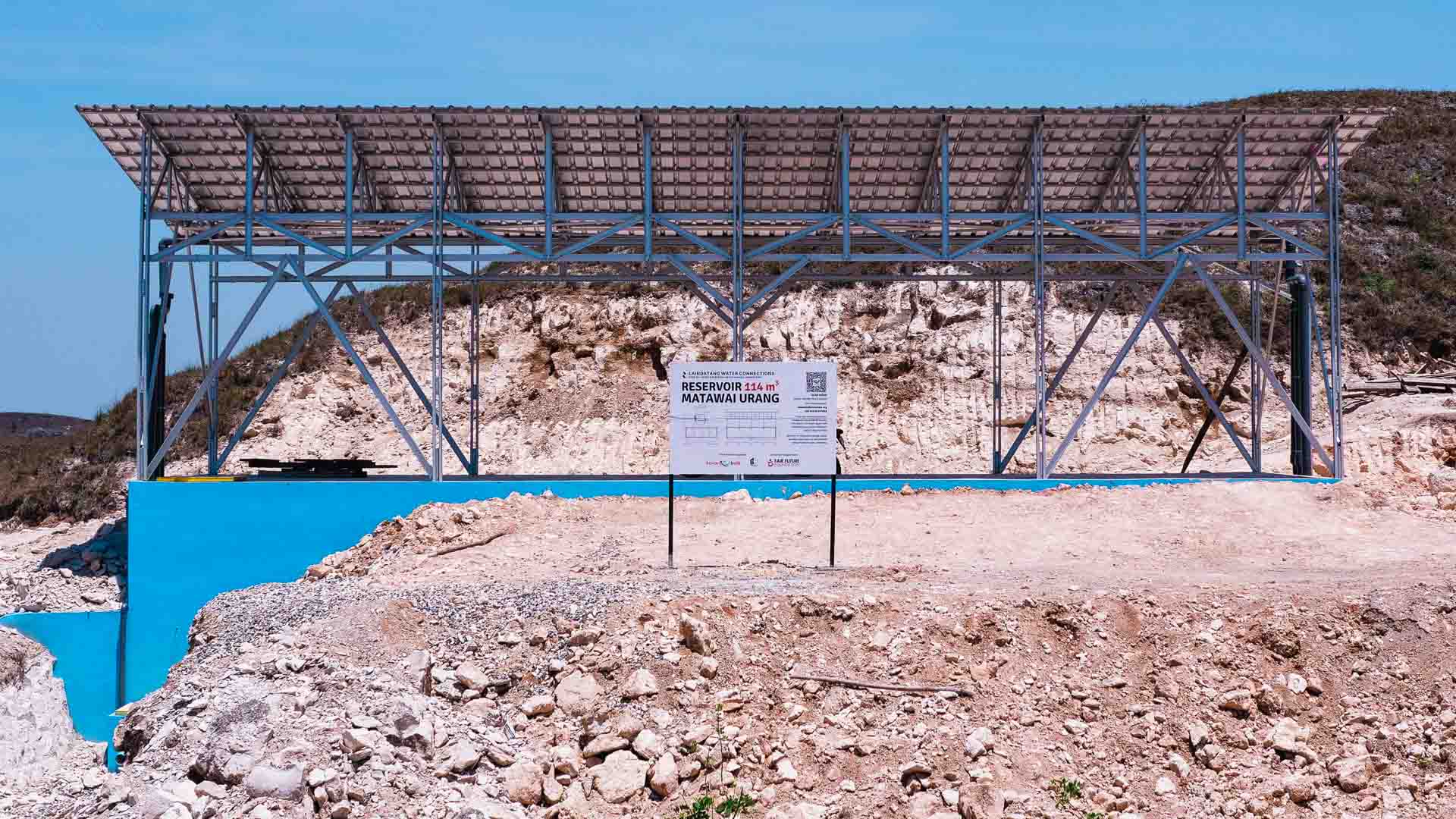
The 115 m³ reservoir is one part of a wider village system that includes roads, roofs, filters, household tanks, protected taps and local maintenance.
The infrastructure behind each litre
Built for repair, daily use and the dry season
Useful infrastructure must fit the land and the people who maintain it. Ferrocement can be built and repaired locally. Gravity reduces dependence on pumps. Roof catchment protects short rain events that would otherwise be lost. Every part has to remain understandable and maintainable inside the village.
Ferrocement storage
Reinforced mesh and cement create durable reservoirs that local builders can inspect and repair.
Roof catchment
Gutters and first-flush devices collect rain while diverting the most contaminated initial flow.
Filtration and taps
Filters, protected outlets and clean handling reduce contamination between the roof and the household.
Roads and logistics
Excavators, trucks, repaired tracks and manual carrying make construction possible where access is fragile.
What changes in practice
Safer water changes the whole day
Water is closer to home
Families spend less time walking and carrying water over difficult ground, especially during the dry season.
Household storage is safer
Protected catchment, filtration and closed reservoirs reduce reliance on open or visibly contaminated sources.
Children regain time
When water collection is less dominant, there is more space for school, hygiene, rest and care inside the family.
Food gardens become possible
Carefully managed water gives households a small but important margin for vegetables and daily nutrition.
Water & healthWater Connections programmeSee the wider programme linking safe water, disease prevention, nutrition and community infrastructure.
CommunityEight Hambarita reservoirsSee how named household tanks were built with families and local caretakers.
Field toolsLaindatang filtration systemUnderstand the catchment, filtration and storage safeguards behind the reservoir.
Field archiveLaindatang and Hambarita reportsOpen the complete archive of construction, access, maintenance and water updates.
Live field recordField Notes from Eastern IndonesiaFollow short, dated reports from water work, health, logistics and community life.
Field guide & glossaryWater and hygiene, explainedExplore practical terms behind rainwater capture, filtration, storage and safe household use.
Medical referenceWHO drinking-water guidanceRead the public-health evidence connecting safe water with infection prevention and health.
Live from the field
Water Field Notes, as the work happens
Two recent signals from water, construction and village life in Eastern Indonesia. These notes refresh automatically when a relevant Field Note is published.
Directly from the field
Latest Laindatang and Hambarita reports
These reports document the work as it happens: road access, rainwater capture, reservoir construction, filtration, maintenance, local decisions, technical limits and the next phases.
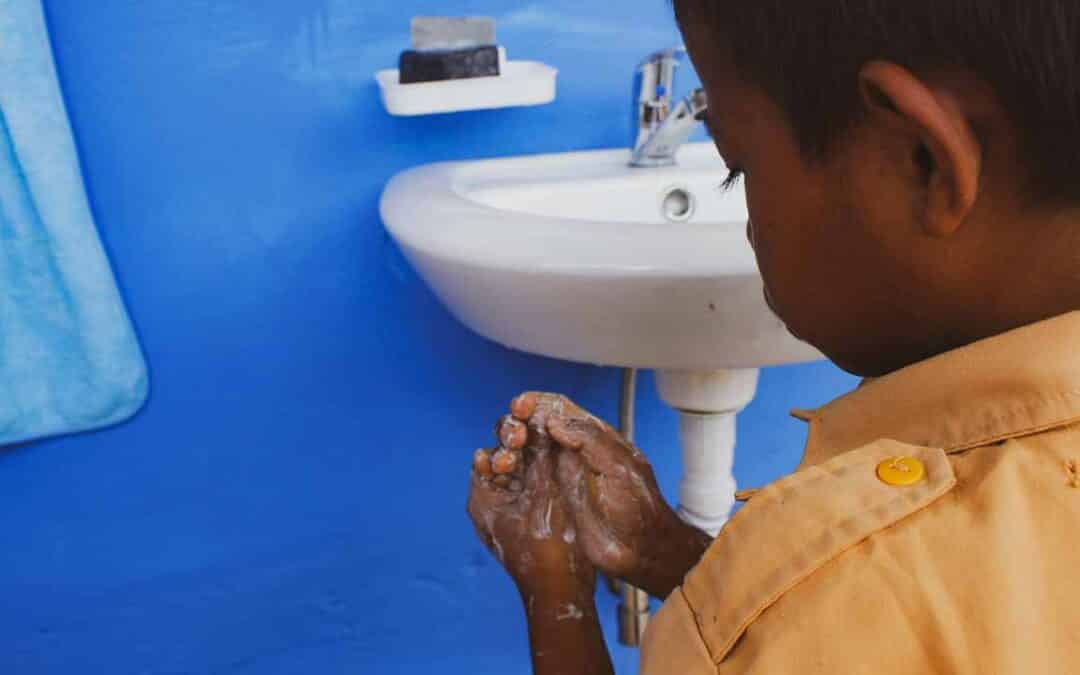
Final Report: Laindatang Water Connections Phase 2
After completing Phase 2 of the Laindatang Water Connections, we have successfully provided clean water and improved health in Laindatang. This initiative has significantly upgraded their quality of life by reducing infectious diseases and promoting healthier lifestyles.
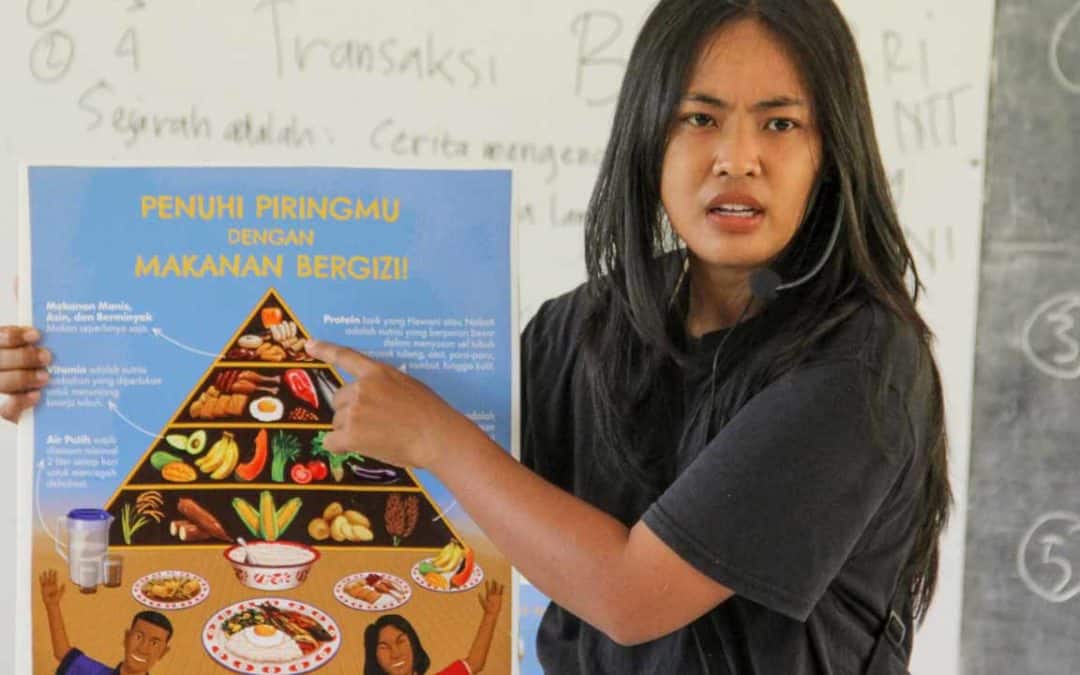
Healthy Living with Clean Water and Nutrition
In East Sumba, the Fair Future Foundation is transforming lives through its Water Connections program, providing clean water, improving hygiene, and promoting nutritious meals and healthy lifestyles for a brighter and healthier future for all.
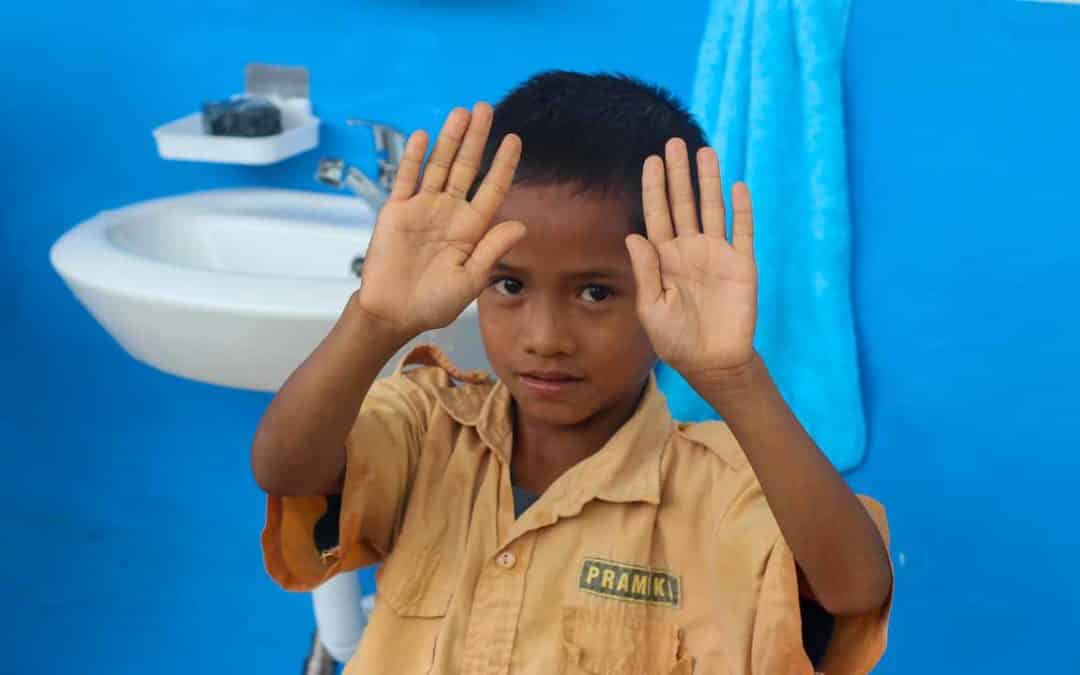
Clean Water for Handwashing in Rural Communities
In East Sumba, the Fair Future Foundation’s #WaterConnections project has improved access to clean water and hygiene. This initiative has reduced infectious diseases and improved living conditions by installing washbasins and handwashing stations. The Foundation has provided clean water to over 600 people in Laindatang, demonstrating the positive…
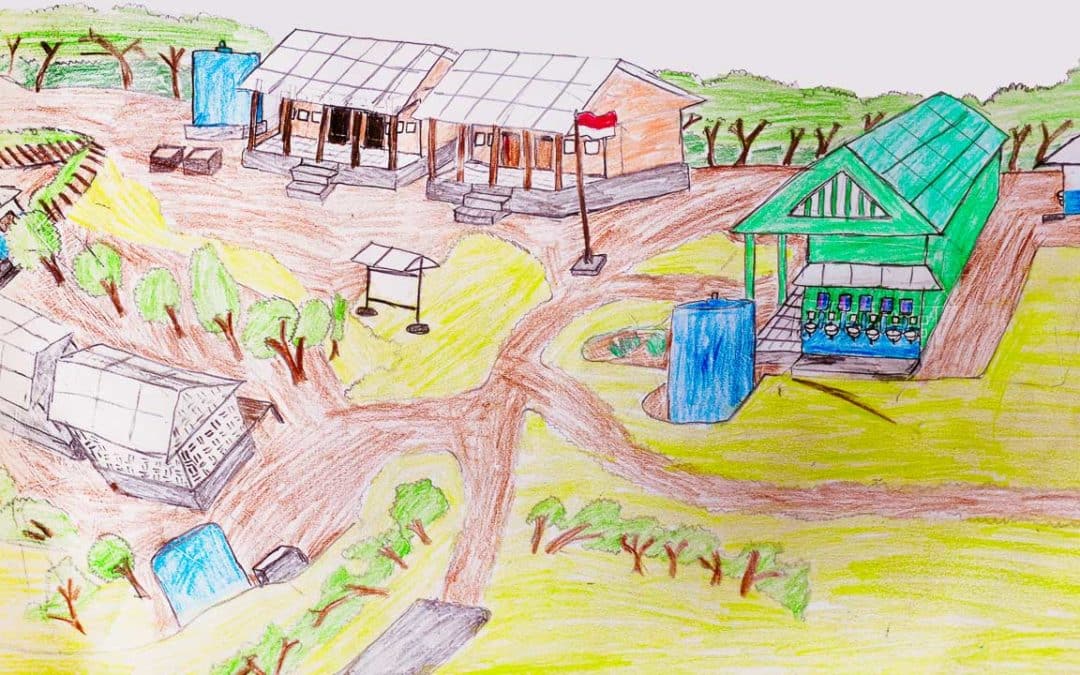
Eben’s Art Marks 15 Years of Fair Future and Water Aid
Eben’s journey from being a polio survivor to becoming an artist is central to Fair Future’s 15-year celebration. His artwork on the anniversary T-shirt represents hope and the impactful changes in Laindatang, brought about by the Water Connections project.
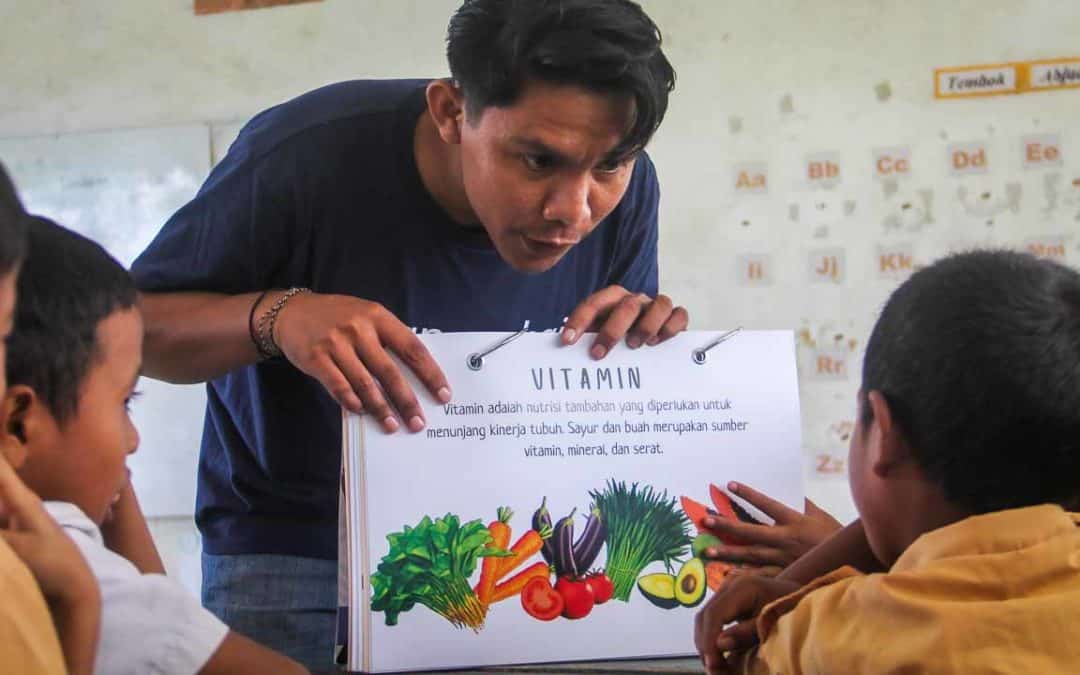
Clean Water Brings Health and Happiness to Rural Areas
The Water Connections project by the Fair Future Foundation is transforming life in Laindatang, East Sumba. By providing clean water to 600 residents, including nearly 100 schoolchildren, we are not only improving hygiene and reducing the risk of diseases like malaria, polio, and tuberculosis, but also teaching sustainable living practices.
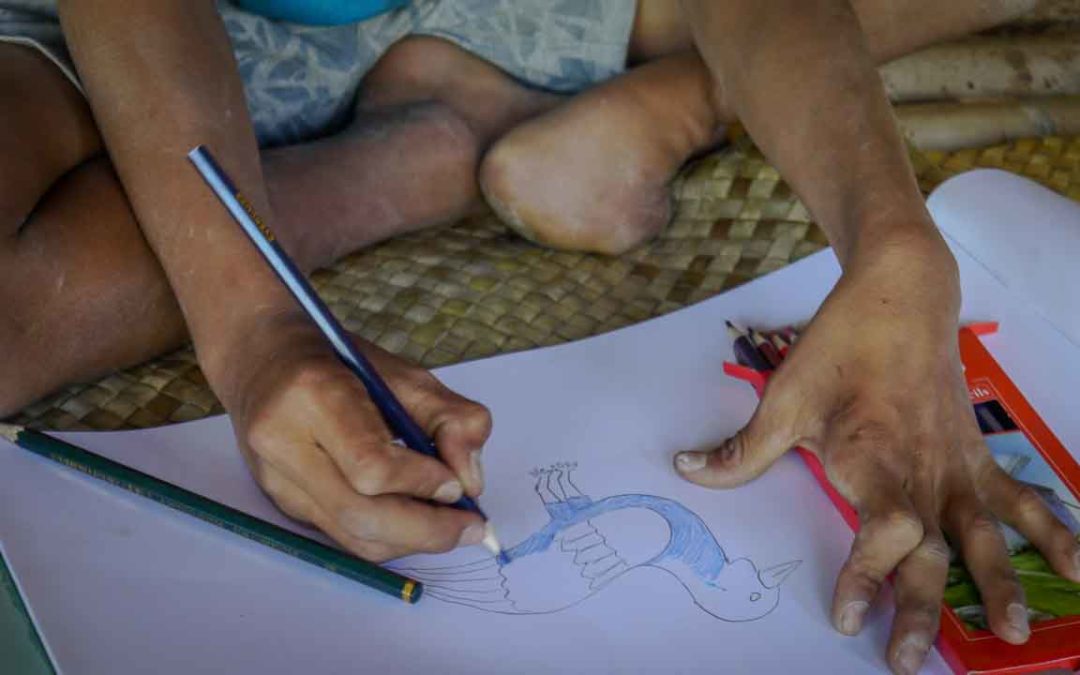
Eben’s Art: Hope & Resilience in Laindatang’s Shadows
Eben’s story shines as a beacon of hope in Laindatang. With each stroke of his pencil, he fights the shadows of poverty and illness. Through our healthy living programs, the Fair Future Foundation presents Eben’s journey from hardship to optimism. His 45 drawings are much more than art; they convey messages of resilience, strength, and…
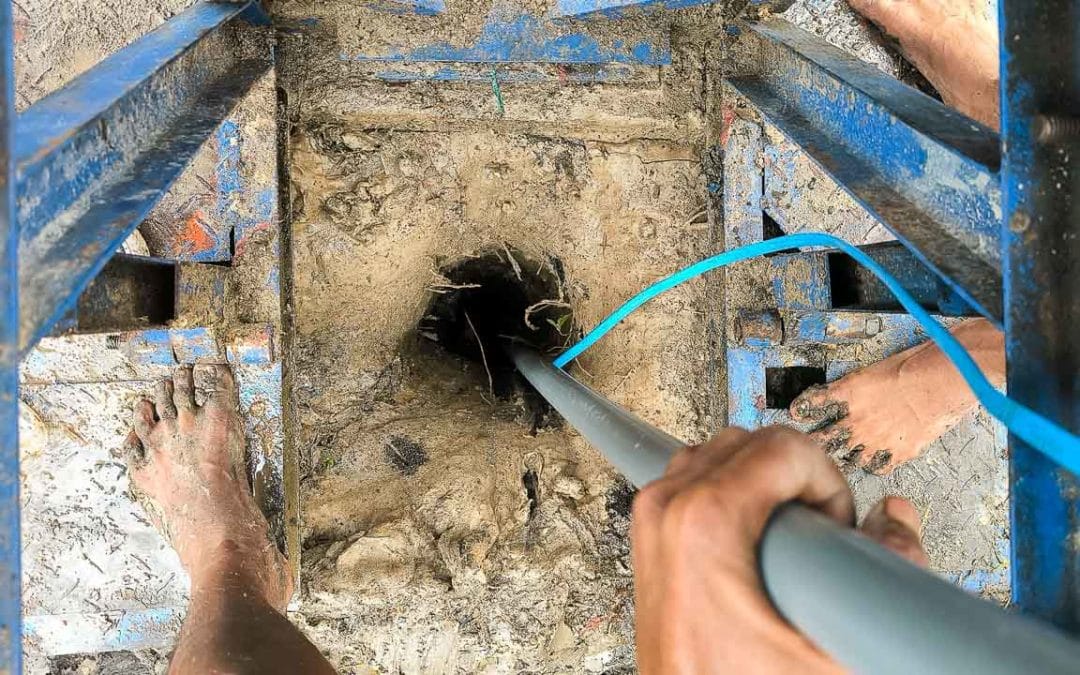
Drilling in Laindatang: Overcoming the Harshest Conditions
Fair Future documents the technical and logistical challenges of drilling for groundwater in Laindatang during the Water Connections project.
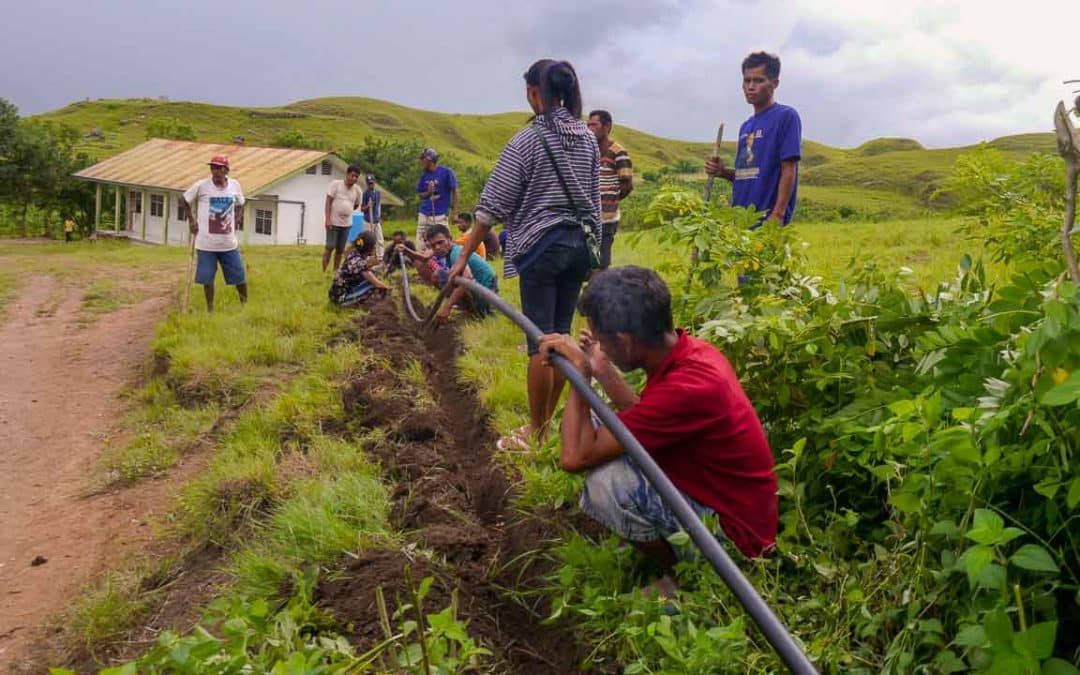
Connecting Families in Rural Indonesia with clean water
Water Connections uses pipes, storage and local infrastructure to bring clean water closer to rural families and support sanitation and hygiene.
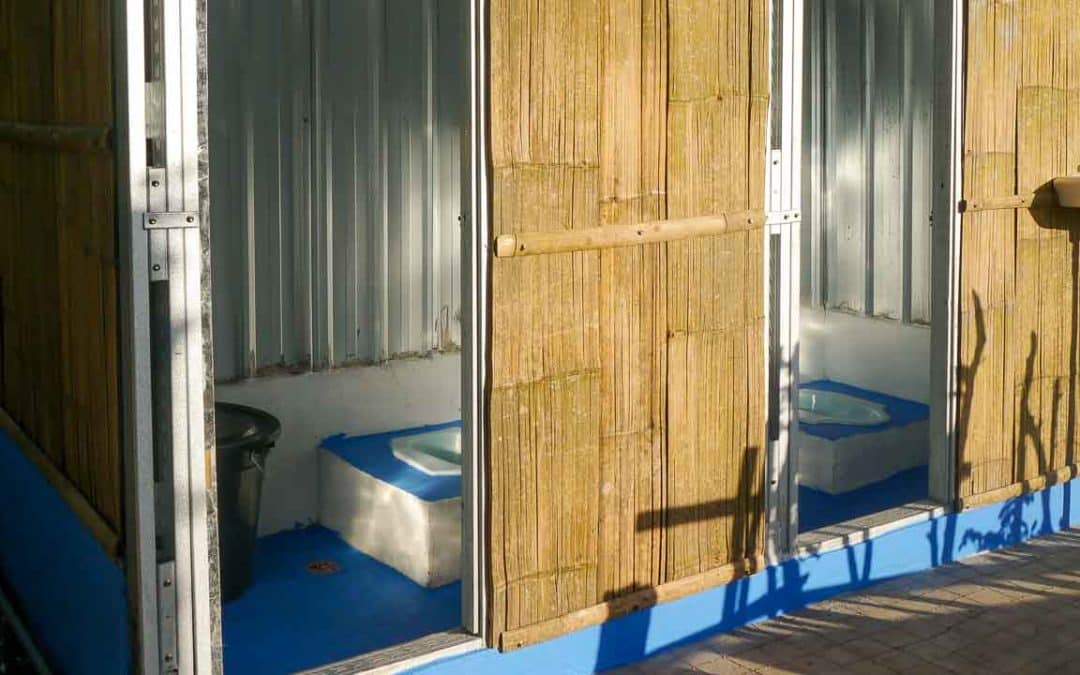
Revolutionizing Health in Laindatang with New Sanitation
Fair Future builds sanitation facilities in Laindatang to improve hygiene, privacy and daily living conditions alongside clean-water access.
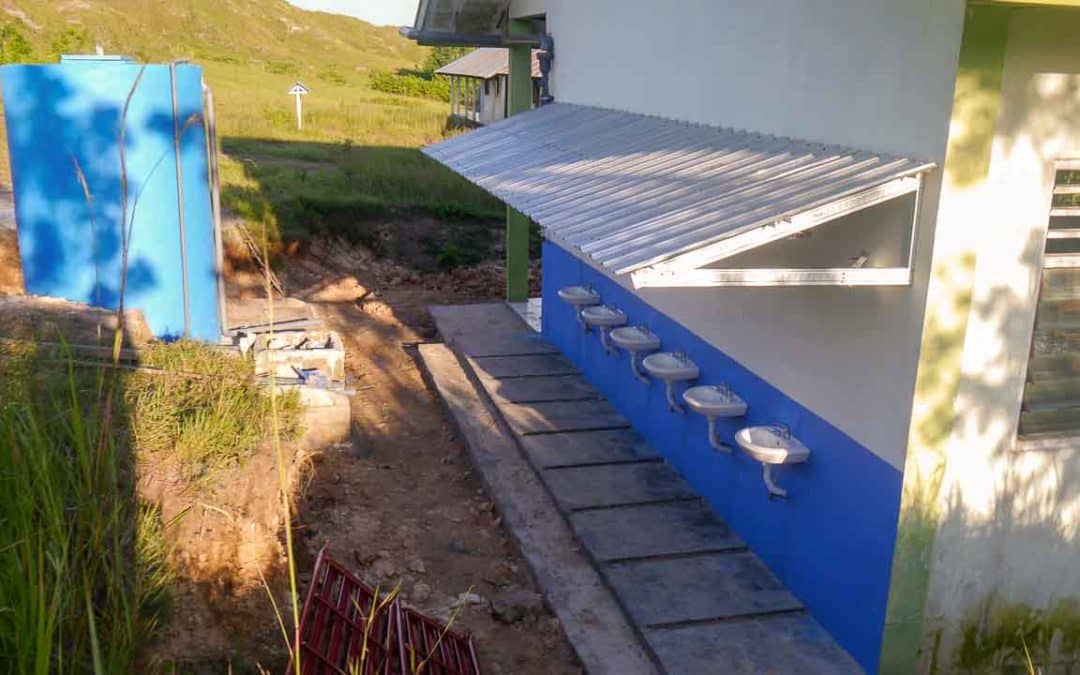
Laindatang School’s New Handwashing Facility Fights Diseases
A new handwashing facility at Laindatang school supports hygiene education and safer daily routines for children.
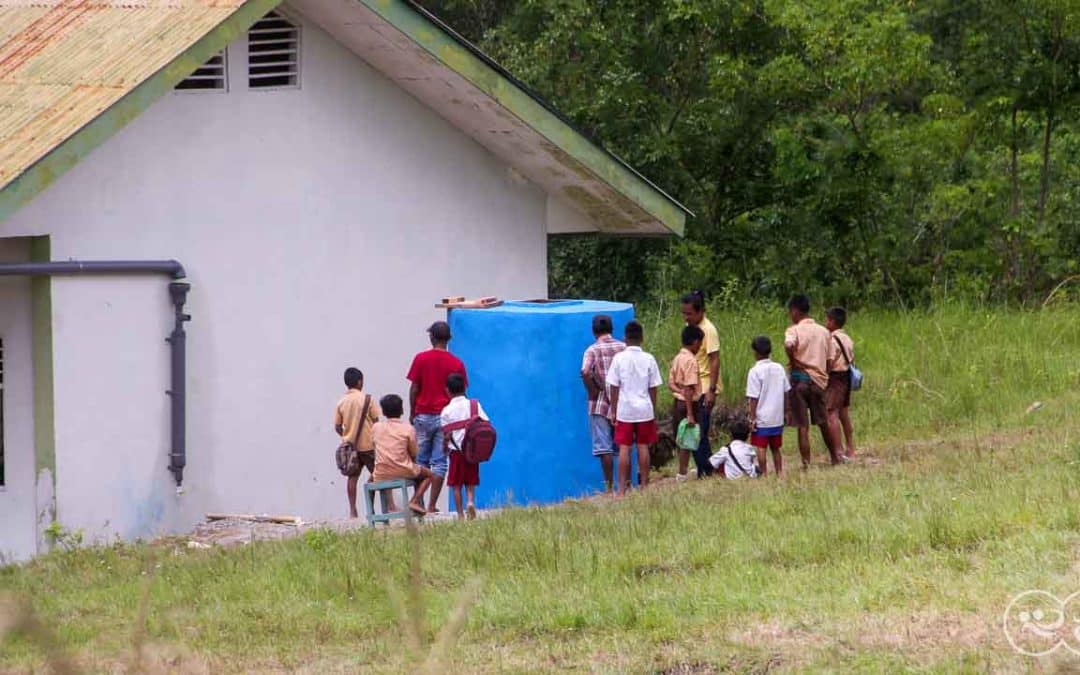
Improving Rural Life: The Role of Water Tanks
In rural areas like here as part of the #WaterConnections – Laindatang 2024 project, water reservoirs play a crucial role in improving the quality of life and health of families. Discover how these Water Tanks improve living conditions, promote health and fight infectious diseases.
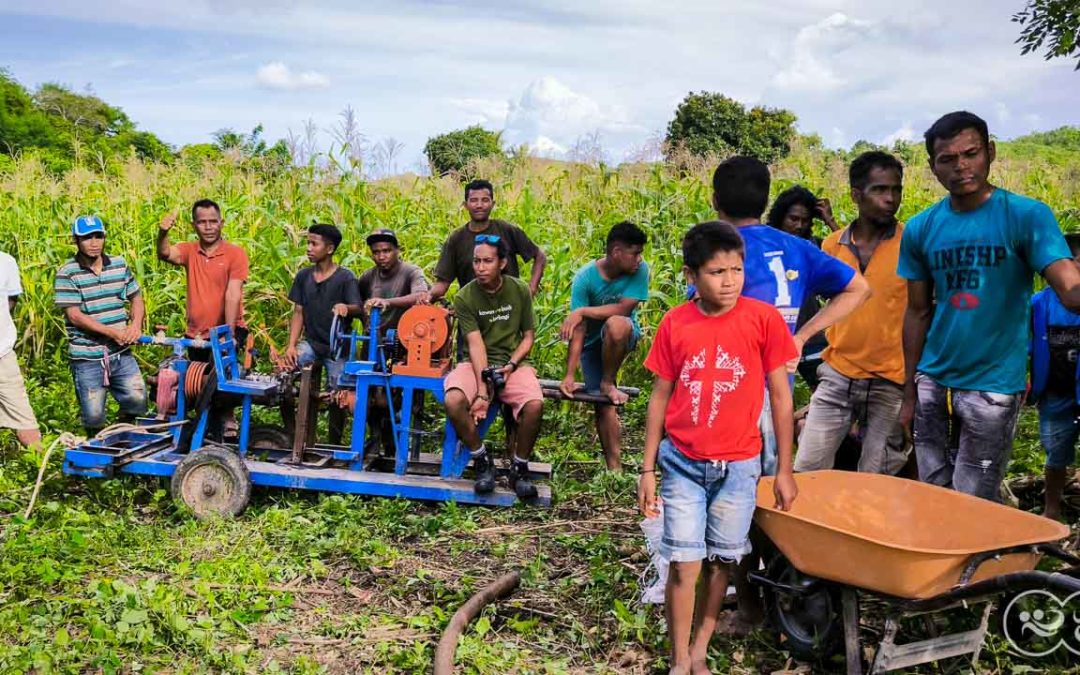
Incredible Work: Transforming Laindatang Through Water Connections
Witness the remarkable efforts of Fair Future and Kawan Baik Foundation in Laindatang as they bravely tackle extreme conditions to construct reliable water connections and sanitation facilities. Be inspired by the indomitable spirit of the community as they unite to create a better future in the face of adversity.
Accountability
Water systems must remain measurable, maintained and transparent
We document what is built, how much water can be stored, what fails, what requires repair and what remains unfinished. The next work may include a new 80,000 to 100,000-litre reservoir in Hambarita, solar energy for the school and another groundwater attempt after technical validation. Each phase depends on evidence, local responsibility and available resources.
