

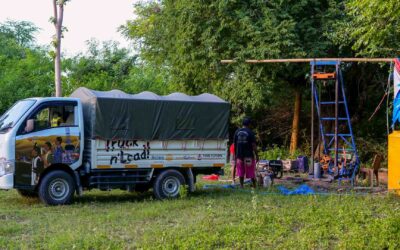
Rumah Kambera 2.0 drilling marks the first physical step toward Fair Future Foundation’s new socio-medical base in East Sumba. After two days of work, fresh water was found, making future construction, field life, and patient care possible on the site.
We have compiled a list of articles and pages for this topic
The Fair Future Foundation in East Indonesia combats social and medical injustice and aims to ensure everyone has access to healthcare, clean water, and education. Join us in making a difference.
Supporting lifelong learning for children and families in rural communities through practical, relevant education programs.
SolarBuddy distribution update reaches final phase
The original plan counted 24 schools. Field reality allowed more. Careful logistics and constant presence made it possible to extend distribution beyond expectations, proving that long term engagement creates room for added impact where children need it most.
Snakebite management in rural Indonesia | Fair Future
Snakebites are a significant threat in East Sumba and similar areas where access to healthcare is limited. This guide provides crucial steps to manage snakebites, prevent complications and save lives. Learn how to identify symptoms, administer first aid effectively and avoid common mistakes in this essential medical advice article.
Medical Advices for Rural Health – Practical Prevention
Delivers WHO-based medical advice for ultra-rural communities, supporting early recognition, safer first actions, and prevention of infections where access to healthcare is limited or delayed.
Medical Advices – Practical Health Guidance from the Field
Medical Advices brings together simple, reliable health guidance drawn from real field medicine. From infectious diseases to daily prevention, these articles turn medical knowledge into clear actions that help people understand risks, protect their health, and act early.
Skin infection prevention in rural Indonesia
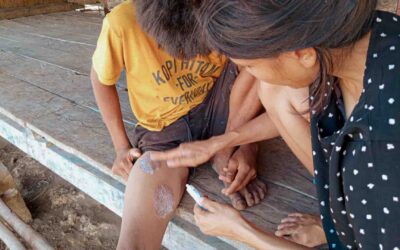
Skin infections are not cosmetic. In ultra rural areas, small cuts, insect bites, or scratched skin can quickly become dangerous infections. Heat, dirty water, and delayed care increase the risk. Early cleaning and simple prevention save lives every day in the field.
Mbajik Solar Evaluation Through Children’s Eyes
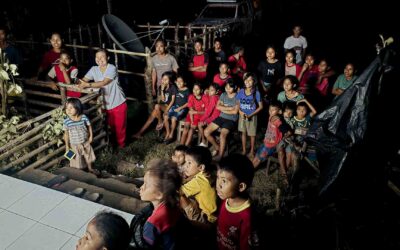
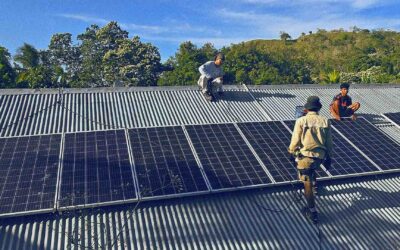
This Mbajik solar evaluation began at night, not with tools but with a film. Children and adults gathered to watch themselves on screen, for the second time. The first was in October, during installation. This time, it was different. This time, electricity was already part of their lives.
Solar Light for Children in Ultra-Rural Regions
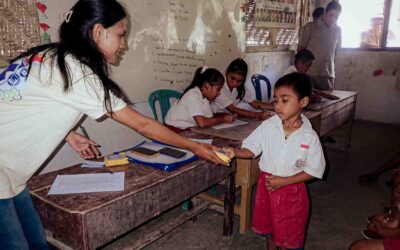
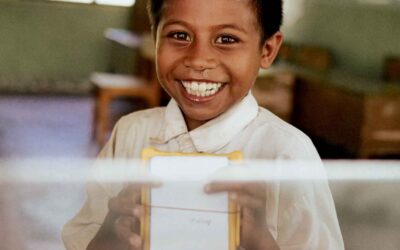
This new picture of the day shows solar light for children delivered through patience and care. In an ultra-rural classroom, a lamp is not simply handed over. Time is taken to explain, to show, to ensure understanding. For children living without electricity, light means safety, learning, and dignity once the sun goes down.
SolarBuddy distribution reports now available East Sumba
The two documents prove that light delivery is more than numbers. They show routes taken, funds used, and hours of study gained. They record teacher involvement, safer evenings, and lower injury risk. Evidence builds trust, and trust keeps the lights arriving where they are needed most.
The Day Night Changed – Solar Light for Mbajik School
For five days, we lived and worked in Haray to create The Day Night Changed, a film showing how electricity reached Mbajik School for the first time. This is the story of before, during, and after, in a district where over 100 schools still wait for power.
Malaria prevention billboards protect families in East Sumba
With the East Sumba Malaria Prevention Project and the support of Rotary and Malaria Partners International, Fair Future Foundation and Kawan Baik Indonesia built twenty malaria billboards for markets, schools and roadsides so that every journey becomes a health lesson about fever and protection.
Wai Pa Luri Wangu clean water tank for Hambarita village
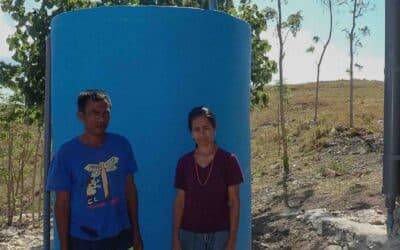
In Hambarita the Wai Pa Luri Wangu water tank is one of eight new reservoirs we built with the community. This 5 300 litre blue cylinder stands just a few steps from three houses and sixteen people, turning short rains into stored water for daily life, hygiene and basic medical care, instead of dangerous rides on motorbikes with heavy jerrycans.