


Donate
Support Care
Articles & News
Field stories
Glossary
Field guides
Medical Advice & Health Guides
Clear health knowledge grounded in our daily medical work
Knowledge that can be shared
Our medical team writes these guides from the questions and health problems encountered in rural communities. They explain prevention, common illnesses and when to seek care in clear language, so patients, families and community health workers can use and share that knowledge.
Explore our stories and resources
Latest medical guides
From our teams · Newest first

Preventing and treating dog bites in remote areas
Dog bites can be prevented and managed effectively with the proper knowledge. Discover methods for cleaning wounds, controlling bleeding, and obtaining medical care to avert serious infections such as rabies.

Snakebite management in rural Indonesia | Fair Future
Snakebites are a significant threat in East Sumba and similar areas where access to healthcare is limited. This guide provides crucial steps to manage snakebites, prevent complications and save lives. Learn how to identify symptoms, administer first aid effectively and avoid common mistakes in this essential medical advice article.

Skin infection prevention in rural Indonesia
Skin infections are not cosmetic. In ultra rural areas, small cuts, insect bites, or scratched skin can quickly become dangerous infections. Heat, dirty water, and delayed care increase the risk. Early cleaning and simple prevention save lives every day in the field.

Extreme heat health risks in ultra-rural care
Extreme heat is not just weather in ultra-rural communities. It is a medical risk that worsens dehydration, malnutrition, and infections. From the field, we see how simple actions and early recognition of heat illness save lives every day.

HIV prevention poster campaign in rural Indonesia health
In East Sumba, Kawan Sehat health agents now carry a new tool the HIV prevention poster campaign. Used in homes, schools and small clinics, it explains in simple language how HIV is transmitted, how it is not, and which everyday actions protect families, partners and young people from infection and stigma.
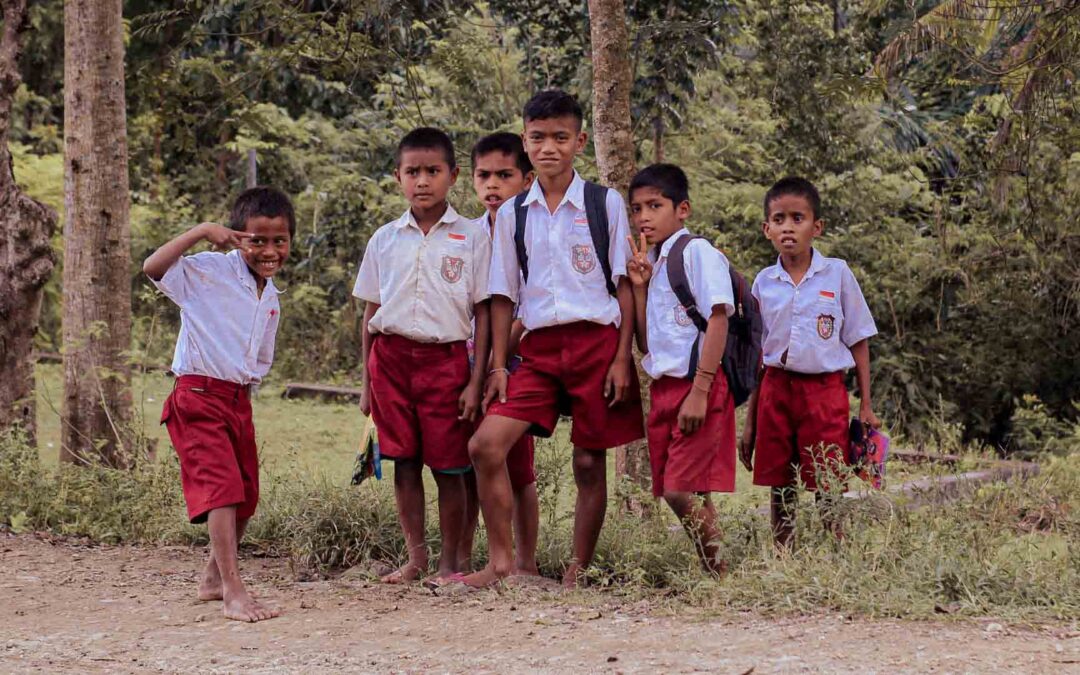
Blood Donation in Rural Indonesia
In Indonesia’s remote villages, giving blood can be the only available emergency care. A single donation may save the life of a mother, child, or accident victim. In places without hospitals, your blood is their hope.
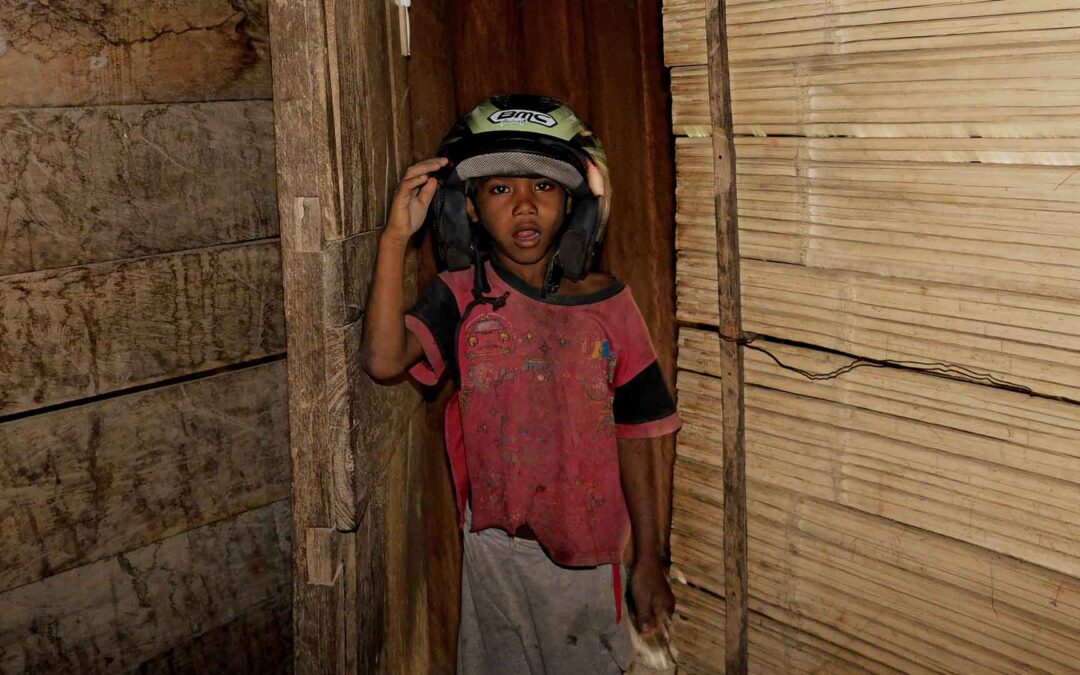
Mental Health Support in Rural Indonesia
In the remote corners of Indonesia, mental health struggles often go unnoticed. Fair Future builds bridges of empathy through local presence, active listening, and community-based care to help children feel heard.
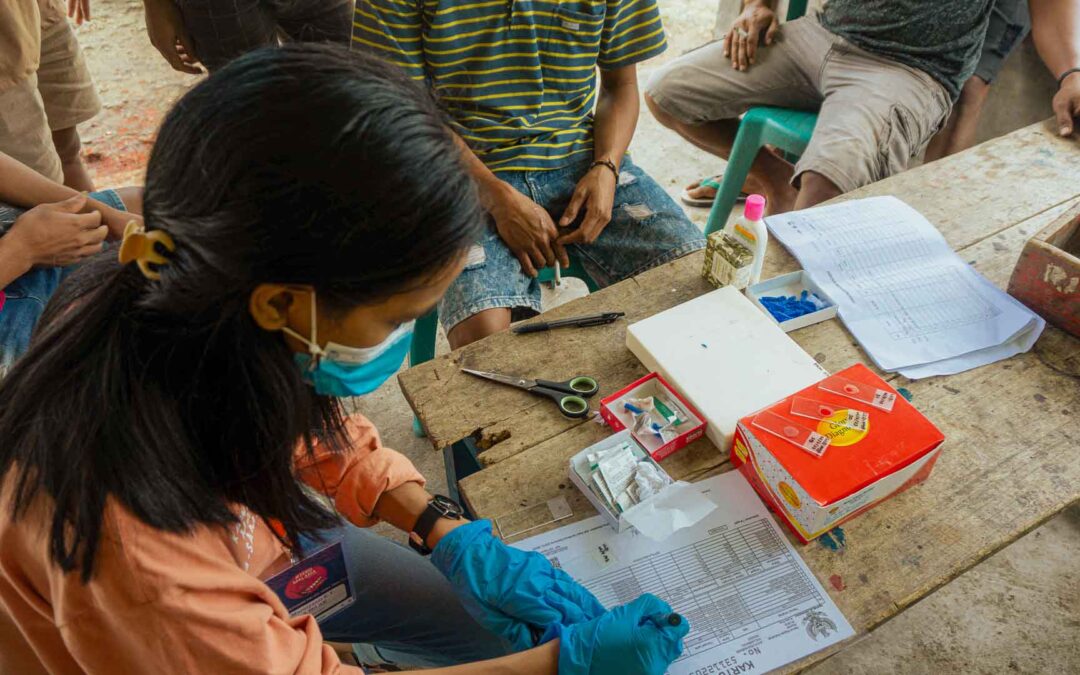
What Is Malaria and How to Prevent It
Malaria enters silently and can kill within days. But it’s preventable. Learn what malaria is, how it spreads, who is most at risk, and how Fair Future acts daily to stop this disease before it strikes.
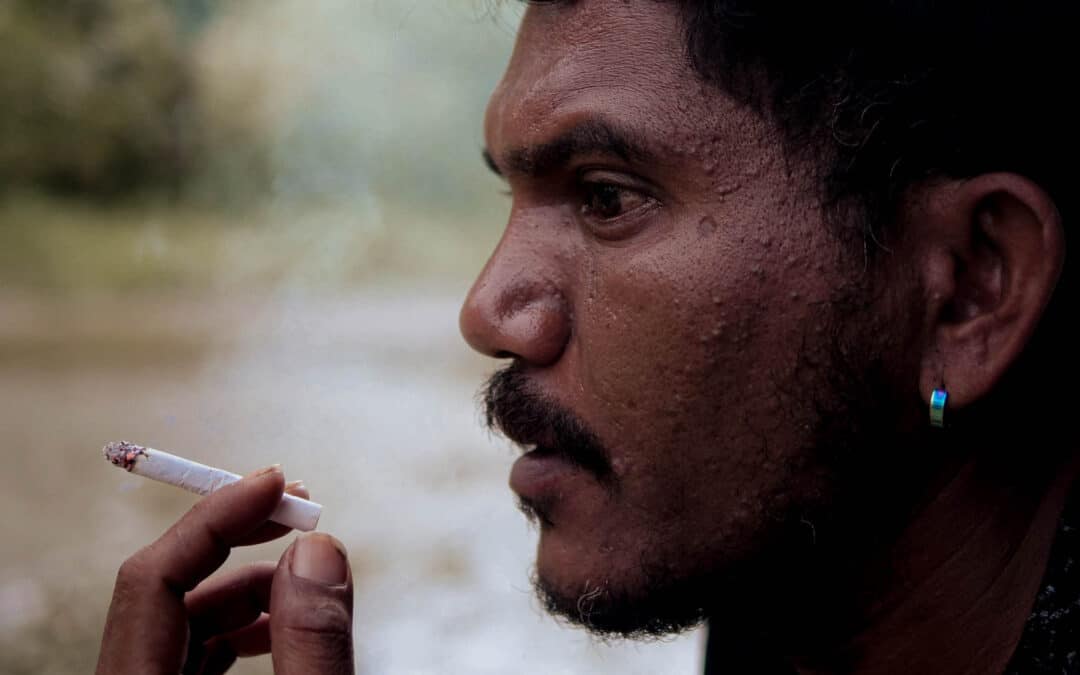
Secondhand Smoke Is a Public Health Crisis
Secondhand smoke is a health crisis. In Indonesia, millions inhale it daily without choice. Children, pregnant women, and workers are paying with their lives. Clean air must become a right, not a privilege.
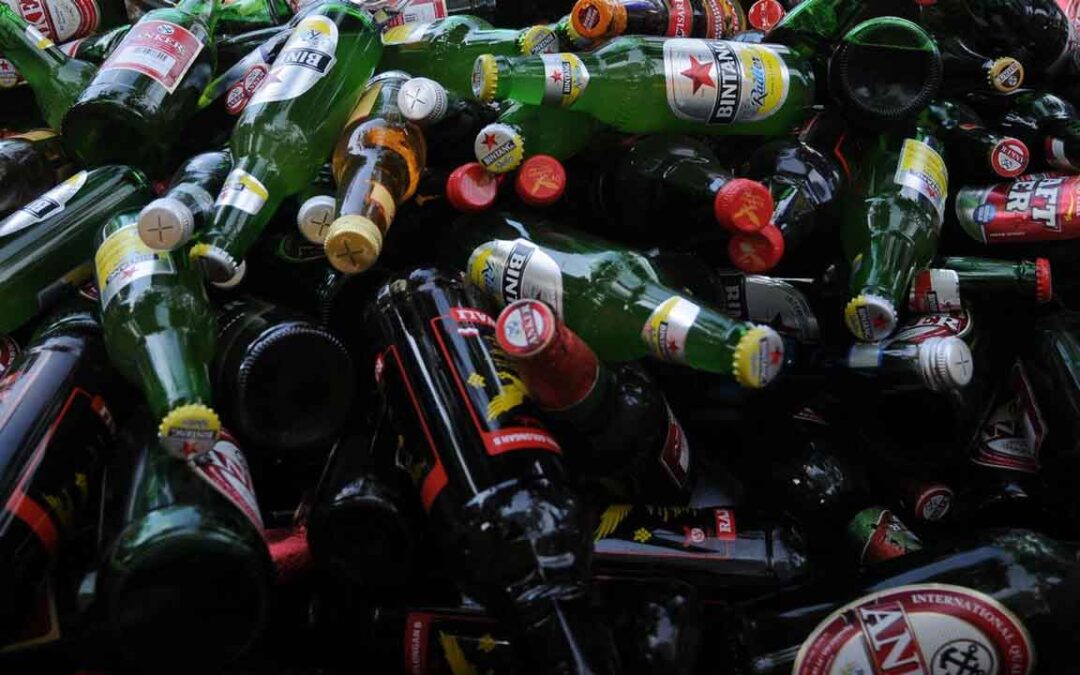
The dangers of excessive alcohol consumption
Excessive alcohol consumption has a detrimental effect on lives, leading to fatal diseases, violence, accidents, and financial hardship. This campaign aims to raise awareness of its destructive impact on health, families, and communities. Breaking this cycle is imperative. Discover how alcohol abuse contributes to suffering and loss of life.

Fair Future Launches a New Anti-Tobacco Poster
Fair Future’s latest anti-tobacco poster highlights the grave dangers of passive smoking. Annually, tobacco claims the lives of 1.2 million non-smokers, affecting children, pregnant women, and whole families. This campaign is set to be launched throughout rural Indonesia with the aim of educating and safeguarding those most vulnerable.

Air Pollution Increases Health Risks for Millions
Air pollution serves as an unseen threat, impacting millions globally. Tiny particles infiltrate the lungs and bloodstream, inflicting serious harm on the heart, brain, and respiratory system. In nations such as Indonesia, pollution ranks as a primary cause of mortality. Recognizing these dangers is essential for safeguarding public health.
