


Health topics
Antimicrobial resistance
Understanding why some infections become harder to treat, using medicines carefully, and protecting access to effective care in remote communities.
Source-language clinical review recorded: Alex · 2026-11-19
When care cannot wait
Seek emergency care for an infection with confusion, severe breathing difficulty, collapse, very little urine or rapid deterioration. These can be signs of sepsis or another serious problem. A baby who cannot feed, has a seizure or is difficult to wake needs immediate help.
If symptoms persist or worsen during treatment, contact the prescribing team promptly. Do not change, combine or increase antibiotics on your own. Tell the team exactly which medicines have already been taken.
About antimicrobial resistance · Caring for patients with sepsis
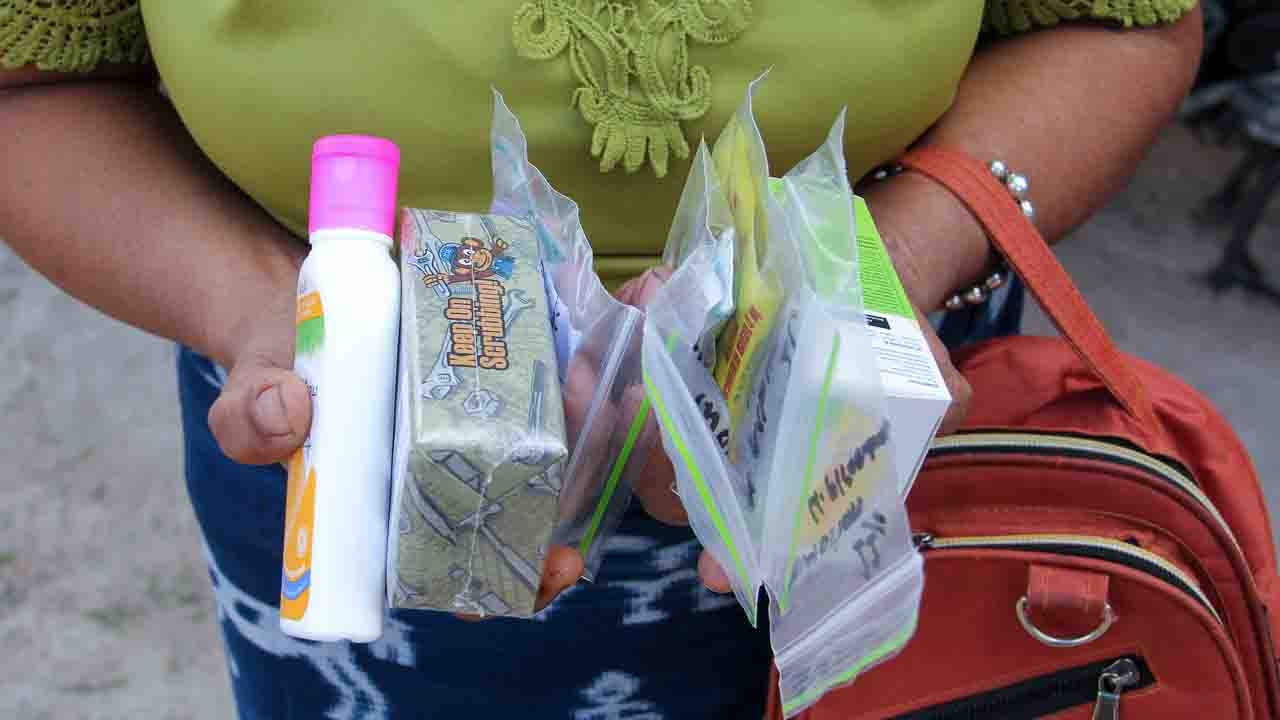
Understanding antimicrobial resistance
Antimicrobial resistance means that a germ no longer responds adequately to a medicine used against it. Antimicrobials include antibiotics for bacteria, antivirals, antifungals and medicines against parasites. The infection may then need a different treatment or a higher level of care.
It is the bacterium, virus, fungus or parasite that becomes resistant. A person does not become resistant to an antibiotic in the same way that a germ does. Resistant organisms can also live in or on someone without causing symptoms; this is called carriage or colonisation.
Resistance can develop through genetic changes and can spread between germs. Use of a medicine creates selection pressure: susceptible organisms are removed while resistant ones may survive and multiply. Unnecessary or inappropriate treatment increases that pressure.
Antimicrobial resistance fact sheet · About antimicrobial resistance
The antibiotic discovery and its warning
In 1928, Alexander Fleming noticed that a mould contaminating a bacterial culture was inhibiting bacterial growth. He studied the substance that became known as penicillin. Later work by Ernst Chain, Howard Florey and colleagues helped turn the discovery into a treatment that could be used in patients.
Fleming, Chain and Florey received the Nobel Prize in Physiology or Medicine in 1945. In his Nobel lecture, Fleming also discussed how inadequate exposure to penicillin could select resistant bacteria.
The warning remains relevant: effective medicines need appropriate use, good diagnosis and systems that allow patients to receive the treatment actually prescribed. Modern resistance involves many organisms and medicines beyond penicillin.
Penicillin, Nobel lecture, 1945
How resistant infections spread
A resistant organism can spread through the same routes as a susceptible one. The route depends on the germ: contact, contaminated hands or equipment, food and water, sexual contact, respiratory spread or animal and environmental pathways.
People, animals and the environment are connected. Wastewater, unsafe sanitation and poor infection control can help organisms move between settings. Travel and healthcare transfers can carry them across regions.
Anyone can acquire a resistant infection. It is not a moral failure or proof that someone misused medicine. Preventing spread requires reliable services as well as informed individual choices.
Antimicrobial resistance: causes and spread
Symptoms and signs that need assessment
Antimicrobial resistance has no single set of symptoms. Symptoms come from the infection and the part of the body affected. A resistant urinary infection may cause urinary symptoms; resistant pneumonia may cause cough, fever and breathing difficulty.
Persistent illness does not by itself prove resistance. A wrong diagnosis, an undrained collection of infection, interrupted treatment, poor absorption or another illness may also explain why someone is not improving.
Seek reassessment when symptoms fail to improve as expected, return after treatment or worsen. Emergency signs such as confusion, breathlessness, collapse or a rapidly worsening condition require immediate care. Tell clinicians about recent medicines, hospital stays and any known resistant infection.
Antimicrobial resistance fact sheet · About antimicrobial resistance · Caring for patients with sepsis
Diagnosis and the next step in care
A clinician assesses the likely source and cause of infection. When appropriate and available, a sample of urine, blood, sputum or wound material can be sent to a laboratory. Culture identifies an organism; susceptibility testing helps determine which medicines may work.
A sample is sometimes collected before treatment, but a seriously ill patient must not wait for a laboratory result before urgent care begins. The treating team balances immediate clinical risk with the value of better diagnostic information.
Where laboratories are distant, treatment may initially follow clinical assessment, national guidance and information about local resistance. A clear review and referral plan is essential. Ask when improvement should begin and what to do if it does not.
Antimicrobial resistance fact sheet · Caring for patients with sepsis · Preventing emergence and spread of resistance
Treatment and careful use of medicines
Many resistant infections can still be treated, but the choice may be narrower and the treatment more complex. Clinicians consider the organism, the site of infection, severity, test results, allergies, age, pregnancy and other health conditions.
Treatment may require a different antimicrobial, intravenous medicine, specialist advice, hospital care or a procedure to control the source of infection. Once results are available, the team may refine or change the plan.
Take medicine exactly as currently prescribed. Ask the prescriber before changing the dose or duration. Do not share medicines, save leftovers for a future illness or use someone else’s prescription. If a dose is vomited, a side effect occurs or a supply runs out, ask the team what to do.
Antimicrobial resistance fact sheet · Antibiotic use: practical guidance · Preventing emergence and spread of resistance
When antibiotics are not the right treatment
Antibiotics do not treat viral infections such as a cold or influenza. They also do not treat malaria parasites or dengue virus. Some bacterial infections do not need an antibiotic, while others need prompt treatment.
A careful decision not to prescribe an antibiotic should still include an explanation, appropriate symptom care and advice about when to return. Ask questions if the plan is unclear. Unnecessary antibiotics can cause harm as well as select resistance.
Antibiotic use: practical guidance
Preventing resistance and infection
- Prevent avoidable infections. Keep recommended vaccinations current, practise hand hygiene and use safe food preparation.
- Protect water and sanitation. Safe drinking water, clean toilets and appropriate waste handling reduce opportunities for germs to spread.
- Use medicines with qualified guidance. Keep an accurate list of medicines and allergies, and follow the current prescription.
- Support safe healthcare. Clean equipment, good wound care, infection-control procedures and appropriate diagnostic testing protect patients.
- Seek reassessment when care is not working. A referral or a new test may be more useful than another unplanned course of tablets.
Farm and animal-health practices matter too. Veterinary treatment and medicine disposal should follow professional and local guidance. Effective prevention connects human, animal and environmental health.
Antimicrobial resistance: causes and spread · Preventing emergence and spread of resistance
Why this matters in ultra-rural eastern Indonesia
For a family far from a laboratory, another unsuccessful treatment may mean another journey, another expense and more time before effective care. In our Primary Medical Care work, access to diagnostic support and clinical supervision matters as much as access to a packet of medicine.
Kawan Sehat agents help record symptoms, explain a prescribed plan and recognise when a patient needs reassessment. They work within their training and medical supervision. Careful records, supported by offline medical tools, help the next clinician understand what has already happened.
Water Connections and community health education contribute before treatment is needed by reducing exposure and supporting hygiene. The Sumba Sepsis Study also brings attention to the interval between infection and effective care.
A household survey cannot tell us which organism is resistant in an individual patient. That question needs suitable clinical and laboratory assessment. Research, practical prevention and better treatment pathways should inform one another without confusing their roles.
Primary Medical Care · Water Connections · Sumba Sepsis Study 2026
Questions to ask before leaving the consultation
- What infection is suspected, and is this medicine needed for it?
- Would a test or sample help guide treatment?
- How should I take the medicine, and when should improvement begin?
- What should I do about side effects, vomiting or missed doses?
- When should I return, and who can help if transport or supplies interrupt care?
Related programmes and field resources
programme
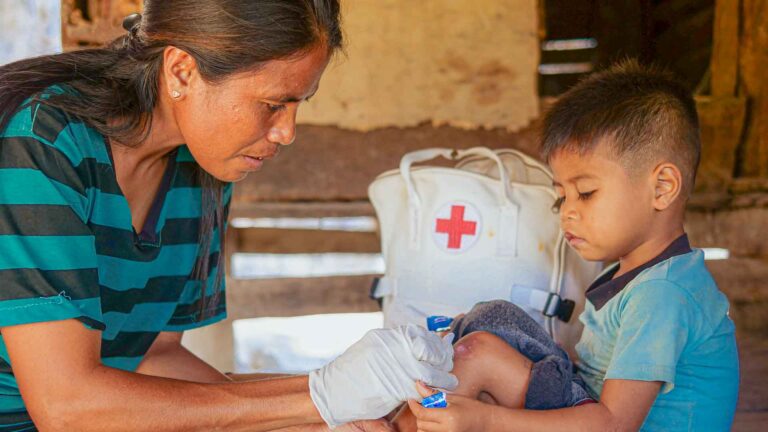
Primary Medical Care in Remote Areas
Understand supervised treatment, reassessment and referral in remote villages.
programme
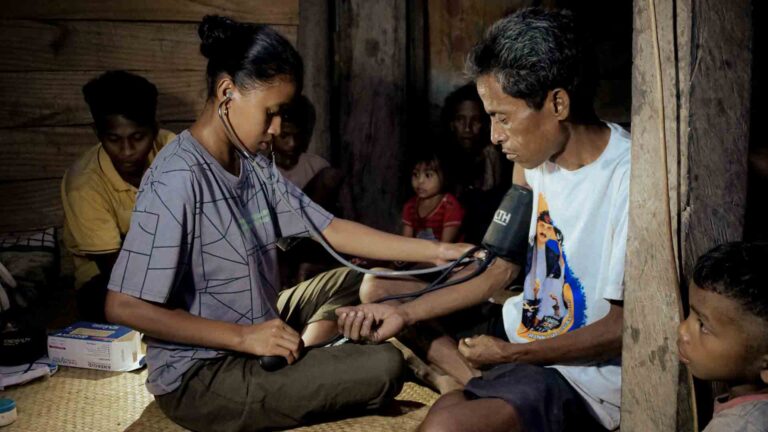
Kawan Sehat Rural Health Agents
Explore the agents' role in education, records and continuity of care.

article
Sumba Sepsis Study results | Interactive evidence online
Connect infection risk and delays in care with the Sumba Sepsis Study.
Reference sources
- Antimicrobial resistance fact sheetWorld Health OrganizationConsulted
- About antimicrobial resistanceCenters for Disease Control and PreventionConsulted
- Antimicrobial resistance: causes and spreadCenters for Disease Control and PreventionConsulted
- Antibiotic use: practical guidanceCenters for Disease Control and PreventionConsulted
- Caring for patients with sepsisCenters for Disease Control and PreventionConsulted
- Penicillin, Nobel lecture, 1945Alexander Fleming, Nobel PrizeConsulted
- Preventing emergence and spread of resistanceCenters for Disease Control and PreventionConsulted
- Primary Medical CareFair Future FoundationConsulted
- Water ConnectionsFair Future FoundationConsulted
- Sumba Sepsis Study 2026Fair Future FoundationConsulted
General health information, not an individual diagnosis or prescription.
