

Thank You 2025…

10 active prevention posters in villages and schools

From the field:help us deliver care
We provide medical & social assistance where it is most needed. Since 2008 we have helped thousands of people & talk about what they are going through.
Select Page
Logo of the Swiss Fair Future Foundation

Donate

Support Care

Programs

All projects

Quick News

Field updates

Stories

Field stories

Access to a Healthy and Harmonious Life

Content type Post Page Gallery
Disease prevention, detection and treatment in rural areas

Disease prevention, detection and treatment in rural areas

The teams of Fair Future and Kawan Baik are highly respected for their steadfast dedication to assisting ill and underprivileged individuals residing in far-flung rural areas of eastern Indonesia. Their selflessness holds true significance to them. However, it's not widely known that their medical and social teams put in tireless efforts, even during nighttime and 7-day workweeks. Through this new "Picture of the Day," we offer you the opportunity to witness their work as they combat health issues like malaria, unsafe water, and malnutrition while sacrificing their sleep.

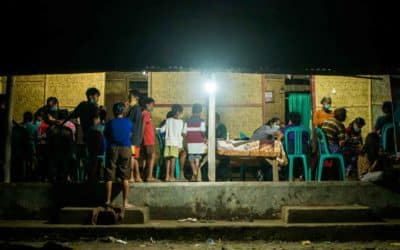
Diseases can strike at any time, even in the darkness of night. The teams, equipped with masks and Sumba coffee, fight against these illnesses. And during this time of the malaria epidemic, doctors, nurses and volunteers are working tirelessly to provide treatment to patients.

Their dedication and passion go above and beyond the call of duty, even working late into the night to provide lifesaving care. They save lives and do so with unwavering energy and enthusiasm.

On the spot, at all hours of the day or night, they not only treat the symptoms, they also attack the root causes of health problems. Fair Future and Kawan Baik foundation fight against diseases related to dirty water by providing facilities through the #waterconnections program and raising awareness in communities about the importance of hygiene. Their mission is to make communities more resilient and prevent diseases before they even appear.

Even when faced with difficult challenges and trying situations, the teams remain resilient and optimistic. Their sense of humor is a crucial component that aids them in overcoming tough times. It also fosters a strong bond between them, enabling them to maintain a positive outlook.

Alex Wettstein shares a few words about the Foundation's medical and social teams, who work tirelessly to help people who are sick or have urgent needs.
read more
Reduce health risks with clean water for families

Reduce health risks with clean water for families

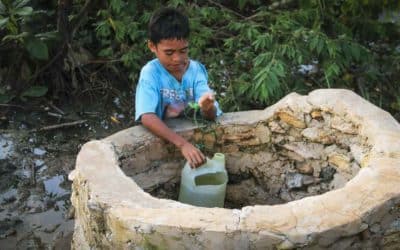
In this "Picture of the Day" shows you what children do several times a day: Fetch water for the family with some 5-litre jerrycans. Most of the time, the young girls take care of this. Here in this photo, it is a young child of ten years. There are no daughters in the family. He does this job instead of going to school. He and his family have only two litres or less of water a day for eating, drinking, bathing and everything else.

Unfortunately, like here in Tana Mbanas (Sumba Tenggah), there is still a vast majority of villages in Sumba that do not have access to clean drinking water. In these villages, the inhabitants often depend on surface water sources such as rivers, lakes or ponds, which bacteria, viruses, chemicals or by animals and insects mostly contaminate. 

The lack of clean water has severe consequences for the health of the inhabitants. Waterborne diseases, such as diarrhoea, cholera and typhoid, hepatitis A, Malaria and Dengue fever, are common where access to clean water and toilets is limited or absent. These diseases can be severe and even fatal, especially in children, pregnant women and the elderly.

To help villages without clean water in Sumba, Fair Future and Kawan Baik are implementing effective measures to improve access to clean and healthy water. Our solutions include drilling deep wells with our equipment, construction of water treatment plants, storage tanks, rainwater harvesting and storage, and installation of water management systems—irrigation and construction of healthy sanitation facilities.

We are still seeking funding and technical resources to set up sustainable, safe and clean water infrastructure in this region, one of the world's poorest and most dry.

Alexandre Wettstein from the Foundation’s Medico-Social Camp in East Sumba, Rumah Kambera, Lambanapu, on Mai 1st, 2023.

read more
Check blood pressure in rural areas

Check blood pressure in rural areas

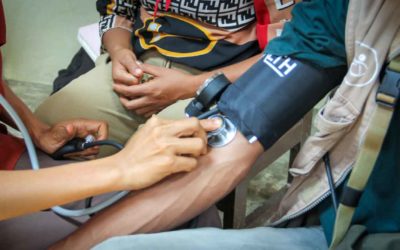
Here in the ultra-rural and poor areas where Fair Future Foundation and Kawan Baik Indonesia work, populations tend to have a higher prevalence of high blood pressure than in urban and wealthier areas. This is mainly due to poor diet, excessive tobacco consumption, and poor hydration. Of course, poverty and limited access to resources will also contribute to higher stress levels, increasing blood pressure. An unhealthy lifestyle increases the risk of cardiovascular disease and other health problems. We teach some “Kawan Sehat” health workers participating in the primary medical care program to measure blood pressure and take the necessary measures.

read more
Learning how to live healthier in rural areas

Learning how to live healthier in rural areas

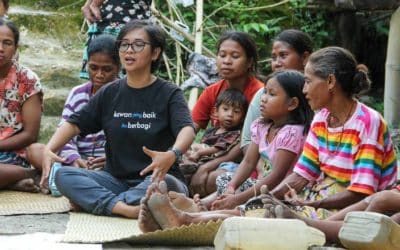
Thanks to the Fair Future & Kawan Baik teams on site and the various publications that our two foundations have produced for them, we share a few hours in each group of houses, in each village where Fair Future and Kawan Baik have carried out one or more projects related to access to drinking water and to toilets and other sanitary facilities. Together, we learn the means available to the villagers to have a healthier life, with fewer illnesses, to eat and drink better, to wash more, to take care of themselves and one’s families.

read more
Washing hands to preserve health and life

Washing hands to preserve health and life

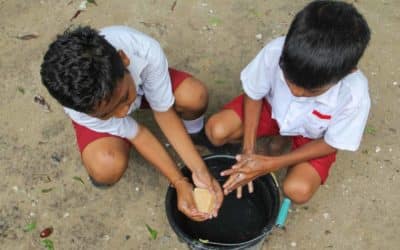
Some forms of gastrointestinal and respiratory infections can lead to serious complications, especially in young children, the elderly, or people with weakened immune systems. This is why hand washing prevents the spread of disease. Indeed, many infectious and contagious diseases can be transmitted from one person to another through contaminated hands. These illnesses include gastrointestinal infections, such as salmonellosis, and respiratory infections, such as the flu, colds, and coronavirus (COVID-19). Washing your hands properly with water (when available) and soap will prevent the spread of germs, bacteria and viruses that cause these illnesses.

read more
Living without toilets and without water, Fair Future is changing that

Living without toilets and without water, Fair Future is changing that

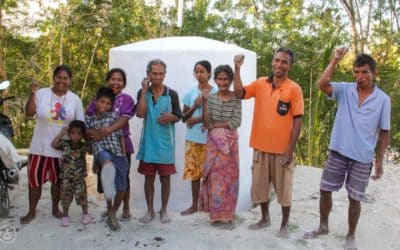
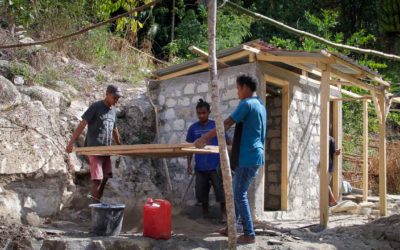
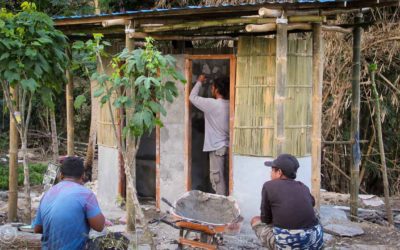
We are in the process of completing new clean water tanks and new sanitation facilities in Mbinudita. Our teams are on-site with the help of the entire local community, women, men and children who help us in this work. These infrastructures are made of Ferro-cement, like all the others, with the difference that we give the possibility to the villagers to choose the type of construction. Once again, this type of collaboration works wonders on site because it allows everyone to learn and work.

read more
The 2nd sanitary facility of the village is almost finished

The 2nd sanitary facility of the village is almost finished

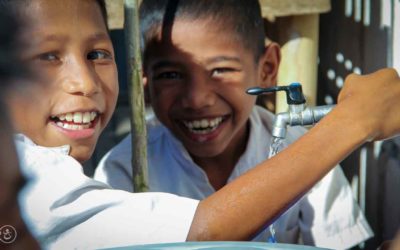
Although access to clean water continues to be a problem, it isn’t easy to ensure it is safe. In this sense, Fair Future is putting in place measures to ensure that it is sustainable. By tests, of course, filtration systems that use elements present in nature. But also, and above all, the education of users on “how to keep the installation clean and in optimal working order” is part of the “water Connections” program. On the other hand, it should be noted that individual practices also play an essential role in determining the quality of the water that we make available to the villagers here in East Sumba.

read more
We create water connections, look…

We create water connections, look…

The first idea was to treat people at the source of their health problems because our medical teams and us allow the expression: “-We were a little tired of giving medicine with a glass of inedible water. …”. And as we have told you many times before, the vast majority of patients who come to us are primarily because of the poor quality of the water they use. But also because they simply don’t have enough or no water.

read more
The 1st toilets of the village are almost finished

The 1st toilets of the village are almost finished

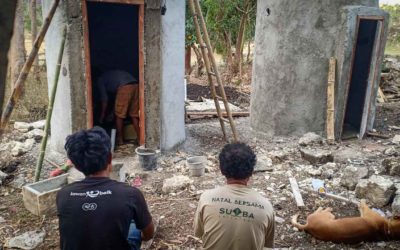
Sanitary facilities, showers, toilets, a wastewater collection tank… This was a pilot project for the foundation. Today it is something normal. How do we build healthy, ecological, environmentally friendly sanitary facilities using mainly local materials (apart from sand, iron and cement)? How not to waste the water we found by drilling so deep here in Mbinudita? Where had drilling never been attempted? How to reuse wastewater to be able to water the gardens, the plants, and the vegetables that do so much good to and improve the lives of everyone here? It was a challenge, but it is now a reality.

read more