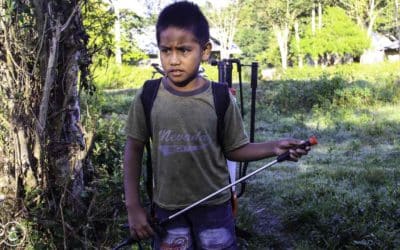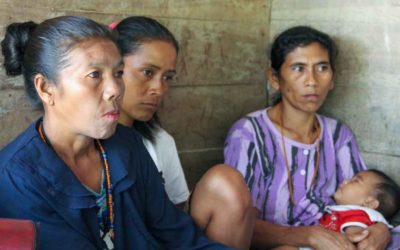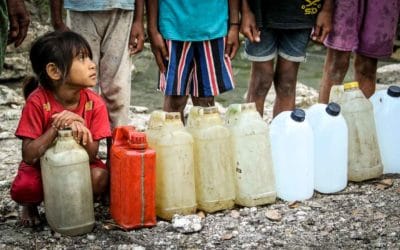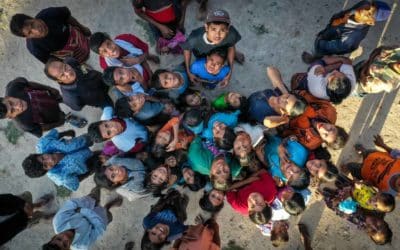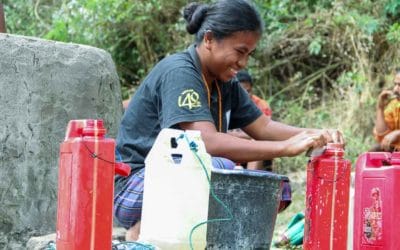


The current priority in this village is to give them clean, safe water and sanitation. Here, families must walk for miles, sometimes more than 10 hours, to bring a few litres of clean water home. People here have less than 2 litres per day and a person to drink, eat, go to the toilets, and wash. So you have to make sacrifices. Malaria is taking its toll here, just like infectious diseases that considerably weaken families' health, especially those of children under five. This is a critical situation for us on a health level. Still, on a social level, Fair Future and Kawan Baik, in collaboration with the local authorities, wish to start a simple Water Connections project in this village as soon as possible.
In the scattered hills of East Sumba, 5,300-litre ferrocement tanks collect each drop of rain. Families help build and maintain them. Children drink safely, and women no longer have to carry 20-kilo jerrycans for hours. Water near the house is a primary source of health care.
Nutrition and Food in Ultra-Rural Environments
In all of our programs to promote access to a healthy life and address the significant issues of malnutrition, we strive to improve the health of children. Fair Future, along with our team of nutritionists, develops balanced nutrition programs to promote healthy eating.
The Nutrition & Food category of Fair Future Foundation focuses on the importance of proper nutrition and food security in ultra-rural Indonesia. We share stories of how we provide nutritious meals and promote healthy eating habits to improve community health. These articles highlight our efforts to fight malnutrition, support child growth, and ensure everyone has access to the nourishment they need for a stronger, healthier future.
Fighting Malnutrition Through Food and Nutrition Programs
What does a kitchen look like without food or water
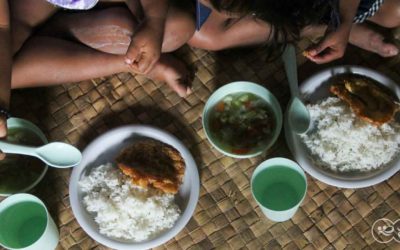
This new "Picture of the Day" shows you what the kitchen of an East Sumba family is like. A kitchen like there are tens of thousands here. One of the elements we always see is the presence of five-litre jerry cans. They are the ones that serve as a container for the water that the girls and women have to fetch from afar. We also notice the absence of food, including no rice, only corn. Rice is expensive, and nobody can buy it here in Laindatang, East Sumba: No electricity, running water, and sink.
Just a hearth that will be used once a day only to prepare corn porridge mixed with vegetables and roots that the women have been looking for in the forest. Salt and red peppers. That will be all for the day and the whole family, including dogs and cats.
Families here live without clean or potable water, yet access to potable water is crucial for survival and maintaining good health. Without clean water, families in the areas where Fair Future and Kawan Baik work are forced to drink contaminated water, which leads to waterborne diseases such as cholera, typhoid fever and dysentery.
This has an immense impact on daily life and livelihoods. Women and children must walk long distances to fetch water, which takes up much time and interferes with other activities such as work or education.
Malnutrition is taking its toll here where we are
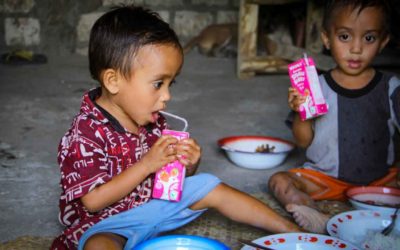
This "Picture of the Day" shows children in East Sumba, where we are at work, as I post this Photo of the Day. Fair Future and Kawan Baik teams, as part of the #kawansehat #primarymedicalcare and #waterconnections projects, cook for children in the most rural and poor areas. In this image, some are drinking strawberry milk for the first time. They had never seen a straw before, and I remember all the kids asking us how to drink that kind of drink. We had to show them and help them plant the straw in the milk carton.
Malnutrition is an endemic problem here in all the rural villages of East Sumba. It is also the region with the highest rate of malnourished children in Indonesia. Here, clean water is absent from the houses, and the consumption of unclean water generates health problems and serious illnesses. And to cook, drink, and wash, you need water. And in order not to get sick, you also need water. Food production cannot occur without water, and families do not have enough income to buy food, rice and vegetables. On average, they live with less than two litres of water per person per day for everything: cooking, eating, drinking, drinking, bathing, going to the toilet and doing laundry. Have you ever tried?
Most children here are underweight and malnourished because they cannot eat enough. Meal frequency is one meal per day. Young children may be able to eat twice if all goes well. The menu will consist of rice and corn because more than rice alone is needed. In East Sumba, a kilo of rice costs three times more than in Java or Bali. Only a little salt and peppers accompany the meal to give flavour and taste.
A simple jerrycans story in East Sumba
Two litres of water per day and per person to live. And this, thanks to an object as innocuous as an old five-litre can. A stupid plastic container? For most of us, it is an object that will go irretrievably in the trash. But here, for the families that Fair Future and Kawan Baik work with – tens of thousands of families – it is essential to the survival of an entire family because it is thanks to him that these two litres of water will come home. So, let’s talk a bit about plastic canisters, if you don’t mind, to understand why it’s so important.
8 billion equal people? What about the food?
Eight billion people on earth: Are we going to starve? On the one hand, there is population growth. On the other, the world’s resources make it possible to feed human beings. How to reconcile the two? Today and tomorrow, will we all be able to provide for ourselves?
Lukukamaru Sumba. A tremendous job to do here
East Sumba is full of villages that I believe we have to call “very poor”, where eating or drinking enough, taking a simple shower, and earning enough to buy a little rice is almost impossible. These villages are isolated from everything and everyone. We go there as often as possible, currently every day. These moments spent with the villagers tell us very clearly about what we can put in place to improve the living conditions of these people living in these regions. Lukukamaru is one of those villages. Everything is paid for at a high price, at the cost of incredible physical and psychological effort; here, we can speak of a state of daily survival.
Shortage of clean, safe drinking water
All these people, we meet every day. When we ask them what their biggest dream is, all without exception answer us this: To have clean water, some not dangerous for their health and that of children, and pregnant women. To have access to it here, close to home. To be able to water and cultivate a garden, eat better, shower, and wash. But above all to be able to drink more, cook more. The Fair Future and Kawan Baik foundations within the framework of the Water Connections project, strive by all means to fulfil their dreams. Their lives, their health and their future are at stake. Water is the source of life, of all life!