


Donate
Support Care
Articles & News
Field stories
Glossary
Field guides

Water, Energy & Infrastructure
Water Connections
Safe water systems planned, built and maintained with rural communities where no public network exists.
- 5,300-litre ferrocement tanks
- 115 m³ reservoir built at Laindatang
- Rainwater, gravity and solar-pumped systems
Water must reach the home before disease does
In rural East Sumba, water may be several kilometres away, seasonal or visibly unsafe. A reservoir, protected source and working pipe change more than convenience. They change hydration, hygiene, food preparation and the daily exposure of children to preventable infection.
The programme
Water infrastructure built around health
Without a public network, every litre depends on distance, rainfall, storage and the condition of the source. Those constraints become health risks long before a patient reaches a clinic.
Water Connections designs practical systems for the terrain and the people who will use them. Depending on the site, this may mean rooftop rainwater harvesting, a ferrocement tank, a reinforced reservoir, a deep well, a solar pump, gravity-fed piping or a protected distribution point.
The work is carried out with village leaders, families and local builders. Construction is only the beginning. Gutters, lids, filters, pipes, overflow areas and water quality must remain inspectable, repairable and understood by the community.
A compact rainwater system adapted to homes, small groups of families and rural schools.
Large reinforced storage designed for more than 200 people and a local school.
A recent Hudumburung connection carries stored water directly to two homes and around fifteen people.
A solar-powered pump lifts groundwater to a 10,000-litre elevated storage system.
From source to household
How a water system becomes reliable
The visible tank is only one part of the system. Reliability begins with understanding the source and continues through design, construction, protection, distribution and maintenance.
Assess
The team studies the source, rainfall, terrain, household demand, access and the risks around the proposed site.
Design
Storage volume, foundations, catchment area, pumping or gravity and distribution are adapted to local conditions.
Build together
Local builders and families take part so the structure, materials and repair needs are understood close to home.
Protect and connect
Roofs, gutters, filters, sealed storage, overflow and pipes are installed as one continuous water pathway.
Inspect and maintain
Leaks, cracks, contamination risks and damaged components are identified, corrected and followed over time.
Water safety is continuous
A full tank is not automatically a safe tank
Safe access depends on the complete pathway from catchment or source to storage, pipe and household container. A weakness at any point can reintroduce contamination or interrupt supply.
What the system must protect
- A source or roof catchment kept away from avoidable contamination
- Gutters and first-flow components aligned and clear of debris
- A sealed tank with a protected lid and controlled access
- Filtration appropriate to the source and intended use
- Clean pipes, taps and household collection containers
- Drainage and overflow that do not create stagnant water
When corrective action is needed
- Cracks, leaks, unstable foundations or damaged tank walls
- Rust, open inspection holes or a lid that no longer seals
- Broken gutters, blocked filters or unburied damaged pipes
- Visible contamination, unusual colour, odour or persistent turbidity
- Standing overflow water that increases mosquito or hygiene risks
- Concerning test results or a cluster of diarrhoeal illness after use
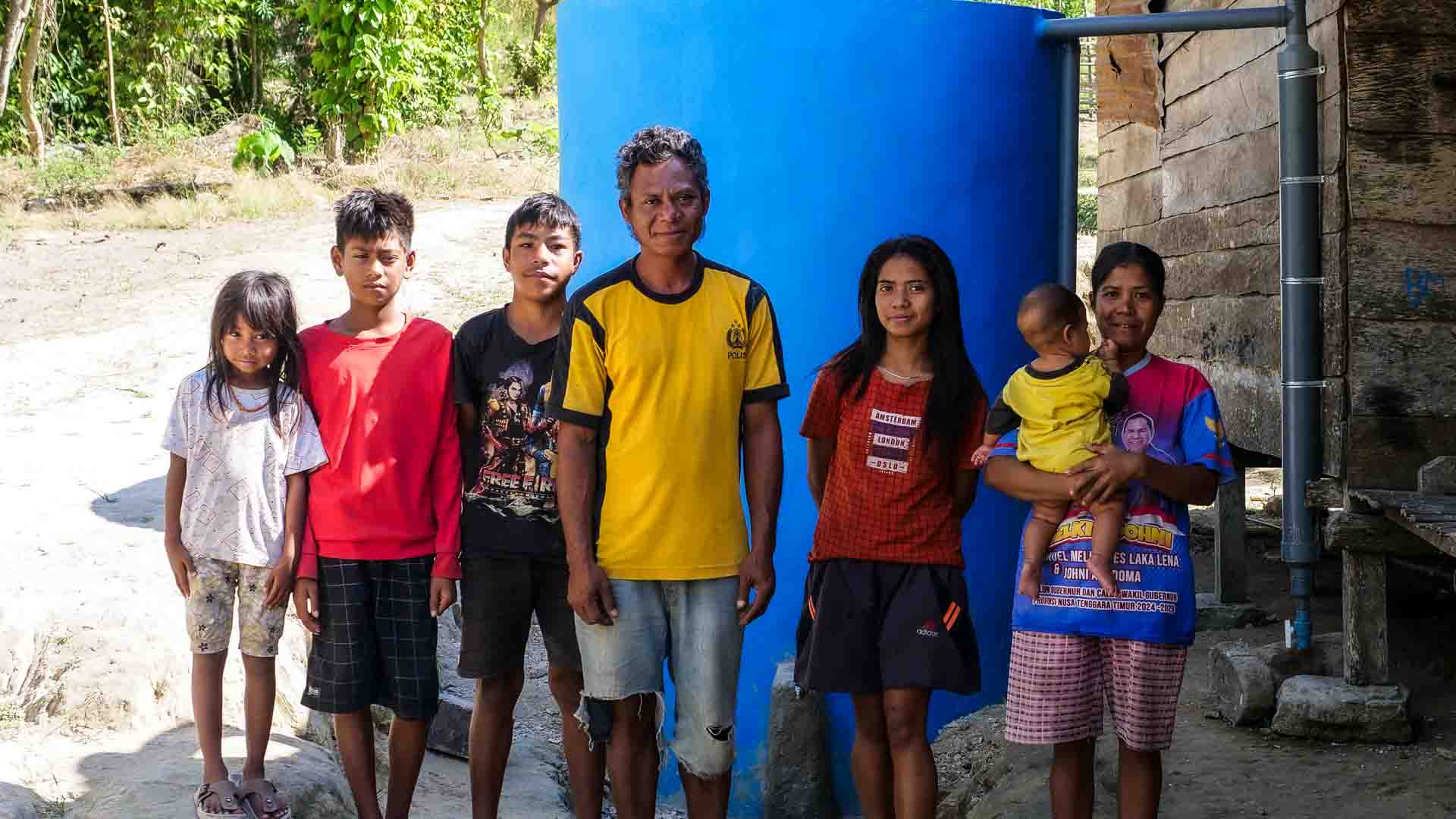
A reservoir is useful only when its catchment, filtration, structure, overflow and distribution remain safe and repairable.
See how a new reservoir brings water to schoolchildren in East Sumba, and why the daily journey to collect water remains a health concern for families.
The system behind every tap
Engineering that can be maintained locally
A tank alone is not water access. Each project combines source assessment, structural choices, protected storage, distribution and a maintenance plan. The aim is not technical complexity. It is a system that fits the terrain, can be inspected and can keep working after the construction team leaves.
Site assessment
Rainfall, groundwater, access, soil, terrain and household demand guide the design before materials arrive.
Reinforced storage
Ferrocement tanks and larger reinforced reservoirs are sized and built for the community and site conditions.
Protected distribution
Filters, pumps, gravity-fed HDPE pipe, taps, overflow and drainage move water without losing control of safety.
Water monitoring
Field checks and the Rumah Kambera laboratory support testing for microbial, physical and chemical indicators.
What changes in practice
Safe water changes the conditions in which illness begins
Less time collecting water
A household connection can return hours of walking, waiting and transport to families, especially women and children.
Safer daily hygiene
Water close to home makes handwashing, wound cleaning, food preparation and household cleaning more consistent.
Water where children learn
School storage supports drinking, toilets, cleaning and basic infection prevention throughout the day.
Stronger dry-season continuity
Storage, protected sources and planned distribution reduce dependence on a single distant or seasonal collection point.
Final reportLaindatang 115 m³ reservoirRead the technical and field report for a large rainwater system serving more than 200 people and a school.
Project areaLaindatang & HambaritaExplore the linked reservoirs, filtration, construction and village water systems developed across these communities.
Child healthUnsafe water and childhood diarrhoeaUnderstand how contaminated water, dehydration and malnutrition reinforce one another in rural families.
Live field recordField Notes from Eastern IndonesiaFollow dated updates on construction, repairs, water access, health and the realities encountered by field teams.
Field guide & glossaryWater and sanitation, explainedExplore practical terms and field guides related to water safety, storage, hygiene and public health.
Public health referenceDrinking-water and healthRead the international evidence connecting safe water, sanitation, infection prevention and health.
Water and sanitation referenceWater, sanitation and hygieneExplore the wider framework linking safe water access, hygiene, childhood health and dignity.
Live from the field
Water Field Notes, as the work happens
Two recent updates from water construction, distribution or monitoring. These notes refresh when a new Water Connections Field Note is published.
Directly from the field
Latest Water Connections reports
These reports document construction, water quality, household access, maintenance, failures, corrective work and the health conditions each system is built to change.
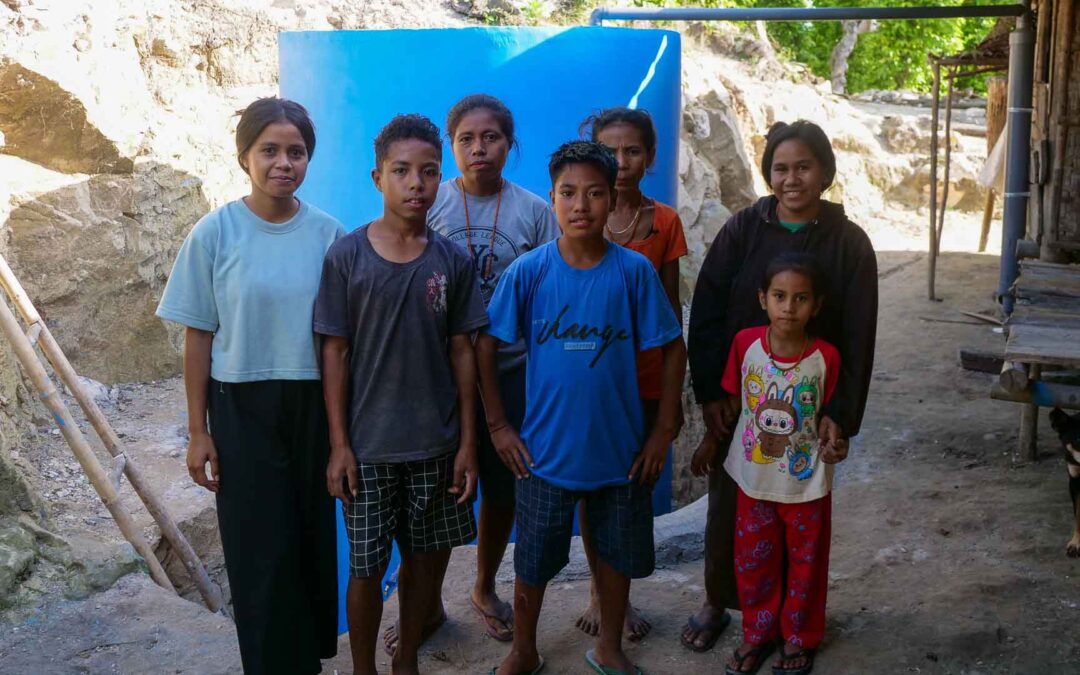
Ferrocement Tanks Bring Clean Water to Hambarita
In Laindatang, eight ferrocement reservoirs now provide clean water, transforming health and reducing disease. With a 113m³ tank underway, this project reshapes life for hundreds in an ultra-rural community.
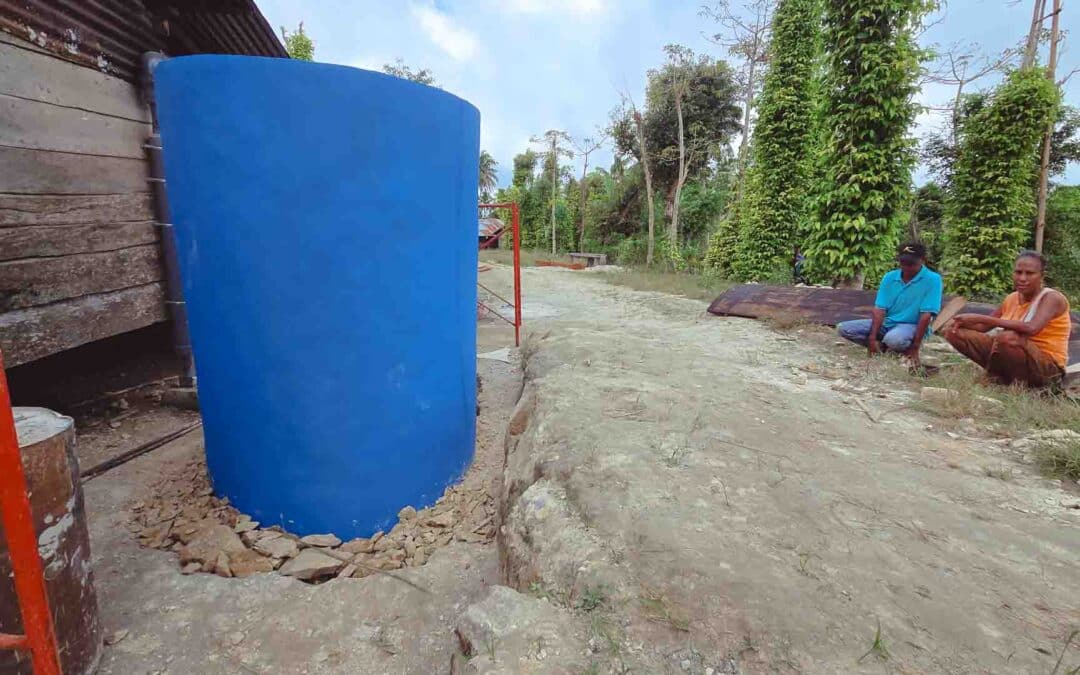
Clean water tanks built for isolated families
In Hambarita, Fair Future builds 8 clean water tanks to serve 150 people living in ultra-rural poverty. With no roads, electricity, or healthcare, these reservoirs offer essential health protection.
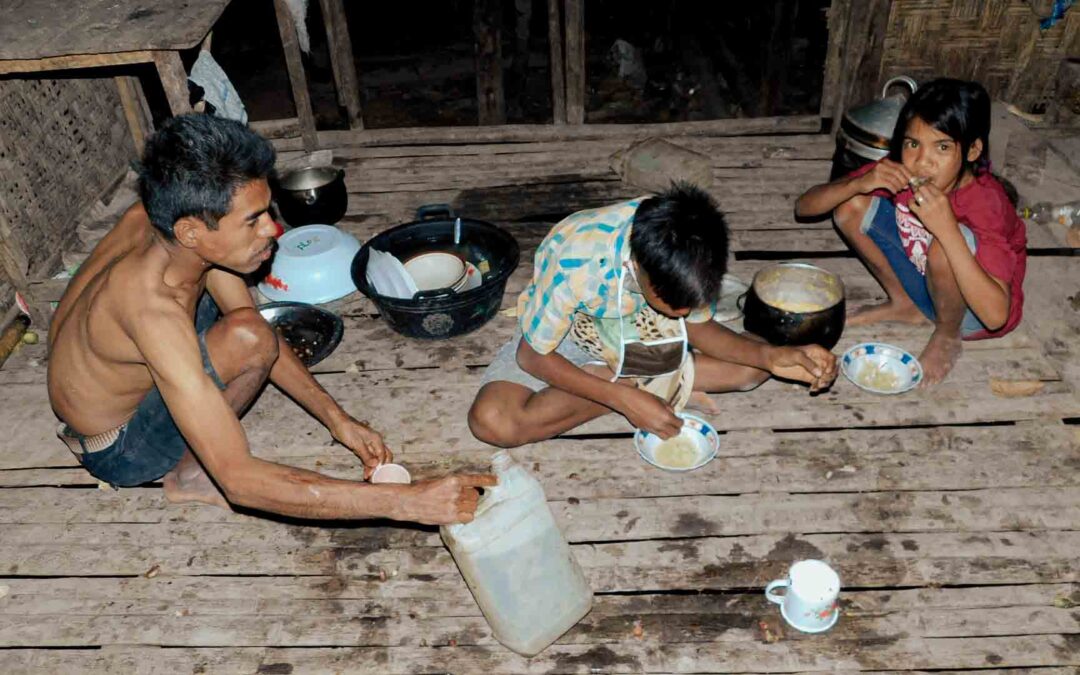
Why We Keep Getting Sick
In Laindatang, a child asked why he and his family are always sick. The answer lies in the water: diarrhea, typhoid, skin infections, hepatitis A. Fair Future fights back with clean water and frontline medical care.
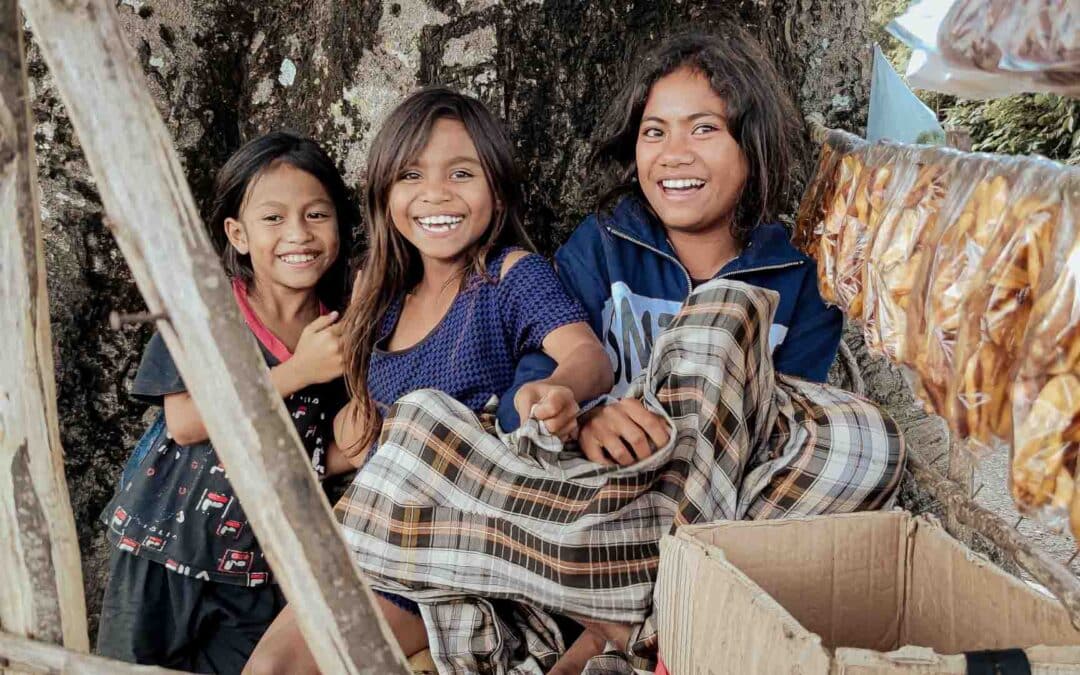
Menstrual Health and Dignity in Rural Indonesia
Fair Future tackles taboos surrounding menstrual health by empowering girls with access to hygiene, medical care, and education. It’s not just about health: it’s about restoring dignity and equality.
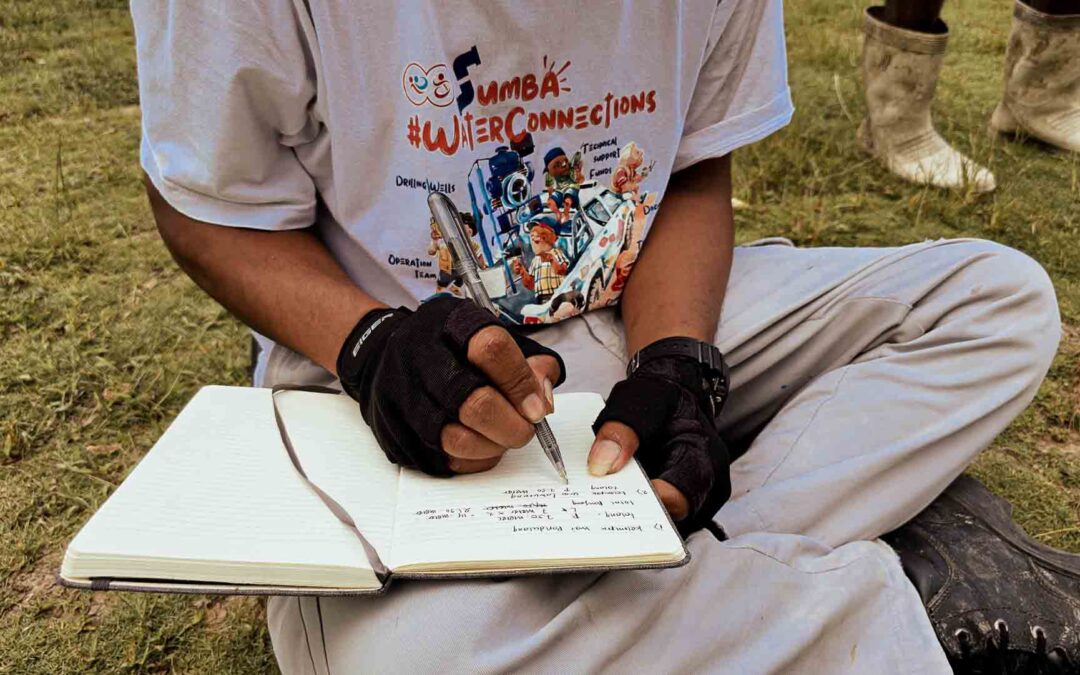
Funds Transferred for Laindatang Water Reservoir
We’re proud to share that Fair Future has fully funded the construction of a 110,000-liter water reservoir in Laindatang. CHF 12,642.13 (IDR 251,517,375) has been transferred to Indonesia. Construction begins in June 2025 and will benefit the communities of Laindatang and Hambarita. More Clean water is coming!
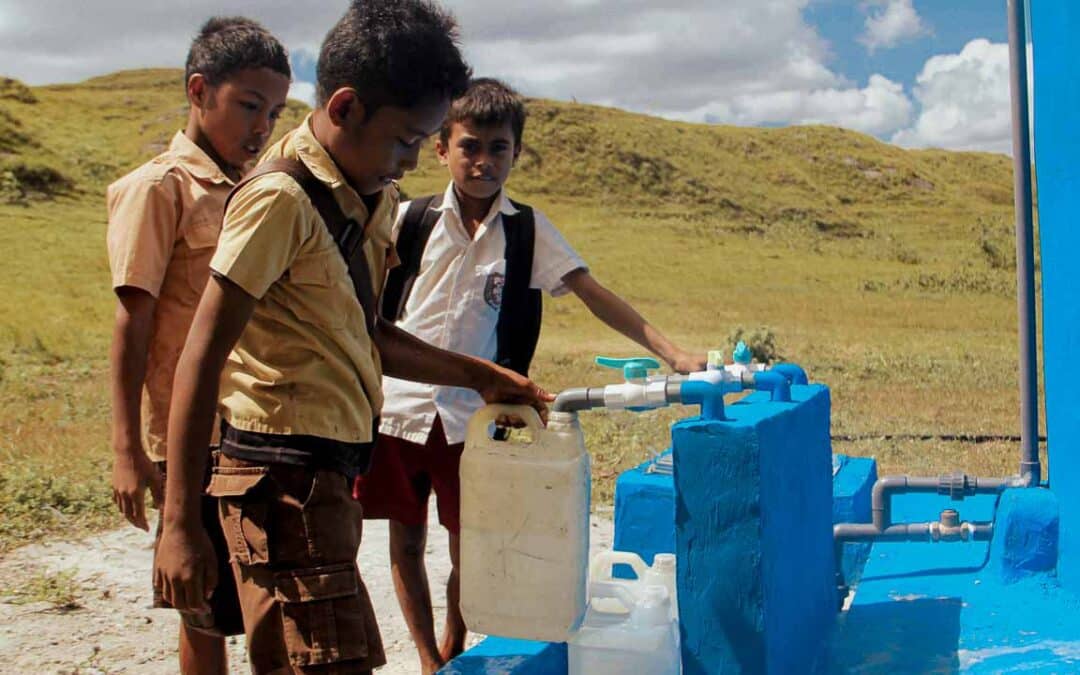
Fund Clean Water for Laindatang’s Last Four Reservoirs
For the past three years, Fair Future has been constructing water reservoirs in Laindatang to guarantee access to clean water. However, four remote families continue to face difficulties. With only four additional reservoirs needed, we can complete this important work.
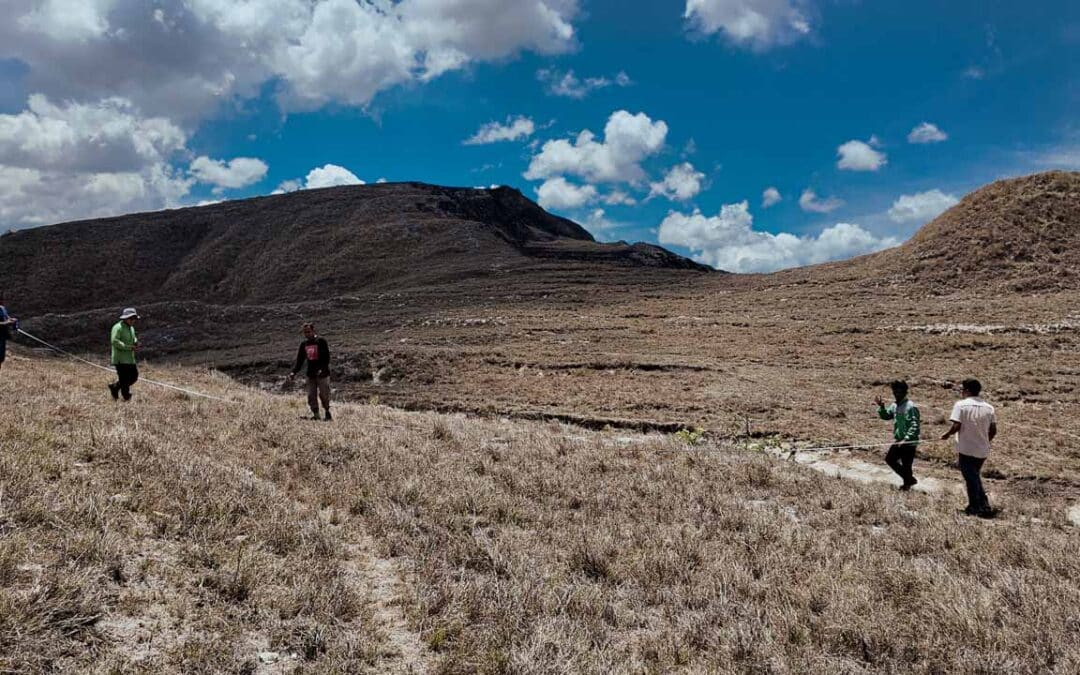
Building a 110,000L Water Reservoir in Laindatang
In May 2025, Fair Future is set to construct a water reservoir with a capacity of 110,000 liters in Laindatang, an isolated village grappling with severe drought conditions. This initiative aims to provide sustainable access to clean water for 300 residents—including 100 children—by utilizing rainwater harvesting and filtration techniques to…
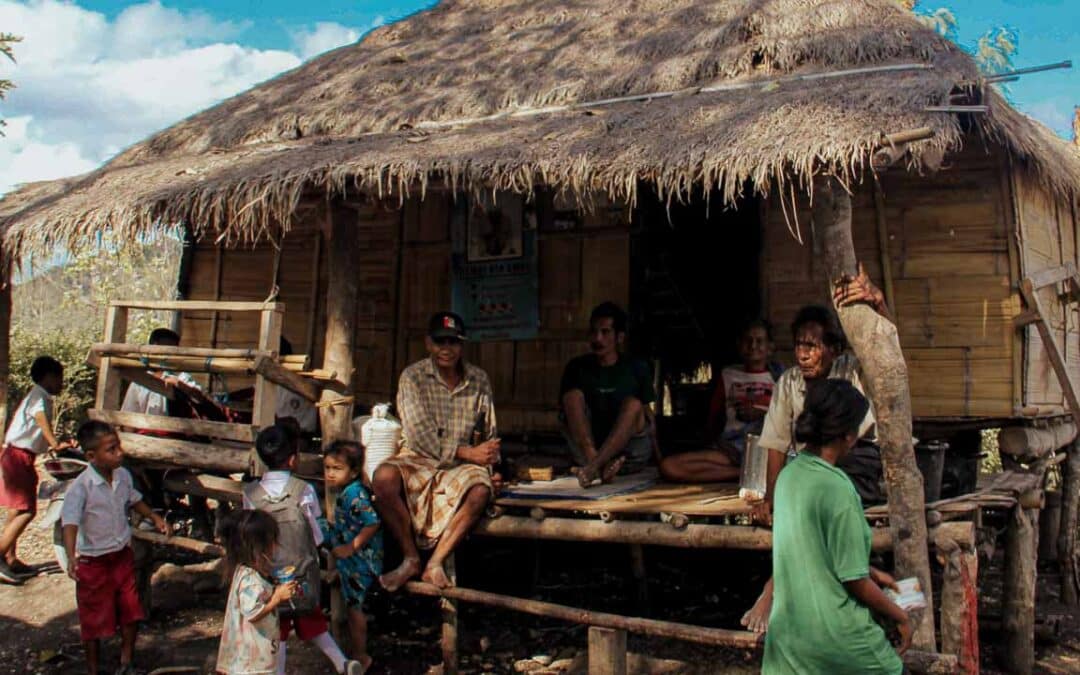
Lapinu Water Crisis: Watch Ibu Ester’s Emotional Story
Lapinu is struggling to survive with no electricity, a lack of clean water, and children trekking difficult routes for unsafe supplies. Hear Ibu Ester’s heartfelt account of the daily challenges and illnesses they face. The Fair Future Foundation is initiating a clean water project because taking action is essential for their survival.
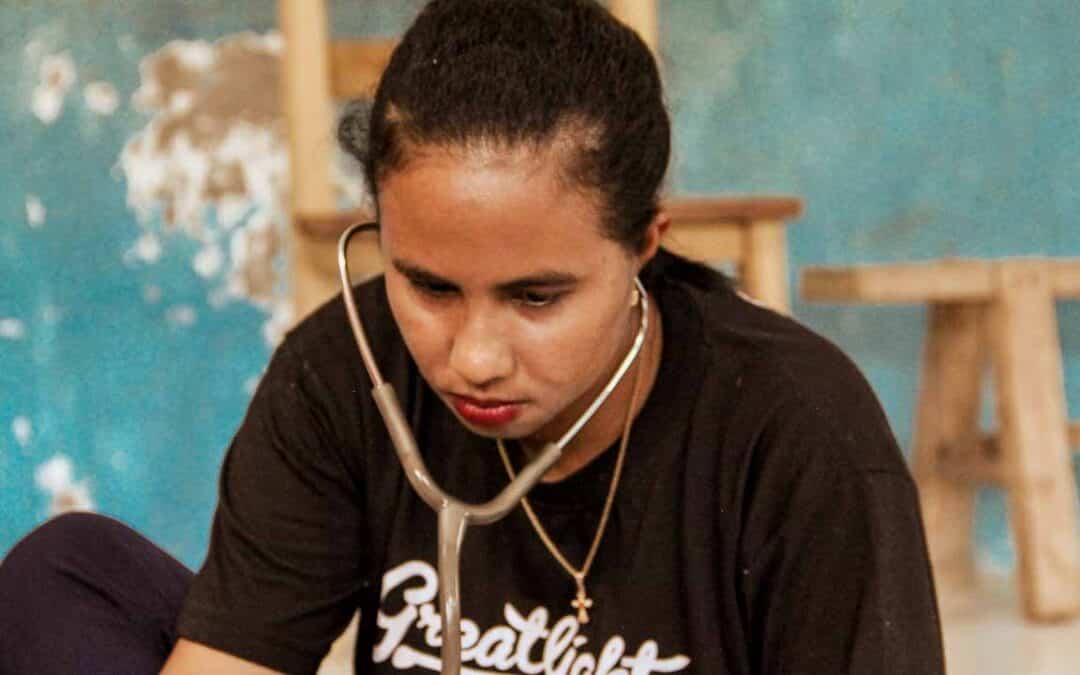
Katrina’s 90-Second Plea for Clean Water in Lapinu
Katrina has spent three years as a Kawan Sehat health agent in Lapinu, battling an ongoing water crisis. Contaminated water fuels disease, sanitation is dire, and families struggle daily. In this 90-second testimony, she speaks of her village’s urgent need for clean water. Take action now!
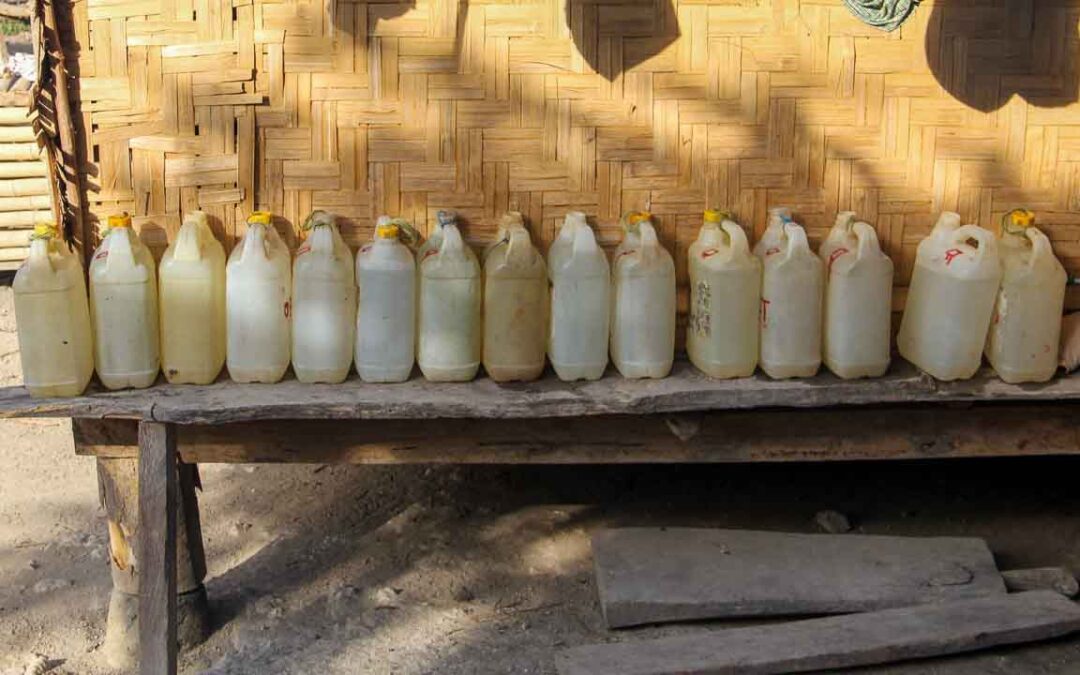
Clean Water for Lapinu: Join Our Essential Initiative
Fair Future Foundation’s Water Connections initiative in Lapinu ensures sustainable access to clean water and sanitation. By implementing solar-powered pumps, reservoirs, and modern toilets, this project will significantly enhance the health, dignity, and future prospects of this remote village. Join us in making a lasting impact together.

Equity Through Clean Water and Healthcare
In rural areas, health and wealth disparities fuel inequality. Fair Future tackles this by providing clean water, healthcare, and education. Our programs empower communities to break the cycle of poverty and build healthier futures. Learn how we make an impact every day—join us in creating change.

Phase III: Laindatang Water Connections Report
The Phase III Laindatang Water Connections report details nine months of dedicated work to address the water crisis in East Sumba. Despite facing numerous challenges, the community and Fair Future are committed to overcoming them and have proposed innovative plans for a 100m³ reservoir set to be constructed by 2025, guaranteeing sustainable…
Accountability
Water systems must remain measurable, repairable and transparent
We document volumes, construction, materials, beneficiaries, site inspections, faults, corrective work and how funds are used. A completed structure is not the end of responsibility. Its condition and usefulness must continue to be checked.
