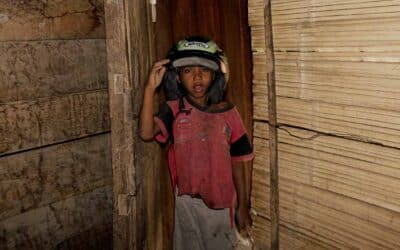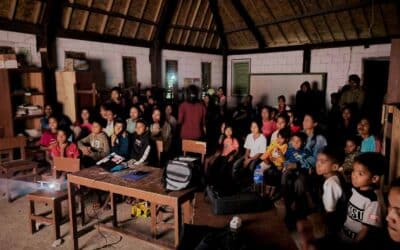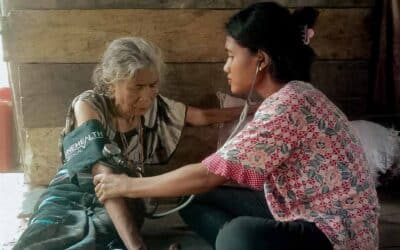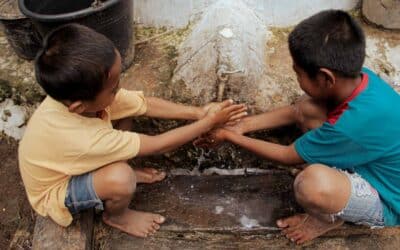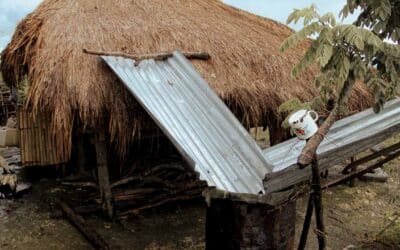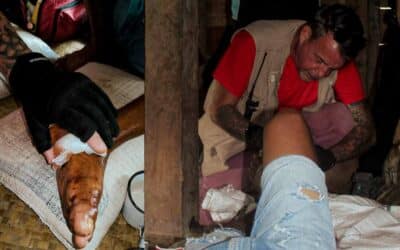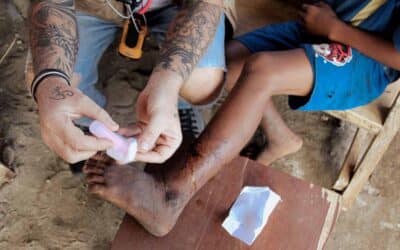


Kawan Sehat health agents treated hundreds of patients—children, elderly, and the injured—throughout the holiday season as part of the #PrimaryMedicalCare program. Their dedication never paused. Visit our site to see the latest photos of their remarkable work. Thank you for your ongoing support!
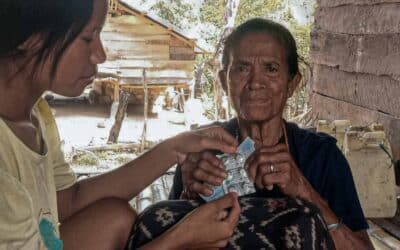
After years of walking to find dirty water, villages like Laindatang, Hambarita or Mbinudita can now access clean water from community reservoirs they built themselves. Clean water reduces diarrhea, skin infections, and fear. This is a true reflection of dignity in daily life.
Donate
Support Care
Programs
All projects
Quick News
Field updates
Stories
Field stories
Delivering essential medical care in villages with no clinics or doctors, saving lives and building trust.
Health, Wealth, and Inequality in Rural Areas
In rural regions, disparities in health and wealth contribute to ongoing cycles of inequality. The Fair Future Foundation addresses these issues by offering clean water, healthcare services, and educational opportunities. Discover how we empower communities to escape poverty and build healthier, more promising futures.
Why Donating Matters to Save Lives
Donations play a crucial role for NGOs such as the Fair Future Foundation, supporting essential healthcare, education, and welfare initiatives. These contributions strengthen rural communities, save lives, and foster sustainable development. Every donation counts in making a significant impact—no matter its size. Be part of this change with us today!
Equity Through Clean Water and Healthcare
In rural areas, health and wealth disparities fuel inequality. Fair Future tackles this by providing clean water, healthcare, and education. Our programs empower communities to break the cycle of poverty and build healthier futures. Learn how we make an impact every day—join us in creating change.
Primary Medical Care: 2024 Report Highlights
In 2024, Fair Future’s PMC Program significantly improved ultra-rural communities by offering essential healthcare services, education, and life-saving solutions. This initiative addresses the severe shortage of medical resources in remote areas with limited access to basic health facilities and trained personnel.
A Book That Saves Lives in Rural Areas
The training book serves as an invaluable resource, empowering rural health agents with crucial skills to handle...
Handwashing: A Lifesaving Habit in Rural Areas
In ultra-rural areas, the act of handwashing is not merely routine but a crucial, life-saving measure. This simple yet...
New Narration Guide Enhances Kawan Sehat Book Impact
To enhance the impact of the Kawan Sehat book, we’ve created a narration guide for users. This method ensures its messages are effectively communicated to children, parents, and ultra-rural communities. The guide maximizes the book’s potential to inspire and educate, bringing valuable knowledge to those who need it most.
Families Fight for Clean Water Every Day
Families in rural areas encounter significant difficulties in obtaining clean and safe water, frequently depending on...
Alex’s reflections: Solutions for a better future
Alex Wettstein, founder of Fair Future, talks about challenging yet transformative times. Alex speaks from the heart in a direct way. Learn how Fair Future’s unique approach to working and operating has led to sustainable and innovative solutions for providing access to healthcare, clean water, and healthy food for vulnerable communities.
Snake Bite First Aid: Save Lives with Fast Action
Snakebites are a significant threat in East Sumba and similar areas where access to healthcare is limited. This guide provides crucial steps to manage snakebites, prevent complications and save lives. Learn how to identify symptoms, administer first aid effectively and avoid common mistakes in this essential medical advice article.
Preventing and Treating Dog Bites in Remote Areas
Dog bites can be prevented and managed effectively with the proper knowledge. Discover methods for cleaning wounds, controlling bleeding, and obtaining medical care to avert serious infections such as rabies. By learning about dog behavior and encouraging safe interactions, we can safeguard communities in remote regions.