

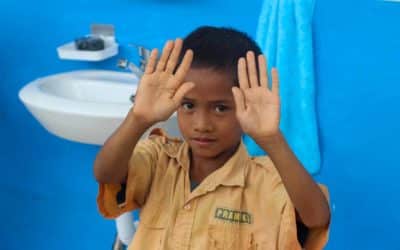
In East Sumba, the Fair Future Foundation’s #WaterConnections project has improved access to clean water and hygiene. This initiative has reduced infectious diseases and improved living conditions by installing washbasins and handwashing stations. The Foundation has provided clean water to over 600 people in Laindatang, demonstrating the positive impact of their efforts.
In the scattered hills of East Sumba, 5,300-litre ferrocement tanks collect each drop of rain. Families help build and maintain them. Children drink safely, and women no longer have to carry 20-kilo jerrycans for hours. Water near the house is a primary source of health care.
Donate
Support Care
Programs
All projects
Quick News
Field updates
Stories
Field stories
Addressing skin diseases caused by poor hygiene and lack of clean water through education and treatment.
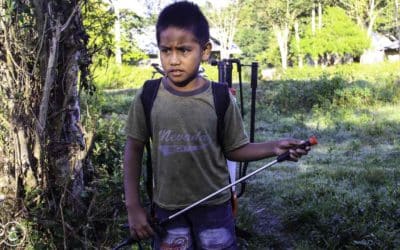
East Sumba Pest Crisis: Human & Environmental Health At Stake
The pest crisis in East Sumba transcends agricultural ruin, posing a severe threat to human health, psychological well-being, and environmental integrity. Fair Future Foundation takes a deep dive into this grim humanitarian emergency, advocating for holistic solutions. From acute health risks to wildlife mortality, this article sheds light on the critical need for a united front. Explore our data-driven insights and learn how you can contribute to developing ethical, effective solutions.
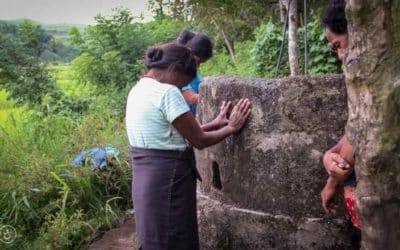
A prayer for water around a well in East Sumba
With a few friends from Kawan Baik and Fair Future, we had the privilege and emotion to experience a touching moment, thanks to the strong words of villagers living in a very isolated region of eastern Indonesia. We felt that these brave people had hope that time and the Lord might bring them a better life. For that, we have no choice but to help them.
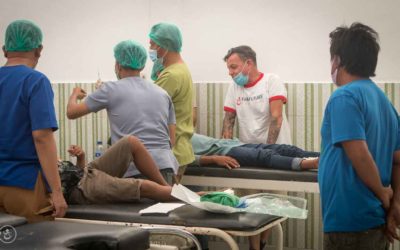
Days of medical care in rural areas
Discover the different contexts and situations in which Fair Future teams intervene to provide care, including crisis and natural disaster situations, and how and why we adapt our activities to each. Days of care like the one we present to you below we do dozens of them a year and they are adapted to people from rural areas, who for the most part have never seen a doctor before us.