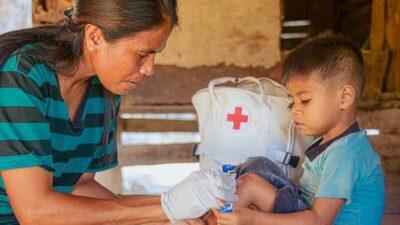
Non-professionals who give medical care and medicine to people, sick children, and injured. They do so through a unique and innovative medical care program. Because here, there are no doctors, no health centre, or else too far away. No one has a vehicle, and the roads that lead to these villages are often impassable.
Primary Medical Care

The Primary Medical Care category documents the delivery of essential healthcare services in ultra-rural settings where access to doctors and facilities is limited or absent.
Articles describe how trained health agents provide first-line care, manage common illnesses, treat injuries, monitor chronic conditions, and identify early warning signs requiring referral. This work follows WHO primary health care principles, combining treatment, prevention, and continuity of care. By bringing structured medical care directly to communities, this category highlights measurable improvements in health outcomes, safety, and resilience under real field constraints.
Latest field updates
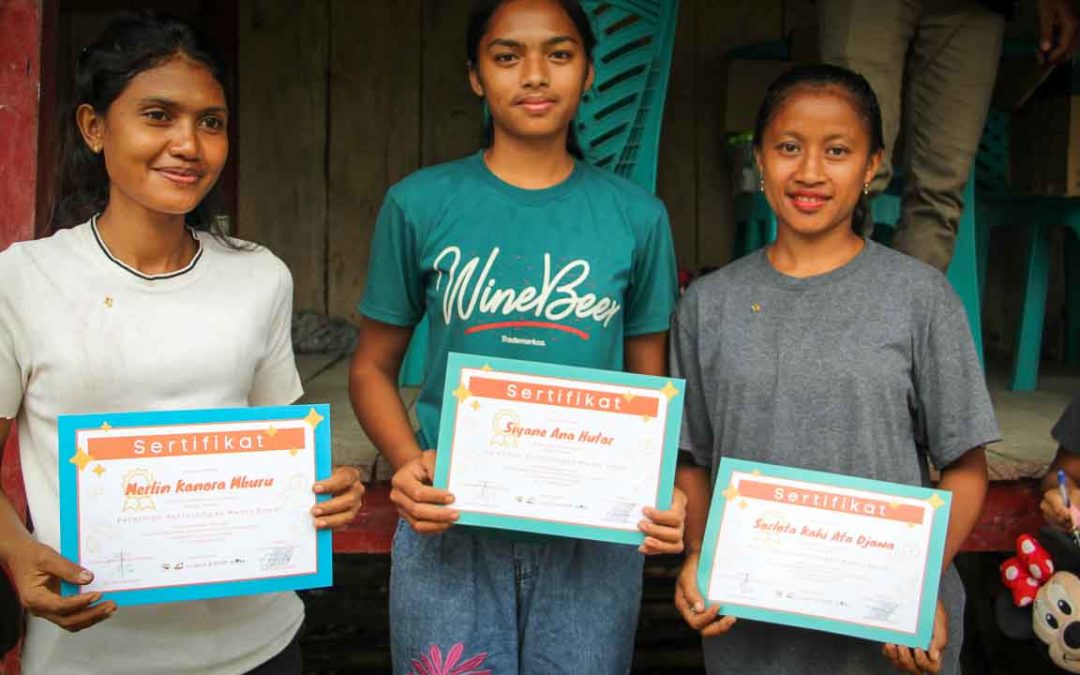
PMC – Teachers receive their training certificate
In Kabanda village, East Sumba, three teachers, participants in the Primary Health Care Program, receive a vocational training certificate for the 1st time.
Evaluation of 8 Kawan Sehat agents, in Mbinudita
In the village where it all started for us: The #rebuildmbinudita program is the construction of a school, and the construction of a drinking water network for more than 2700 people, 60% of whom are children under 12 years old . It is really the (re)construction of an entire village or learning to live healthier, healthier all together, within…
PMC program pre-assessment in Mbinudita
Fair Future teams examine and investigate more than two hundred cases of various illnesses or injuries treated under the primary medical care program by health workers. We also take stock of what will happen next week to accurately assess the supply of new equipment, drugs and medical devices.
Primary medical care dedicated to children
Children in remote East Sumba learn simple daily habits that can reduce illness and injury where access to professional healthcare is limited.
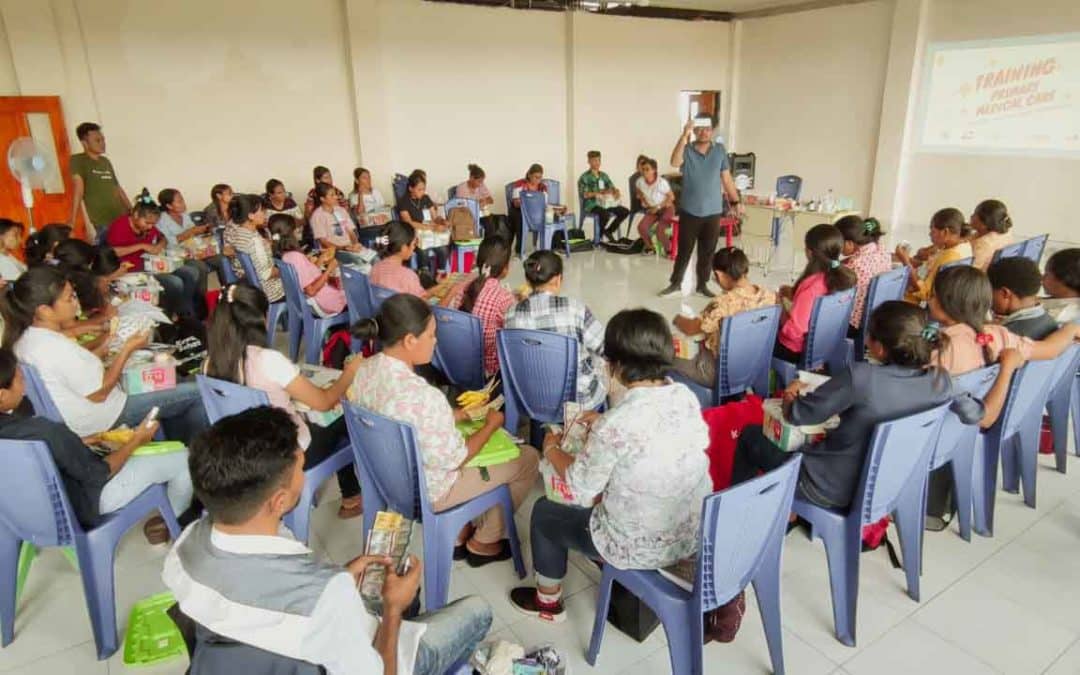
Learn how to provide Primary Medical Care
Teachers and community health workers learn practical first aid and primary medical care for villages where professional healthcare is hard to reach.
Learning how to live healthier in rural areas
Thanks to the Fair Future & Kawan Baik teams on site and the various publications that our two foundations have produced for them, we share a few hours in each group of houses, in each village where Fair Future and Kawan Baik have carried out one or more projects related to access to drinking water and to toilets and other sanitary facilities.
On-site Primary Medical Care Program Assessment
This primary medical care program in ultra-rural areas, which we initiated and started last year, is extraordinary, it saves lives. Since December 2022, the participants in the primary medical care program – who are the village teachers – have been providing first aid to children and villagers. They treat wounds, diseases, malaria, dengue fever.
Teachers provide primary medical care
The magic of this “Primary Medica Care” program? It’s just that it’s unique in the world and it works. The first batch of sixty teachers who have followed the training in primary medical care in rural areas, tell us about their “exploits” and their work as rescuers. They take confidence in themselves it is the most important, and we note it.
Primary medical care training for 60 teachers
Whether a minor skin injury or a severe life-threatening injury, all types of damage should be treated with first aid on the spot without delay, as it may save a life or a limb. Teachers in the poorest and most rural areas learn this with Fair Future’s medical teams.
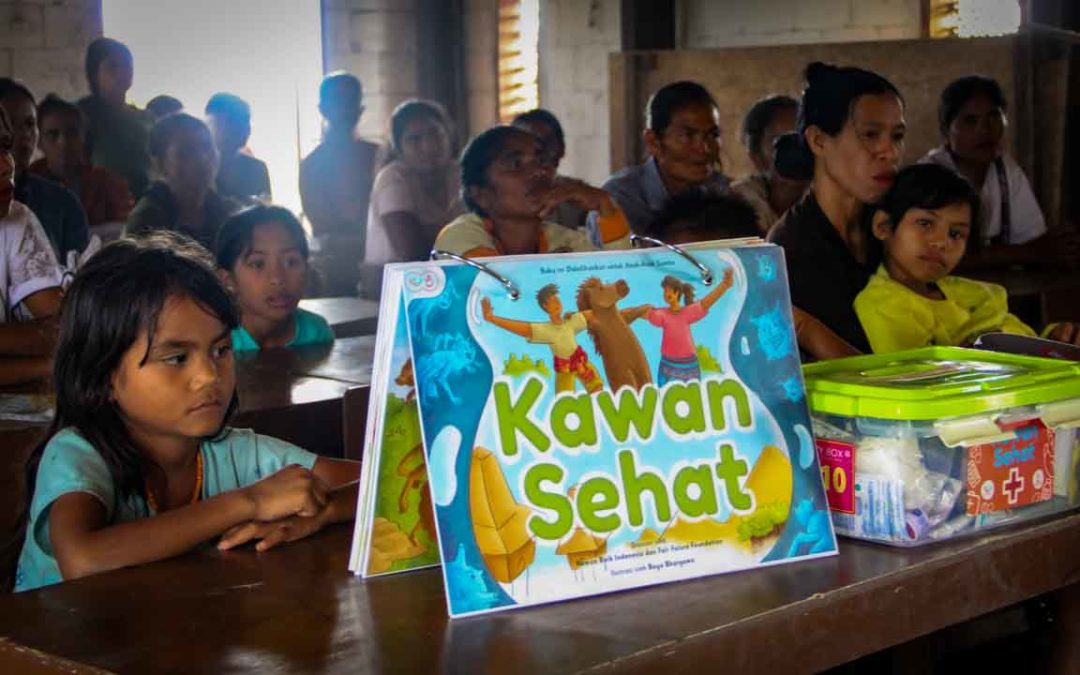
Kawan Sehat, the full book for a healthier life
The Foundation has created an illustrated book for the young in the ultra-rural areas of eastern Indonesia. Where knowing how to read and write is not shared. It will serve as a reference book and gather most of the information on a better lifestyle, the tips and tricks that are “normal” but that most don’t know here.
Primary medical care for kids in rural areas
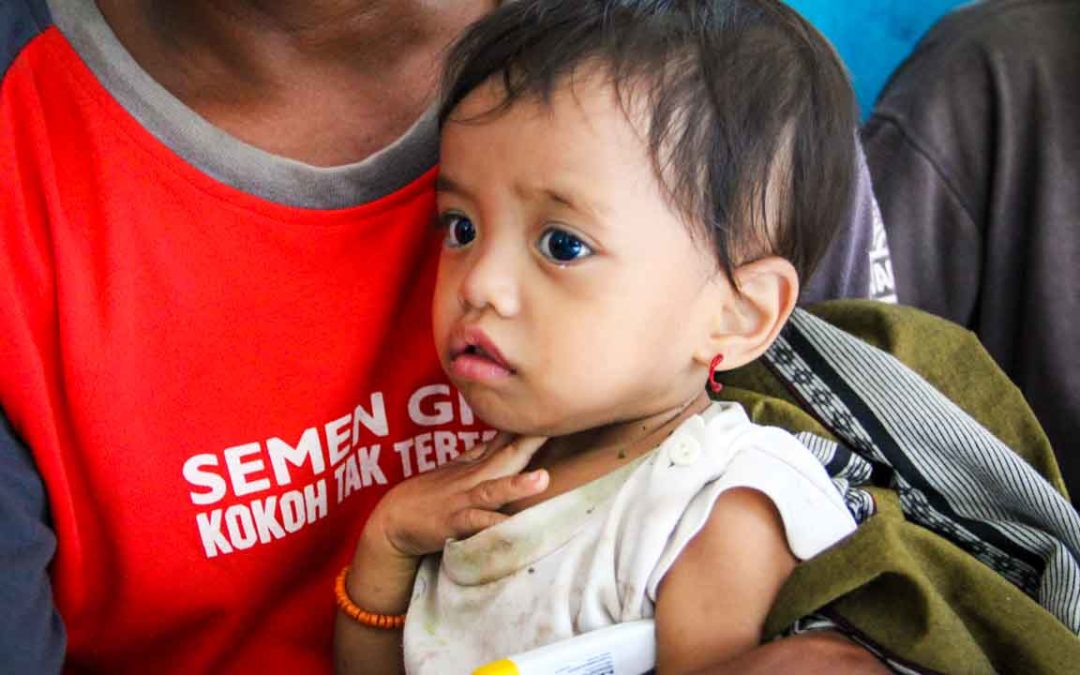
The inhabitants of rural villages do not have access to primary care, and most medical centres are often several hours away on foot. The harshness of life here means we often get hurt, but nothing is available to treat ourselves—no doctor, knowledge, medical equipment and, of course, no antiseptic or medicine.