

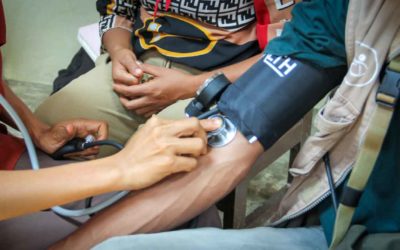
Here in the ultra-rural and poor areas where Fair Future Foundation and Kawan Baik Indonesia work, populations tend to have a higher prevalence of high blood pressure than in urban and wealthier areas. This is mainly due to poor diet, excessive tobacco consumption, and poor hydration. Of course, poverty and limited access to resources will also contribute to higher stress levels, increasing blood pressure. An unhealthy lifestyle increases the risk of cardiovascular disease and other health problems. We teach some “Kawan Sehat” health workers participating in the primary medical care program to measure blood pressure and take the necessary measures.
Preserving Health and Life Through Our Programs
Fair Future Foundation is dedicated to preserving health and life through comprehensive programs that promote access to a healthy and harmonious lifestyle. From personal hygiene and mental well-being to clean water access and disease prevention, our initiatives empower communities to safeguard their health. Discover how we create sustainable, life-preserving solutions that truly make a difference.
The Preventive Health category focuses on reducing disease and health risks before medical emergencies occur in ultra-rural settings. Articles document disease prevention strategies including hygiene promotion, vaccination support, nutrition, environmental health, and repeated community education. These interventions follow WHO prevention frameworks, emphasizing early action, risk reduction, and behavior change to limit avoidable illness. By strengthening awareness and daily preventive practices, this category shows how prevention remains the most effective, sustainable, and accessible medical intervention where healthcare access is limited.
Access to a Healthy and Harmonious Life
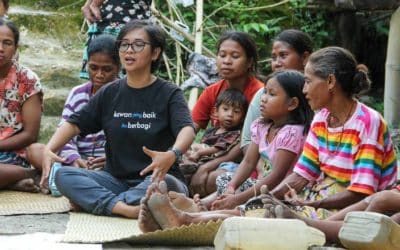
Learning how to live healthier in rural areas
Thanks to the Fair Future & Kawan Baik teams on site and the various publications that our two foundations have produced for them, we share a few hours in each group of houses, in each village where Fair Future and Kawan Baik have carried out one or more projects related to access to drinking water and to toilets and other sanitary facilities. Together, we learn the means available to the villagers to have a healthier life, with fewer illnesses, to eat and drink better, to wash more, to take care of themselves and one’s families.
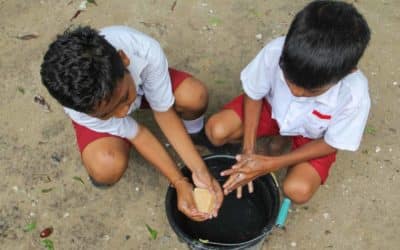
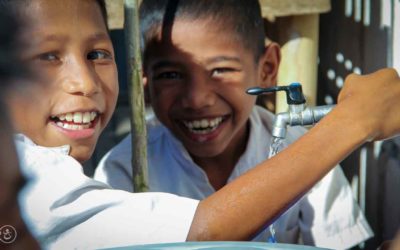
Washing hands to preserve health and life
Some forms of gastrointestinal and respiratory infections can lead to serious complications, especially in young children, the elderly, or people with weakened immune systems. This is why hand washing prevents the spread of disease. Indeed, many infectious and contagious diseases can be transmitted from one person to another through contaminated hands. These illnesses include gastrointestinal infections, such as salmonellosis, and respiratory infections, such as the flu, colds, and coronavirus (COVID-19). Washing your hands properly with water (when available) and soap will prevent the spread of germs, bacteria and viruses that cause these illnesses.
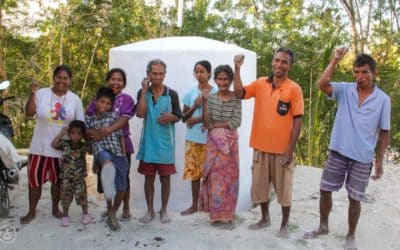
Building two new Water Tank – East Sumba, Mbinudita
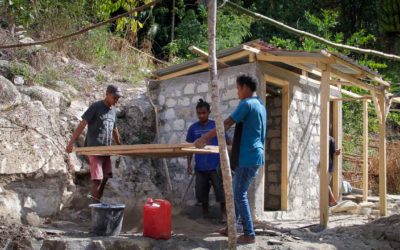
In these few images, the teams of Kawan Baik Indonesia and Fair Future Foundation, with the help of volunteers from the village, are building two new Ferro-cement tanks of more than 6000 litres, which in a few weeks will provide clean water to a group of houses. In all, a good thirty families here in the village of #Mbinudita, where our #sdmbinudita school is located.
Living without toilets and without water, Fair Future is changing that
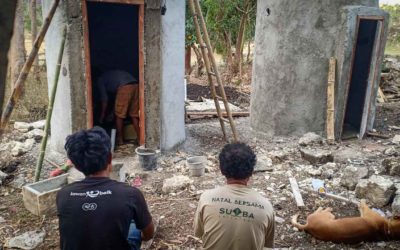
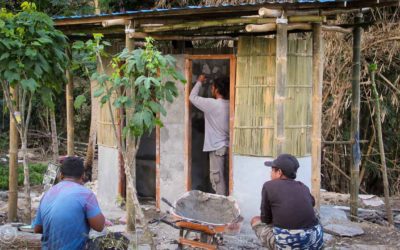
We are in the process of completing new clean water tanks and new sanitation facilities in Mbinudita. Our teams are on-site with the help of the entire local community, women, men and children who help us in this work. These infrastructures are made of Ferro-cement, like all the others, with the difference that we give the possibility to the villagers to choose the type of construction. Once again, this type of collaboration works wonders on site because it allows everyone to learn and work.
The 2nd sanitary facility of the village is almost finished
Although access to clean water continues to be a problem, it isn’t easy to ensure it is safe. In this sense, Fair Future is putting in place measures to ensure that it is sustainable. By tests, of course, filtration systems that use elements present in nature. But also, and above all, the education of users on “how to keep the installation clean and in optimal working order” is part of the “water Connections” program. On the other hand, it should be noted that individual practices also play an essential role in determining the quality of the water that we make available to the villagers here in East Sumba.
We create water connections, look…
The first idea was to treat people at the source of their health problems because our medical teams and us allow the expression: “-We were a little tired of giving medicine with a glass of inedible water. …”. And as we have told you many times before, the vast majority of patients who come to us are primarily because of the poor quality of the water they use. But also because they simply don’t have enough or no water.
The 1st toilets of the village are almost finished
Sanitary facilities, showers, toilets, a wastewater collection tank… This was a pilot project for the foundation. Today it is something normal. How do we build healthy, ecological, environmentally friendly sanitary facilities using mainly local materials (apart from sand, iron and cement)? How not to waste the water we found by drilling so deep here in Mbinudita? Where had drilling never been attempted? How to reuse wastewater to be able to water the gardens, the plants, and the vegetables that do so much good to and improve the lives of everyone here? It was a challenge, but it is now a reality.