
Children in rural Sumba often invent games and toys from natural or discarded materials, using imagination where manufactured toys are scarce.
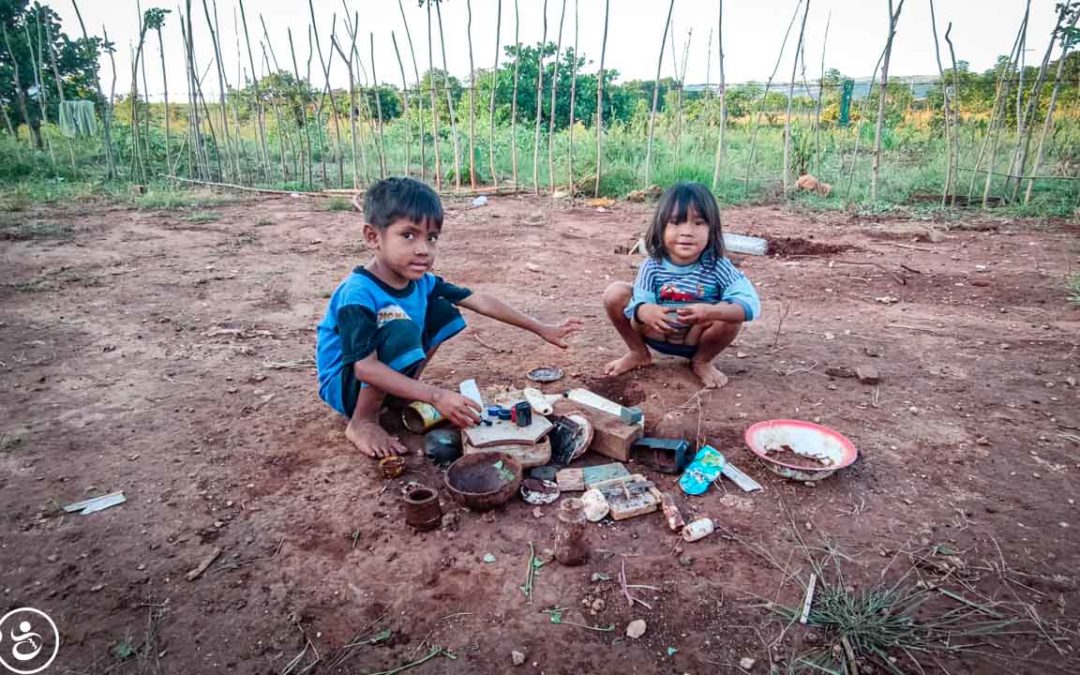
Inventing toys when you don’t have any
read more


Support Care
All projects
Field updates
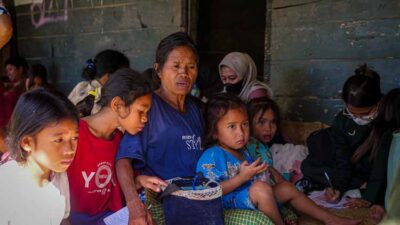
The Medical & Prevention category focuses on evidence-based field medicine and public health actions implemented in ultra-rural contexts.
It documents how primary medical care, disease prevention, and early intervention reduce morbidity and mortality where access to healthcare is absent. Articles address infectious diseases, maternal and child health, hygiene, vaccination, and community education, aligned with WHO recommendations. Beyond theory, this section presents concrete medical practices carried out on the ground by trained local health agents, highlighting how prevention remains the most effective and sustainable medical act in vulnerable populations.
Children in rural Sumba often invent games and toys from natural or discarded materials, using imagination where manufactured toys are scarce.
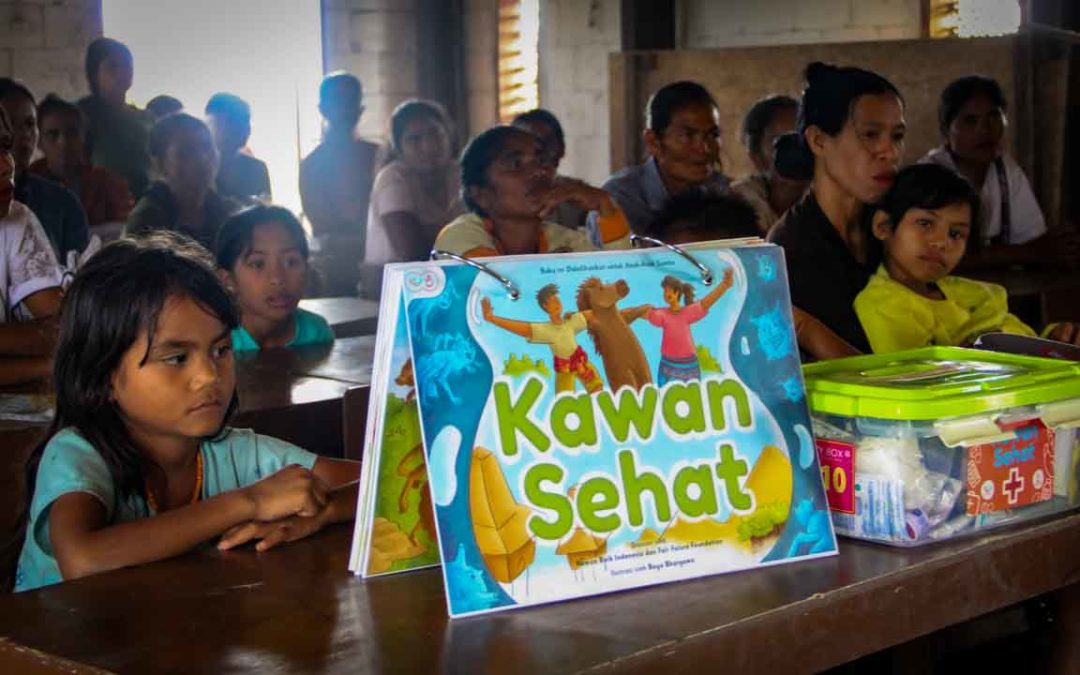
Children in remote East Sumba learn simple daily habits that can reduce illness and injury where access to professional healthcare is limited.
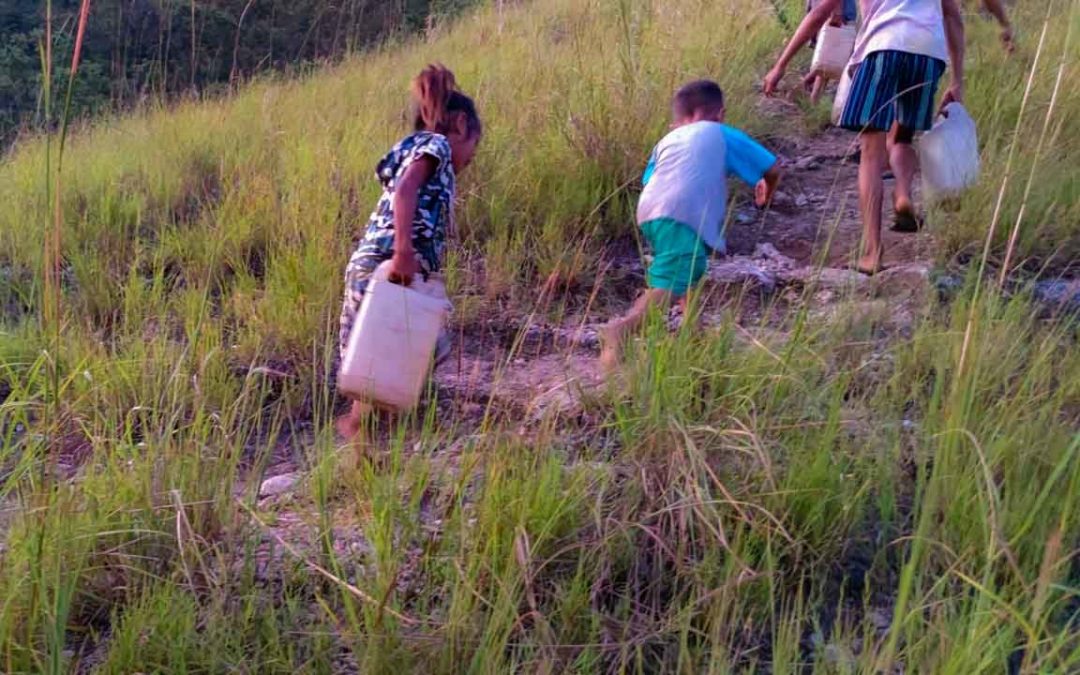
In remote East Sumba villages, young children often walk long distances carrying water for their families.
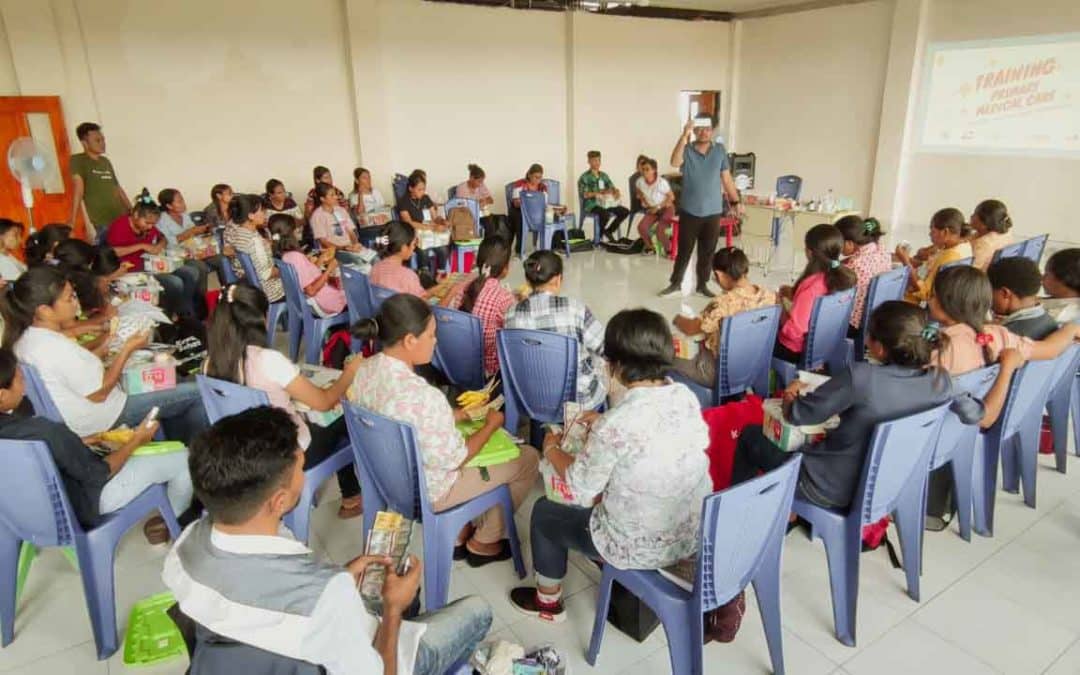
Teachers and community health workers learn practical first aid and primary medical care for villages where professional healthcare is hard to reach.

Thanks to the Fair Future & Kawan Baik teams on site and the various publications that our two foundations have produced for them, we share a few hours in each group of houses, in each village where Fair Future and Kawan Baik have carried out one or more projects related to access to drinking water and to toilets and other sanitary facilities.

This primary medical care program in ultra-rural areas, which we initiated and started last year, is extraordinary, it saves lives. Since December 2022, the participants in the primary medical care program – who are the village teachers – have been providing first aid to children and villagers. They treat wounds, diseases, malaria, dengue fever.

What does Sustainable Development Goals mean in a nutshell for Fair Future? Reduce poverty (and not eradicate it because it is impossible), increase access to basic and primary medical care, improve access to technology and knowledge, reduce the number of undernourished people, be better health, reduce antimicrobial resistance, provide quality…

Some forms of gastrointestinal and respiratory infections can lead to serious complications, especially in young children, the elderly, or people with weakened immune systems. This is why hand washing prevents the spread of disease. Indeed, many infectious and contagious diseases can be transmitted from one person to another through contaminated…

The magic of this “Primary Medica Care” program? It’s just that it’s unique in the world and it works. The first batch of sixty teachers who have followed the training in primary medical care in rural areas, tell us about their “exploits” and their work as rescuers. They take confidence in themselves it is the most important, and we note it.

Indonesian women play a vital role in water management due to their traditional responsibilities of collecting water, cooking, cleaning and raising children. These women from these ultra-rural areas of eastern Indonesia are strong. They represent tremendously well the strength and the courage it takes to survive here in this vast country.

To make it simple and short, we urgently need a lot of medicines (see the list attached in the post) and sanitary equipment such as antiseptics, dressings and other small miscellaneous equipment. Indeed, friends, all our stocks are almost finished because we have prescribed or used everything, which is a good thing.

Whether a minor skin injury or a severe life-threatening injury, all types of damage should be treated with first aid on the spot without delay, as it may save a life or a limb. Teachers in the poorest and most rural areas learn this with Fair Future’s medical teams.
