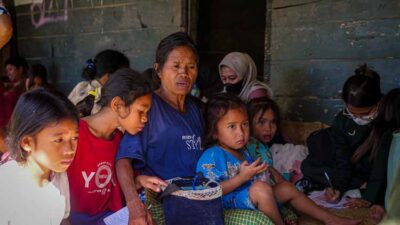
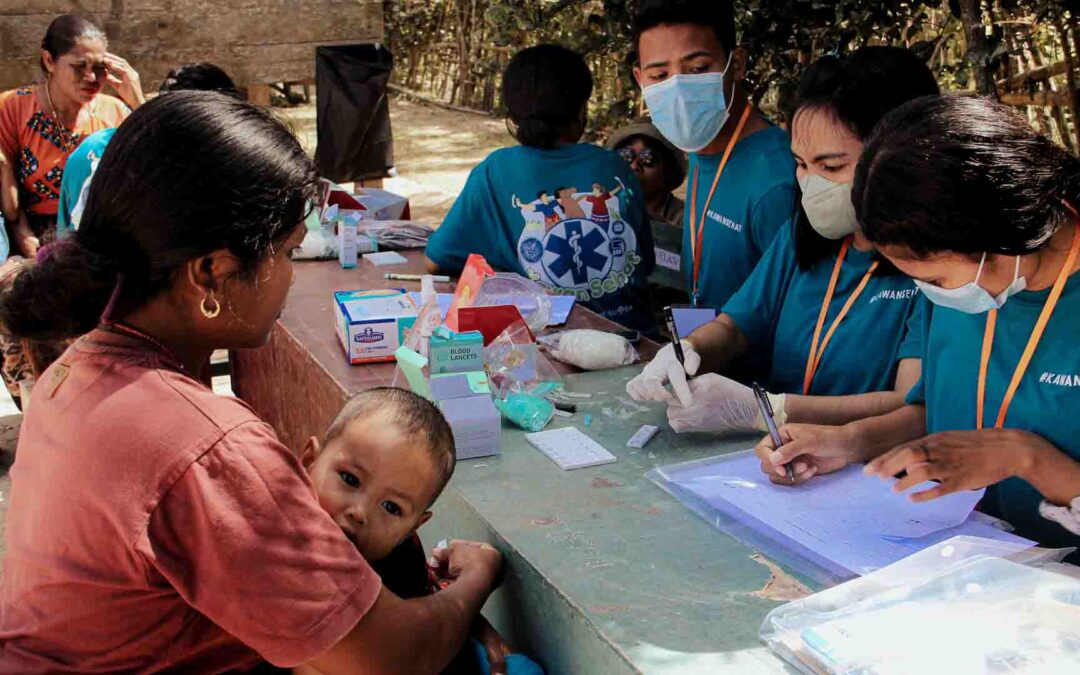
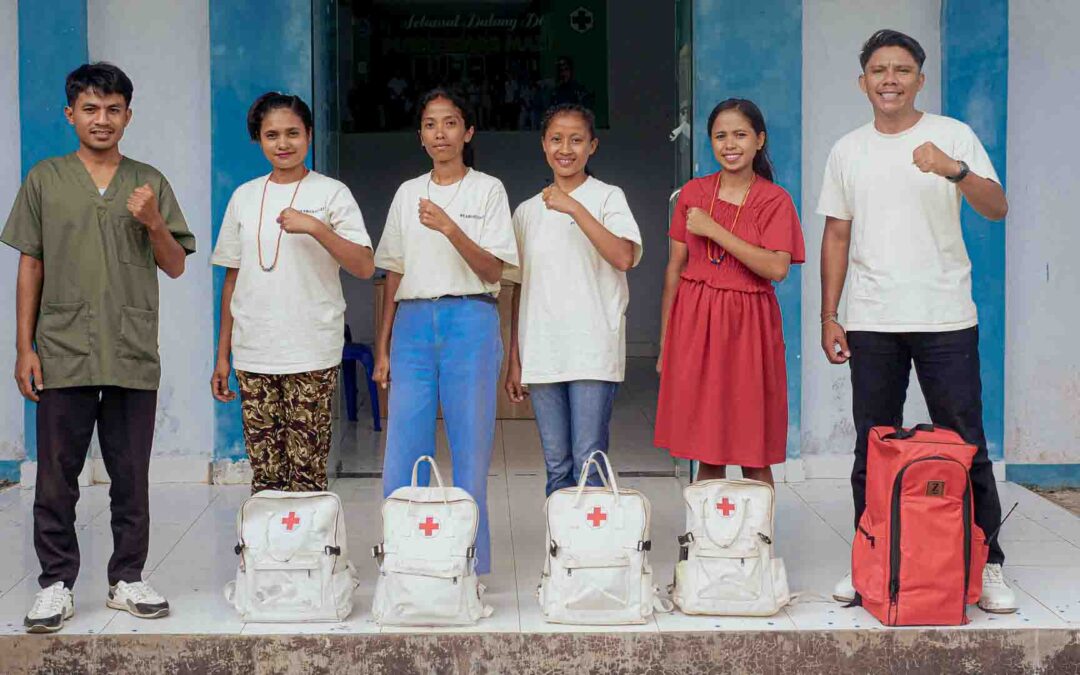
In ultra-rural regions, disease prevention is often the only medical barrier between families and severe illness. Education, hygiene and vaccination awareness reduce infections long before emergency care is needed, protecting communities where access to healthcare remains limited.
Medical & Prevention

The Medical & Prevention category focuses on evidence-based field medicine and public health actions implemented in ultra-rural contexts.
It documents how primary medical care, disease prevention, and early intervention reduce morbidity and mortality where access to healthcare is absent. Articles address infectious diseases, maternal and child health, hygiene, vaccination, and community education, aligned with WHO recommendations. Beyond theory, this section presents concrete medical practices carried out on the ground by trained local health agents, highlighting how prevention remains the most effective and sustainable medical act in vulnerable populations.
Latest field updates
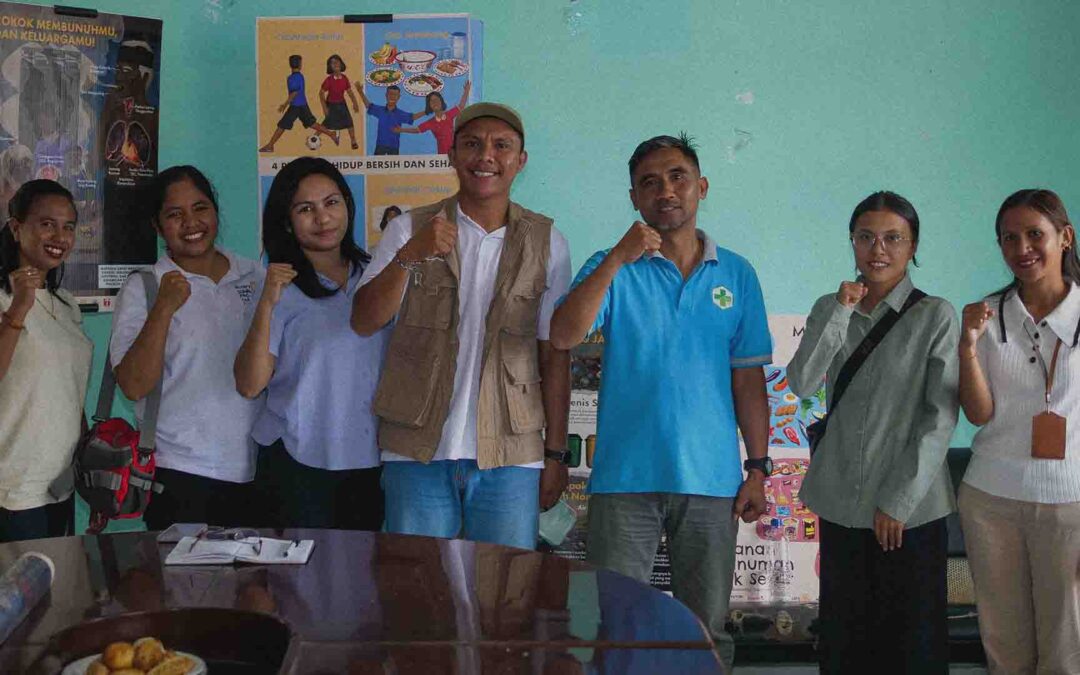
Kawan Sehat medical evaluation in remote East Sumba
A clinical assessment of how primary healthcare quality is maintained in remote villages of East Sumba. This article documents a structured medical evaluation of a community health agent, highlighting training, supervision, and data accuracy as key elements of safe rural healthcare.
No Access to Healthcare in Rural Areas | Clinical Reality
In ultra-rural regions, people do not die from rare diseases, but from delays and absence of care. Primary Medical Care restores continuity where systems stop, reducing preventable illness through presence rather than technology.
Skin infection prevention in rural Indonesia
Skin infections are not cosmetic. In ultra rural areas, small cuts, insect bites, or scratched skin can quickly become dangerous infections. Heat, dirty water, and delayed care increase the risk. Early cleaning and simple prevention save lives every day in the field.
Extreme heat health risks in ultra-rural care
Extreme heat is not just weather in ultra-rural communities. It is a medical risk that worsens dehydration, malnutrition, and infections. From the field, we see how simple actions and early recognition of heat illness save lives every day.
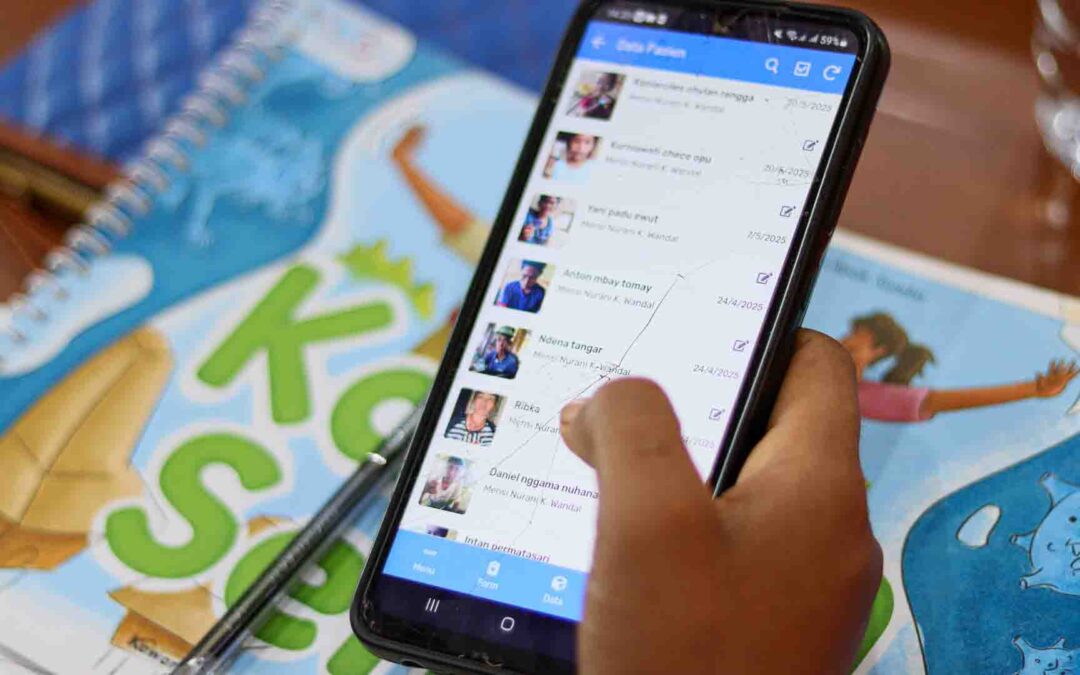
Kawan Sehat Medical App – Offline care in rural regions
In ultra rural Indonesia, access to medical care depends on distance, roads, and signal. The Kawan Sehat Medical App was created to change that reality by enabling trained community health agents to deliver structured primary medical care without internet access, while generating reliable medical data for long term action.
Hand Hygiene in Rural Indonesia | Disease Prevention
Hand hygiene rural Indonesia remains one of the most overlooked yet critical medical challenges in ultra-rural communities. Where water, soap, and sanitation are missing, infections spread easily. Education and simple infrastructure become powerful medical tools when healthcare access is limited.
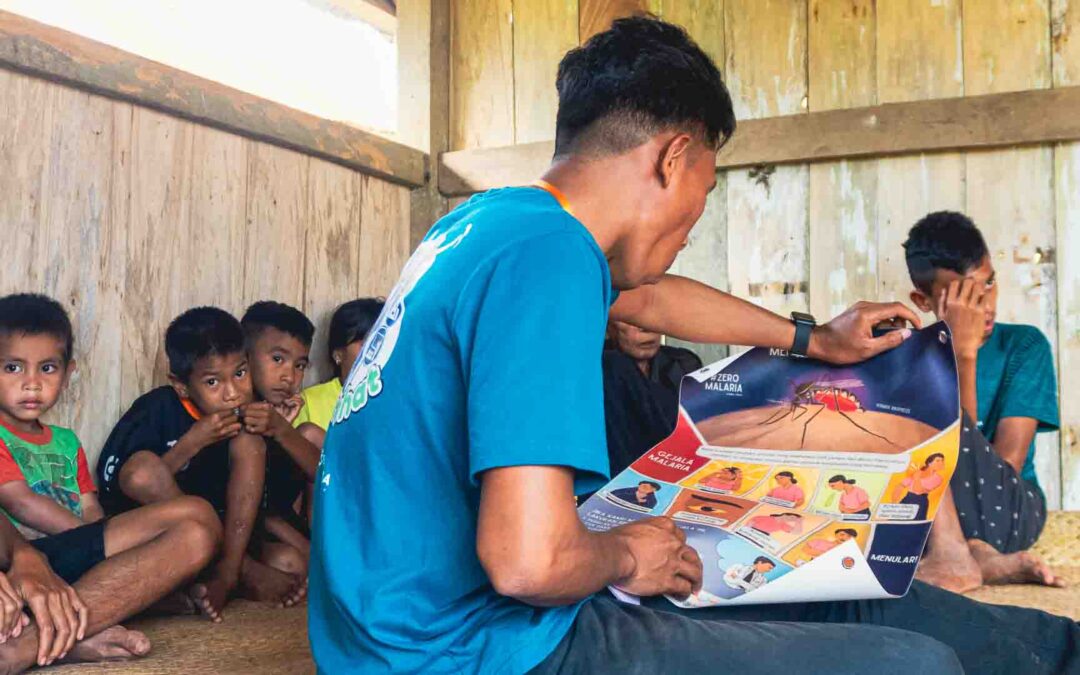
Malaria Screening in Rural Indonesia | Swiss Medical Fieldwork
Beyond the rapid test, each screening includes education, explanation, and practical advice. This moment of dialogue often becomes the first real medical consultation families have ever received, turning a diagnosis into immediate protection.
Kawan Sehat Ultra-Rural Medical Care in Eastern Indonesia
In eastern Indonesia, ultra-rural medical care depends on people who walk where vehicles cannot go. In regions cut off from roads, electricity, and doctors, Kawan Sehat health agents provide first-line treatment, prevention, and education. Their work fills the growing gaps left by under-equipped Puskesmas and overstretched hospitals.
HIV prevention poster campaign in rural Indonesia health
In East Sumba, Kawan Sehat health agents now carry a new tool the HIV prevention poster campaign. Used in homes, schools and small clinics, it explains in simple language how HIV is transmitted, how it is not, and which everyday actions protect families, partners and young people from infection and stigma.
Primary Medical Care East Sumba quarterly impact report
Primary Medical Care East Sumba is not a theory, it is 798 patients and 1,421 cases in three months, most of them children and women, treated where no doctor is present. Through Kawan Sehat agents, we bring first aid, medicines, prevention and referrals into ultra remote villages. Without this program, these cases simply stay untreated.
Malaria prevention billboards protect families in East Sumba
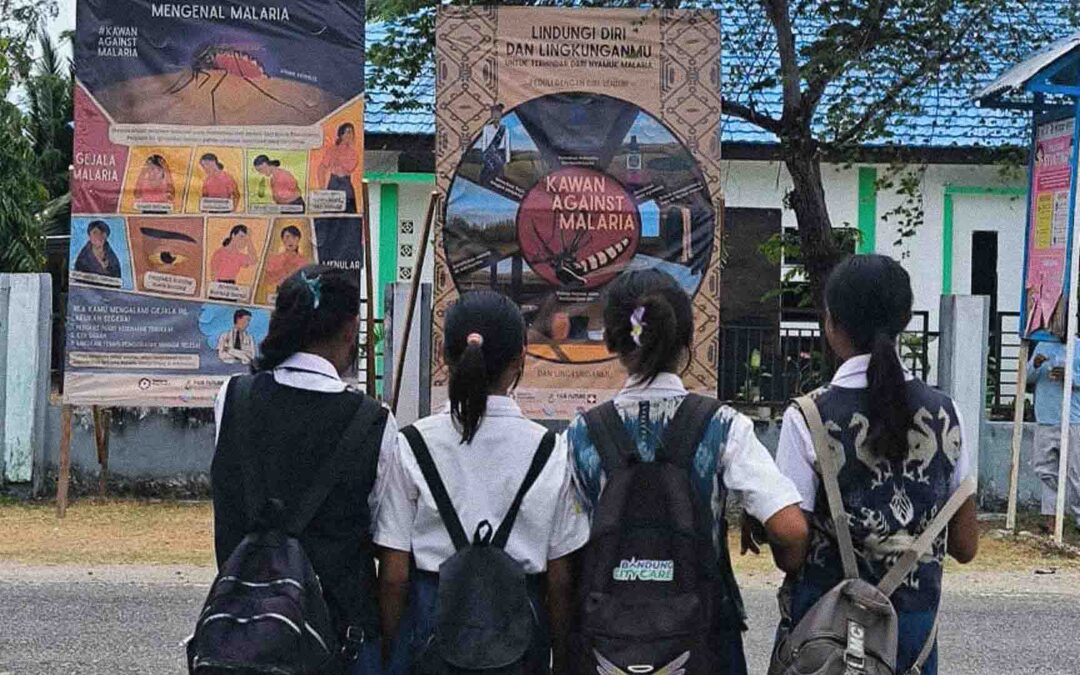
With the East Sumba Malaria Prevention Project and the support of Rotary and Malaria Partners International, Fair Future Foundation and Kawan Baik Indonesia built twenty malaria billboards for markets, schools and roadsides so that every journey becomes a health lesson about fever and protection.