FIELD REPORT · JANUARY 2024
The Laindatang water and health project outlined school sanitation, water storage, solar-powered pumping and health education in East Sumba. This field report records the next steps planned in January 2024.
A Road to Reach Laindatang
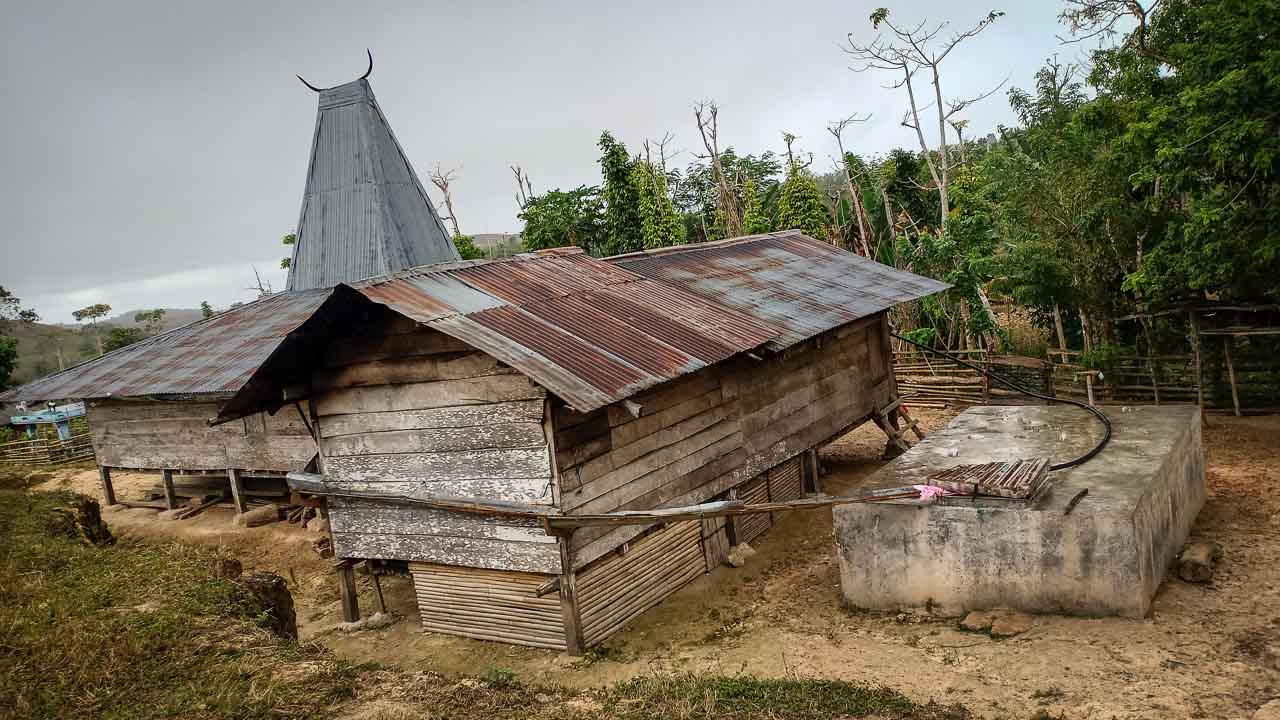
In Laindatang, East Sumba, access to water shaped almost every part of daily life. Families depended on rainwater and long journeys to collect what they needed. Washing, cooking and keeping children healthy were constrained by the water available at home. Our January 2024 field report recorded the next steps of the Laindatang water and health project, after the first work undertaken with the village.
With support from Rotary Australia, we had already repaired more than six kilometres of access road and built two bridges. Trucks, drilling equipment and our teams could reach the village. The first phase also brought reservoirs, sanitation facilities, rainwater collection and filtration, pipelines and hand pumps, alongside training and medical care. This initial work made it possible to organise the next stages with the community.
Water and Sanitation for the School
The next phase focused on the school and the families around it. The school served around 80 children at the time. The field outline proposed three reservoirs, four toilets, eight handwashing stations, eight sinks and a water point where residents could fill containers. The purpose was practical: bring water closer to the places where children learn and families live, and reduce the long walks to collect it.
The project proposals and drawings below record the facilities envisaged for this stage and their specifications.
Food, Hygiene and Health Education
Infrastructure was one part of the work. We also planned shared meals and nutrition activities, cooking and healthy-eating sessions, and a community garden. Workshops with teachers, children and families would connect the new facilities with daily practices: using toilets, washing hands and caring for the water brought home. These activities belonged alongside the clinical care and prevention work of Primary Medical Care.
Solar Power and a Water Source
The third phase combined electricity with access to another water source. Our field outline included a 2.5 kW solar installation, with most of the equipment donated by SMART ENERGY TECH. It was intended to supply lighting, computers and a printer at the school, as well as the submersible pump needed for the water system.
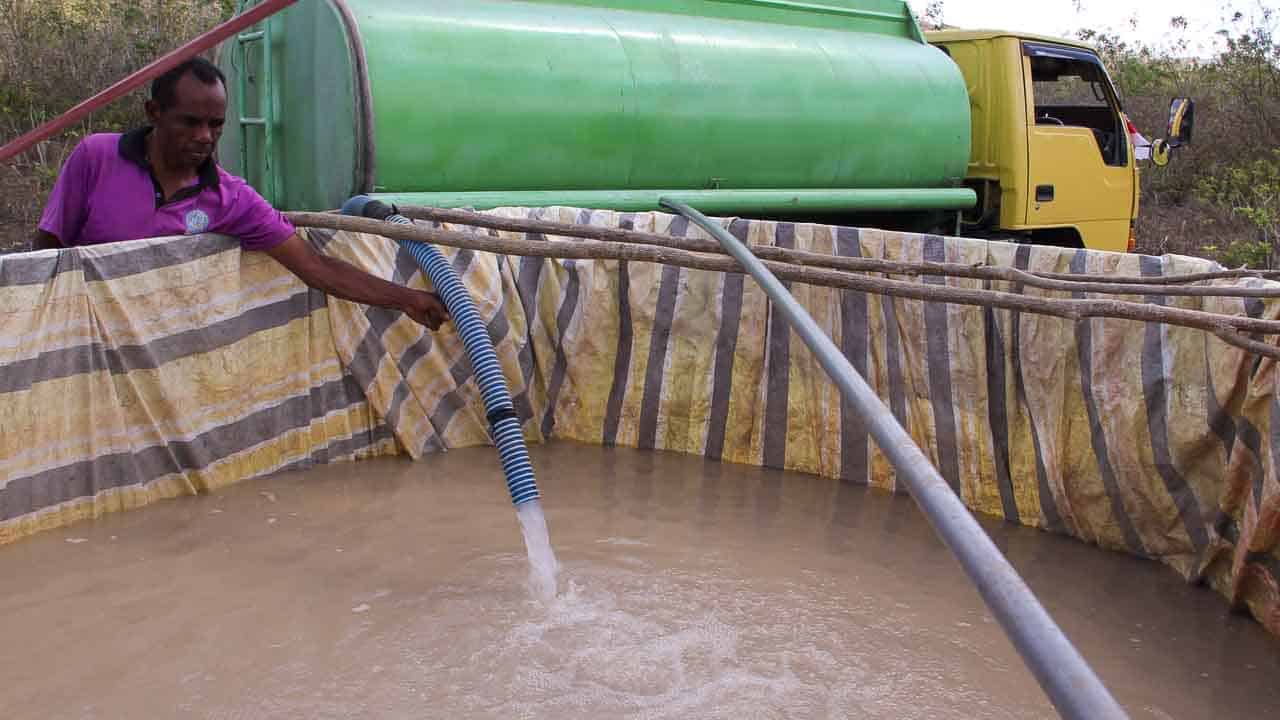
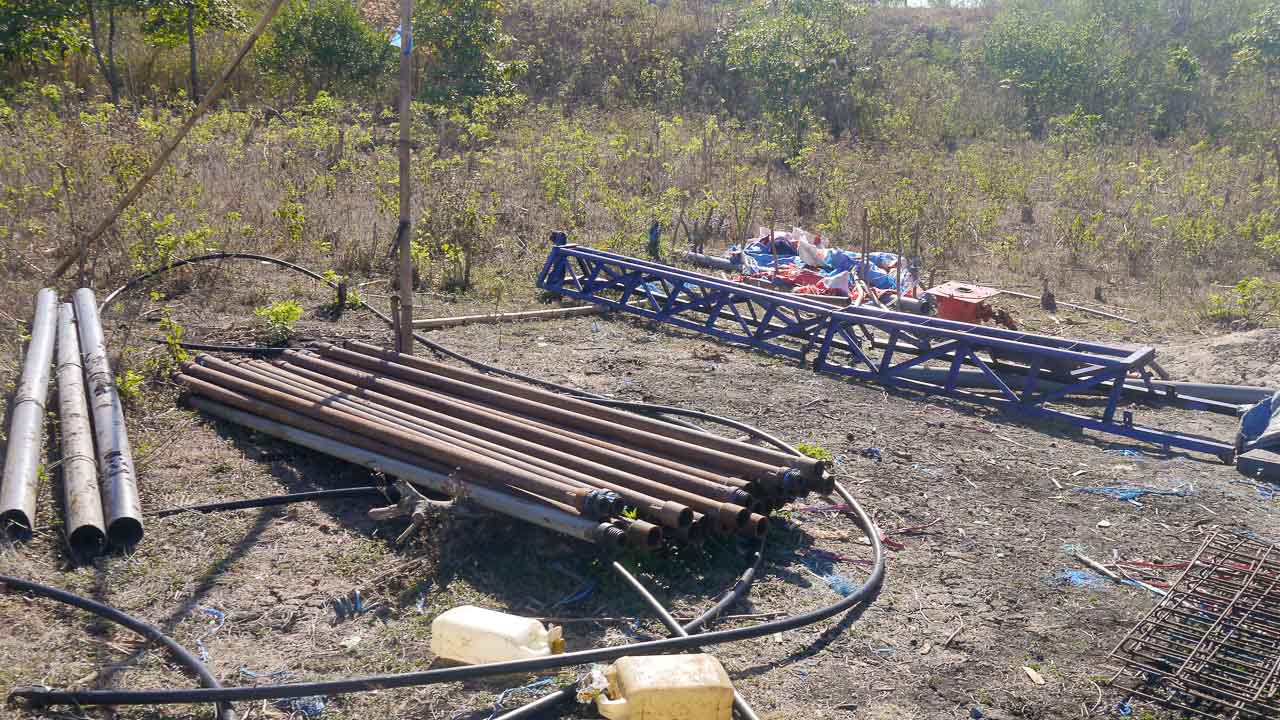
The team had identified a potential water source approximately 480 metres from the school, at a depth of about 55 metres. Developing it was part of the proposed work. A reliable supply was especially important during the long dry season, when families could no longer depend on rainwater. The planned system connected the source, pumping equipment, storage and the places where water would be used.
Building with the Community
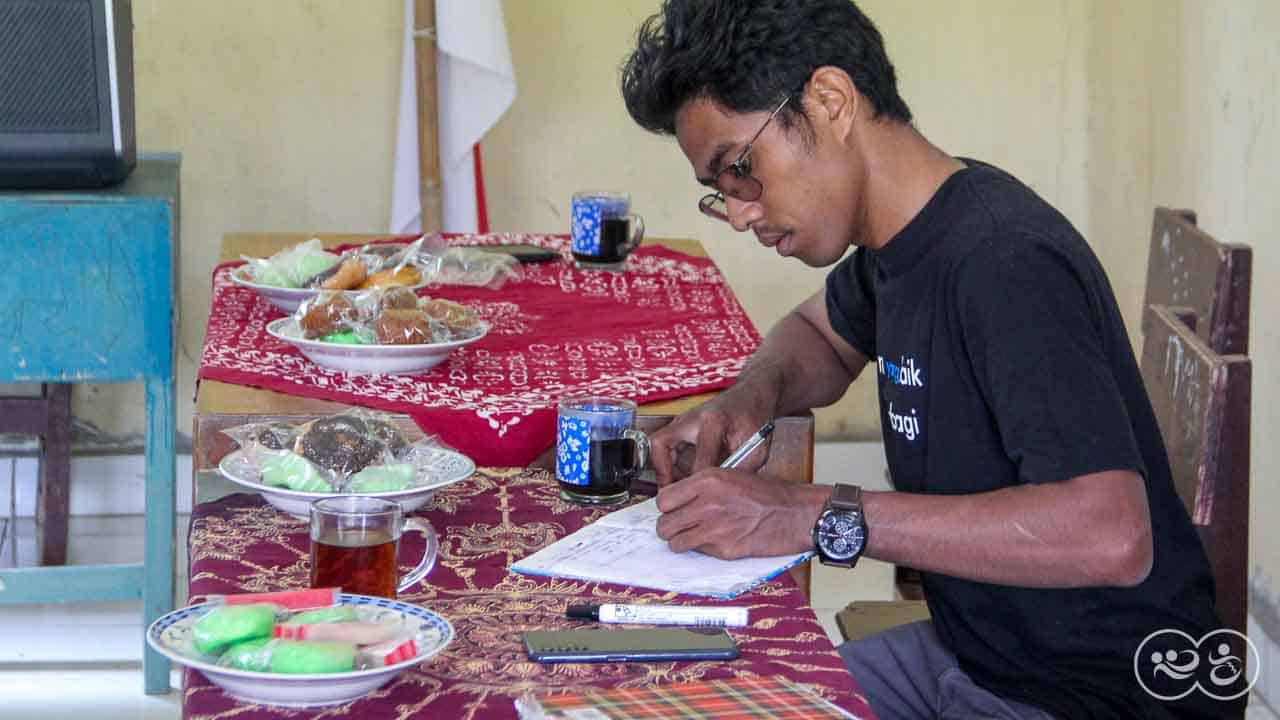
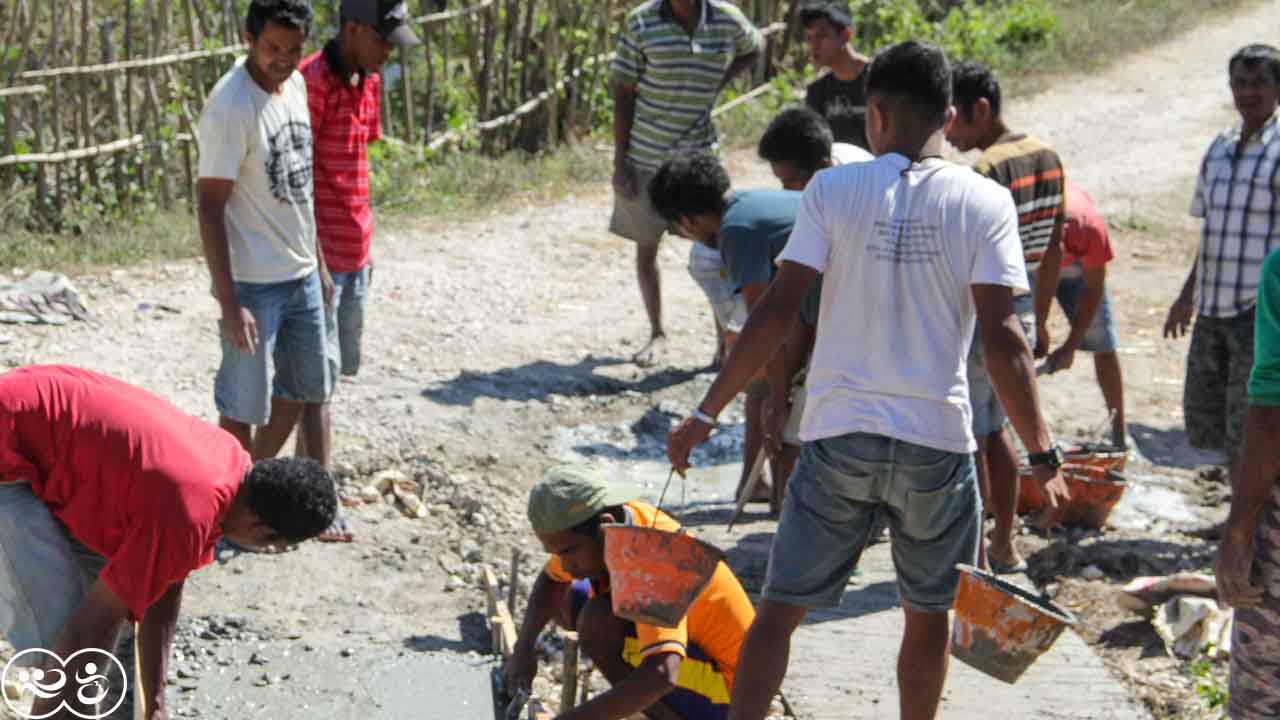
The field plan allowed roughly four months on site. Alex Wettstein, Primus, Ino, Elthon, Rinto and Adi were among the people named for the work, alongside a team of about ten people and around thirty village volunteers. Residents would take part in construction and learn how to maintain the installations. Their participation mattered to the use and care of the facilities after the building work.
As in Mbinudita, our intention was for the school to become a place where clean water, sanitation and health education served the wider community. Our medical team had described poor growth, malaria and the difficulties families faced without adequate water and hygiene facilities. We wanted clean water and sanitation to support families’ health alongside continued medical care.
Follow the Work
This article preserves the plans described at the beginning of 2024. The photographs and project documents below provide the field context. For the wider programme, visit Water Connections and Primary Medical Care. To support the teams, equipment and practical work with communities, see how to contribute to Fair Future’s work.
Alex Wettstein · Fair Future Foundation
East Sumba · January 2024
Project Documents
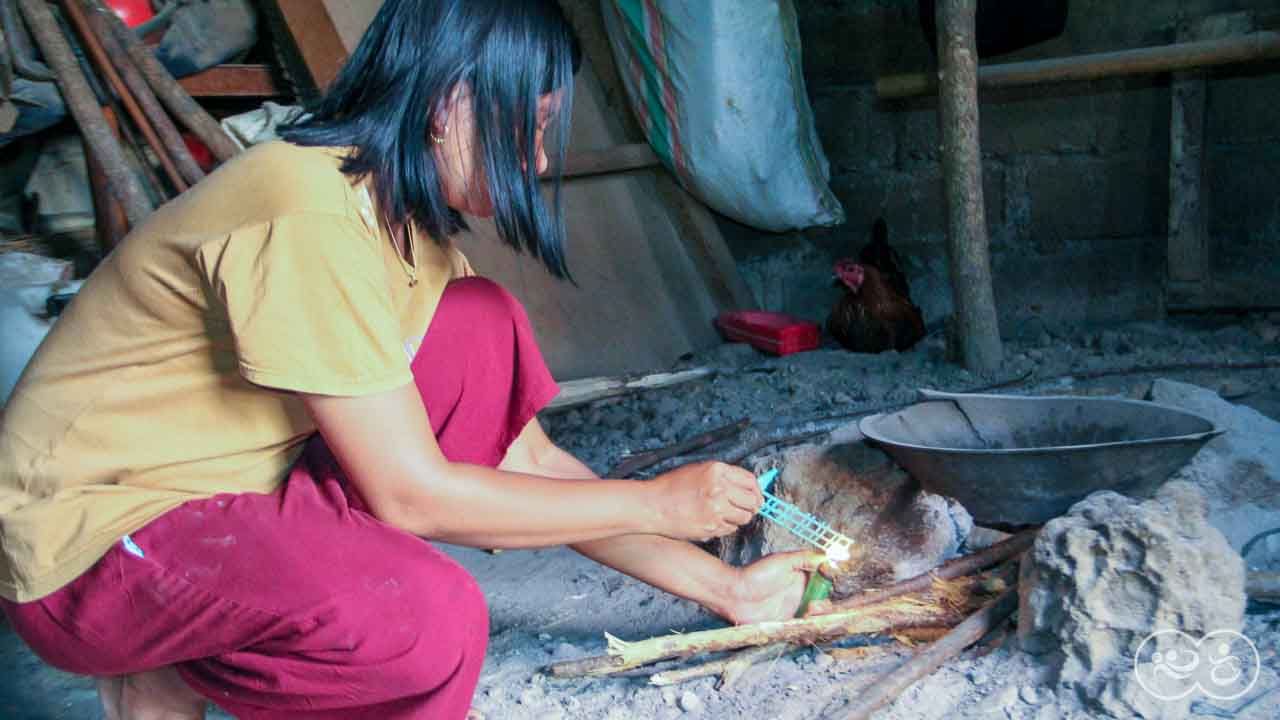
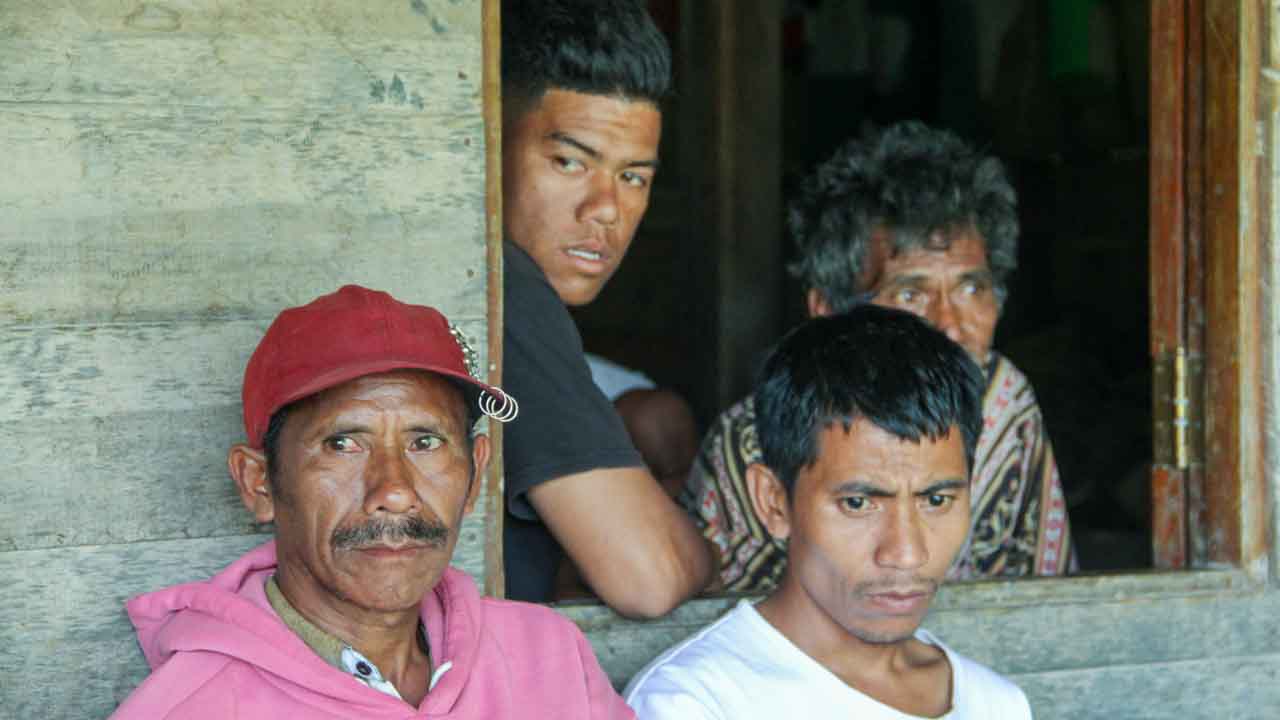
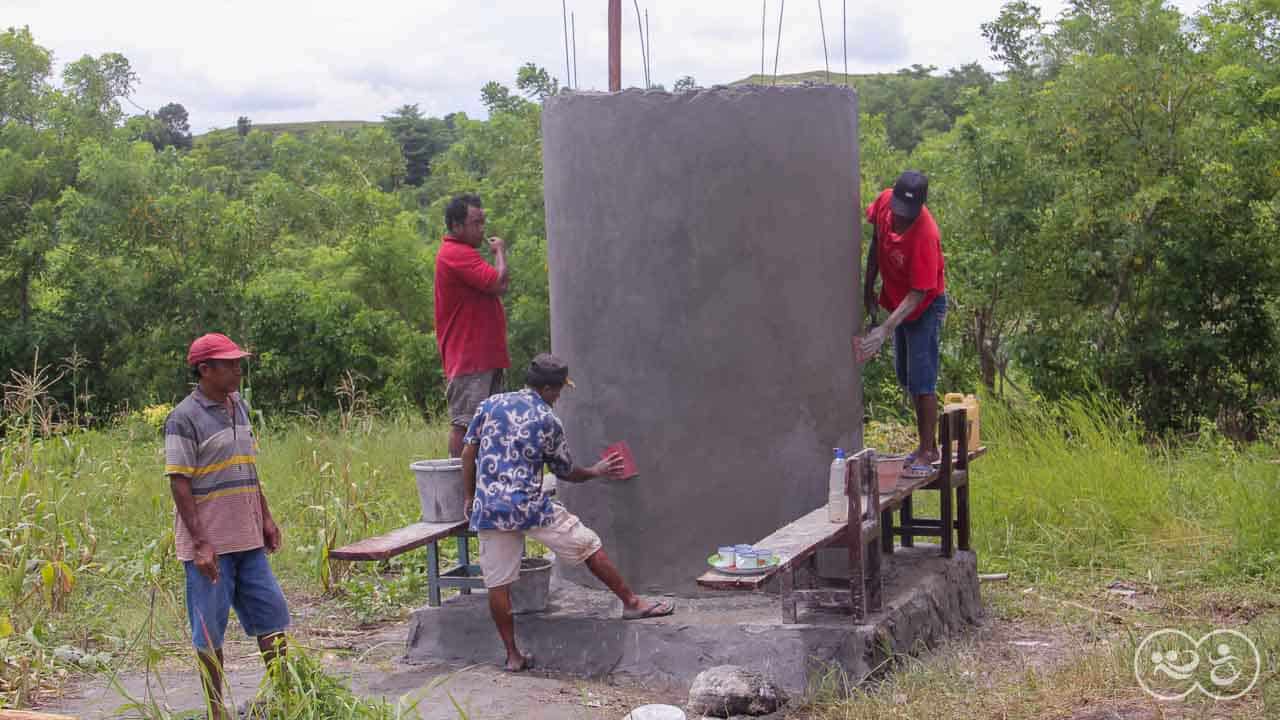
Photographs from Laindatang
Clean Water and Sanitation Since 2023
Community-Led Water Access in Laindatang
For more than three years, the Fair Future Foundation has been diligently operating in Laindatang, a secluded village in East Sumba that has long struggled with inadequate access to clean water, healthcare services, and essential infrastructure. With a population of approximately 300 residents, Laindatang stands as one of the most impoverished and isolated villages within the region. The village lacks roads, electricity, and medical facilities. To reach this community initially required us to construct an 8-kilometer access road ourselves.
In the face of challenges, we have remained steadfast in our dedication to delivering sustainable water solutions. Collaborating with the families of Laindatang, we’ve established several ferro-cement water reservoirs and enhanced sanitation facilities for the entire community. Additionally, at the village school, we’ve built a washing station equipped with nine sinks so that 80 children can now wash their hands using clean water. We’ve also renovated unusable old toilets to create a safe and hygienic environment for students. Prior to our efforts, this village lacked access both to running water and sanitary toilet facilities; today that’s beginning change thanks entirely due these initiatives from foundation indeed!
In May 2025, we are set to commence construction on a 110 cubic meter water reservoir designed to collect and store rainwater filtered through proprietary systems. This development will be transformative for Laindatang, offering an essential water source in an area where water scarcity is prevalent.
In 2024, from February through November, we embarked on a mission to drill for underground water sources in an effort to establish a reliable supply. Unfortunately, Laindatang is situated in one of the driest areas not only in Southeast Asia but potentially globally as well. Unearthing groundwater has been exceedingly challenging. Despite our dedicated efforts, we were forced to halt drilling operations temporarily. However, our resolve remains strong; we’ll restart drills with renewed vigor following the rainy season around July-August 2025.
This photo gallery encapsulates the essence of the #WaterConnections initiative in Laindatang, highlighting a profoundly human narrative filled with resilience, hope, and collaboration. Together with the villagers, we have built meaningful relationships through joint efforts—constructing reservoirs, taps, and toilets hand in hand. The community members are not just recipients of our programs; they have become part of our family.
In addition to water access, Laindatang plays a vital role in our Primary Medical Care program. The community benefits from two dedicated Kawan Sehat health agents who offer essential medical services. Furthermore, it hosts an anti-malaria center under our Zero Malaria initiative, providing families with enhanced protection against this deadly disease.
We take pride in our accomplishments to date, yet we recognize that much work remains ahead. Our commitment extends towards further expanding water access, enhancing healthcare services, and aiding the community in creating a healthier and more sustainable future. These images narrate our journey—a testament to trust, perseverance, and the belief that clean water is a right for all individuals.
We cordially invite all captivated by this story to explore our photo gallery, witness this extraordinary effort, and further engage with our mission through our Instagram account.
Alex Wettstein – Fair Future Foundation medico-social camp in East Sumba – Rumah Kambera, Lambanapu – The 17th of February 2025