


Donate
Support Care
Programs
All projects
Quick News
Field updates
Stories
Field stories
Fair Future Foundation, a Swiss-based non-profit, is an innovative force in global healthcare and social aid.
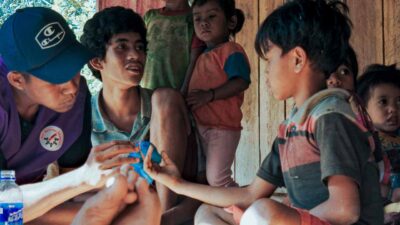
Learn more about our mission and how we work in the field.
We work in some of the most remote regions of Southeast Asia, where there are no doctors, no electricity, and often no clean water. For over sixteen years, Fair Future has been on the ground, creating long-term medical and social solutions with the communities who live here.
Through the Primary Medical Care programme, we treat wounds, infections, HIV, malaria, tuberculosis, and chronic illnesses directly in remote villages. With access to clean water, safe reservoirs, and nutritional support, communities can finally prevent disease rather than suffer from it.
Our approach is simple: stay close, listen, understand, and act with science and solidarity. Every action we take aims to strengthen families, improve health, and reduce preventable deaths.
Your support sustains this work. It transforms long days in the sun, muddy roads, and emergency care into measurable change for those with nowhere else to turn.
Help deliver medical care where no doctors work
Every contribution funds direct care in remote villages. Medicines, wound treatment, diagnostic tests, clean water systems, and solar-powered cold chains to protect vaccines and enable care at night.
Explore our field work and medical reports
Search our articles, field stories, medical updates, and project reports from the ground
Stories from the Field
Real moments from our medical and humanitarian missions in ultra-rural Indonesia. Nothing arranged — just life, as we live it with them.
 ▶
▶
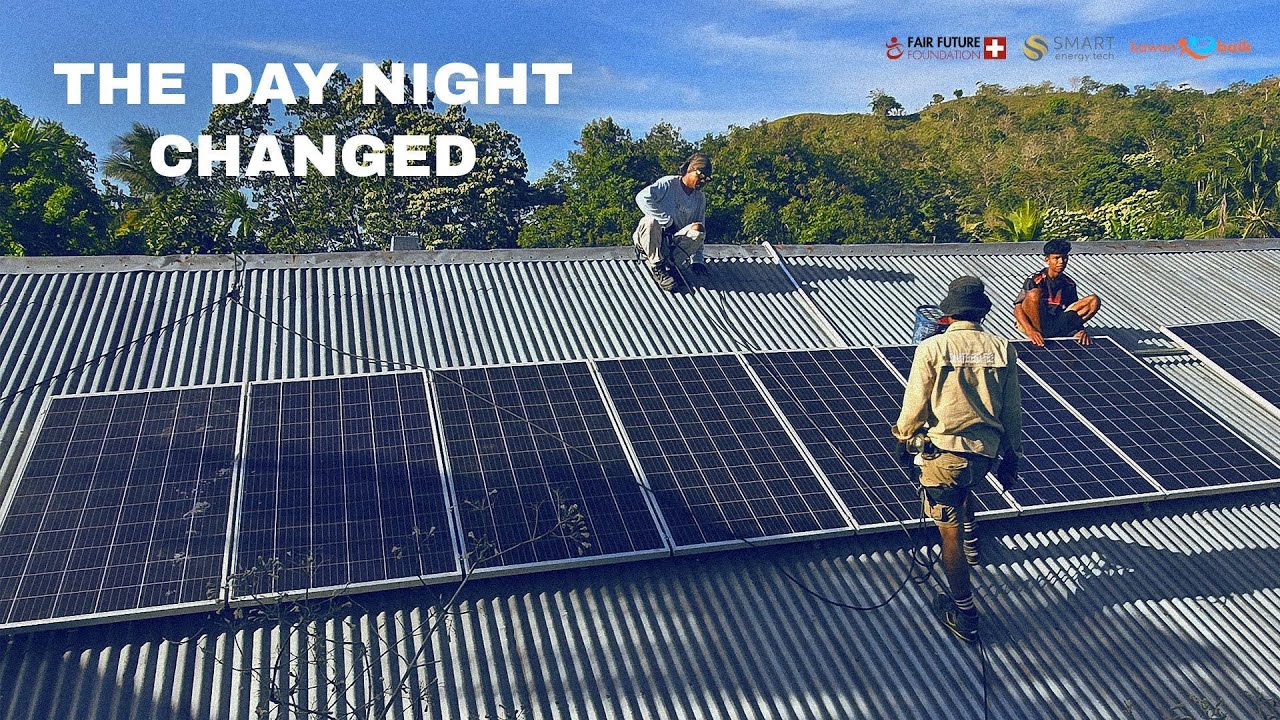
Nov. 2025 | The Day Night Changed
The film The Day Night Changed is now online. It shows how Mbajik School in East Sumba received electricity for the first time after five days of hard work with Smart Energy Tech and the villagers. The final scene shows the first cinema night ever held in Haray.
View the film on YouTube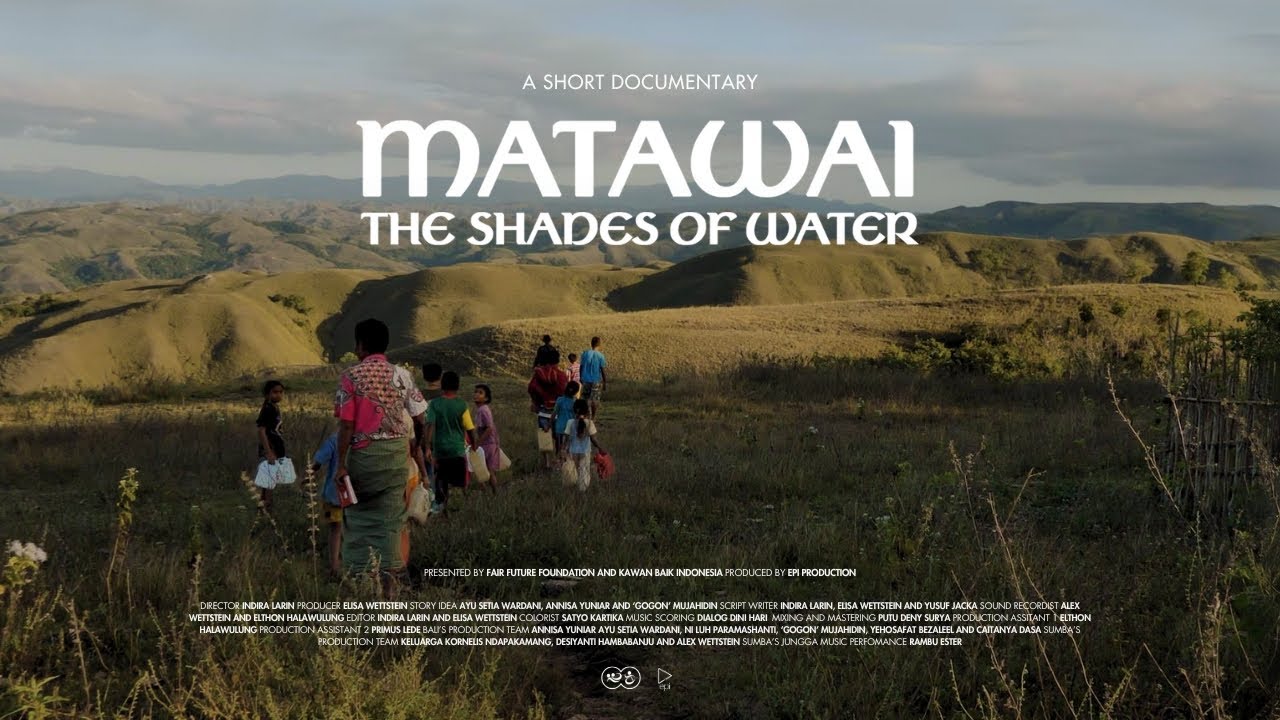 ▶
▶
Matawai, The Shades Of Water
Produced by Fair Future, this 15-minute documentary examines the daily struggle for access to water in the ultra-rural eastern Sumba region. Matawai reveals how the lack of clean water affects women and children, while also highlighting the vital impact of Fair Future's Water Connections programme.
Watch Matawai on YouTubeHow your donations are used?
Fair Future directs 93% of every donated franc to field projects, including medical care, clean water systems, and malaria prevention. Full financial reports are published and audited annually
%
Social and medical actions
%
Fundraising work
%
Field operations and management
WHAT WE ARE DOING NOW
Field stories of wounds treated, clean water built, and families protected
These articles are not reports — they are moments from the field. They show how we care for wound infections, bring clean water to villages, train health agents, and travel days to reach isolated families. This is the reality of our medical work.
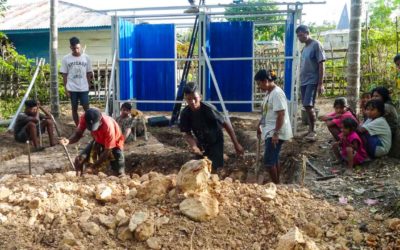
Bringing Sanitation to an Underserved Village in East Sumba
The image illustrates our ongoing project: the excavation of a septic tank. This is the very first step towards the installation of the first-ever sanitation infrastructure in the village's history. Our goal is to reinforce the health and well-being of the families in this community. In closely associating ourselves with the villagers, a core principle in our approach, we work hand in hand to provide them vital access to water and sanitation facilities, despite their isolation in the eastern part of Sumba.
For several months now, our organizations – Fair Future and Kawan Baik – have favored constructing lightweight steel facilities. This decision is based on hygiene, maintenance, and construction efficiency grounds. The entire structure (in this case, two toilet – shower stalls) is constructed at the Fair Future Foundation’s base camp in Waingapu, called Rumah Kambera. We then transport the dismantled structure to the site of installation. It takes about a week for our team to operationalize an installation like this, followed by one to two weeks dedicated to finishing and aesthetic touch-ups.
In this underprivileged environment, families lack access to basic services, needs such as access to water or electricity are non-existent. During the dry season, when rainwater tanks are almost empty, they must travel miles to collect just a few litres of often unsuitable water. See the related #waterconnections posts here.
In the village of Laindatang, inhabitants have never had the privilege of a working shower or toilet. The enthusiasm and joy are palpable as they witness the construction of these new facilities, bringing them a simple feeling of happiness.
This installation will also contribute to reducing infectious diseases caused by the absence of adequate sanitation facilities in the village. This will likely lead to an increase in the quality of life for the villagers, a reduction in the time spent gathering water, and promote overall community health and well-being. This initiative is more than just building sanitation facilities. It symbolizes the start of a new chapter for Laindatang, signifying change and development towards a healthier community.
Thus, the work of Fair Future and Kawan Baik extends beyond physical construction, promoting progress, health, and hope for the future.
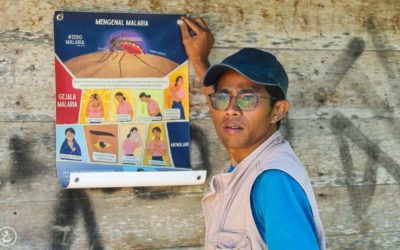
#ZeroMalaria, to eradicate malaria in Laindatang
Fair Future Foundation, in collaboration with Kawan Baik Indonesia and Sumba Volunteer, is working to combat malaria in the highly affected region of East Sumba, Indonesia. Through their program, they aim to provide screening, prevention, and treatment to the remote village of Laindatang. The mission seeks to save lives and target vulnerable groups, such as children and pregnant women. Join them in their fight against malaria and help make a difference in East Sumba.
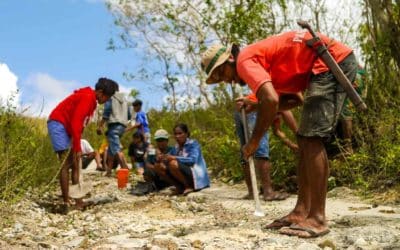
The access to the village is a hope for a better life
Discover the remarkable progress in our ongoing construction and repair efforts on the road to Laindatatang village in East Sumba. The Fair Future Foundation has been at the forefront, meticulously coordinating and overseeing this significant project for months. We’re thrilled to share that material trucks and tanker trucks can now effortlessly reach the village.
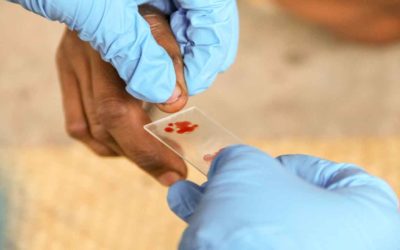
The #ZeroMalariaSumbaTimur program has been successfully implemented
In a concerted effort to fight the endemic scourge of malaria, the Swiss Fair Future Foundation has embarked on an extraordinary mission – the #ZeroMalariaSumbaTimur program. This groundbreaking initiative is taking place in the heart of Southeast Asia, specifically in the remote and underserved eastern expanse of Indonesia known as East Sumba.
Having already screened and treated 2500 individuals across three severely malaria-affected villages in East Sumba, our undertaking is underscored by a tangible impact. This formidable feat, orchestrated through the synergy of committed individuals such as Alandio, Ino, Elthon, Alex, Ayu, Annisa or Ayu, resonates as a testament to unwavering dedication. Over seventy staunch contributors, bolstered by fifty fervent volunteers from diverse corners of Indonesia, assemble with a shared sense of purpose.
Collectively, we have curated a multi-disciplinary team of skilled nurses, physicians, and laboratory specialists, amplifying our medical outreach. This coalition is complemented by clever logistics and data management, facilitated by an innovative application collaboratively developed by the Fair Future and Kawan Baik Foundations.
The core of our effort extends beyond the simple detection of malaria; our priority lies in education and prevention. Empowering communities with knowledge and awareness is our ultimate goal. We disseminate vital information about this dangerous disease through immersive workshops and interactive sessions. Armed with this understanding, individuals cannotntify the symptoms of malaria but also take quick and informed action to avoid potential complications and even death, safeguarding their well-being and others—their relatives.
The tangible impact of this initiative ripples through the lives we touch. Early identification and effective malaria management have resulted in life savings. Additionally, our efforts extend to enlightening local healthcare providers, equipping them with the essential tools and resources for a decisive battle against this relentless disease.
Yet our journey is not free of challenges. Negotiating the region's labyrinthine topography, working with limited resources, and transcending language barriers requires inventive methodologies and a deep sensitivity to indigenous cultures. Establishing a foundation of trust within our communities is an indispensable facet, fostering the adoption of preventive measures and a tendency to seek prompt medical intervention when needed.
We invite you to join our collective effort in the fight against malaria. Hand in hand, we can create a transformative impact, save lives and shape a radiant tapestry of possibility for everyone.
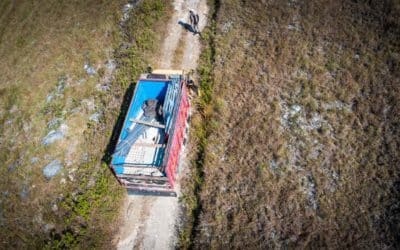
Awesome! The first loaded truck arrives at Laindatang
This new "Picture of the Day" shows you the truck climbing the steep slope that leads to the village of Laindatang, which is ultra isolated, where a hundred families live without electricity, water, and very little food. This first truck transports construction materials and healthy sanitary facilities, which our teams have manufactured at the Rumah Kambera base camp.
We're excited to announce a significant milestone in our mission to create a positive impact! Despite facing difficult conditions and encountering broken promises, our unwavering dedication to improving the lives of impoverished villagers has prevailed. After days of arduous road repairs, we are proud to share that a truck laden with essential construction materials has finally reached the remote village of Laindatang. This remarkable achievement, made possible through the unwavering support and resilience of the villagers, marks a crucial step in providing vital resources and support to a community lacking necessities.
The road to the village presented numerous challenges, with its treacherous slopes and slippery terrain. Our team, armed with determination and their bare hands, overcame these obstacles with unwavering resolve. Though we encountered setbacks, including a failed attempt and broken bolts, our determination never wavered.
Two months ago, we were promised assistance by the department responsible for road infrastructure, but regrettably, their support never materialized. Nevertheless, we refused to be deterred from our mission of bringing essential resources and support to the impoverished villagers, who live in extreme poverty, deprived of electricity, clean water, and sanitation facilities – Ref: Water Connections Program here.
Yesterday, as the truck conquered the treacherous slopes, an overwhelming sense of joy and accomplishment washed over us. It was a moment that infused hope and happiness into the previously isolated village of Laindatang. I was moved to tears, knowing that I had dedicated nearly a year of my life to bringing this project to fruition.
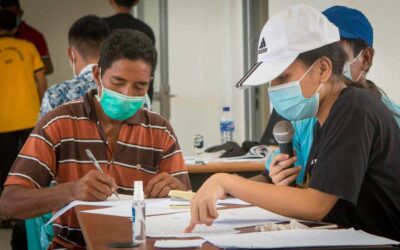
Together, we are joining forces in a powerful effort to combat malaria
A collective initiative against malaria is currently underway in East Sumba, Indonesia. Fair Future, kawan baik, and Sumba Volunteers have joined forces with over 100 volunteers, including doctors, nurses, laboratory technicians, water experts, builders, and government officials. Their primary objective is to eradicate malaria entirely within a practical period, focusing on prevention, diagnosis, and treatment methods.
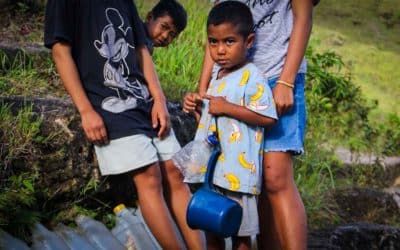
The #WaterConnections project in Laindatang has started!
In this new "Picture of the Day", we witness the difficulties faced by young children in East Sumba as they search for clean water. These children must travel quite a distance from their homes to reach the kullups (small stone basins dug directly into the rocky terrain by villagers to collect and hold rainwater in rural areas). Unfortunately, it is unlikely to rain for the next nine months, and the children must walk over ten kilometres to obtain just a few litres of water to sustain themselves; kullups are dry now.
Presently, families in Laindatang endure arduous journeys, spanning miles and lasting over 10 hours, to obtain meagre quantities of drinking water. With a daily allocation of fewer than 2 litres per person, individuals must make profound sacrifices as this limited supply must accommodate drinking, eating, personal hygiene, and sanitation needs.
Malaria ravages the village, exacerbating the adverse effects of infectious diseases, particularly among children under five. The urgency of the health crisis necessitates immediate intervention. In collaboration with Kawan Baik and local authorities, Fair Future is committed to launching a comprehensive Water Connections project, addressing the pressing need for clean water in the village with utmost urgency.
Commencing at the end of June 2023, Fair Future embarks on an extraordinary #waterconnections project in Laindatang. This initiative heralds a transformative change and instils immense pride within our organization.
Laindatang residents rely on rainwater collection during the rainy season to meet their clean water requirements. However, limited knowledge and resources impede this method, significantly contaminating water reservoirs. During the dry season, their options are limited to accessing water from the Kulub—an artificial pool nestled within a rock formation—or purchasing tank water from a select few companies.
Regrettably, accessing water becomes increasingly challenging throughout the year, with only a handful of companies willing to deliver to the village. Transport obstacles frequently result in spilt water, further diminishing the already scarce supply upon arrival in Laindatang.
For the villagers, access to clean water is a matter of survival. They currently store rainwater in unclean, contaminated, and hazardous tanks. Though this remaining water sustains them for drinking, eating, and survival, it will be depleted within weeks as the dry season commences. Tragically, this water is tainted, infected, and carries life-threatening diseases such as Malaria, Cholera, Dengue, Typhoid fever, Hepatitis A, and Guinea worm disease. Additionally, prevalent diarrheal diseases like E. coli and rotavirus, caused by contaminated water, pose a severe risk, particularly to children, leading to dehydration and even death.
You have the power to help us realize this vital project, which is indispensable for hundreds of families. If you desire, your generous donation dedicated to the #waterconnections project in the village of Laindatang would be warmly welcomed. We extend our heartfelt gratitude and appreciation to all those willing to contribute. With your support, we can bring love, hope, and clean water to the deserving community of Laindatang.
To access information about our implementation, you can download and read the presentation in PDF format by clicking this link.
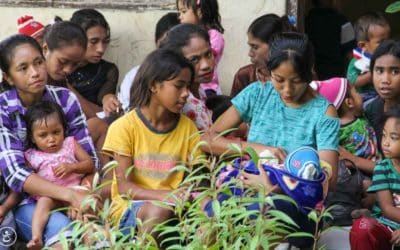
Malaria Program – Preparing and Mobilizing Resources
As we mentioned in last week’s newsletter, Fair Future Foundation, Kawan Baik Indonesia, and Sumba Volunteer are joining forces to launch a crucial health and medical operation to combat malaria in the Mahu region of East Sumba, Indonesia. The “Malaria Prevention Initiative 2023 – Sumba Timur 2023” aims to prevent, detect, and treat this devastating disease in one of the most affected regions. Malaria has become endemic in this area, establishing itself and finding a conducive environment for its spread, leading to an unprecedented increase in cases in recent months.
OUR 2025 IMPACT IN REMOTE VILLAGES
Medical consultations delivered in ultra-rural villages where no doctor, no clinic, and no alternative care exists.
Litres of safe water storage built or funded, helping families drink, cook, and wash without preventable disease.
People reached through daily health education on hygiene, malaria prevention, clean water, and basic nutrition.
Children who can now study, read, and move safely after dark thanks to clean, reliable solar light at home and school.
Annual Report 2025– 18th Years of Concrete Action
Read Fair Future’s 2025 Annual Report, our detailed record of fieldwork in East Sumba: primary healthcare, clean water access, nutrition, education, and community action in the most isolated areas. The 2025 Annual Report is now available in French and English.
→ Open the 2025 Annual Report
Discover our work in images
Fair Future Foundation – Field Documentation
Keep in Touch via Instagram
Real moments from our medical, water, and community missions in ultra-rural Indonesia. Nothing staged — just the daily reality of our work on the ground.