
Donate
Select Page

We have compiled a list of articles and pages for this topic

The Fair Future Foundation in East Indonesia combats social and medical injustice and aims to ensure everyone has access to healthcare, clean water, and education. Join us in making a difference.

· Research

Sumba Sepsis Study 2026 dashboard goes live

The public dashboard lets readers explore survey findings from 1,001 households in remote East Sumba in English and Bahasa Indonesia. Read →

1 / 10
Water Connections Project for Lapinu Set for 2025

Water Connections Project for Lapinu Set for 2025

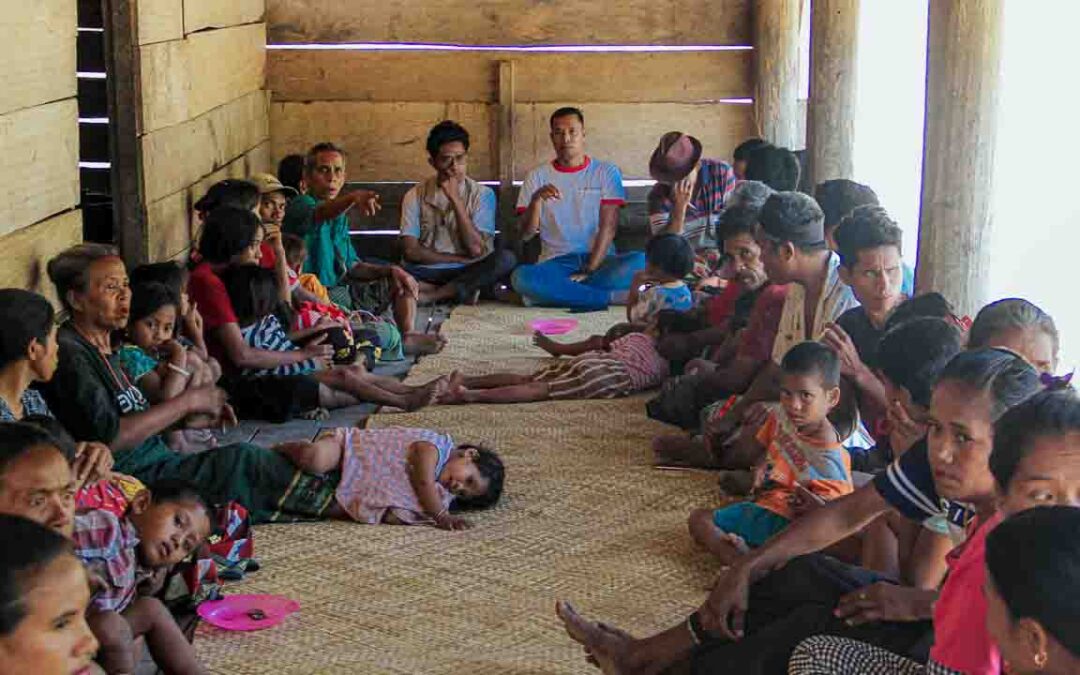
We’ve completed two days of project studies in the ultra-rural village of Lapinu and hope to begin a six-month Water Connections program in January 2025. The project will provide clean water infrastructure and a well for nearly 60 families living in extreme isolation. More details to come soon!
read more
Laindatang School’s New Handwashing Facility Fights Diseases

Laindatang School’s New Handwashing Facility Fights Diseases

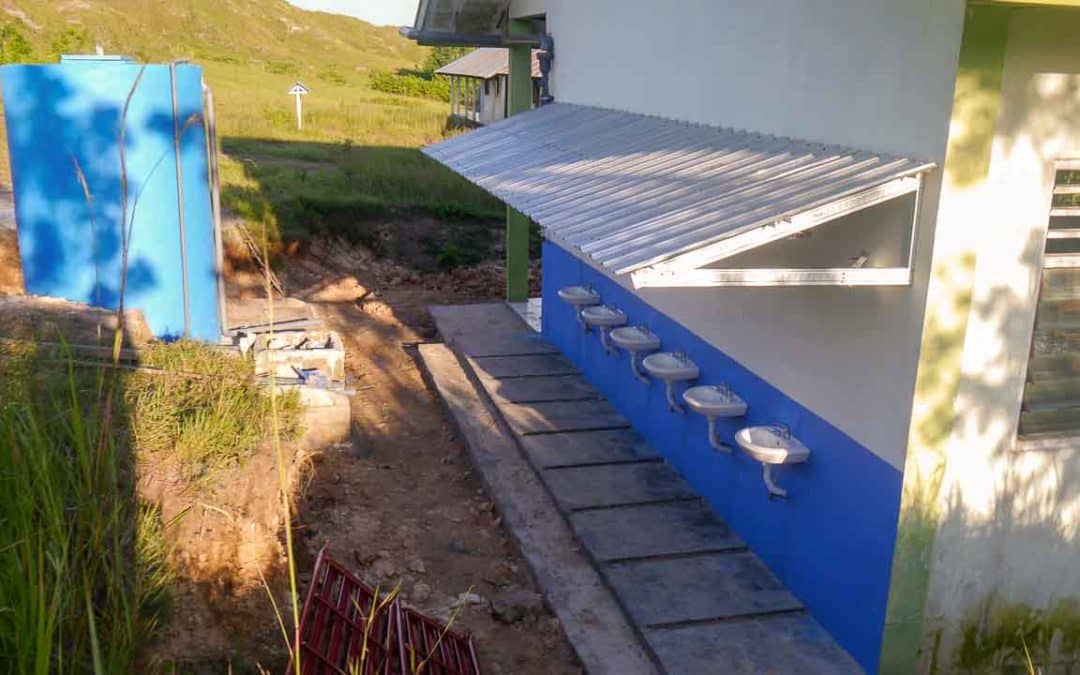
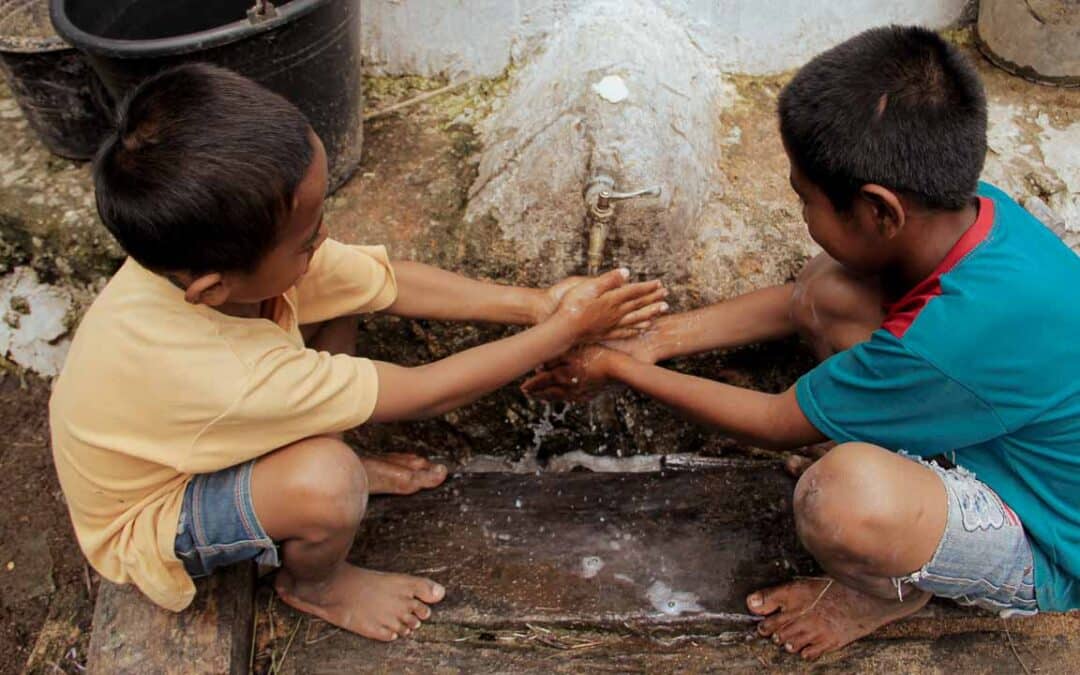
The new “Picture of the Day” features the new healthy handwashing facility at Laindatang School. This is the first time such a facility has been built and put into service in a public school. It is part of a unique program aimed at effectively combating infectious diseases in a region greatly affected by health issues, especially those impacting children.

In the Laindatang region, where challenges such as lack of water, electricity, and sanitation are combined with the fight against high rates of infectious diseases like malaria, the Fair Foundation’s #WaterConnections project represents a significant step forward towards improving the living and health conditions of the most vulnerable communities. By inaugurating the first handwashing facility in a local school, we have taken a crucial step in our commitment to ensuring access to essential sanitation services for children, for whom regular hygiene practice has been a rarity until now.

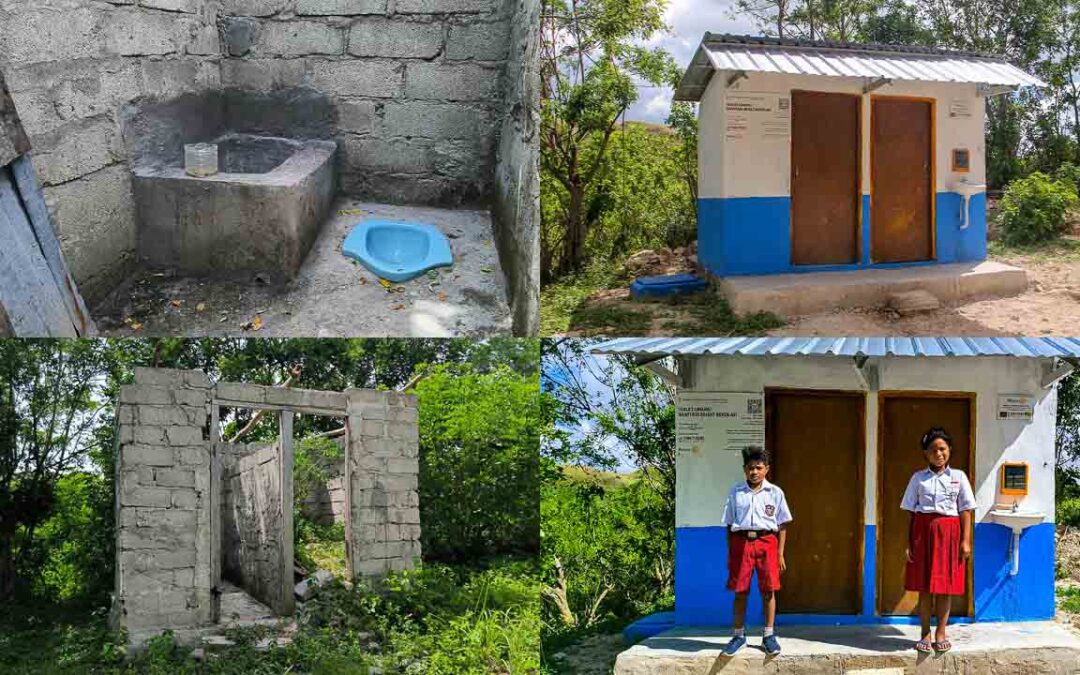
This sanitary facility comprises eight sinks, six visible in the shared image, and two are located in new healthy sanitary facilities built by our team. It marks a turning point in Laindatang’s children’s daily lives. Previously, the opportunity to wash their hands was a luxury, with families having to walk long distances to the nearest river for water. This journey could only be done every two weeks or, in some cases, once a month. In the dry season, these challenges become even more overwhelming, further limiting access to water for basic needs.

The project is not limited to providing convenient access to water for handwashing; it is also a head-on fight against infectious diseases that have long afflicted the community, particularly malaria. By introducing these handwashing facilities, the Fair Future Foundation aims to introduce vital hygiene practices that can significantly reduce the spread of infections. This effort is even more critical in a region where children and families face the threat of life-threatening illnesses every day.

Beyond improving hygiene, this project highlights our commitment to sustainable development and community involvement. By working hand-in-hand with residents and tailoring our solutions to Laindatang’s specific challenges, we ensure that the benefits of these facilities will endure over time and continue to serve future generations.

Through the #WaterConnections project and similar initiatives, the Fair Future Foundation reaffirms its dedication to building a future where access to clean water, sanitation, and healthy living conditions is no longer a barrier to the health and well-being of the poorest communities in Southeast Asia. Our actions on the ground, guided by an in-depth knowledge of local needs and a desire to create a lasting impact, allow us to bring these communities closer to a healthier and safer future every day. Together, we are creating a future where every child has the fundamental right to clean water and good health.

Alex Wettstein – Fair Future Foundation medico-social camp in East Sumba – Rumah Kambera, Lambanapu – The 27th of March 2024

read more
Healthy Living Posters Distributed to Local Health Centers

Healthy Living Posters Distributed to Local Health Centers

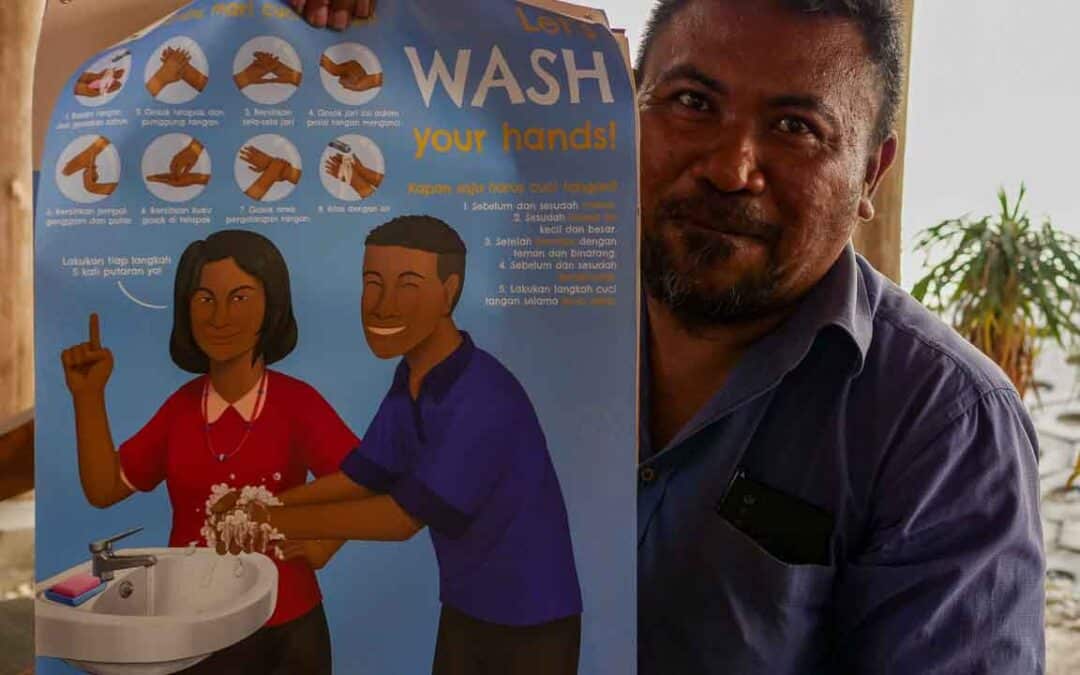
We have distributed our healthy living posters to local Puskesmas (health centers), and their directors were delighted. The posters are engaging and easy to comprehend, incorporating local characters and language. Teaching rural communities simple methods for disease prevention, such as handwashing, is truly rewarding.

read more
Alex Reflects on 17 Years with Fair Future Foundation

Alex Reflects on 17 Years with Fair Future Foundation

We invite you to read Alex’s latest personal letter, a rare and heartfelt reflection on nearly 20 years of dedication to Fair Future, which he founded. He shares his journey without asking for anything, simply telling the story of his daily work. We encourage you to read and share this touching testimony.

read more
Breaking Malaria’s Grip: Transformative Healthcare Solutions for Eastern Indonesia

Breaking Malaria’s Grip: Transformative Healthcare Solutions for Eastern Indonesia

In ultra-rural regions of Eastern Indonesia, malaria is more than a disease; it’s a systemic issue impeding community development. Fair Future Foundation’s #ZeroMalaria program tackles this crisis head-on with a unique, comprehensive approach. From preventive education to providing immediate healthcare, we are dedicated to breaking the chain of…

read more
Malaria in East Sumba: All villages turned Red!

Malaria in East Sumba: All villages turned Red!

This new "Picture of the Day" shows you a brave but sad mom who asks for care for her little boy. She is a courageous but sad mother who seeks care for her little boy, who suffers from Malaria. With pain and more than 40 fever, He is the example of the "typical patient" here: Under five years old, this family lives in an ultra-rural and marginalized area. She is poor, and they don't have access to medical care or enough food and clean water; They don't have toilets either. Moreover, the whole village does not have access to electricity.

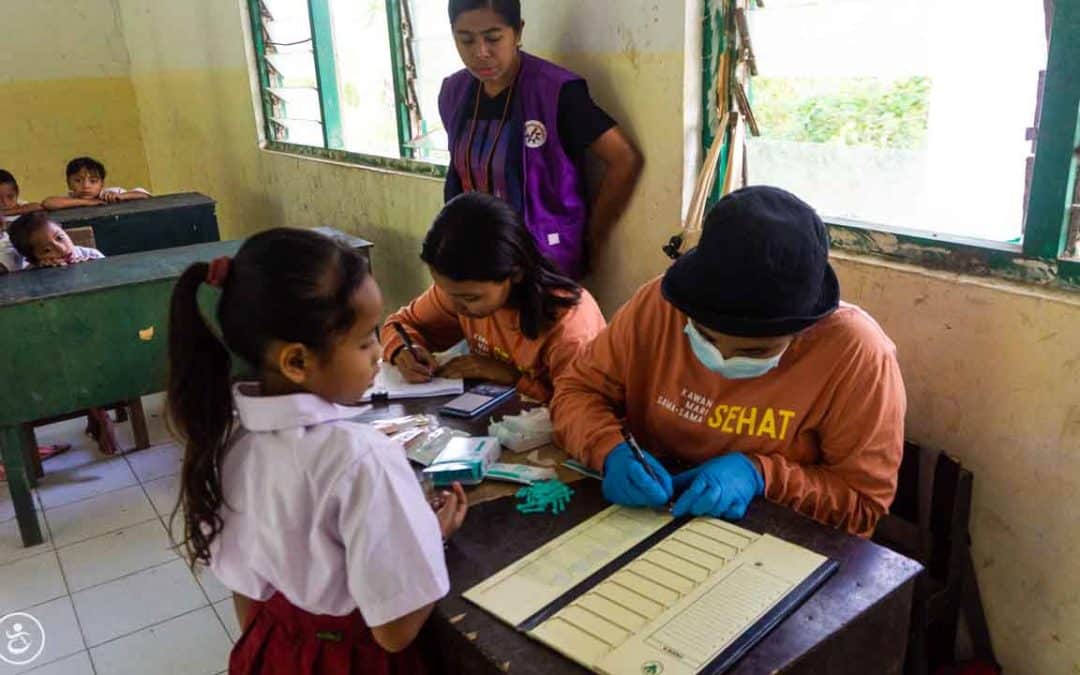
The medical staff of Kawan Baik and Fair Future Foundation bring him relief and medicine to lower his fever and get better as soon as possible. We also talk to the mother and give her good advice.

Let me re-explain to you what malaria is and why this disease is hazardous, and the categories of people it affects in the first place:

Malaria is caused by parasites transmitted by the bites of infected mosquitoes. Although anyone can get malaria, specific categories of people are more susceptible to severe illness and complications. We find that the impact of malaria varies by geographic region and local health infrastructure. Our efforts to fight malaria focus on prevention through measures such as the establishment of the Primary Medical Care Program (PMC), mosquito nets, spraying in villages (fogging), and learning to wash with an "ani-malaria or disinfectant" soap, among others. 

1. First, children under five: This is because young children have a weaker immune system and have not yet developed immunity to disease. They are more likely to have serious symptoms and complications, including severe anaemia and cerebral malaria, which can be life-threatening. This is the case here: Infant mortality is very high in ultra-rural areas and marginalized populations of East Sumba.

2. But also pregnant women: Of course, malaria can have adverse effects on both the mother and the unborn child. Pregnant women are at an increased risk of developing severe malaria, leading to complications such as maternal anaemia, spontaneous abortion, stillbirth or low birth weight infants. I spoke to you about a similar case in Kabanda, right?

Public health interventions to provide vital advice to the most affected populations via the #kawansehat program are essential. You have to be close to people if you want to advise them on the best way to have a healthier life.

3. Ultra-rural and marginalized populations: Communities living in rural and remote areas, often with limited access to health care, such as here in East Sumba, are disproportionately affected by malaria. Factors such as poverty, lack of knowledge about preventive measures and limited access to health services contribute to malaria's higher prevalence and impact in these communities.

4. Immunocompromised people: People with weakened immune systems, such as those living with HIV/AIDS, are more likely to contract severe malaria. We are also talking about people with chronic illnesses. Malaria can also aggravate the progression of HIV infection. And concerning the rate of HIV-positive people here is also very high, even with very few tests being conducted.

read more