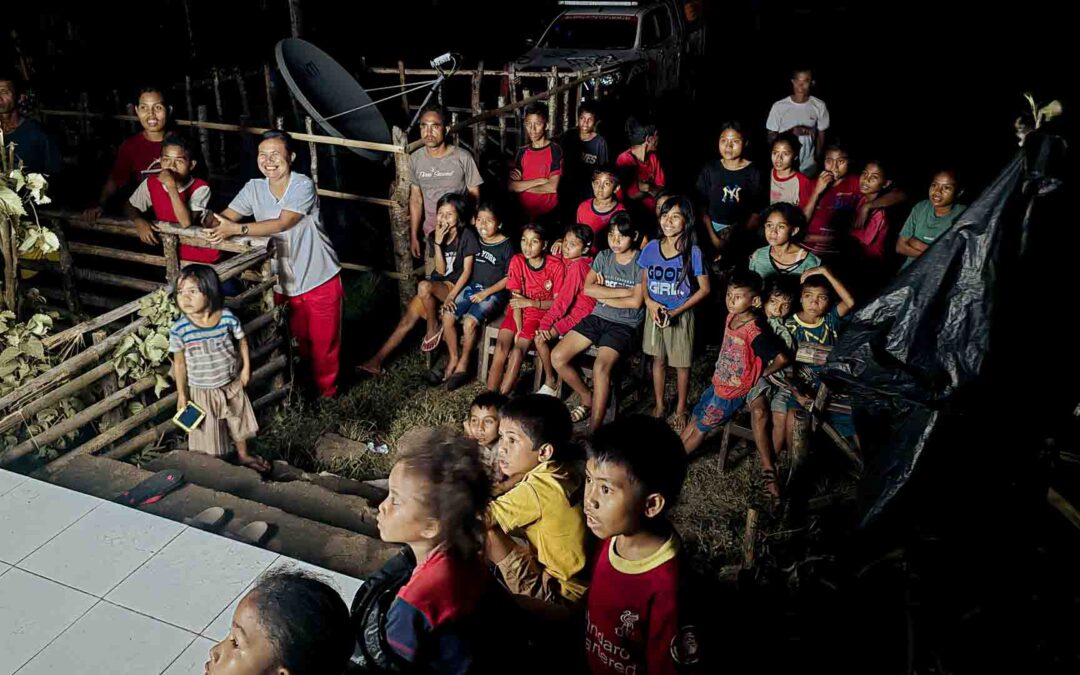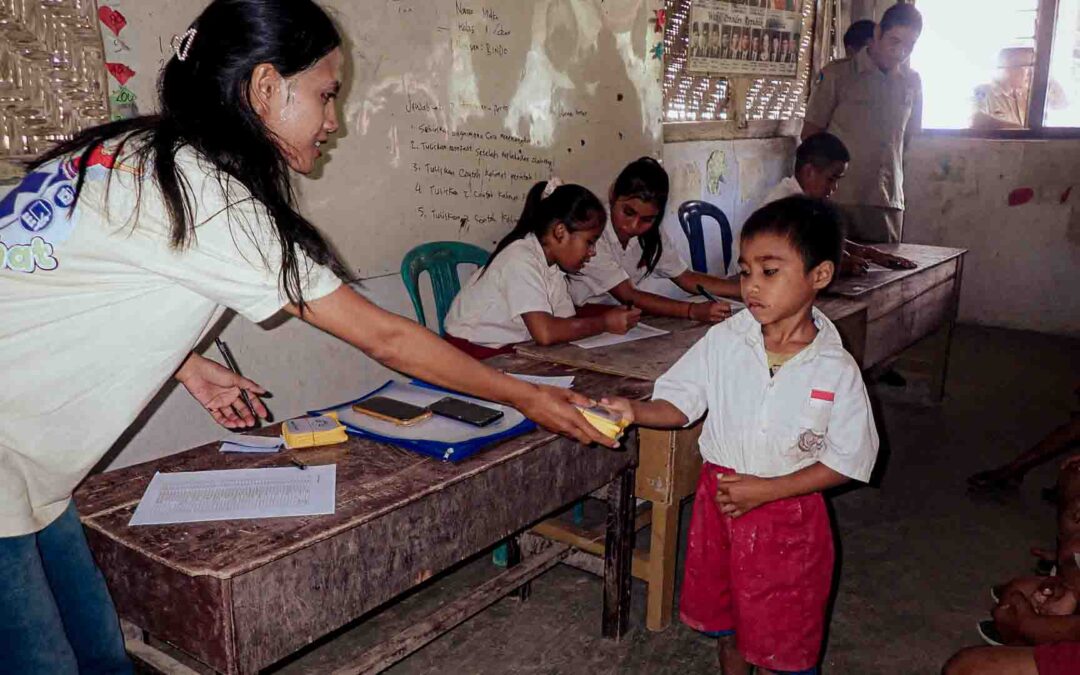


This image is in 1920×1080 resolution. Click on it to enlarge and view at full size.
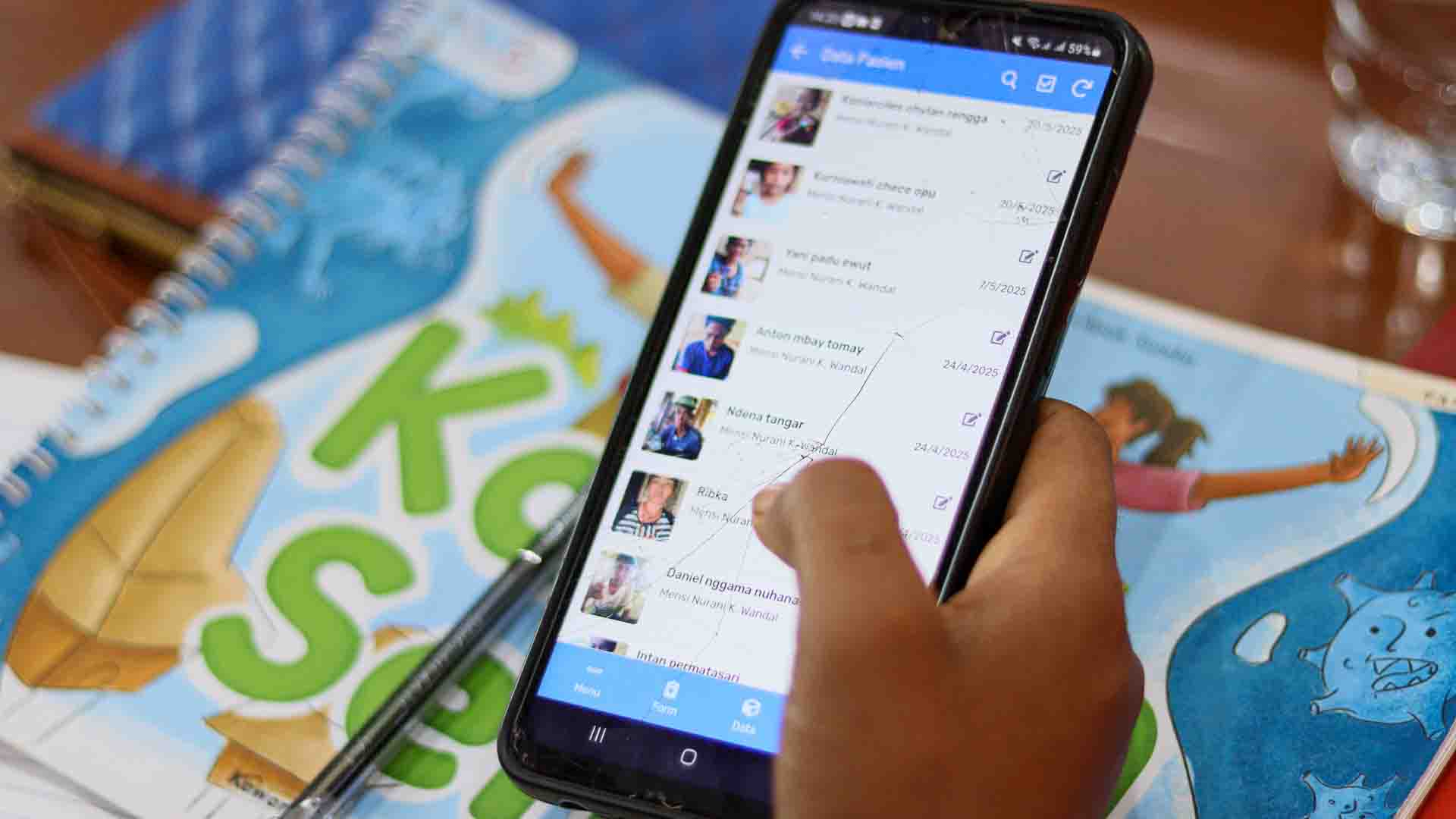
A smartphone becomes a clinical tool for primary medical care without internet access.
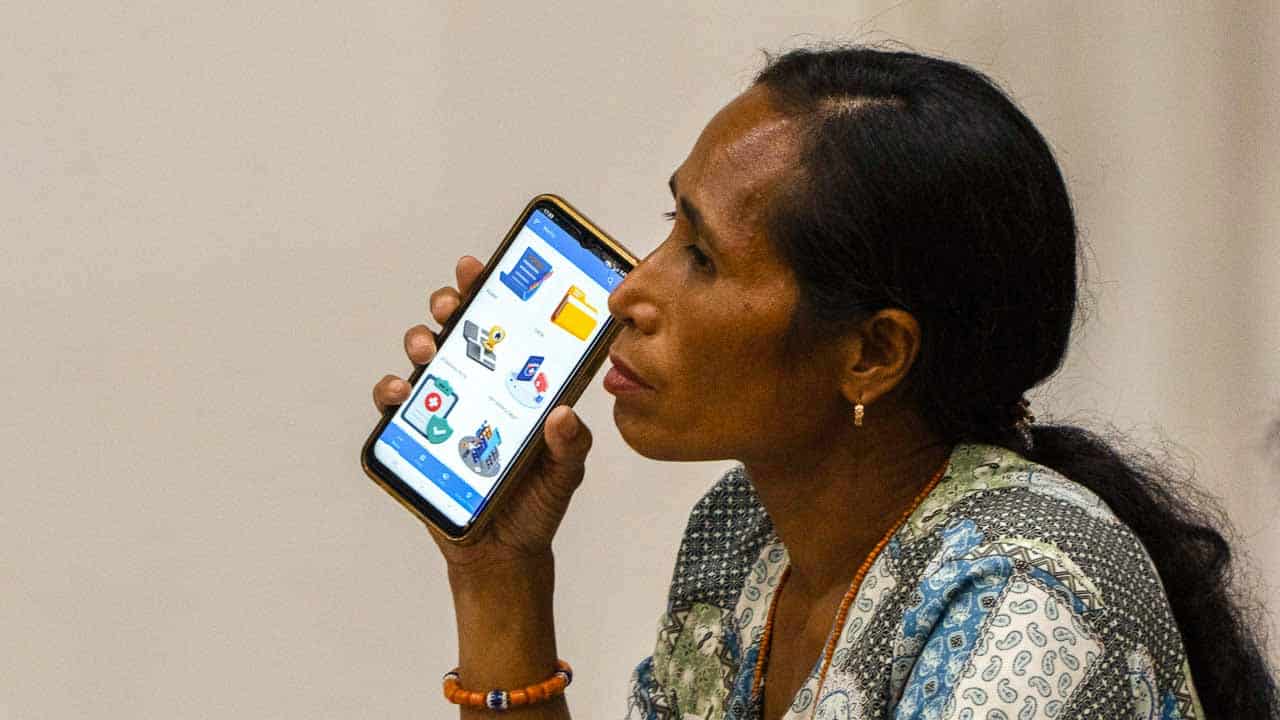
This new Photo of the Day shows something you rarely see in a medical story: a smartphone in the hands of a local health agent, with our Kawan Sehat App on the screen.
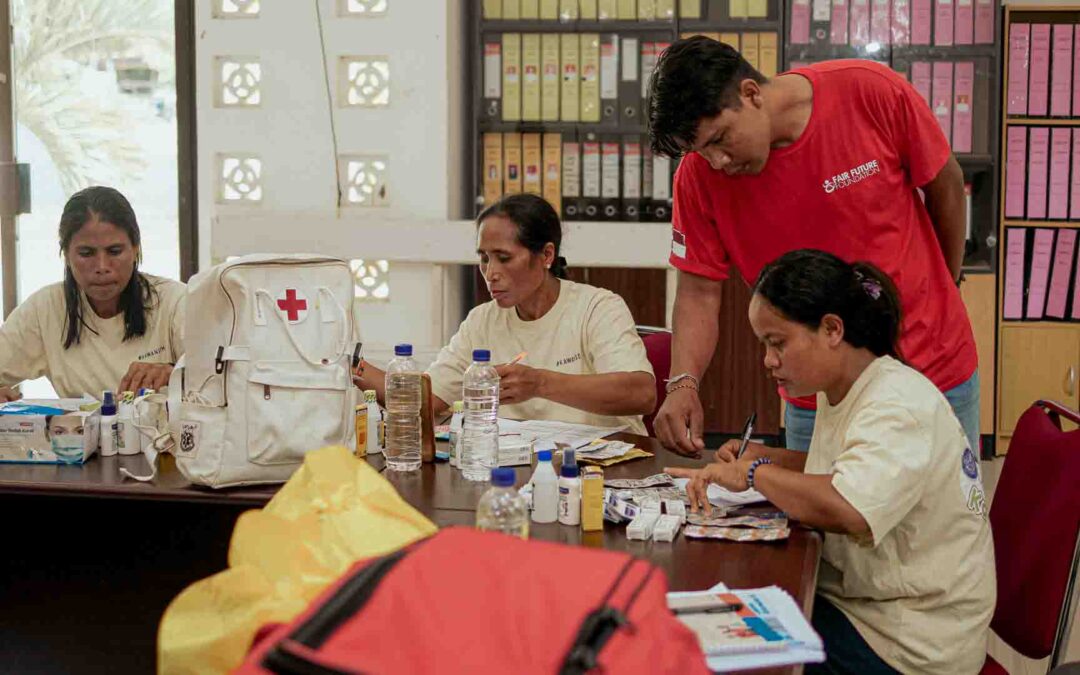
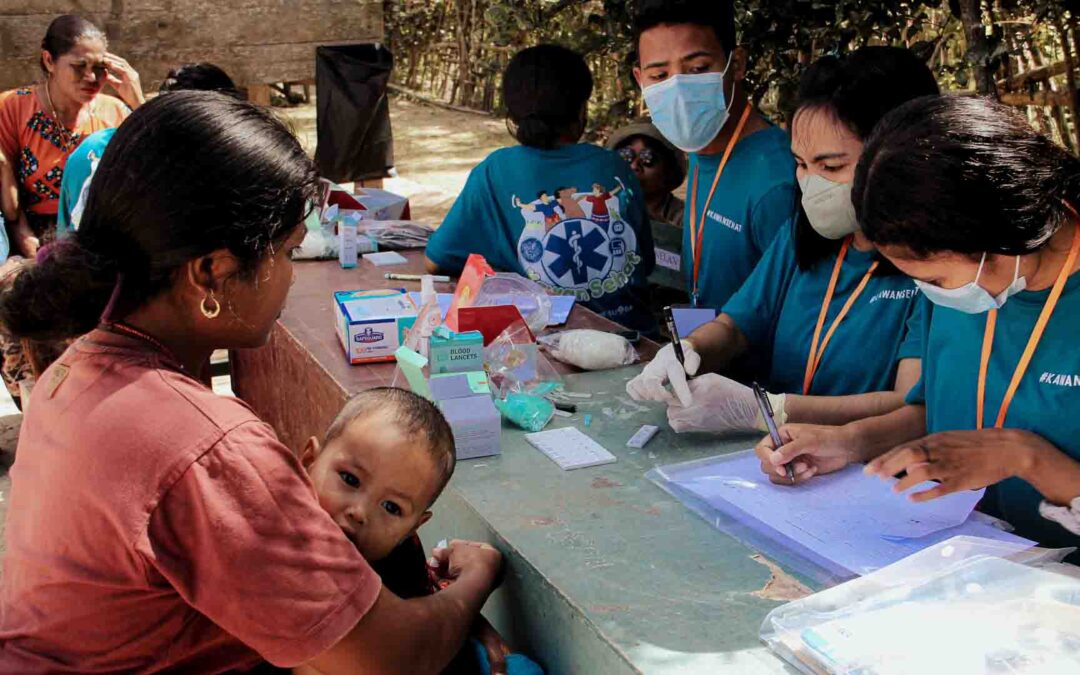
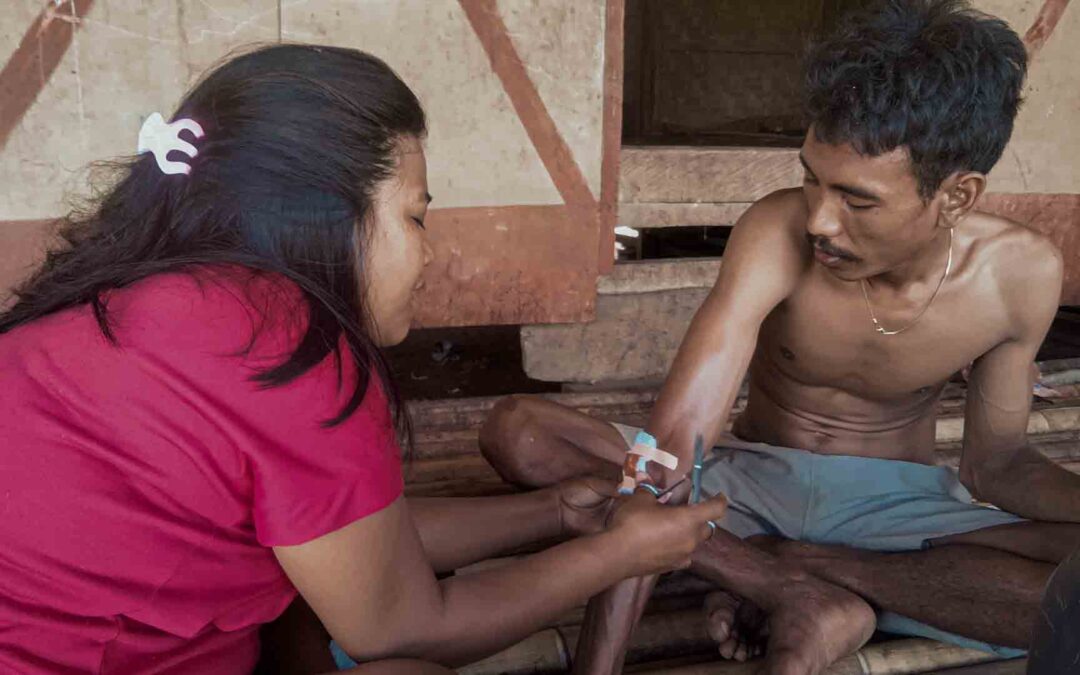
It is one of four field applications we have developed, including two designed to strengthen our malaria work and the study of infectious disease transmission. This one is the backbone of our Primary Medical Care programme. It is where Kawan Sehat health agents enter patient data, clinical findings, social context, symptoms, environmental risks, treatments given, medicines dispensed, follow-up plans, and, when needed, photos of wounds or skin problems. Every act of care is documented: wound cleaning, dressing, disinfection, blood pressure checks, fever follow-up, and medication decisions.
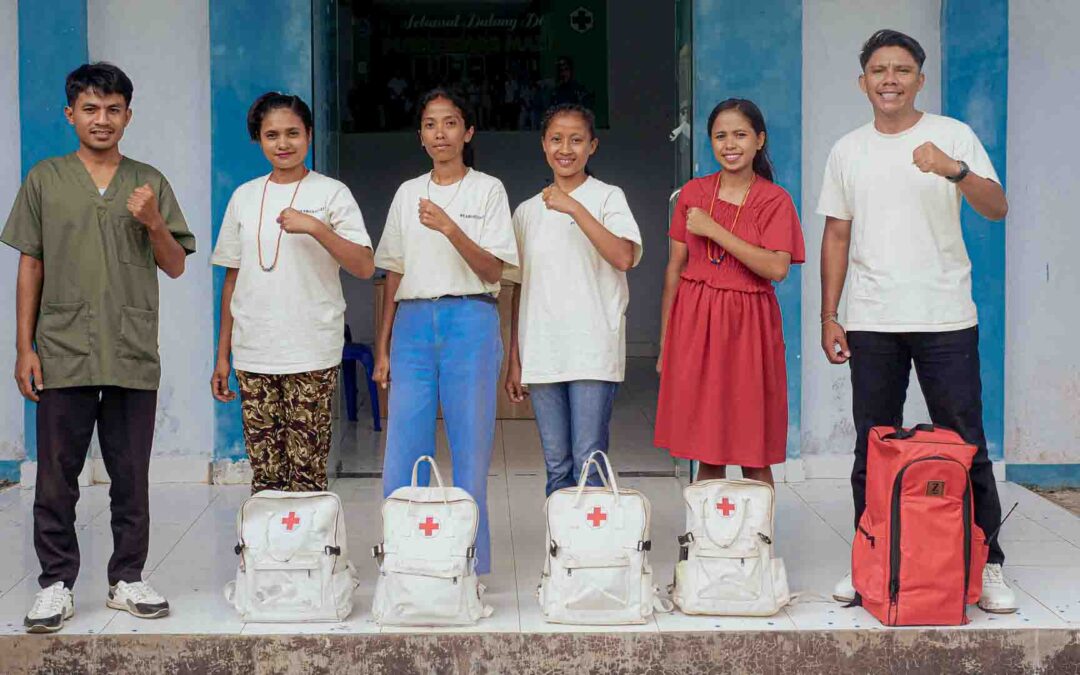
The agents are not nurses or doctors. They are community members we train, again and again, with multi-day sessions two to three times per year, plus a comprehensive training manual. The App is built for that reality. It includes practical guidance and medical references, updated by our teams, so decisions in isolated villages are anchored in verified protocols, not guesswork. It also connects the field to our medical staff. We can review cases remotely, verify treatments, advise on dosage, and stop dangerous shortcuts before they harm anyone.
The most important feature is simple and brutal: it works offline. In East Sumba, internet access is not a given. The App stores data locally, on a case-by-case basis, and synchronises automatically the moment the phone touches a network. That means continuity of care even when roads are cut, signals vanish, and the nearest clinic is hours away.
With the GPS layer, we can map risk, such as stagnant water, clustered fevers, repeated malaria positives, or households where malnutrition keeps returning. We can measure, not speculate. Today, this App helps our agents treat more than 1,000 patients each month, while generating real statistics on malaria, dengue, tuberculosis, polio alerts, and child nutrition. In ultra-rural medicine, good data is not bureaucracy. It is oxygen.
This tool is not an experiment. The Kawan Sehat App has been running continuously in the field for five years. Today, it contains thousands of documented medical cases. That depth of data allows something rare in ultra-rural medicine: fundamental analysis. We can identify disease clusters, cross-reference pathologies with geography, seasonality, housing conditions, water access, and environmental risk factors. We can see where malaria persists, where skin infections explode, where malnutrition repeats itself, and why. This transforms care from reaction to strategy. It allows us to understand patterns, not just treat symptoms, and to deploy corrective actions where they matter most.
The App is constantly updated, refined, and expanded by our teams based on field reality rather than theory. It evolves with the diseases we face and the constraints our health agents live with. Our ambition is clear: this tool could operate at a much larger scale. Because at its core, this App does what matters most in medicine. It saves lives. It helps us understand what is happening, why it is happening, and how to act better, faster, and smarter.
Today, the 23rd of December 2025 – Alex Wettstein
External Links
List of Related Organisations with Hyperlinks
- Digital Square: Global initiative supporting scalable digital health solutions for low-resource and ultra-rural health systems worldwide.
- PATH Digital Health: Develops and evaluates digital tools that strengthen primary healthcare delivery in remote and underserved communities.
- Open Health Information Exchange (OpenHIE): Open-source architecture enabling secure health data exchange across fragmented health systems in low-connectivity environments.
- HealthEnabled: Focuses on digital health policy and implementation to improve access to care in fragile and rural health settings.
- Global Fund – Digital Health and Data Systems: Supports digital data systems to improve disease surveillance, malaria control, and treatment delivery in endemic regions.
- ICT4D Collective: Research-driven network exploring how digital tools can improve health, data collection, and decision-making in rural development contexts.