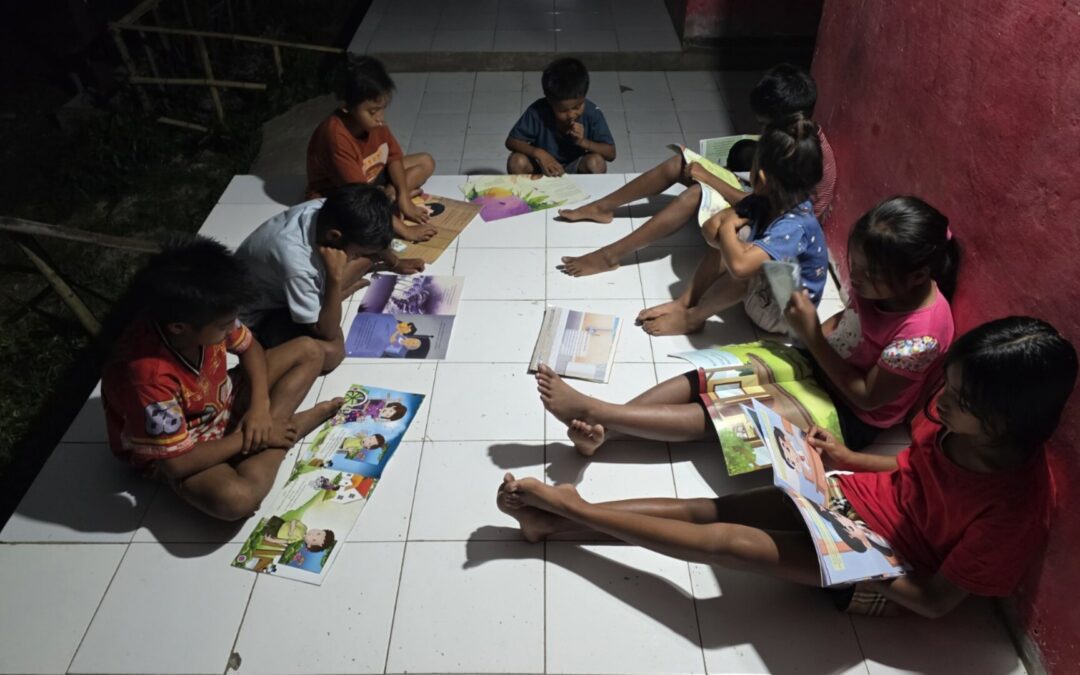
Fair Future Foundation and Kawan Baik Indonesia are preparing a new step in community care days in Sumba. After consultation and medicine dispensing, patients would agree on one or two realistic health actions, practise them and receive Kawan Sehat follow-up when needed. This is a proposed model.
Education & Community

The Education & Community category examines how education, knowledge sharing, and community engagement strengthen health and resilience in ultra-rural settings.
Articles document initiatives that improve health literacy, support learning environments, and reinforce community structures essential for prevention and long-term well-being. These actions align with WHO social determinants of health, recognizing education and social cohesion as key factors influencing health outcomes. This category documents practical learning and knowledge sharing alongside local health teams.
Latest field updates
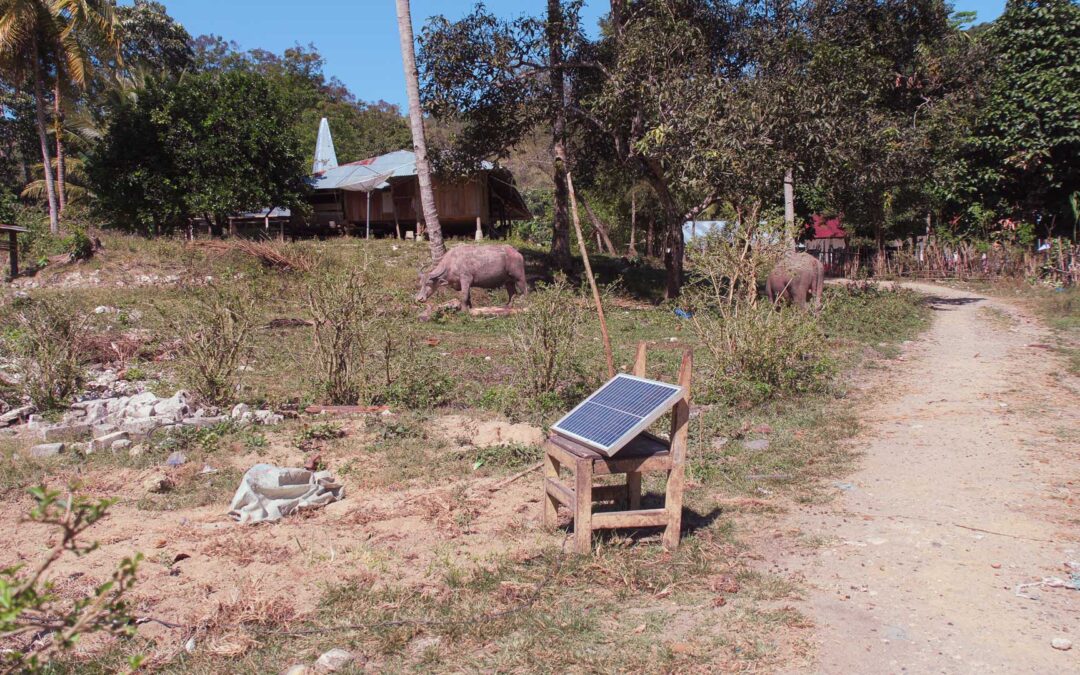
A Small Solar Panel and One Lamp in an Off-Grid Village in Mahu
A small solar panel rests on a chair beside a road in Mahu, East Sumba. Out of view, an old scooter battery stores enough power for one 12-volt lamp in a home. This photograph shows how families make light where there is no grid, and why village and school electrification must be dependable.
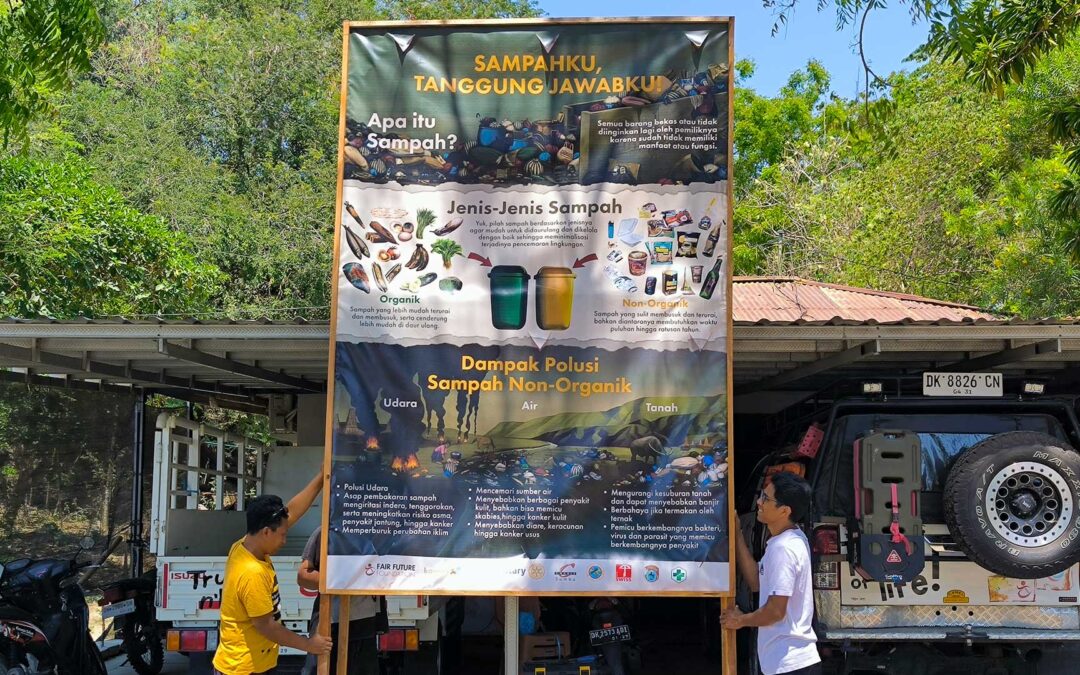
Our Team Holds a Waste Sorting Billboard Before It Goes Up in Waingapu
At Rumah Kambera, our team holds a waste sorting billboard before it goes up in Waingapu. Ten panels will carry a message about discarded plastic, burning and shared responsibility. The photograph connects everyday choices with collection services, education and public health in East Sumba.
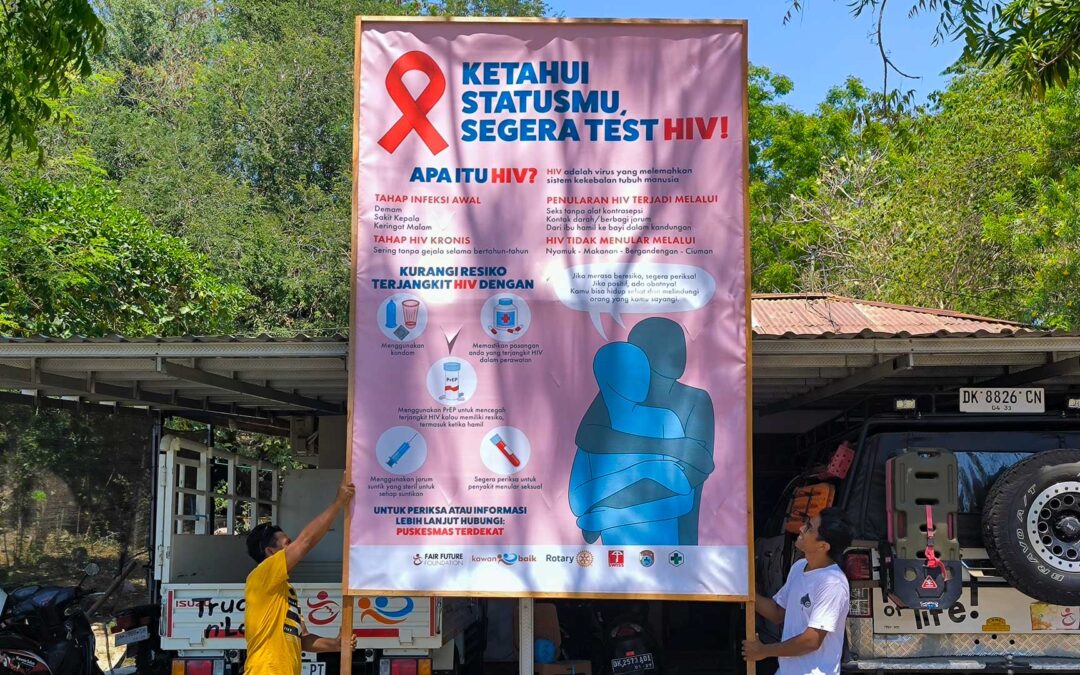
Two Teammates Hold an HIV Testing Billboard Before It Goes Up in Waingapu
At Rumah Kambera, two members of our team hold an HIV prevention billboard before it goes up in Waingapu. Ten panels will ask people to learn their status. The photograph connects a public message with confidential testing, confirmation, treatment and care without shame in East Sumba.
Solar Power at SDN Mbajik | Nearly One Year On
Nearly a year after installing solar power at SDN Mbajik, we return to Haray, East Sumba, to inspect the system and listen to its users. For 55 pupils and their teachers, electricity now means evening study, printed lessons and access to online resources.
Community Health Education | Learning in East Sumba
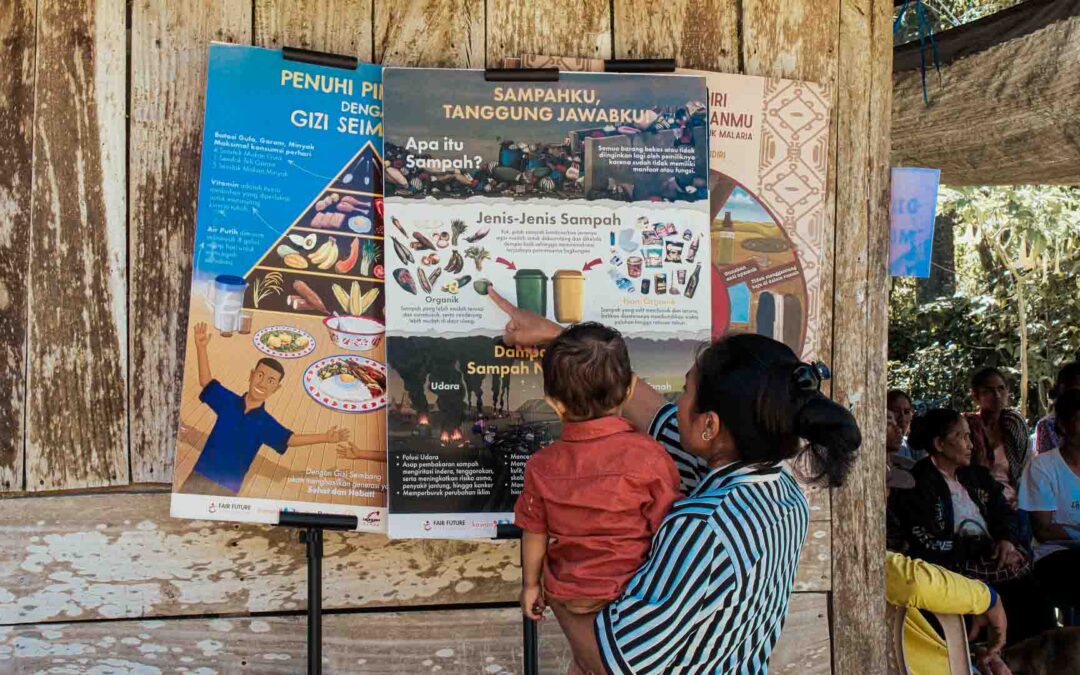
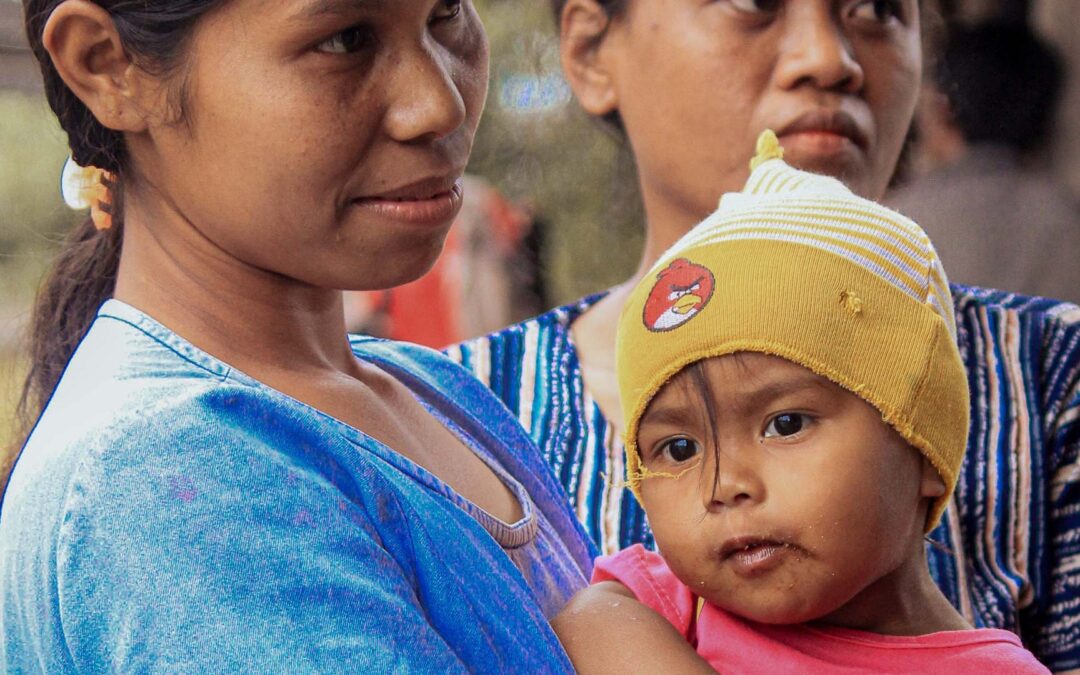
During a remote care day in East Sumba, a mother returned to our posters with her child after the workshop ended. This simple moment shows community health education moving from a formal session into family life, linking waste management, nutrition, malaria prevention and primary care.
Community Health Prevention in East Sumba | Field Care
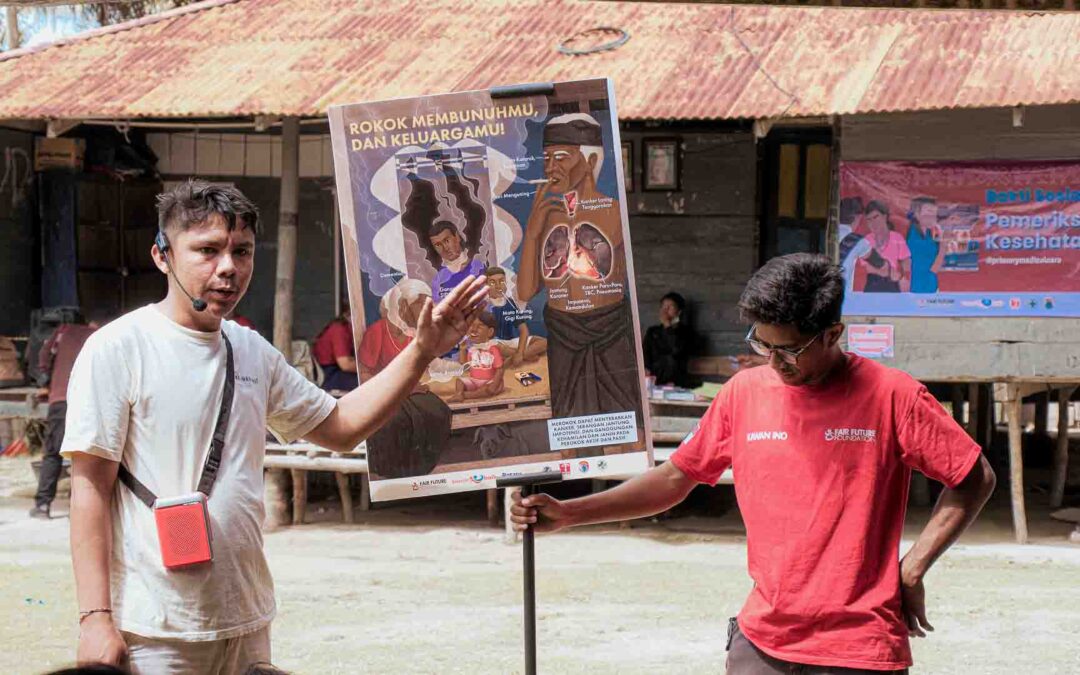
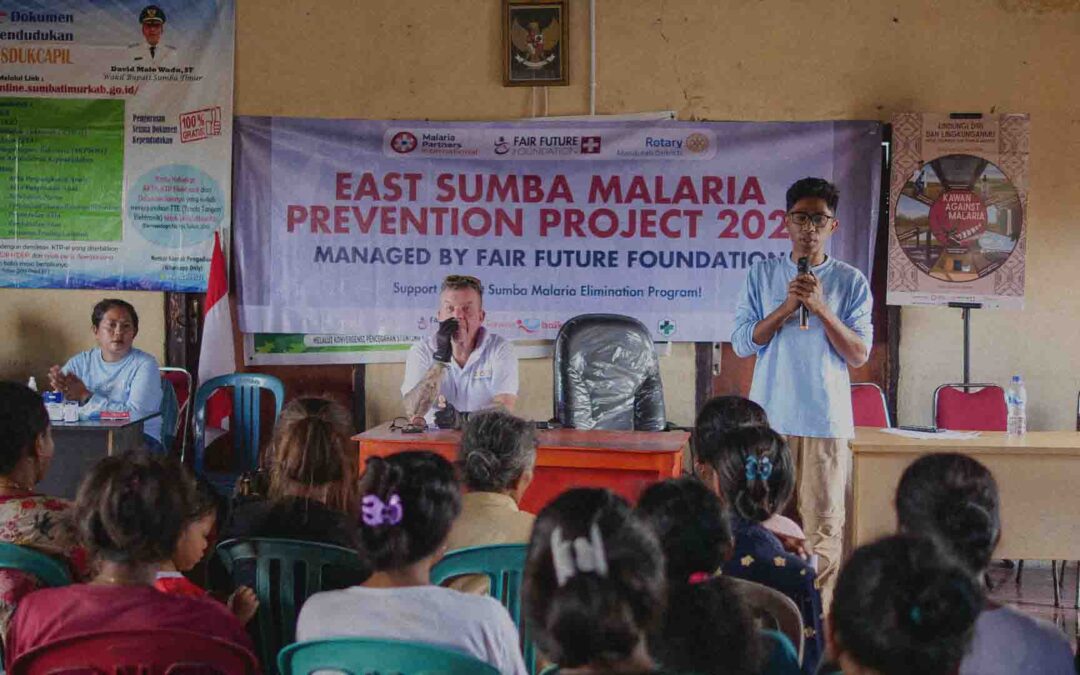
During community care in Kampung Madutolung, treatment was paired with practical prevention. More than 110 people received care while the team discussed secondhand smoke, nutrition, alcohol risks and malaria recognition, showing why education belongs inside primary healthcare in the village.
Plastic Waste Public Health Indonesia | Political Failure
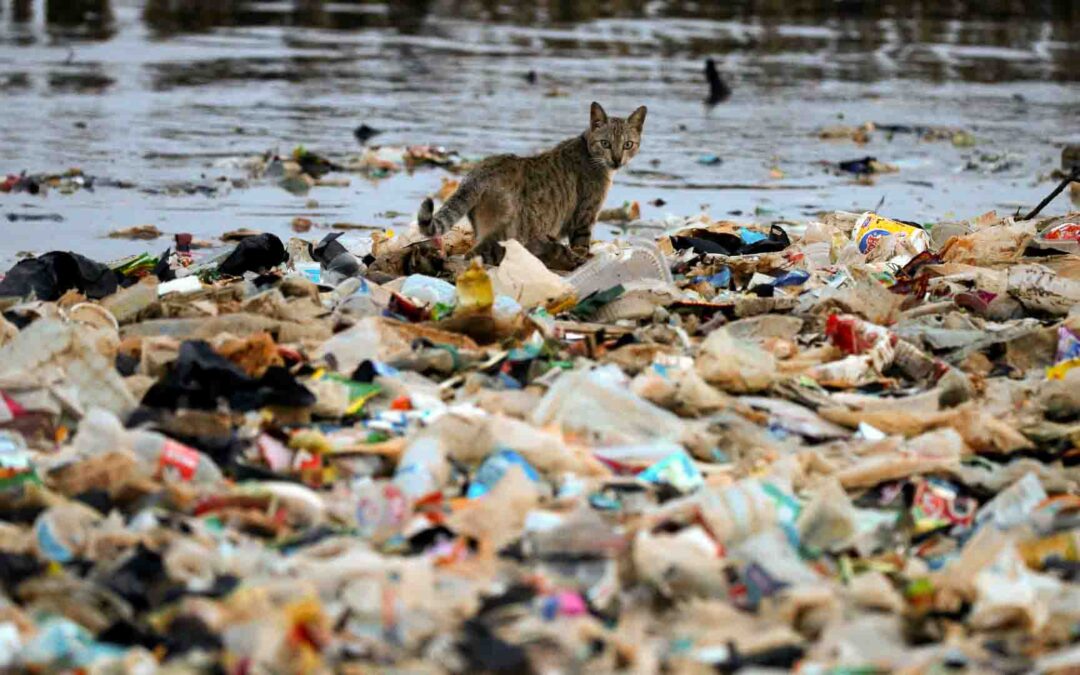
Plastic waste public health Indonesia is no longer an environmental issue. It is a political failure. Across rural regions, rivers and villages are overwhelmed by plastic pollution, toxic smoke and contaminated water while authorities ignore waste management and the health risks faced daily by communities.
SolarBuddy Education East Sumba – Solar Light
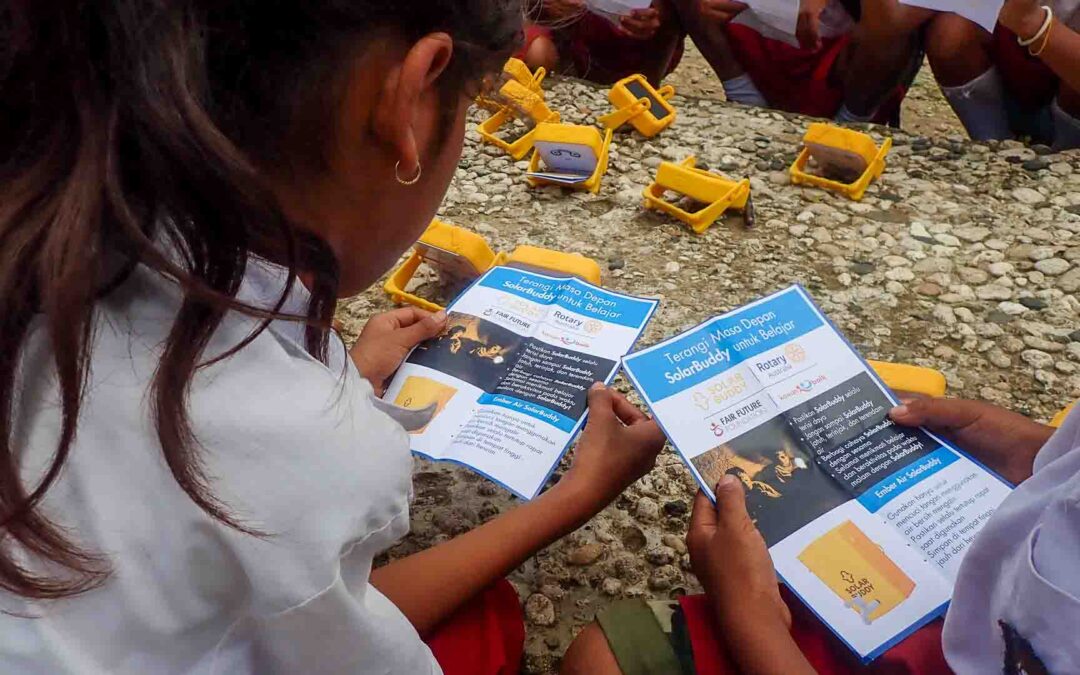
In many schools without electricity, SolarBuddy education East Sumba becomes more than lamp distribution. It brings structured guidance, hygiene awareness and printed learning material to children who rarely receive personal documents. Light becomes a medical and educational tool.
School Health Posters – Education in Action
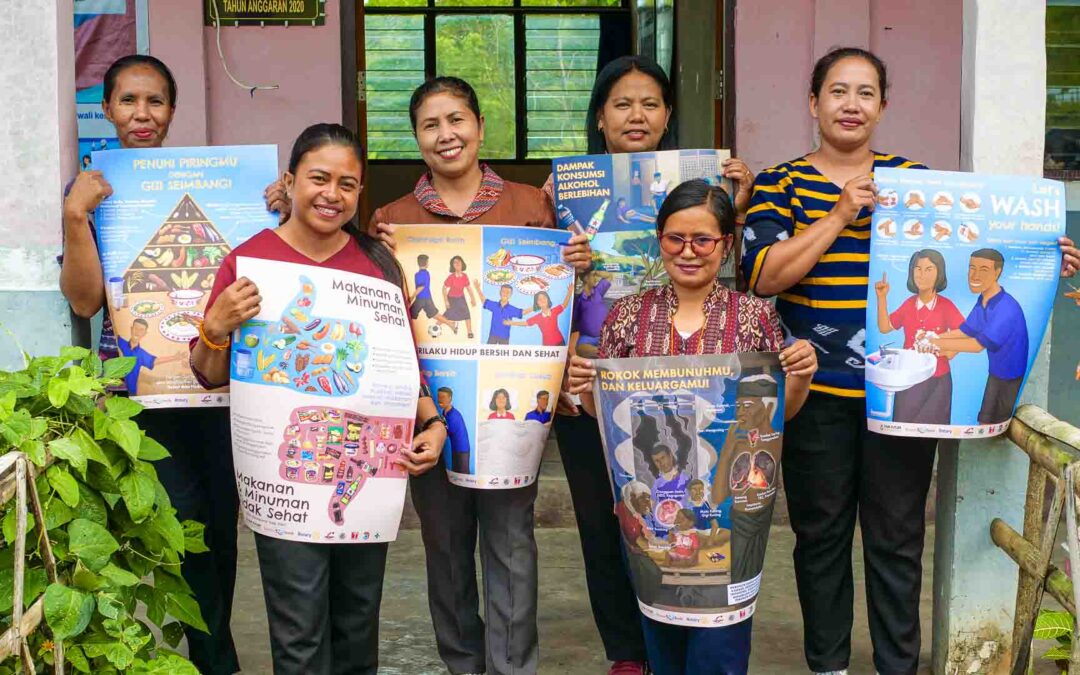
In rural Indonesia, school health posters are more than visual aids. They are daily prevention tools. At SDN Bidiwai, teachers received SolarBuddy lamps and a full set of educational materials that transform classrooms into spaces of long-term community awareness.
Malaria community education in Marada | Field prevention
In Marada, malaria prevention relies on education, rapid testing, and clear tools delivered directly to families. Field teams work with communities to reduce delayed diagnosis and strengthen household protection in ultra rural East Sumba.
SolarBuddy distribution update reaches final phase
The original plan counted 24 schools. Field reality allowed more. Careful logistics and constant presence made it possible to extend distribution beyond expectations, proving that long term engagement creates room for added impact where children need it most.