


Fair Future and Kawan Baik teach families how to recognise, prevent, and treat malaria.
Community-based malaria prevention.
In Marada, malaria prevention is not just a message but an integrated medical initiative that engages families directly. In this ultra-rural area of East Sumba, malaria remains endemic due to environmental exposure, limited healthcare access, and delays in diagnosis. Consequently, education is an indispensable medical intervention.
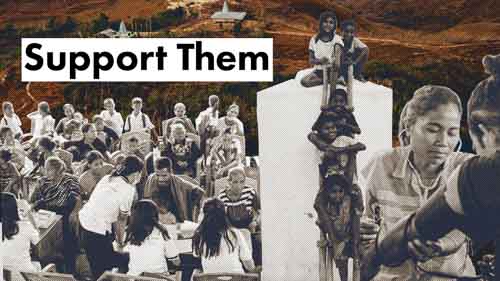
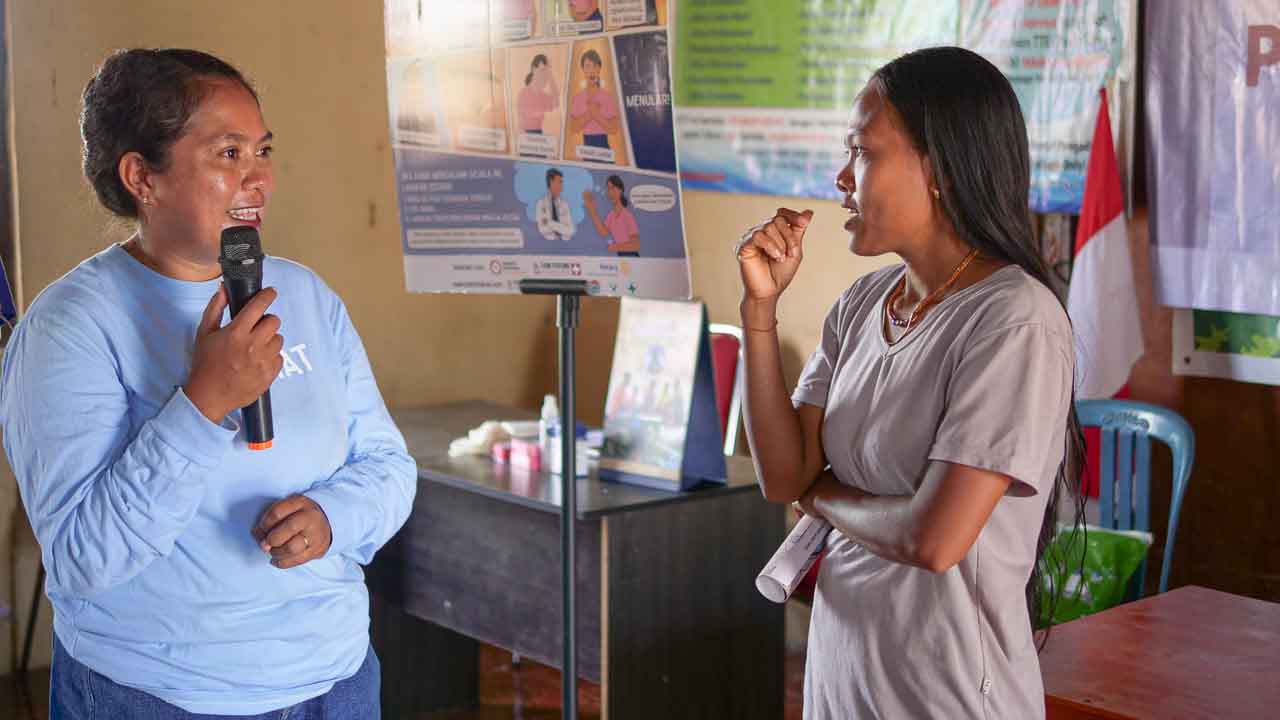
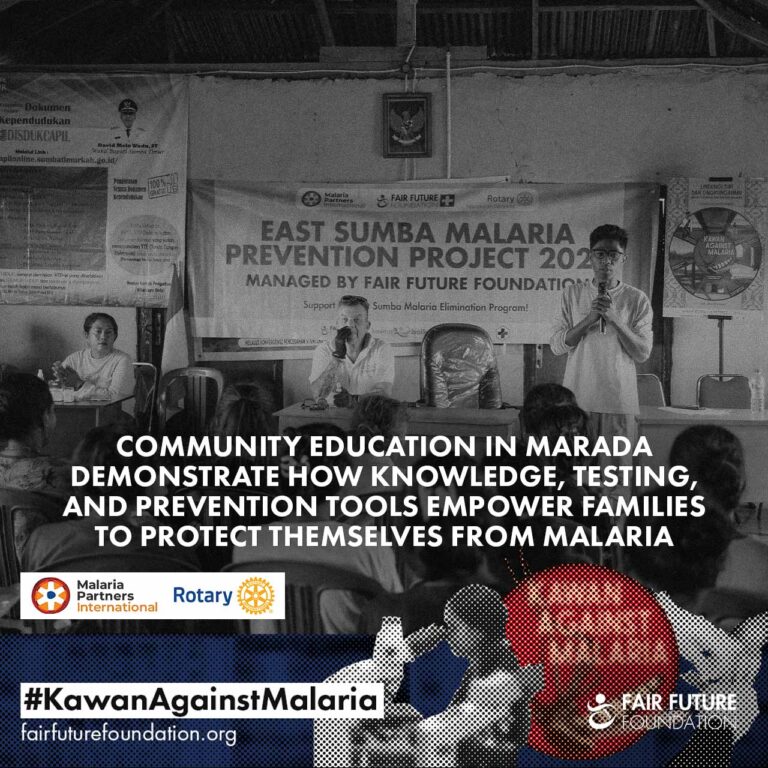
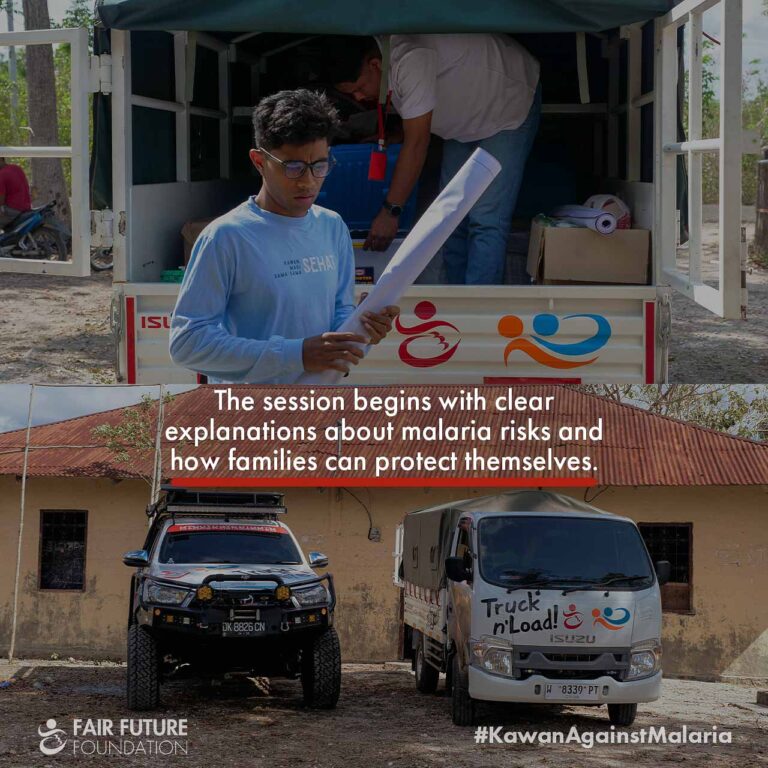
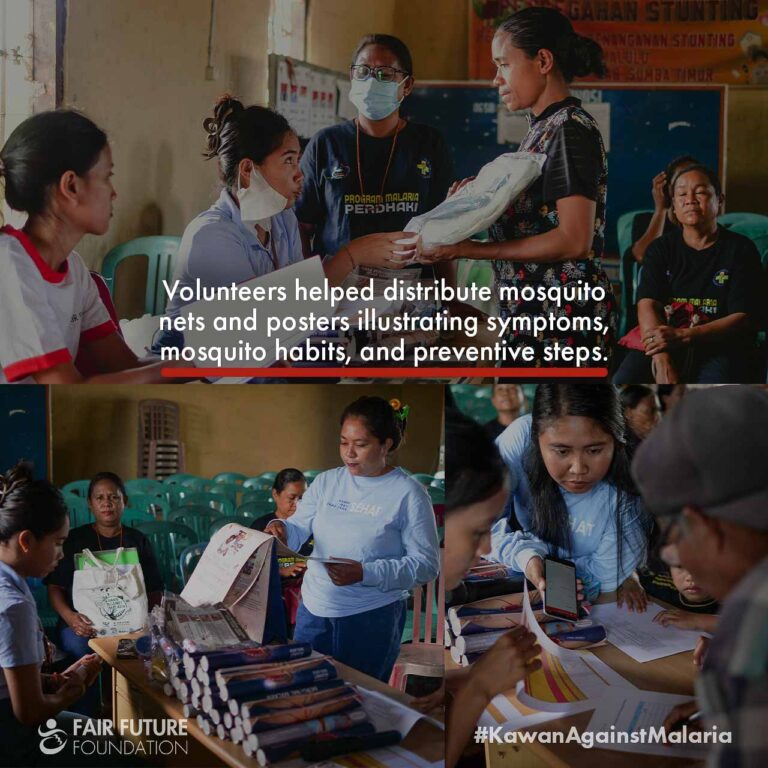
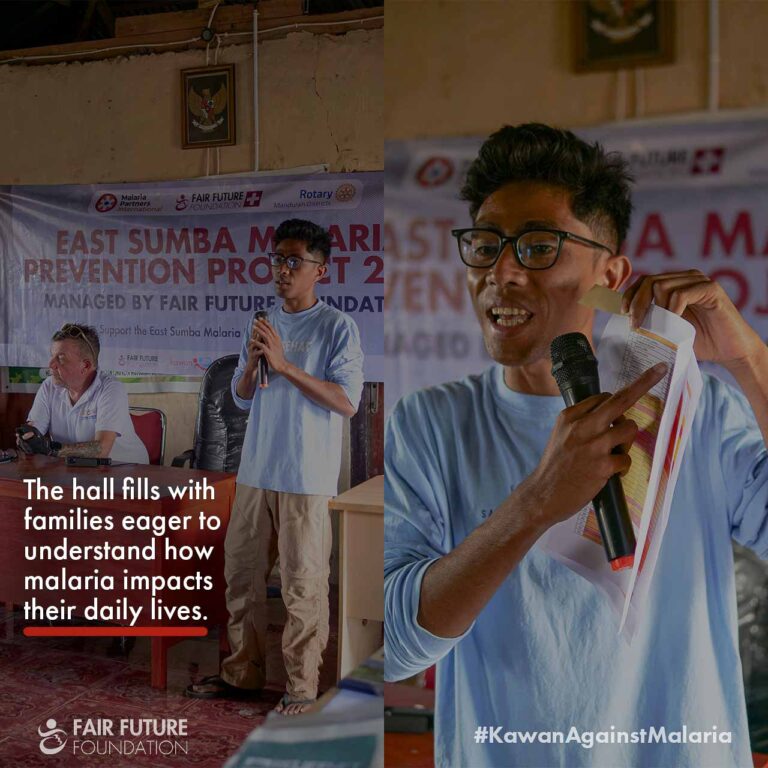
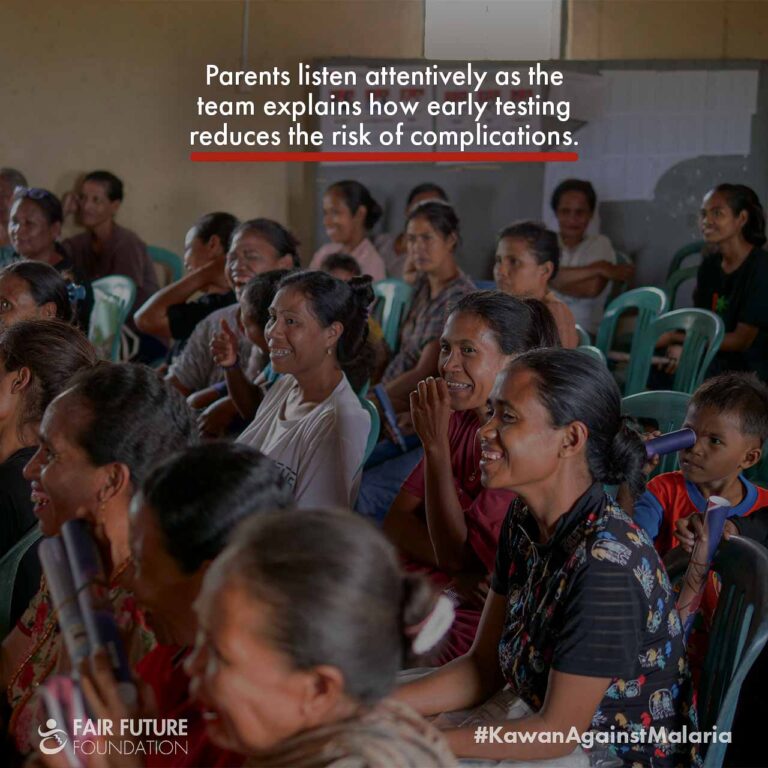
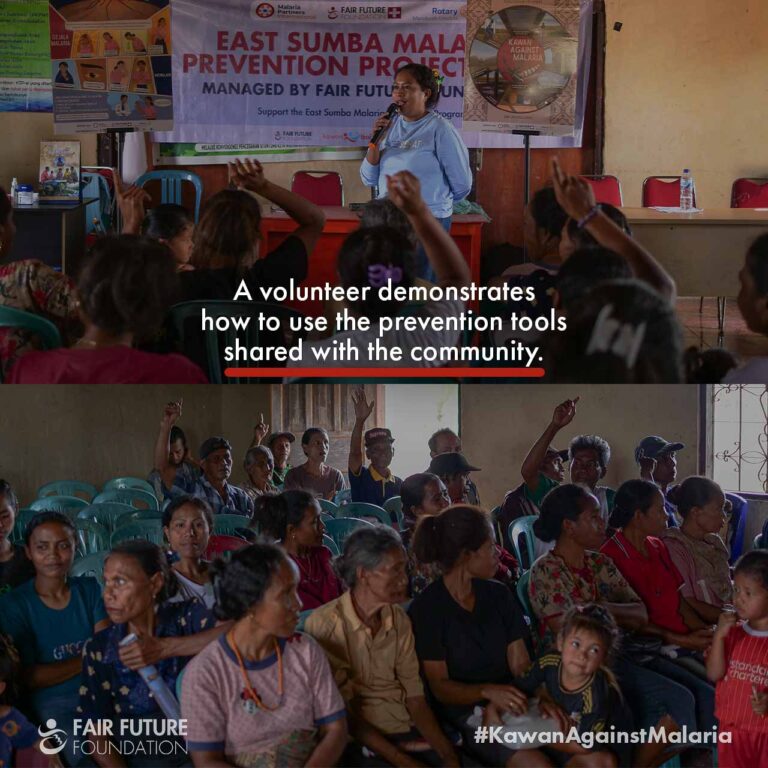
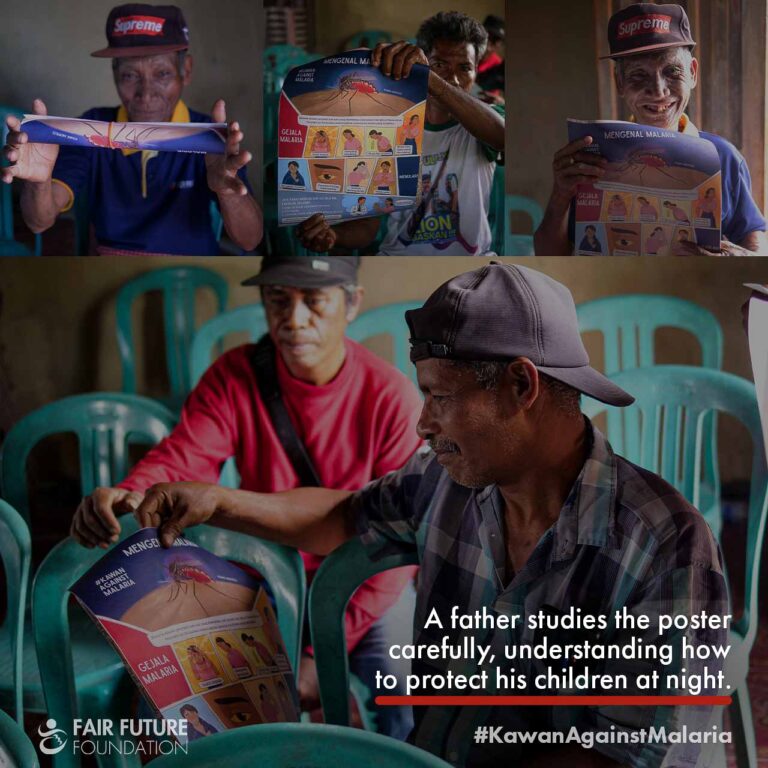
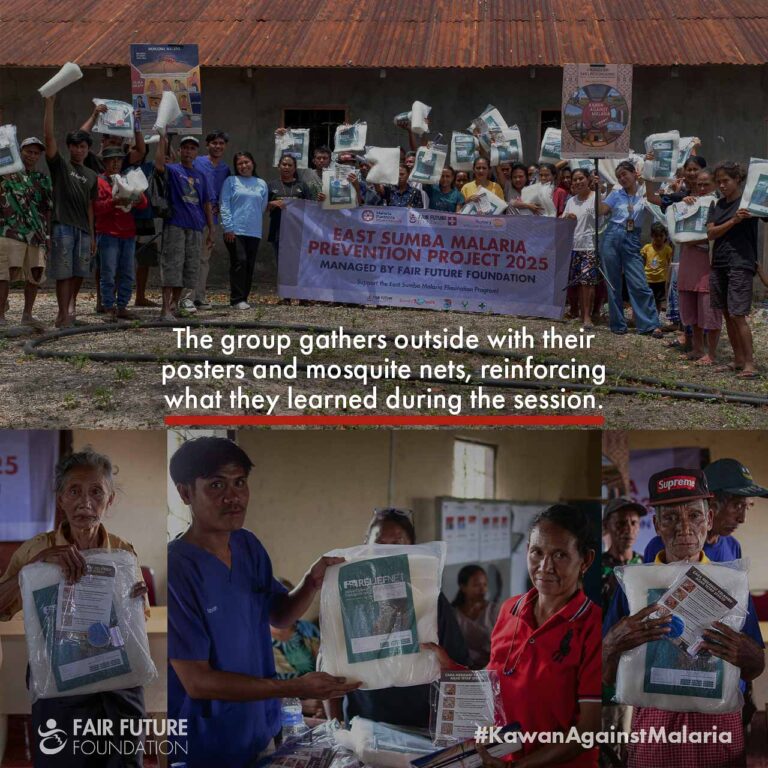
Teams from the Fair Future Foundation, working closely with Kawan Baik Indonesia field staff, conduct community education sessions to explain malaria transmission, identify early symptoms, and embed preventive measures into daily life. Posters from the Kawan Against Malaria programme are examined, openly discussed, and taken home as lasting reference tools. Active participation by children further strengthens prevention at the household level, fostering a culture of health awareness from a young age.
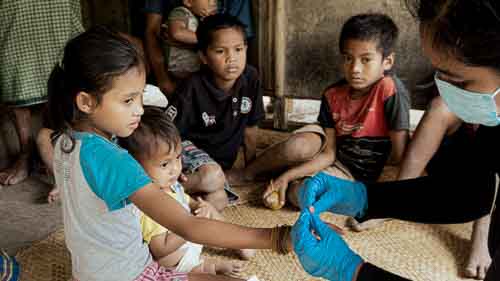
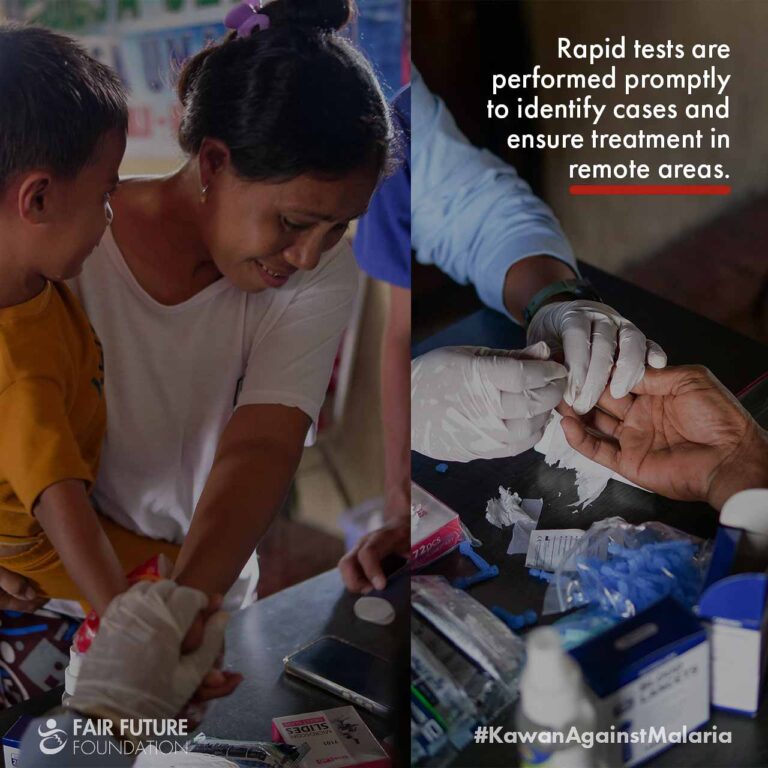
On-site rapid diagnostic tests are conducted with rigorous adherence to hygiene protocols. In areas where the nearest medical facility might be several hours away, early testing significantly reduces the risk of severe complications. Each test enables immediate referral, treatment initiation, and ongoing monitoring through the Primary Medical Care network.
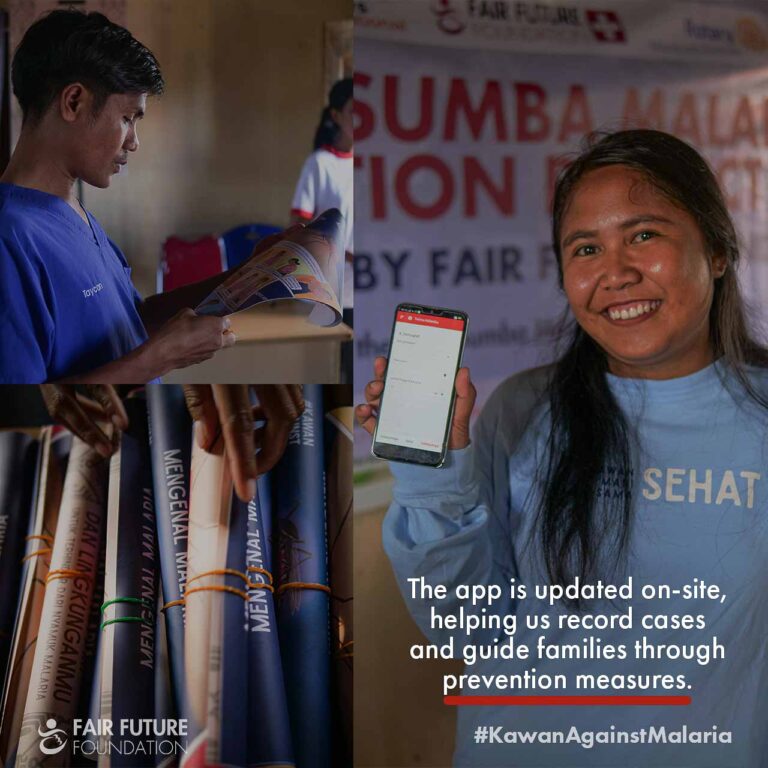
All collected data is systematically entered into the dedicated malaria application we developed, creating a seamless link between education, testing, and epidemiological observation. This data-driven approach allows teams to refine prevention strategies based on real-time field insights rather than theoretical assumptions.
These education sessions are held throughout the year. Malaria control in ultra-rural settings requires persistent, methodical efforts. As knowledge becomes second nature, families begin to protect themselves more effectively—reducing exposure and taking responsibility for their health. This is prevention firmly embedded in daily life.
About the East Sumnba Malarai Prevention Program: All documents are publicly available via this article, including the final report and the comprehensive accounting annexes. For audit and traceability purposes, the online digital version remains the sole authoritative record.
Today, the 3rd of February2026 – Alex Wettstein
In Short | Prevention that stays
In Marada, malaria education continues beyond the session. Posters remain on walls, knowledge circulates inside families, and testing data feeds continuous field monitoring. By repeating these sessions throughout the year, medical teams transform prevention into routine practice. This long term approach reduces delayed diagnosis, strengthens household protection, and anchors malaria control in everyday life rather than emergency response.
Malaria community education sessions
Malaria community education in Marada
Clinical prevention built with families
Community malaria education sessions in Marada are designed as clinical interventions rooted in prevention, early detection, and behavioural change. In this ultra-rural area of East Sumba, malaria remains a daily risk driven by stagnant water, limited access to care, and delayed diagnosis.
During each session, Fair Future Foundation teams work alongside Kawan Baik Indonesia field staff to explain malaria transmission, recognise warning signs, and demonstrate practical prevention tools. Posters from the Kawan Against Malaria programme are reviewed in detail to help families visualise symptoms, mosquito behaviour, and night-time protection strategies. Children actively participate, reinforcing prevention messages within households.
Rapid diagnostic tests are performed on site under strict hygiene protocols. In regions where distance to medical facilities can turn a fever into a life-threatening condition, early testing enables immediate referral, treatment initiation, and follow-up. Each test is handled carefully, respecting both medical standards and community trust.
Posters are distributed to every household as a permanent reference. These sessions are repeated throughout the year, creating continuity rather than one-off interventions. Education, testing, and data recording through the malaria app form a single system embedded in daily life.
Malaria control in ultra-rural settings is slow, precise work. When knowledge becomes routine, families reduce risk, protect children, and actively participate in disease prevention.
Alex Wettstein – Fair Future Foundation medico-social camp in East Sumba – Rumah Kambera, Lambanapu – the 3rd of February 2025


List of Related Organisations with Hyperlinks
- Rotary International: Global humanitarian network supporting malaria prevention, community education, and long-term health programmes in remote and underserved regions.
- Malaria Partners International: Specialised organisation focused on malaria education, prevention strategies, and support for local field teams in endemic and rural settings.
- World Health Organisation: Provides international technical standards, surveillance guidance, and evidence-based frameworks for malaria prevention and control worldwide.
- PATH: Global health organisation developing diagnostic tools, prevention solutions, and community-based interventions for malaria and infectious diseases.
- Clinton Health Access Initiative: Strengthens access to malaria diagnostics, medicines, and sustainable health systems in low-resource and high-burden countries.