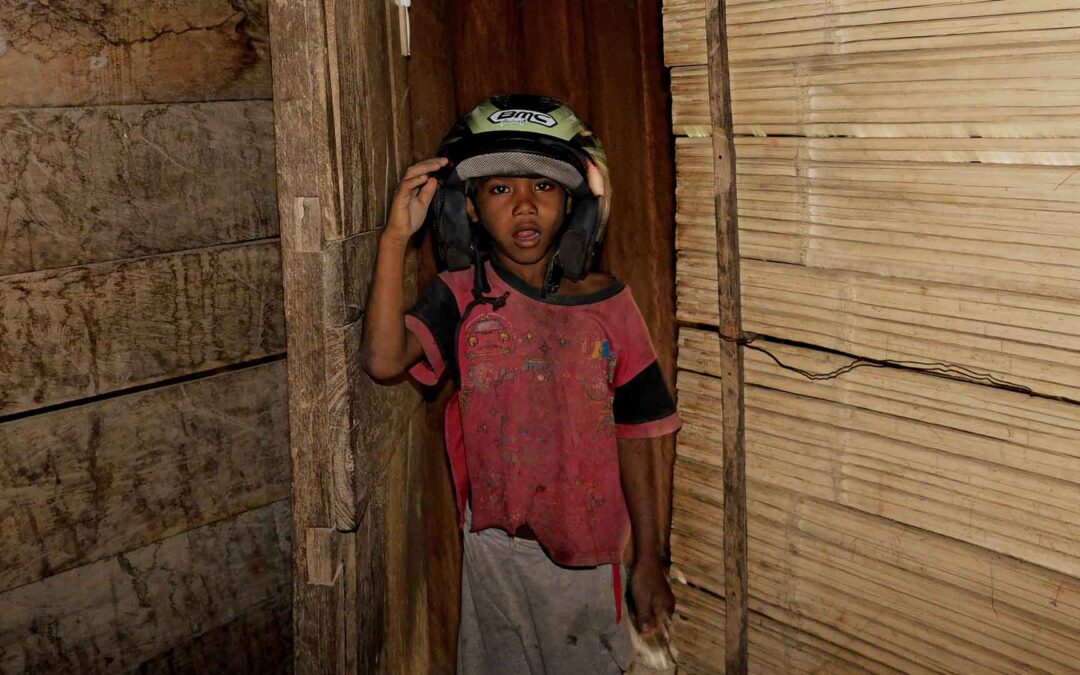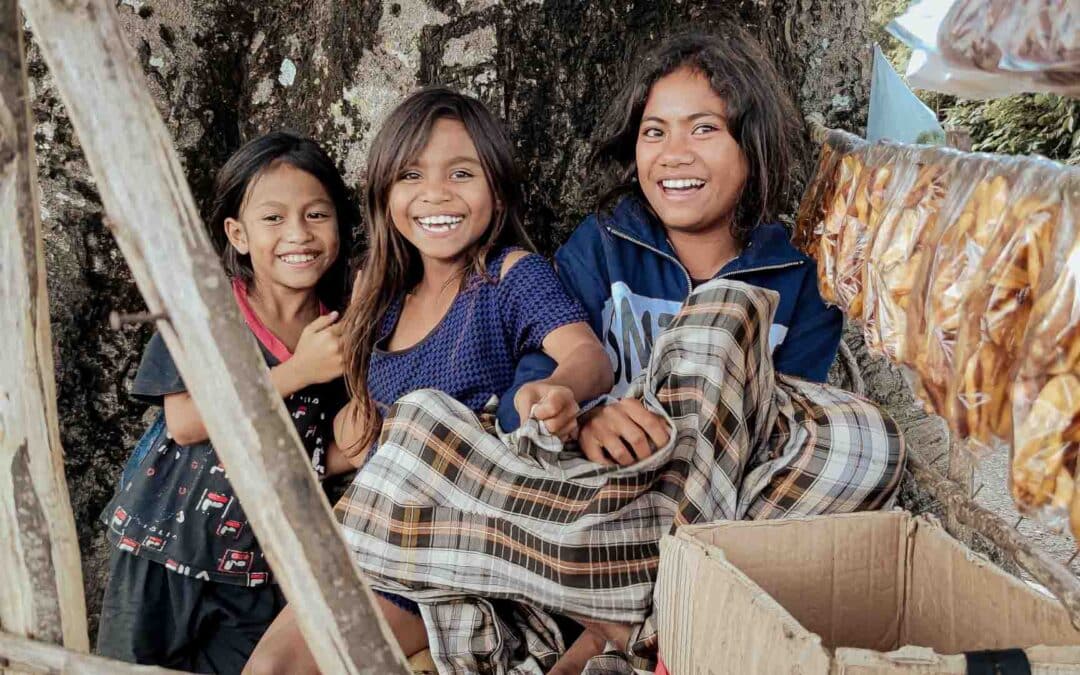
We distributed 450 malaria mosquito nets across East Sumba villages. Each family received a net, printed guidance, and a sewing kit for repairs. By combining distribution with education, families learned why correct use matters for preventing deadly malaria infections.
Preventive Health

The Preventive Health category focuses on reducing disease and health risks before medical emergencies occur in ultra-rural settings.
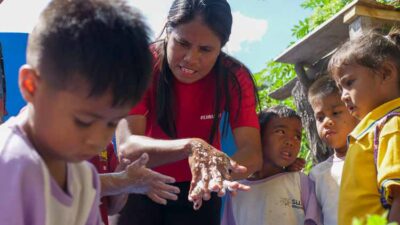
Articles document disease prevention strategies including hygiene promotion, vaccination support, nutrition, environmental health, and repeated community education. These interventions follow WHO prevention frameworks, emphasizing early action, risk reduction, and behavior change to limit avoidable illness. By strengthening awareness and daily preventive practices, this category shows how prevention remains the most effective, sustainable, and accessible medical intervention where healthcare access is limited.
Latest field updates
Medical equipment donation to RSUD Waingapu hospital
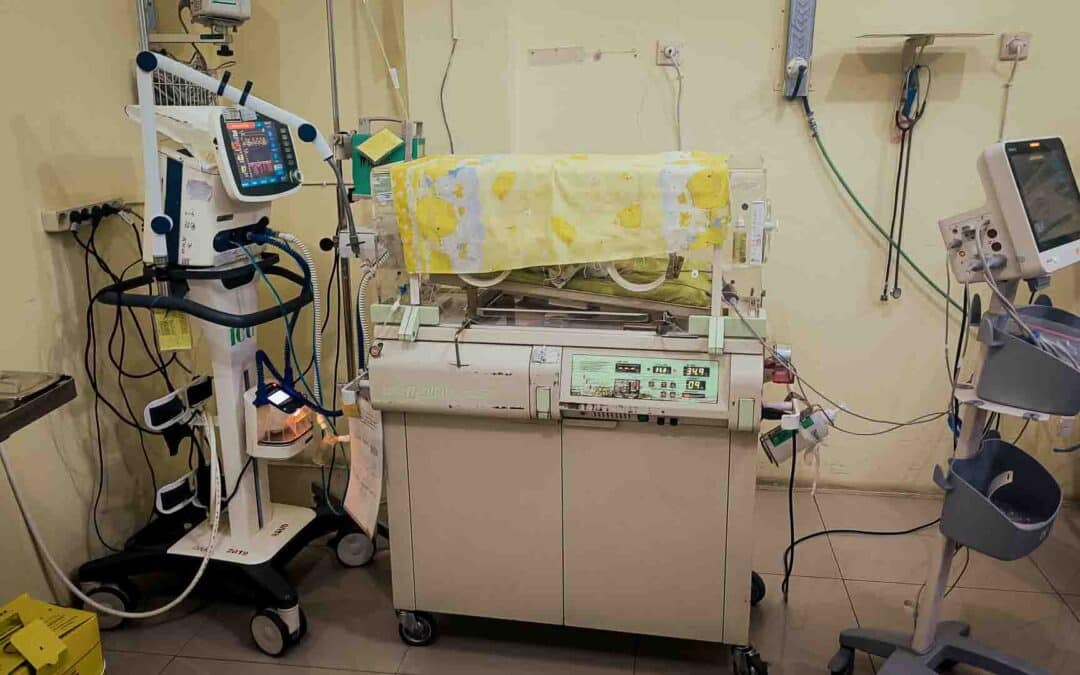
Fair Future delivered CHF 12000 in essential medical equipment to RSUD Waingapu, Sumba’s sole public hospital serving nearly 1’000’000 people. This medical equipment donation was based on the real needs expressed by doctors and nurses, ensuring frontline teams receive the tools they truly require.
Malaria rapid tests reveal cases in Umalulu
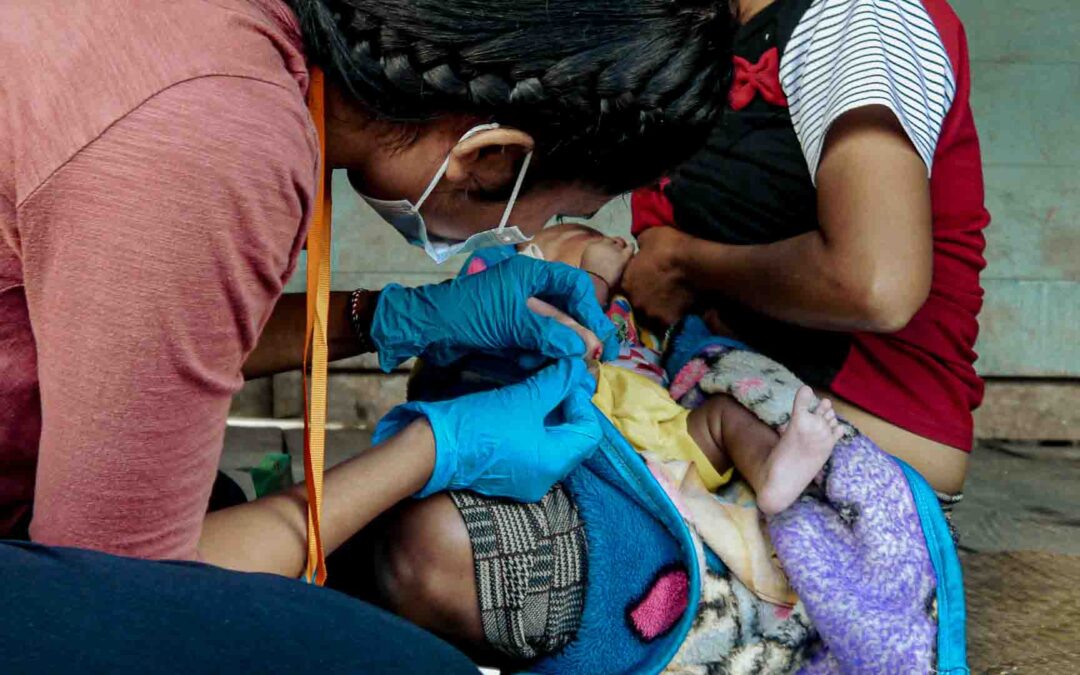
During our fieldwork in Umalulu for the East Sumba Malaria Prevention Project, rapid diagnostic tests confirmed new positive malaria cases—children, women, and adolescents—despite being outside peak season. Without testing, cases remain invisible. Testing saves lives.
Indoor Residual Spraying malaria – Fair Future Foundation
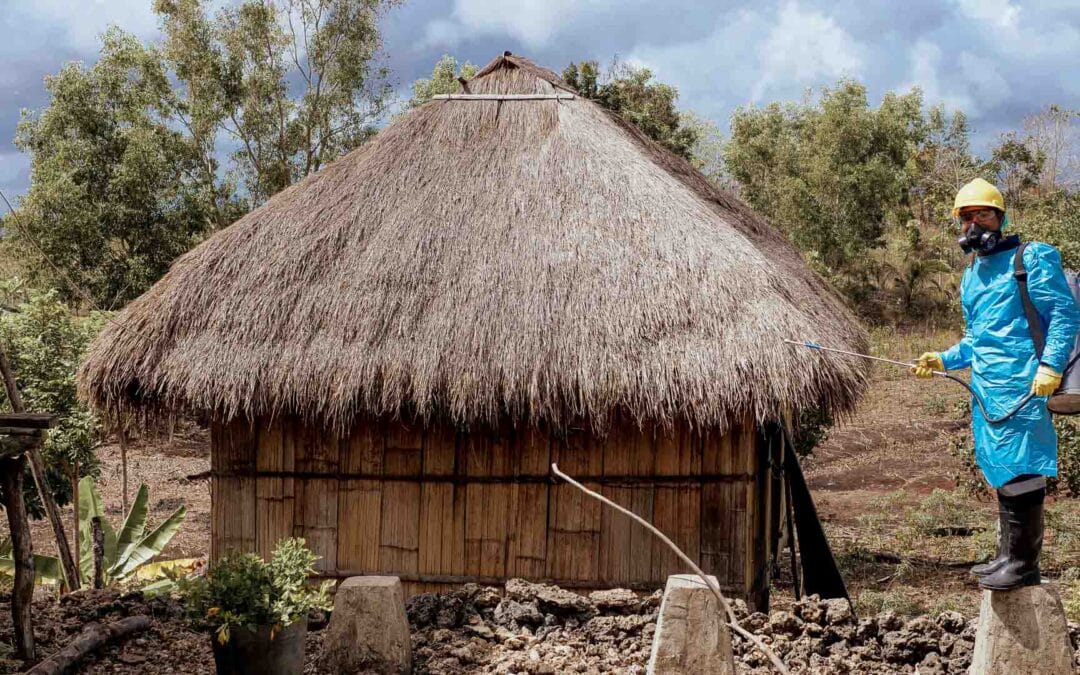
The Kawan Against Malaria program delivers Indoor Residual Spraying malaria operations in East Sumba. Trained teams spray bamboo and wooden homes, surface by surface, to kill mosquitoes and reduce transmission. Each treated house becomes a safer place for children and families.
Medical Donation to RSUD Waingapu
Fair Future and Kawan Baik Foundations delivers over 40 types of medical equipment to RSUD Waingapu, the only referral hospital for 800000 people in East Sumba. This life-saving donation strengthens neonatal, surgical, diagnostic, and emergency care.
East Sumba Malaria Prevention 2025
Fair Future and Kawan Baik Indonesia lead a three-month malaria prevention project in East Sumba. The initiative combines lab training, awareness campaigns, indoor spraying, and the distribution of insecticide-treated nets to protect thousands of vulnerable families.
SolarBuddy quality control for Sumba’s children
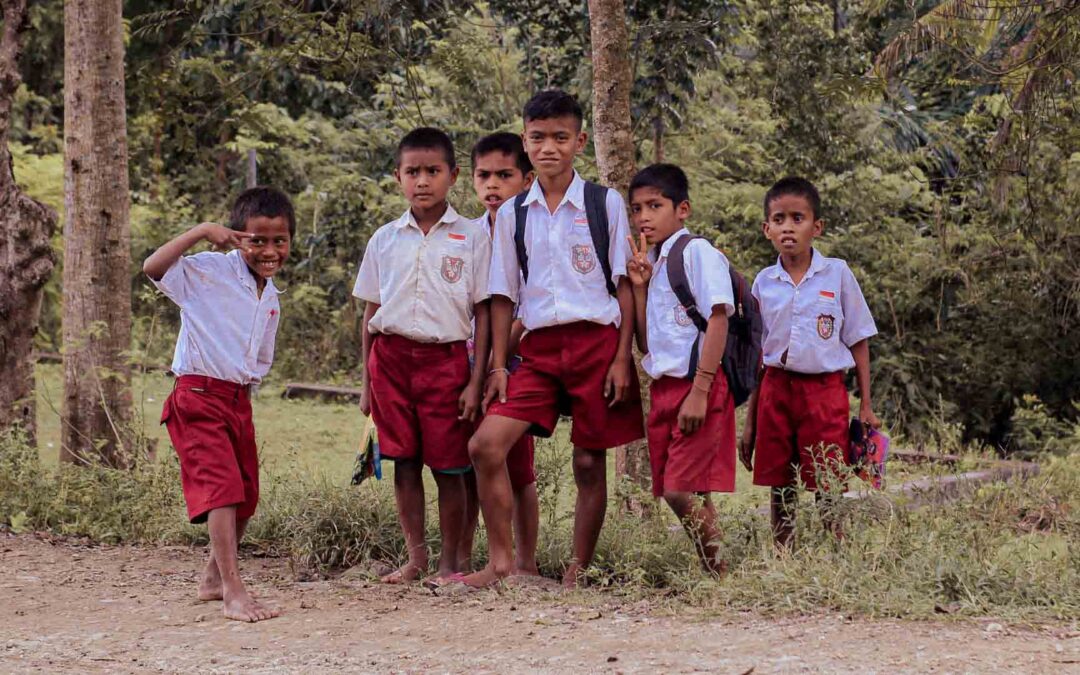
Over two focused days at Rumah Kambera, volunteers and Rotary members tested, repaired, labeled, and registered 2,224 SolarBuddy lamps so children and schools in East Sumba can study safely without toxic kerosene and darkness.
Blood Donation in Rural Indonesia
In Indonesia’s remote villages, giving blood can be the only available emergency care. A single donation may save the life of a mother, child, or accident victim. In places without hospitals, your blood is their hope.
My Waste My Responsibility for a Healthier Future
In Indonesia, unmanaged waste pollution poses a significant threat to lives by causing diseases and environmental harm. Our campaign, “My Waste My Responsibility,” calls for urgent action to address this crisis and advocates for improved policies. We focus on educating the public, taking action, and striving for cleaner air and water to foster…
Mental Health Support in Rural Indonesia
In the remote corners of Indonesia, mental health struggles often go unnoticed. Fair Future builds bridges of empathy through local presence, active listening, and community-based care to help children feel heard.
Secondhand Smoke Is a Public Health Crisis
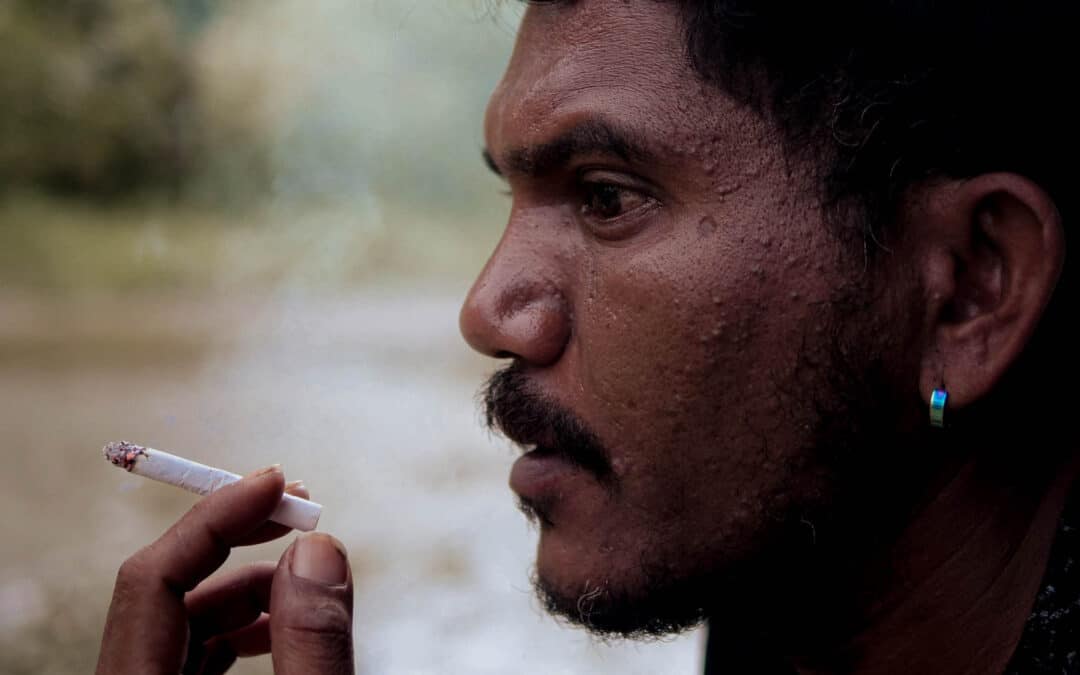
Secondhand smoke is a health crisis. In Indonesia, millions inhale it daily without choice. Children, pregnant women, and workers are paying with their lives. Clean air must become a right, not a privilege.
Menstrual Health and Dignity in Rural Indonesia
Fair Future tackles taboos surrounding menstrual health by empowering girls with access to hygiene, medical care, and education. It’s not just about health: it’s about restoring dignity and equality.