Sanitary facilities, showers, toilets, a wastewater collection tank… This was a pilot project for the foundation. Today it is something normal. How do we build healthy, ecological, environmentally friendly sanitary facilities using mainly local materials (apart from sand, iron and cement)?
We have compiled a list of articles and pages for this topic
The Fair Future Foundation in East Indonesia combats social and medical injustice and aims to ensure everyone has access to healthcare, clean water, and education. Join us in making a difference.
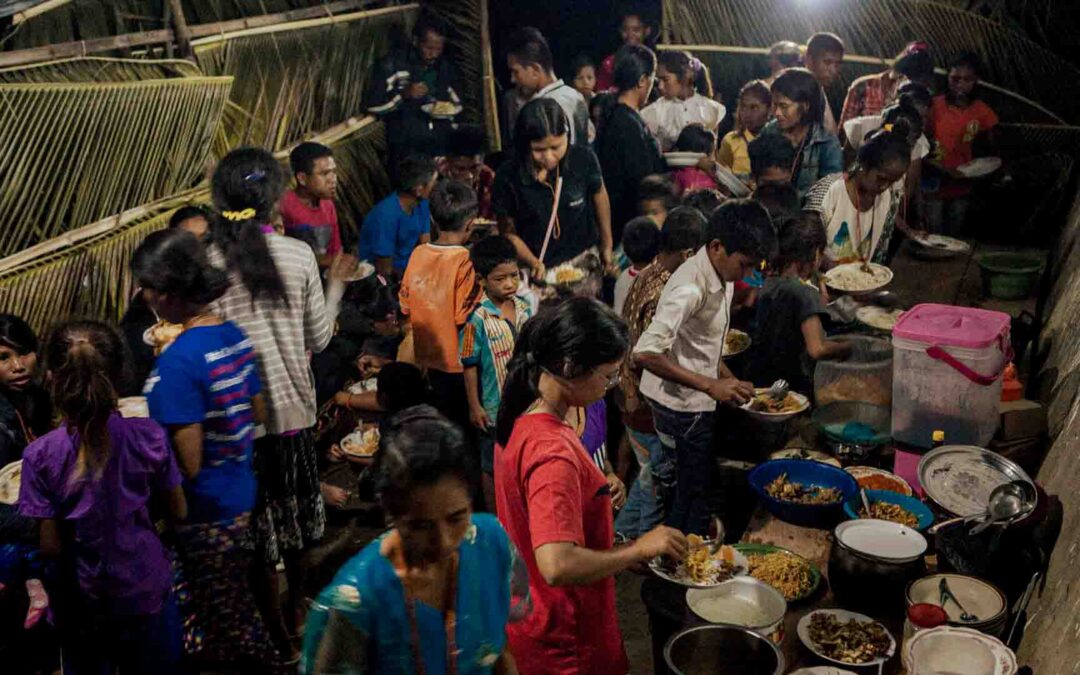
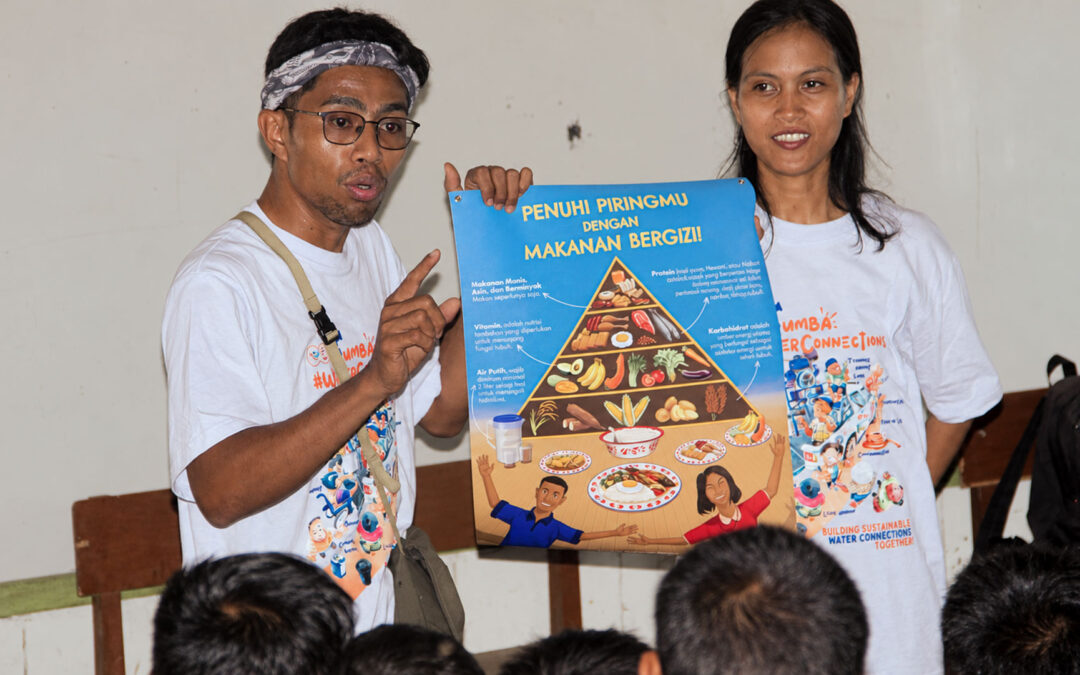
Promoting access to healthy food to prevent malnutrition and improve child development.
The Interactive Map of Water Connections Project
Fair Future develops participatory monitoring tools as part of its screening and definition of needs. This map is produced as part of the #WaterConnections project. It is updated as a new sewerage installation, a new deep borehole, a new clean water reservoir and everything that directly or indirectly affects this project is built.
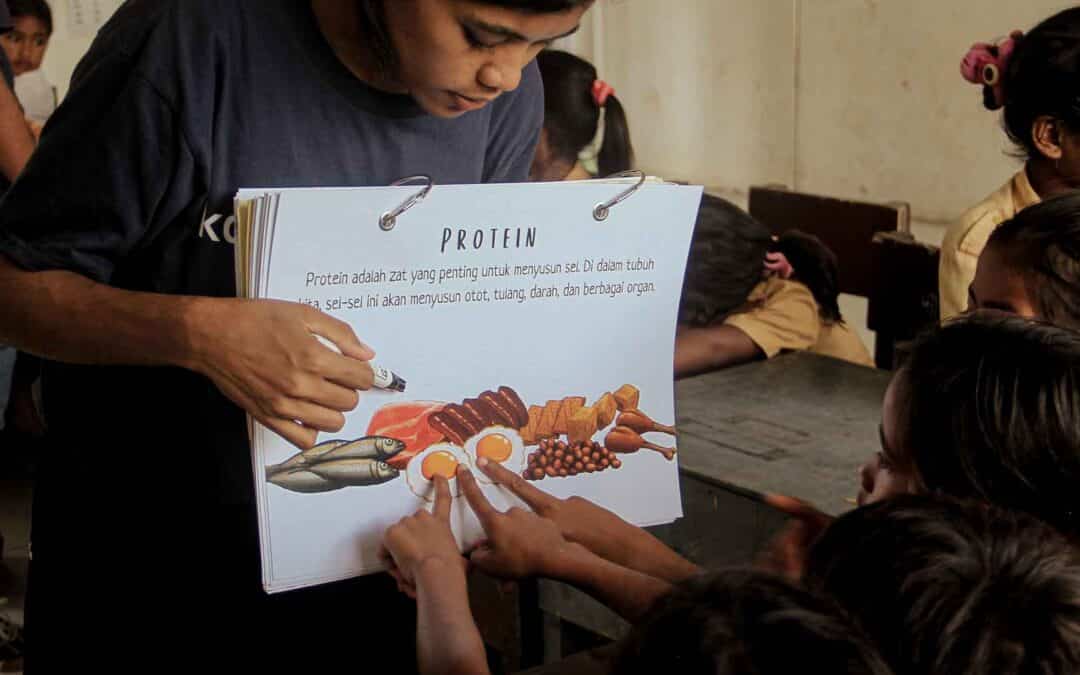
Nutrition and Food for Remote Villages
The Nutrition and Food Program helps rural families access better food, grow home gardens, and improve their health. Linked to clean water, it tackles malnutrition and supports children’s development. In ultra-rural areas, food is not a given; it’s a survival challenge we face together.
Benefits of Clean Water in life
The Benefits of Clean Water Influence the Daily Lives of Children and Adults and Impact the Quality of Life in a Community for Generations to Come. Fair Future sees a change in the habits of families who benefit from the Water Connections program. Without drilling deep wells here, families will not be able to access clean water and will have to…
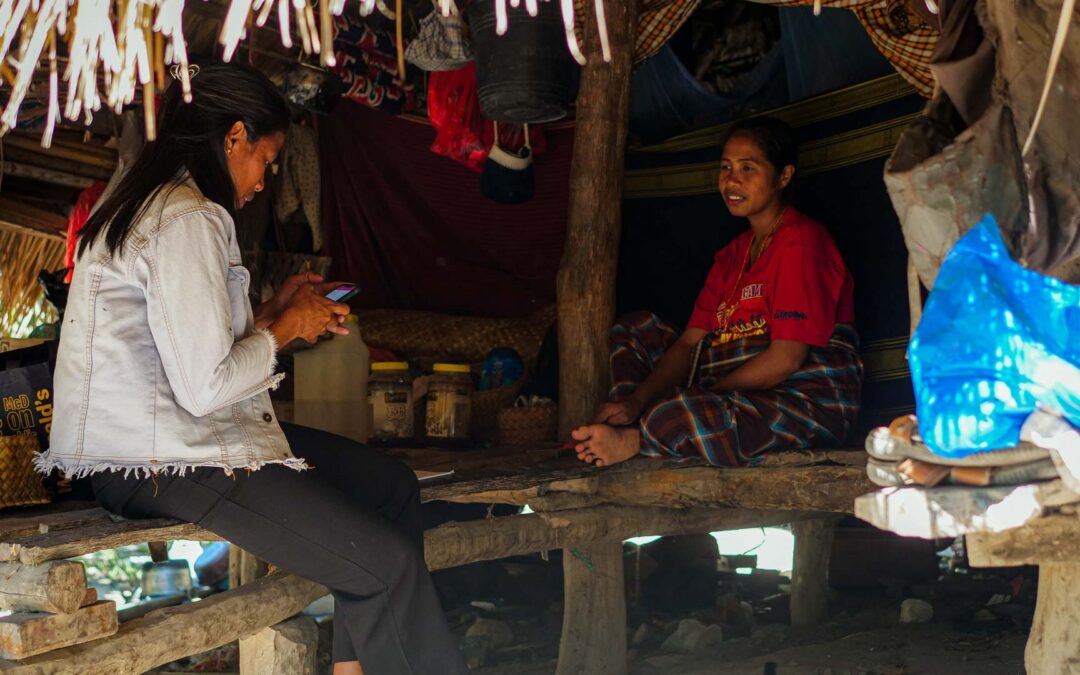
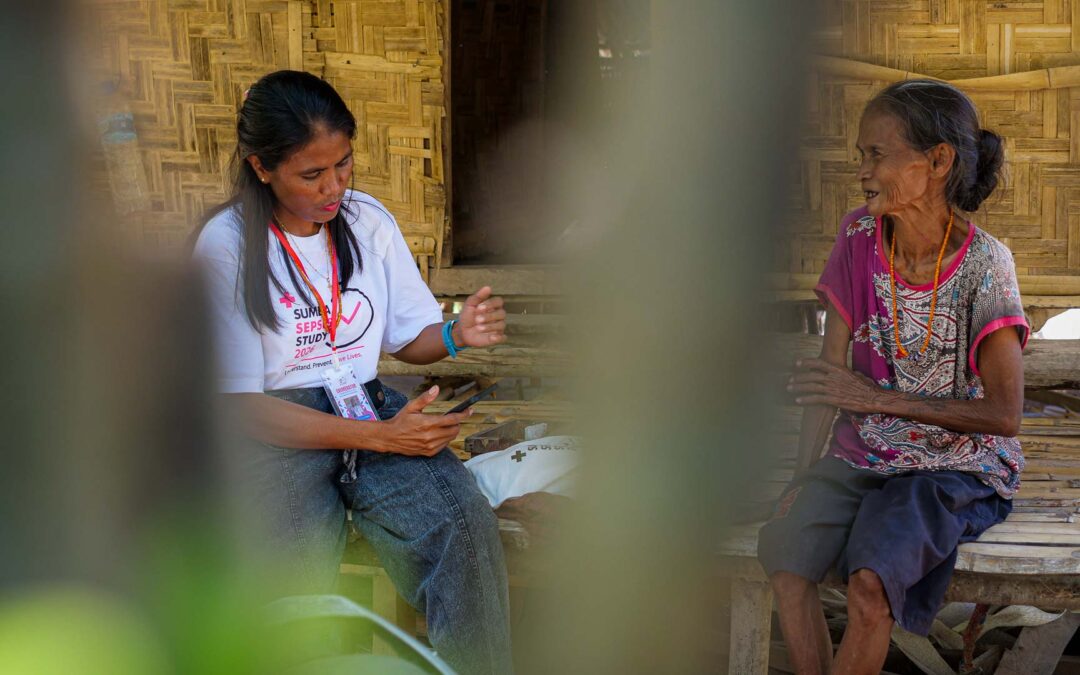
Sumba Sepsis Study 2026: Interactive Results
Explore the Sumba Sepsis Study 2026 results from 1,001 households and 162 healthcare-worker submissions. Compare eight East Sumba localities, examine barriers to prevention and care, and read the updated v1.1 report.
Malnutrition and Health in Rural East Sumba
Malnutrition in rural East Sumba affects children and vulnerable adults through food insecurity, monotonous diets, unsafe water, repeated infection and limited access to care.
Sumba Sepsis Study 2026 | Preliminary IMRAD Report
Published for World Sepsis Day, the preliminary East Sumba sepsis study brings together 1,001 household interviews and 162 healthcare-worker responses. It documents major gaps in WASH, timely access, sepsis training, treatment readiness and referral without claiming sepsis prevalence.
MBG Food Safety | Indonesia’s School Meal Safety Crisis
Indonesia’s MBG programme was built to improve nutrition, yet repeated food-poisoning outbreaks have exposed a basic failure in food safety. More than 50,000 cases and 1,999 suspended kitchens show why mass feeding requires strict hygiene, safe water, temperature control and accountability.
The drilling of the first well in Mbinudita, East Sumba
The procedure for drilling the first well in Mbinudita as part of the Water Connections project. A work of Titan in insane conditions. Three weeks of life on site in the rain, working around the clock to reach a relatively deep water table since clean, clear and healthy water is found at a depth of just over 60m.