Donate
Select Page

We have compiled a list of articles and pages for this topic

The Fair Future Foundation in East Indonesia combats social and medical injustice and aims to ensure everyone has access to healthcare, clean water, and education. Join us in making a difference.

· Environment & Climate

Extreme heat risks in pregnancy and newborns

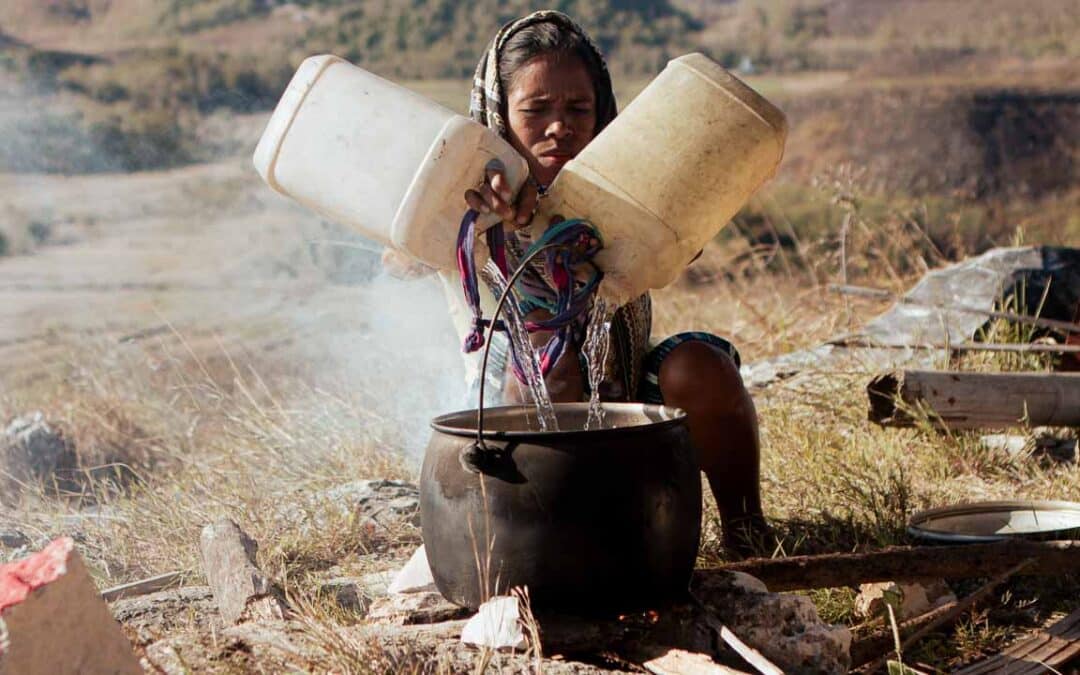
In remote East Sumba, scarce water and little shelter from heat and dust make it harder to stay cool and maintain hygiene before and after birth. Read →

1 / 10
Connecting Families in Rural Indonesia with clean water

Connecting Families in Rural Indonesia with clean water

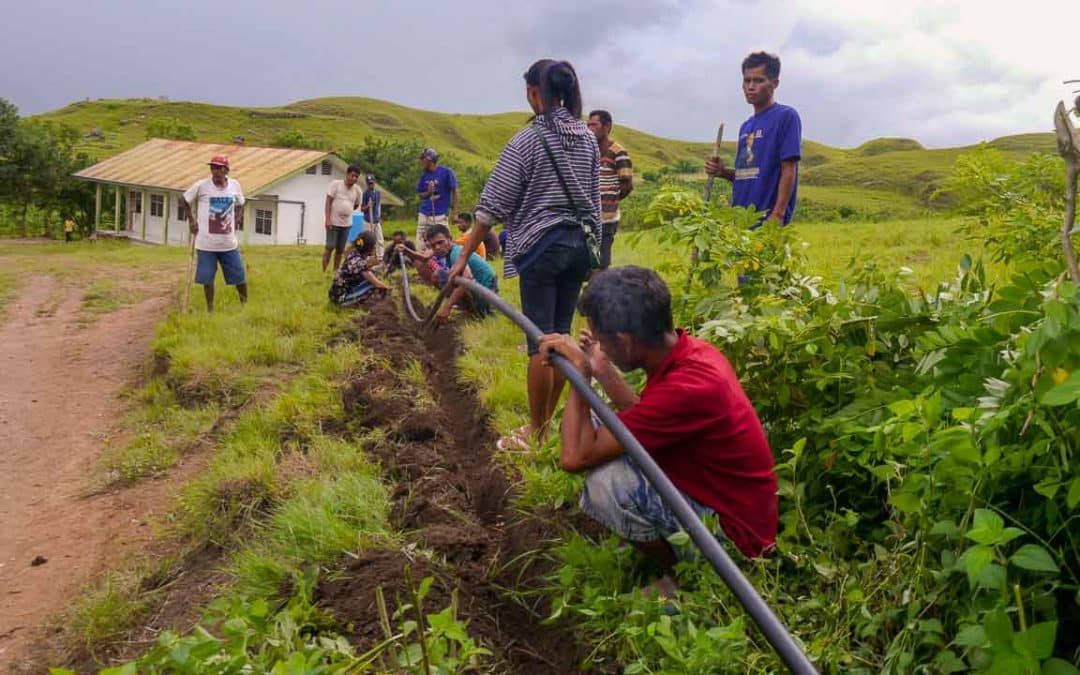
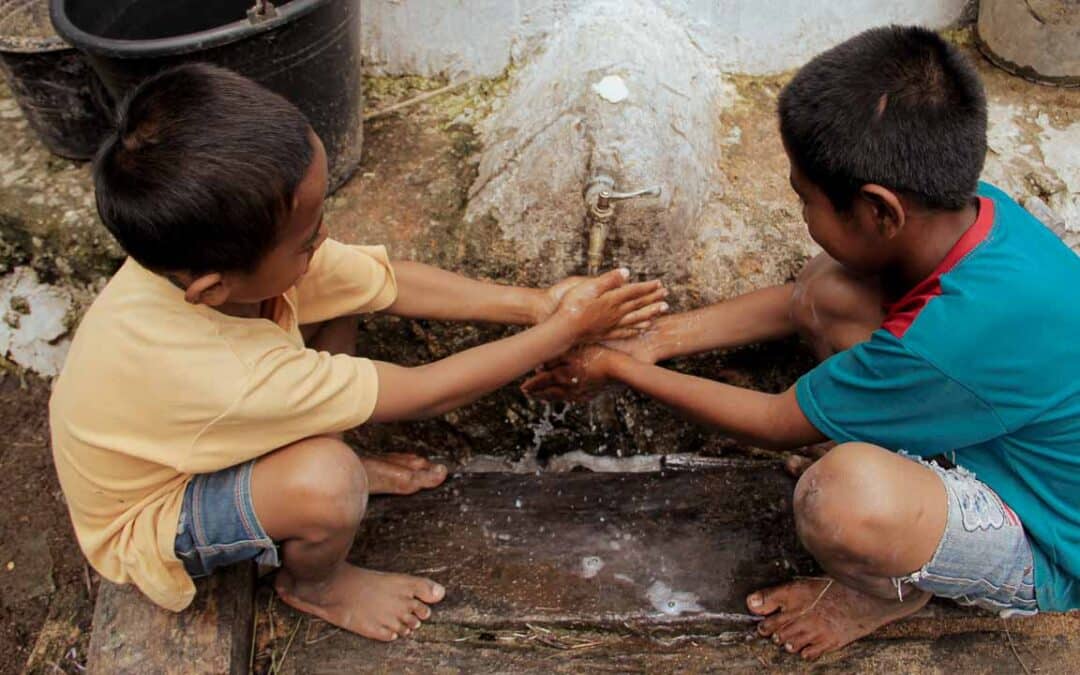
In this new “Picture of the Day”, around ten people are seen burying HDPE pipes between a new 5000-liter ferro-cement tank and another 5000-liter ferro-cement tank. These pipes will later connect the new sanitation facilities, the school, the village houses, and the latest installation of eight sinks These sinks will allow the village’s children to wash their hands.

The #WaterConnections projects we carry out in ultra-rural villages in Indonesia, such as Laindatang, embody much more than a simple water installation. They symbolize a profound transformation in the living conditions of the communities where we work. By connecting kilometres of heavy and robust HDPE pipes, we weave water supply networks and links of solidarity and mutual aid between residents and our team.

These pipes, which we carefully bury to protect them from savannah fires—a work we do with the villagers—are not only water pipes; they are the vectors of better health and a vastly improved quality of life. Access to clean water radically changes the daily lives of these families. Drinking, cooking, washing, watering a garden, or simply washing have become simple and safe, eliminating many risks of using contaminated water.

The availability of clean water has a direct and measurable impact on the health of communities. Infectious diseases, often spread by unsafe water, see their rate drastically reduced once access to quality water is secured. Ailments such as malaria, diarrhoea, cholera, typhoid, and other water-related illnesses, which previously were part of daily life in these villages, are beginning to disappear. By providing a reliable source of drinking water, we attack the root of one of the leading causes of malnutrition, allowing safer food and facilitating the irrigation of small vegetable gardens, sources of better, fresh and nutritious food.

Beyond health, #WaterConnections is also revolutionizing villages’ social and economic fabric. Women and children, who were often responsible for collecting water, sometimes from long distances, were freed from this time-consuming and exhausting task. Children can devote more time to their education, and women to income-generating activities or personal development. This creates a dynamic of progress and empowerment within communities, promoting the emergence of new opportunities for all.

This project is not only a technical response to the problem of access to water; it is a door to a healthier, more equitable and more promising future for hundreds of families. By building these facilities, training residents in their maintenance, raising awareness of the importance of hygiene and sharing our knowledge, Fair Future and all our teams on site are sowing the seeds of an innovative and, above all, sustainable transformation. Each pipe laid, each meter of buried pipe, and each drop of clean water that arrives in a home brings us closer to this future for those families officially qualified by the national authorities as “Extreme Poverty”.

Thanks to the support of donors and partners, these projects can come to fruition. We are grateful to everyone from Rotary, those involved in the fight against malaria (RAM), and supporters from Switzerland, Indonesia, and worldwide. Together, we can save lives.

Your help is vital in supporting our mission to reach more villages and improve more lives. Water is essential, and together, we can make life healthier, safer, and more full of opportunities for Indonesia’s ultra-rural communities. Thank you for your ongoing support and for believing in our cause.

Alex Wettstein – Fair Future Foundation medico-social camp in East Sumba – Rumah Kambera, Lambanapu – The 27th of March 2024

read more
Revolutionizing Health in Laindatang with New Sanitation

Revolutionizing Health in Laindatang with New Sanitation

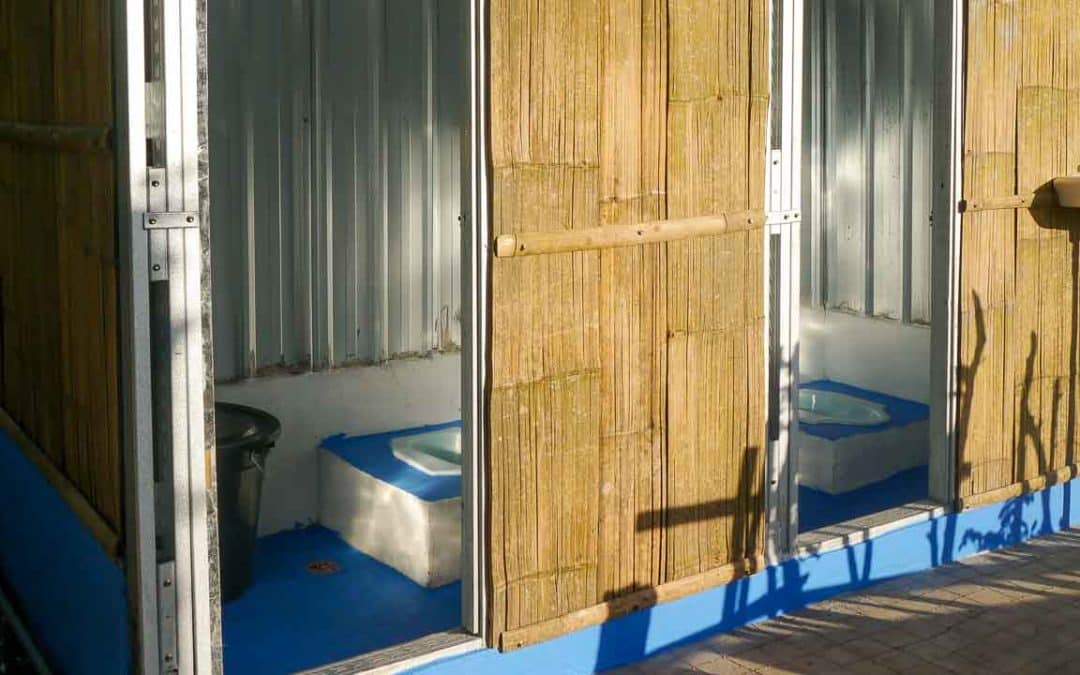
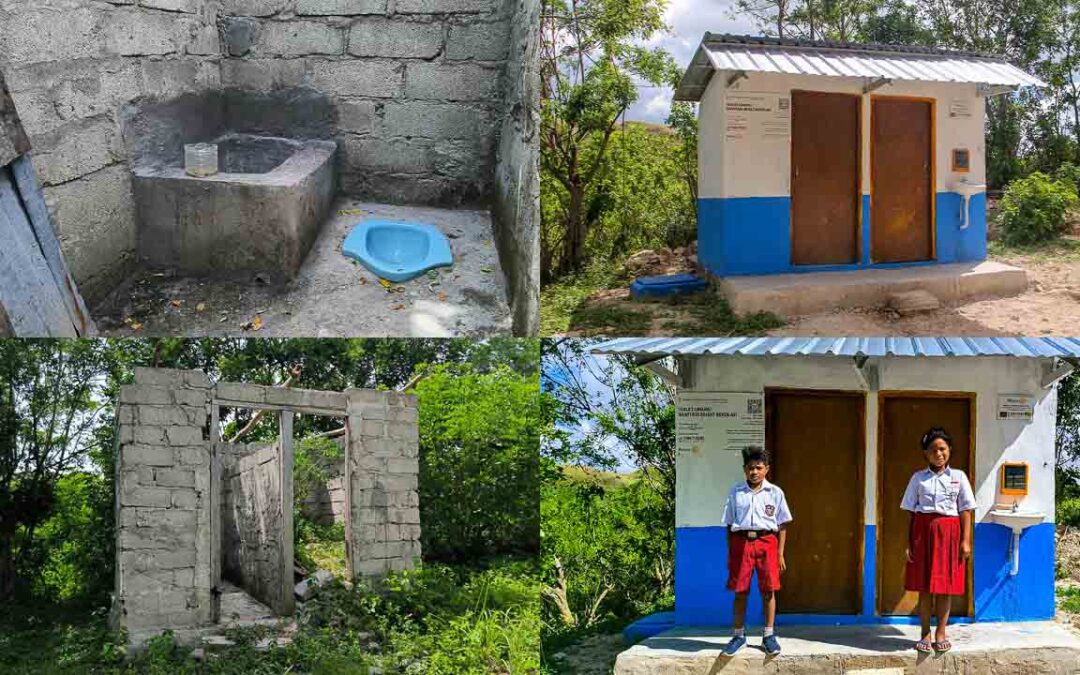
The new “Picture of the Day” features the newly completed sanitary facilities in the village of Laindatang. It’s a revolutionary development for these families, who previously lacked access to toilets, showers, and clean water. Fair Future has been actively involved in this area for 18 months and is making significant changes to improve people’s health and preserve lives.

In the village of Laindatang, the concrete and vital action of the Fair Future Foundation is manifested through the #WaterConnections project. Before our intervention, living conditions in this village were precarious, and there was no access to basic sanitation facilities or clean water. Families live daily, facing the daily challenges posed by the lack of hygiene and the health risks that arise from it.

Completing the second sanitation facility in the village marks a turning point. These facilities, including a handwashing sink, represent a revolution for the community. Hand hygiene’s simple yet crucial importance cannot be underestimated in the fight against infectious diseases. The source of this transformation? Four new ferro-cement reservoirs, the fruit of our ingenuity and determination, and a deep borehole that symbolizes our ongoing commitment to the Laindatang community.

These facilities, separated by gender, offer private space for showering, washing clothes, and much more. They are equipped with safety tanks divided into three parts, designed to filter and separate water at different stages of use in accordance with international water purification standards. This distinction between clean, shower, and dirty water is essential for preserving water quality in the village, a pillar of our mission to combat transmissible diseases.

Implementing these sanitation facilities has a profound impact on the health and well-being of the villagers. By eliminating unsanitary practices such as open defecation, we directly reduce the risks of infectious disease transmission, a primary concern in these ultra-rural areas. This action represents a significant step forward in our fight against diseases like Malaria, Diarrhea, Cholera, Polio and other water and hygiene-related infections.

Beyond the sanitary aspect, these facilities strongly impact the dignity and privacy of individuals, particularly the women and girls of the village. Having access to private toilets with a closed door is a matter of personal respect, safety, and female health preservation. This dramatically changes the daily dynamics of the village, offering a healthier, safer, and more dignified living environment.

This achievement results from the commitment of the Fair Future Foundation and its partners, but above all, it demonstrates our will to put humans at the heart of our actions. Each project and each initiative we undertake aims to concretely improve the lives of the communities we serve by providing sustainable solutions to the challenges they face. In Laindatang, as in every village where we intervene, our mission is clear: to build a fairer, healthier, and more equitable future for all.

Alex Wettstein – Fair Future Foundation medico-social camp in East Sumba – Rumah Kambera, Lambanapu – The 27th of March 2024

read more
Water Connections Project for Lapinu Set for 2025

Water Connections Project for Lapinu Set for 2025

We’ve completed two days of project studies in the ultra-rural village of Lapinu and hope to begin a six-month Water Connections program in January 2025. The project will provide clean water infrastructure and a well for nearly 60 families living in extreme isolation. More details to come soon!

read more
Disease prevention, detection and treatment in rural areas

Disease prevention, detection and treatment in rural areas

The teams of Fair Future and Kawan Baik are highly respected for their steadfast dedication to assisting ill and underprivileged individuals residing in far-flung rural areas of eastern Indonesia. Their selflessness holds true significance to them. However, it's not widely known that their medical and social teams put in tireless efforts, even during nighttime and 7-day workweeks. Through this new "Picture of the Day," we offer you the opportunity to witness their work as they combat health issues like malaria, unsafe water, and malnutrition while sacrificing their sleep.

Diseases can strike at any time, even in the darkness of night. The teams, equipped with masks and Sumba coffee, fight against these illnesses. And during this time of the malaria epidemic, doctors, nurses and volunteers are working tirelessly to provide treatment to patients.

Their dedication and passion go above and beyond the call of duty, even working late into the night to provide lifesaving care. They save lives and do so with unwavering energy and enthusiasm.

On the spot, at all hours of the day or night, they not only treat the symptoms, they also attack the root causes of health problems. Fair Future and Kawan Baik foundation fight against diseases related to dirty water by providing facilities through the #waterconnections program and raising awareness in communities about the importance of hygiene. Their mission is to make communities more resilient and prevent diseases before they even appear.

Even when faced with difficult challenges and trying situations, the teams remain resilient and optimistic. Their sense of humor is a crucial component that aids them in overcoming tough times. It also fosters a strong bond between them, enabling them to maintain a positive outlook.

Alex Wettstein shares a few words about the Foundation's medical and social teams, who work tirelessly to help people who are sick or have urgent needs.

read more
Water and sanitation are crucial in the fight against malaria

Water and sanitation are crucial in the fight against malaria

Check out the latest addition to our "Photo of the Day" collection featuring our colleague Kawean Essi. In the village of Mbinudita (East Sumba), Kawan Essi teaches a hundred villagers of all ages, including children, about the importance of clean and safe water and how it can lead to a healthier life. The "Water Connections" program is a practical approach to fight against various infectious diseases, such as malaria.

In the fight against malaria, it's essential to acknowledge the progress made. However, we must also recognize the crucial role of hygiene, clean water, and sanitation in eliminating this disease. This is why the Water Connections program exists – to provide access to these necessities. 

At Fair Future, we understand that improving these fundamental aspects of daily life can significantly prevent malaria transmission and ultimately save lives. Addressing issues such as hygiene, water, and sanitation is crucial in the fight against malaria because they directly impact mosquito breeding, access to clean water, hygiene practices, and vector management.

We prioritize these issues in all our activities, particularly in implementing the "Malaria Prevention Initiative Sumba Timur 2023" program, which we aim to start as soon as possible as part of the PMC, Primary Medical Care program.

Together, we can dramatically reduce malaria transmission and improve the health and well-being of affected communities. We must prioritize these efforts to save lives, prevent unnecessary suffering, and move towards a significant decrease in malaria cases, especially here in Sumba, where we currently are.

read more
Healthy Living Posters Distributed to Local Health Centers

Healthy Living Posters Distributed to Local Health Centers

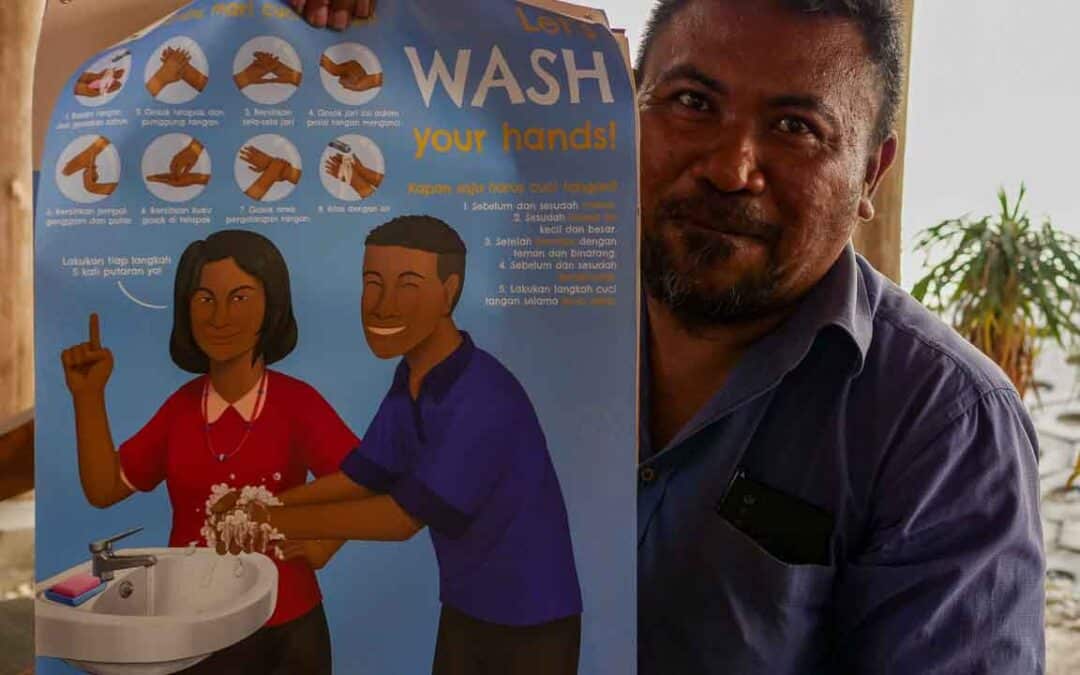
We have distributed our healthy living posters to local Puskesmas (health centers), and their directors were delighted. The posters are engaging and easy to comprehend, incorporating local characters and language. Teaching rural communities simple methods for disease prevention, such as handwashing, is truly rewarding.

read more
Malaria in East Sumba: All villages turned Red!

Malaria in East Sumba: All villages turned Red!

This new "Picture of the Day" shows you a brave but sad mom who asks for care for her little boy. She is a courageous but sad mother who seeks care for her little boy, who suffers from Malaria. With pain and more than 40 fever, He is the example of the "typical patient" here: Under five years old, this family lives in an ultra-rural and marginalized area. She is poor, and they don't have access to medical care or enough food and clean water; They don't have toilets either. Moreover, the whole village does not have access to electricity.

The medical staff of Kawan Baik and Fair Future Foundation bring him relief and medicine to lower his fever and get better as soon as possible. We also talk to the mother and give her good advice.

Let me re-explain to you what malaria is and why this disease is hazardous, and the categories of people it affects in the first place:

Malaria is caused by parasites transmitted by the bites of infected mosquitoes. Although anyone can get malaria, specific categories of people are more susceptible to severe illness and complications. We find that the impact of malaria varies by geographic region and local health infrastructure. Our efforts to fight malaria focus on prevention through measures such as the establishment of the Primary Medical Care Program (PMC), mosquito nets, spraying in villages (fogging), and learning to wash with an "ani-malaria or disinfectant" soap, among others. 

1. First, children under five: This is because young children have a weaker immune system and have not yet developed immunity to disease. They are more likely to have serious symptoms and complications, including severe anaemia and cerebral malaria, which can be life-threatening. This is the case here: Infant mortality is very high in ultra-rural areas and marginalized populations of East Sumba.

2. But also pregnant women: Of course, malaria can have adverse effects on both the mother and the unborn child. Pregnant women are at an increased risk of developing severe malaria, leading to complications such as maternal anaemia, spontaneous abortion, stillbirth or low birth weight infants. I spoke to you about a similar case in Kabanda, right?

Public health interventions to provide vital advice to the most affected populations via the #kawansehat program are essential. You have to be close to people if you want to advise them on the best way to have a healthier life.

3. Ultra-rural and marginalized populations: Communities living in rural and remote areas, often with limited access to health care, such as here in East Sumba, are disproportionately affected by malaria. Factors such as poverty, lack of knowledge about preventive measures and limited access to health services contribute to malaria's higher prevalence and impact in these communities.

4. Immunocompromised people: People with weakened immune systems, such as those living with HIV/AIDS, are more likely to contract severe malaria. We are also talking about people with chronic illnesses. Malaria can also aggravate the progression of HIV infection. And concerning the rate of HIV-positive people here is also very high, even with very few tests being conducted.

read more