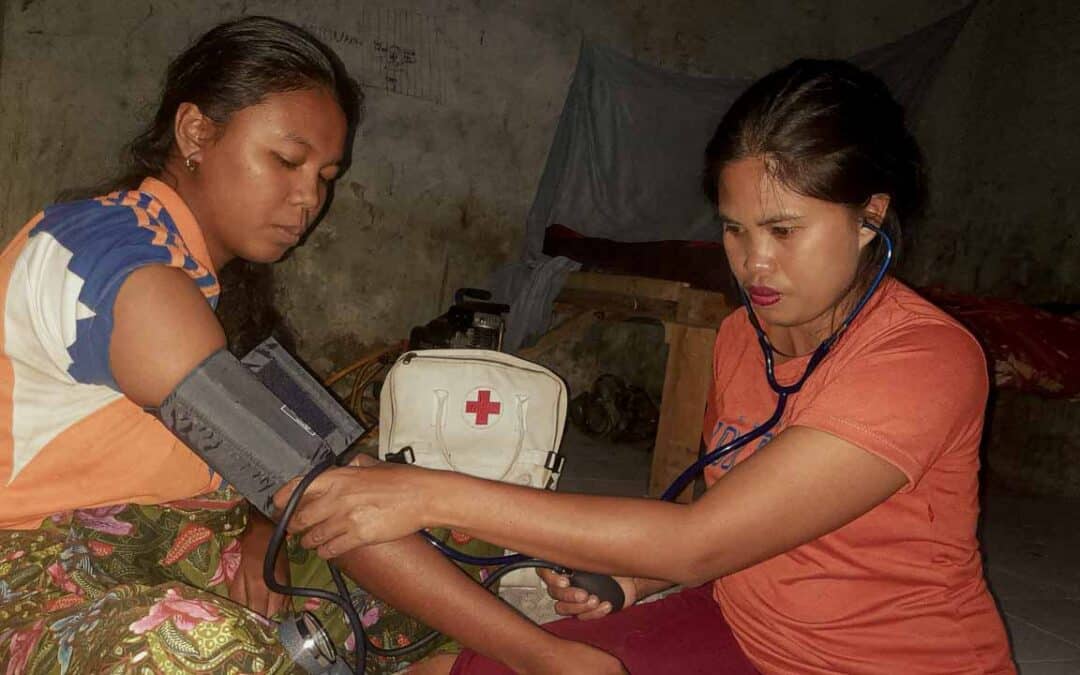
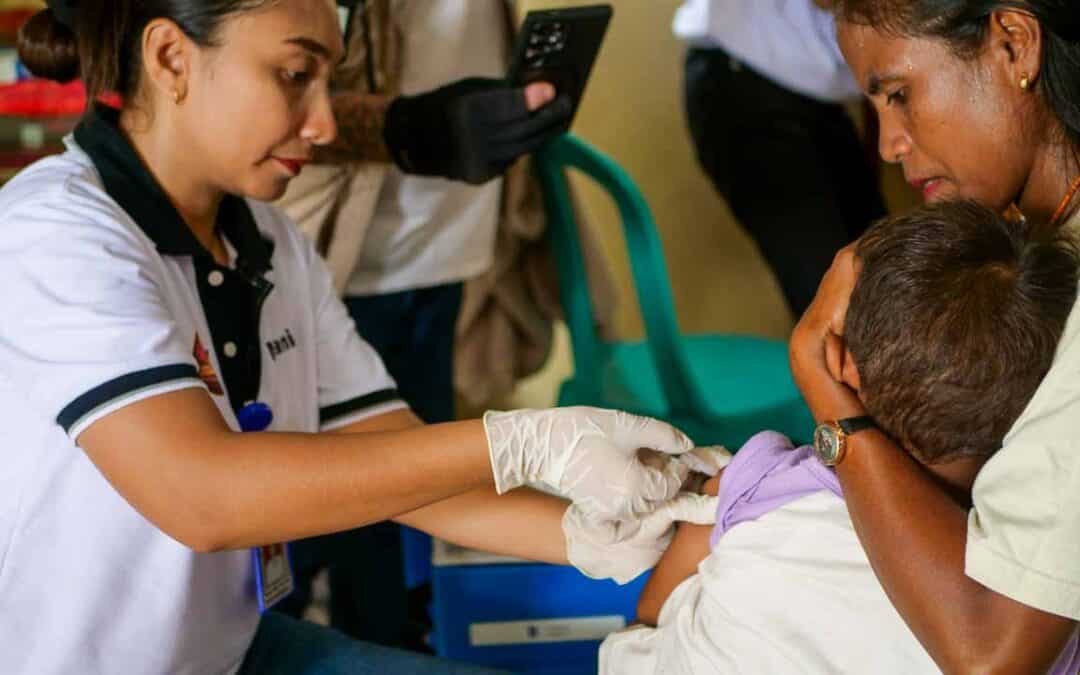
Throughout a full day dedicated to primary medical care, our teams screened and treated over 150 patients with an emphasis on malaria and tuberculosis. The provision of vaccinations, medications, and health education not only saved lives but also fostered trust within the community.
We have compiled a list of articles and pages for this topic
The Fair Future Foundation in East Indonesia combats social and medical injustice and aims to ensure everyone has access to healthcare, clean water, and education. Join us in making a difference.
Focusing on prevention through education, outreach, and resources to stop disease before it starts.
Mira a Health Agent Saving Lives in Rural Villages
Mira serves as a Kawan Sehat health agent, delivering medical care to thousands in remote villages. Armed with essential medical supplies, she addresses injuries, manages illnesses, and educates families on improving their health practices—ensuring that healthcare reaches those who need it most.
Pure Joy: Footballs Bring Smiles to Remote Sumba Children
Children in Haray receive footballs donated through Rotary International while Fair Future teams also carry out health checks and malaria prevention activities in the village.
Lighting Up Lives: SolarBuddy Impact on Kids’ Homes
In remote regions where darkness limits access to education and safety, the SolarBuddy program provides a beacon of hope. These solar-powered lamps are not just sources of light; they are tools for learning and safety, significantly improving the lives of children by expanding educational opportunities and reducing nighttime risks.
Breaking Malaria’s Grip: Transformative Healthcare Solutions for Eastern Indonesia
In ultra-rural regions of Eastern Indonesia, malaria is more than a disease; it’s a systemic issue impeding community development. Fair Future Foundation’s #ZeroMalaria program tackles this crisis head-on with a unique, comprehensive approach. From preventive education to providing immediate healthcare, we are dedicated to breaking the chain of…
Together, we are joining forces in a powerful effort to combat malaria
A collective initiative against malaria is currently underway in East Sumba, Indonesia. Fair Future, kawan baik, and Sumba Volunteers have joined forces with over 100 volunteers, including doctors, nurses, laboratory technicians, water experts, builders, and government officials.
Malaria in East Sumba: All villages turned Red!
This new "Picture of the Day" shows you a brave but sad mom who asks for care for her little boy. She is a courageous but sad mother who seeks care for her little boy, who suffers from Malaria. With pain and more than 40 fever, He is the example of the "typical patient" here: Under five years old, this family lives in an ultra-rural and marginalized area. She is poor, and they don't have access to medical care or enough food and clean water; They don't have toilets either. Moreover, the whole village does not have access to electricity.
The medical staff of Kawan Baik and Fair Future Foundation bring him relief and medicine to lower his fever and get better as soon as possible. We also talk to the mother and give her good advice.
Let me re-explain to you what malaria is and why this disease is hazardous, and the categories of people it affects in the first place:
Malaria is caused by parasites transmitted by the bites of infected mosquitoes. Although anyone can get malaria, specific categories of people are more susceptible to severe illness and complications. We find that the impact of malaria varies by geographic region and local health infrastructure. Our efforts to fight malaria focus on prevention through measures such as the establishment of the Primary Medical Care Program (PMC), mosquito nets, spraying in villages (fogging), and learning to wash with an "ani-malaria or disinfectant" soap, among others.
1. First, children under five: This is because young children have a weaker immune system and have not yet developed immunity to disease. They are more likely to have serious symptoms and complications, including severe anaemia and cerebral malaria, which can be life-threatening. This is the case here: Infant mortality is very high in ultra-rural areas and marginalized populations of East Sumba.
2. But also pregnant women: Of course, malaria can have adverse effects on both the mother and the unborn child. Pregnant women are at an increased risk of developing severe malaria, leading to complications such as maternal anaemia, spontaneous abortion, stillbirth or low birth weight infants. I spoke to you about a similar case in Kabanda, right?
Public health interventions to provide vital advice to the most affected populations via the #kawansehat program are essential. You have to be close to people if you want to advise them on the best way to have a healthier life.
3. Ultra-rural and marginalized populations: Communities living in rural and remote areas, often with limited access to health care, such as here in East Sumba, are disproportionately affected by malaria. Factors such as poverty, lack of knowledge about preventive measures and limited access to health services contribute to malaria's higher prevalence and impact in these communities.
4. Immunocompromised people: People with weakened immune systems, such as those living with HIV/AIDS, are more likely to contract severe malaria. We are also talking about people with chronic illnesses. Malaria can also aggravate the progression of HIV infection. And concerning the rate of HIV-positive people here is also very high, even with very few tests being conducted.
The Power of Sleep: Vital for Health and Well-Being
Sleep is not just a form of rest; it’s the foundation of good health. It enhances mental clarity, fortifies your physical state, and stabilizes emotions. Discover how getting quality sleep can improve memory retention, alleviate stress, and aid in physical recovery—helping you lead a healthier and more fulfilling life.
SolarBuddy Lamps Light Up Remote Villages at Night
In ultra-rural villages lacking electricity, SolarBuddy lamps provided by Fair Future and Rotary illuminate kitchens and pathways at night. During the day, these lamps recharge when hung on trees or fences, preparing to light up homes and paths in the evening. This straightforward solution brings safety and brightness to families who need it most.
Updated Kawan Sehat Manual for Health Agents
The training manual for Kawan Sehat health agents in the #PrimaryMedicalCare program, containing 14 modules over 150 pages, will be reprinted after revisions and additions. New modules will enhance the training to ensure these agents can fully address the needs of those who lack access to medical care in their remote areas.
Malaria Prevention: An Educational Tool That Saves Lives
A malaria education poster helps families in rural East Sumba understand prevention, symptoms and practical protective measures, supporting community health where access to care is limited.
Elma Joins Fair Future as Nutrition Expert
We are thrilled to announce that Elma, who has been with us for several months, will join our team as a nutrition expert. She will be integrated into our #PrimaryMedicalCare and healthy living programs. Elma’s expertise will greatly benefit rural communities, improving their health and well-being. Welcome, Elma!