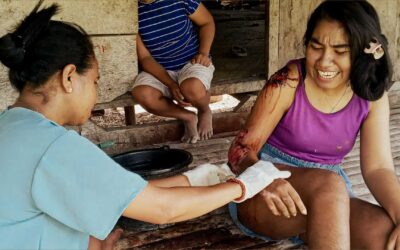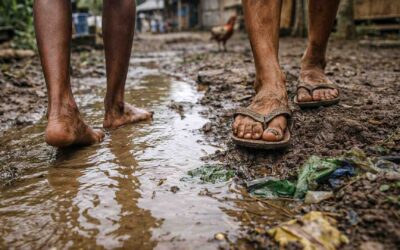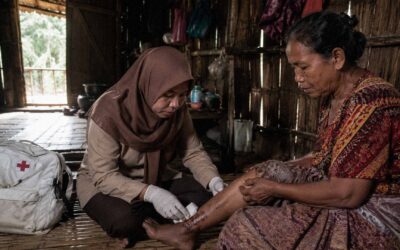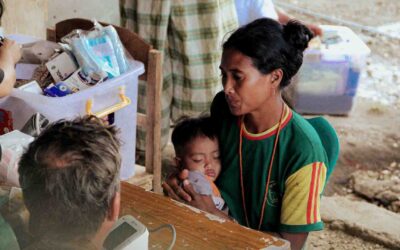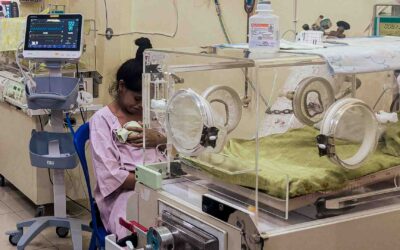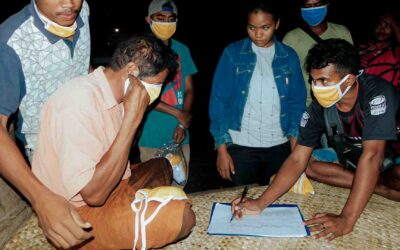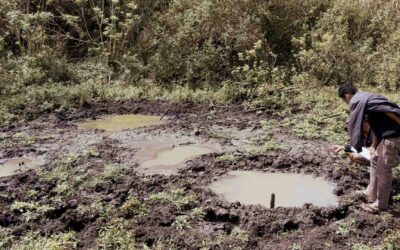


Fair Future Foundation and Kawan Baik Indonesia launch the East Sumba Sepsis Study in May 2026. Nearly 500 household interviews and healthcare worker questionnaires will document why severe infections become fatal in ultra-rural villages, before better detection and care can be built.
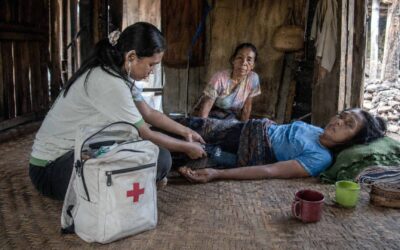
We have compiled a list of articles and pages for this topic
The Fair Future Foundation in East Indonesia combats social and medical injustice and aims to ensure everyone has access to healthcare, clean water, and education. Join us in making a difference.
Focusing on prevention through education, outreach, and resources to stop disease before it starts.
Preventable Suffering | Rural Health Failure
Preventable suffering in ultra-rural villages is not destiny. Untreated wounds, fever, pain, malnutrition and unsafe water become normal only when care, prevention and health education fail to reach families. Fair Future Foundation works where these failures cost lives.
Leptospirosis Rural Indonesia | Water and Infection
Leptospirosis in rural Indonesia remains dangerously underdiagnosed. In East Sumba and across NTT, unsafe water, rodent exposure, poor sanitation, and delayed care still turn a preventable bacterial infection into severe disease. Clean water, wound care, and early treatment save lives.
Untreated Pain Rural Medicine | Invisible Burden
Untreated pain in rural medicine defines daily life in remote regions. Patients live with wounds, infections, and fractures without relief. This is not a marginal issue. It directly affects survival, recovery, and dignity. Addressing pain is not complex, but it requires access, structure, and commitment.
Global Health Funding Corruption | Rural Care
Global health funding should save lives. In ultra-rural Eastern Indonesia, too much of it is lost to corruption, inflated administrative costs, and weak delivery systems. The result is clinical and brutal: delayed care, missing medicines, failed referrals, and preventable deaths.
Sexually transmitted infections rural Indonesia | Silent epidemic
Sexually transmitted infections in rural Indonesia remain largely undiagnosed due to lack of testing, education, and access to care. Untreated, they lead to infertility, chronic complications, and preventable transmission, reflecting deep gaps in public health systems.
Child Marriage Indonesia | Adolescent Pregnancy Crisis
Child marriage adolescent pregnancy in rural Indonesia exposes young girls to severe medical risks including prematurity, anemia and maternal mortality. In East Sumba, lack of prevention and limited healthcare access turn early pregnancy into a daily clinical emergency.
Snakebite Rural Indonesia | A Neglected Emergency
Snake bites in rural Indonesia become life-threatening when care is delayed. Lack of antivenom, poor access to healthcare, and limited awareness turn a treatable injury into a fatal condition. Early response and community-based care are essential to save lives.
Tuberculosis Rural Indonesia | Poverty and Health Access
Tuberculosis remains one of the most persistent infectious diseases in rural Indonesia. Poverty, malnutrition and delayed diagnosis allow the disease to spread silently within households where access to healthcare remains limited. Community-based detection and treatment are essential to stop transmission.
Unsafe Water Childhood Diarrhea Indonesia | Health Crisis
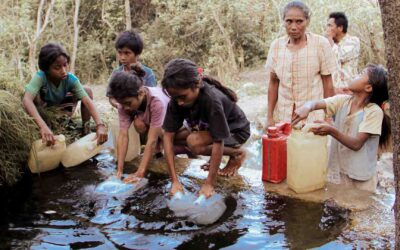
Unsafe water remains a major driver of childhood diarrheal diseases in rural Indonesia. Contaminated rivers, poor sanitation, and plastic pollution expose children to infection, dehydration, and malnutrition. Improving access to clean water and hygiene education is essential to protect child health.
Plastic Waste Public Health Indonesia | Political Failure
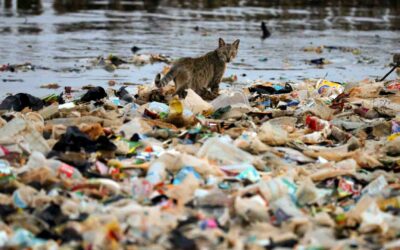
Plastic waste public health Indonesia is no longer an environmental issue. It is a political failure. Across rural regions, rivers and villages are overwhelmed by plastic pollution, toxic smoke and contaminated water while authorities ignore waste management and the health risks faced daily by communities.
Dengue Climate Change Indonesia | Rising Mosquito Risk
Climate change is reshaping dengue transmission across rural Indonesia. Warmer temperatures, longer rainy seasons and stagnant water near homes create ideal mosquito breeding sites. In isolated villages, prevention, environmental management and early diagnosis remain essential to reduce severe dengue cases.