

The Fair Future Foundation offers valuable advice for maintaining eye health and cultivating good vision habits. Discover ways to shield your eyes from UV rays, avoid strain, and support your sight with a nutritious diet. Help us advocate for better eye care in underserved communities!
Preventive Health

The Preventive Health category focuses on reducing disease and health risks before medical emergencies occur in ultra-rural settings.
Articles document disease prevention strategies including hygiene promotion, vaccination support, nutrition, environmental health, and repeated community education. These interventions follow WHO prevention frameworks, emphasizing early action, risk reduction, and behavior change to limit avoidable illness. By strengthening awareness and daily preventive practices, this category shows how prevention remains the most effective, sustainable, and accessible medical intervention where healthcare access is limited.
Latest field updates
Health, Wealth, and Inequality in Rural Areas
In rural regions, disparities in health and wealth contribute to ongoing cycles of inequality. The Fair Future Foundation addresses these issues by offering clean water, healthcare services, and educational opportunities. Discover how we empower communities to escape poverty and build healthier, more promising futures.
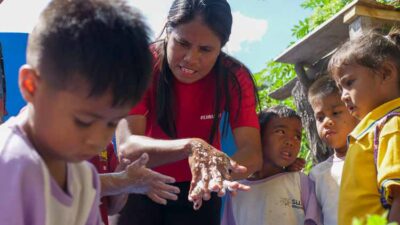
Handwashing: A Lifesaving Habit in Rural Areas
Handwashing with clean water and soap is a simple preventive measure that reduces transmission of many gastrointestinal and respiratory infections, especially where sanitation is limited.
Joyful Learning With Kawan Sehat Book
The Kawan Sehat book helps families in rural East Sumba learn practical habits around hygiene, nutrition, prevention and everyday health through simple shared lessons.
Rising TB Cases: Causes and Solutions
Tuberculosis cases are increasing in ultra-rural communities in eastern Indonesia, due to inadequate living conditions, limited access to healthcare, and malnutrition. Learn more about the disease, how it is transmitted, and Fair Future’s efforts to provide education, early detection services, and treatment support to those affected.
Indonesia’s rise in mumps cases poses a growing threat
Mumps cases are rising in Indonesia, particularly in rural areas. Understand how the virus spreads, the symptoms, the serious risks it poses, and the urgent actions needed to protect vulnerable communities through education initiatives and improved vaccination campaigns.
Ruth’s Smile: Healing Children with Primary Care
Ruth, a Kawan Sehat health agent in Lukukamaru, supports a sick child with local primary care in a village where professional medical services are difficult to reach.
Local Impact: Fighting Malaria with Prevention and Care
The Fair Future Foundation and Rotary International have launched the Zero Malaria Program to combat malaria in remote Indonesian regions. Our efforts include distributing insecticide-treated nets, conducting rapid diagnostic tests, and educating families on disease prevention.
Clean Water Access with Safe and Inexpensive Tanks
Ferrocement tanks built in remote East Sumba store rainwater close to homes, offering a practical way to improve water access, hygiene and household resilience at relatively low cost.
Discovering Local Food Resources for Healthier Lives
Fair Future actively supports ultra-rural communities with limited access to a diverse diet by raising awareness about local food resources. Our nutritionists teach families how to identify and prepare wild plants, fruits, and vegetables that are highly nutritious.
Empowering Health Workers: Saving Lives in Rural Areas
Kawan Sehat’s women health workers, through the Primary Medical Care program, are revolutionizing healthcare in extremely rural areas. Their unwavering commitment and specialized training allow them to save countless lives each day by providing essential medical attention for issues such as malaria, infections, and injuries.
Ferro Cement Water Reservoirs: A Lifeline for Communities
The Fair Future Foundation’s Water Connections program provides clean water to remote villages through manual construction of water reservoirs, reducing waterborne diseases and improving living conditions for women and children.


