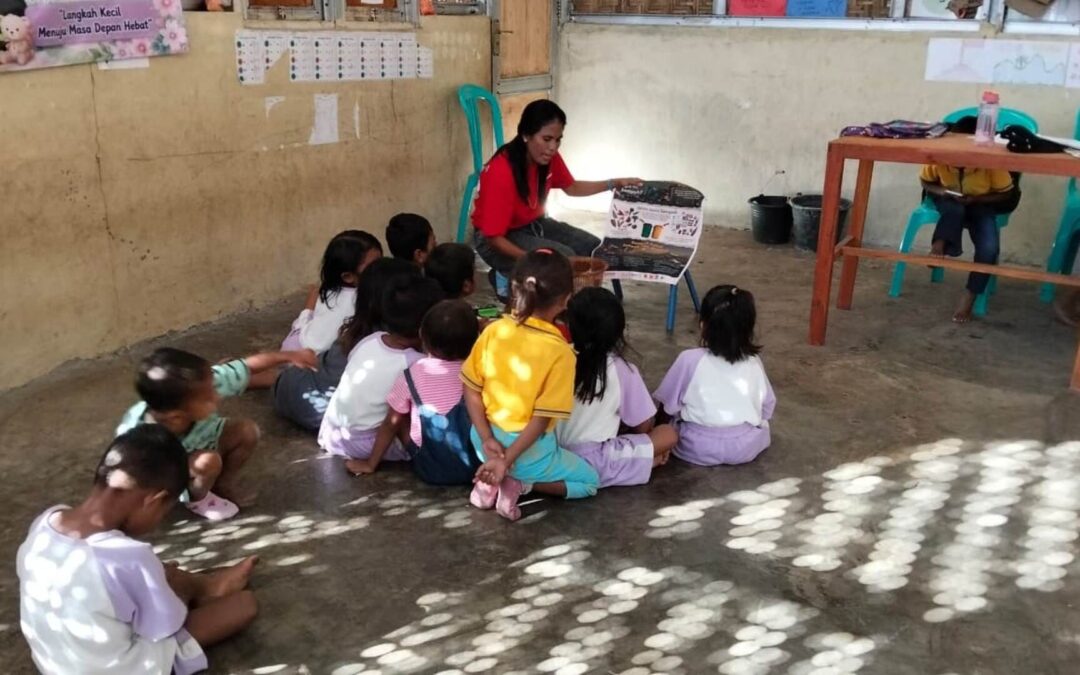
A Kawan Sehat health agent teaches young children how to reduce, sort and safely manage plastic waste in a rural East Sumba classroom. The school now has clean water from a new 5,300-litre reservoir, but still has no electricity. Prevention begins with words children can use at home.
Stories & Communication

The Stories & Communication category translates field medicine into clear, truthful narratives.
It shares case realities, community voices, and operational context behind our programs, without sensationalism. Articles explain why prevention, logistics, and long-term follow-up matter, using simple language grounded in clinical facts. This section supports health education, transparency, and trust, aligning communication with WHO principles on risk communication and community engagement. Every story is built from observed events, verified data, and respect for patients and families, including what worked and what failed.
Latest field updates
Sumba Sepsis Study results | Interactive evidence online
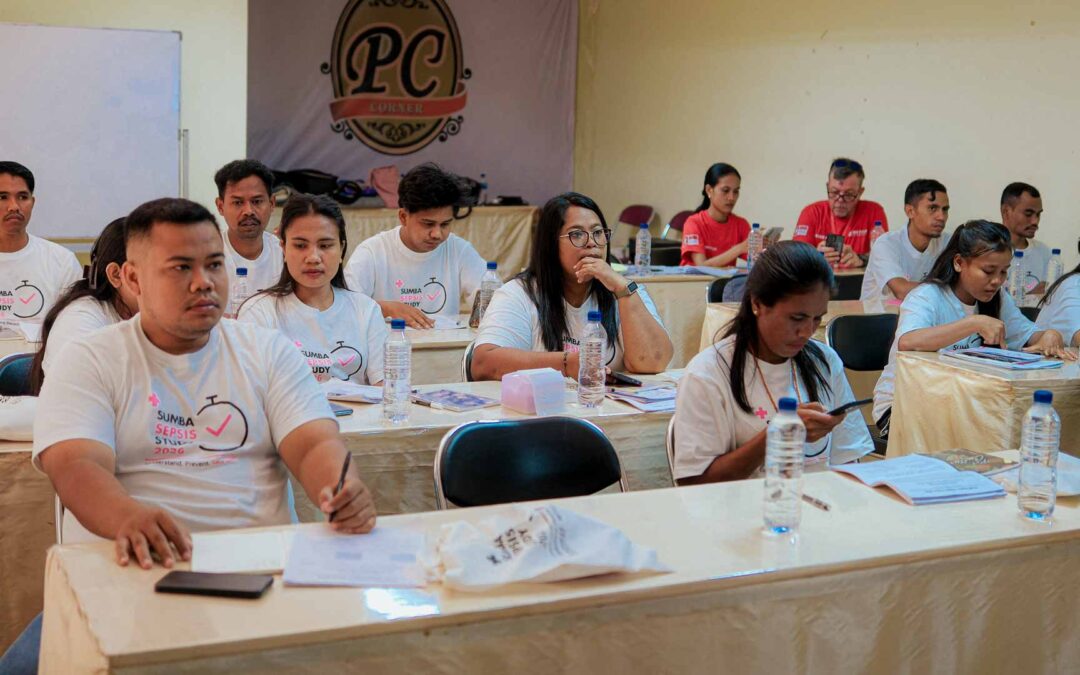
Explore the Sumba Sepsis Study 2026 through an interactive results page built from 1,001 household interviews and 162 healthcare-worker submissions. Compare prevention conditions, referral barriers and locality findings, with the full report available in three languages.
Elderly Healthcare in East Sumba | Care That Reaches Home
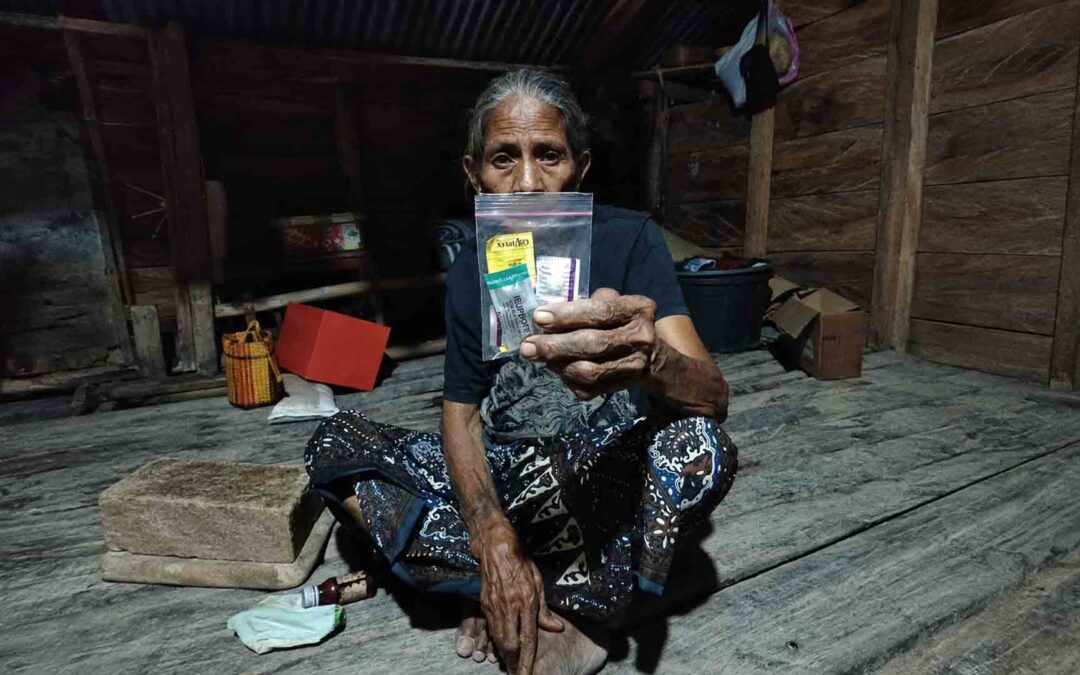
An older woman holds a small packet of medicines inside her home. Elderly healthcare in East Sumba often means bringing care closer. Kawan Sehat agents provide assessment, basic treatment, advice, follow-up and referral when illness, frailty or limited mobility makes access difficult.
Community Health Education | Learning in East Sumba
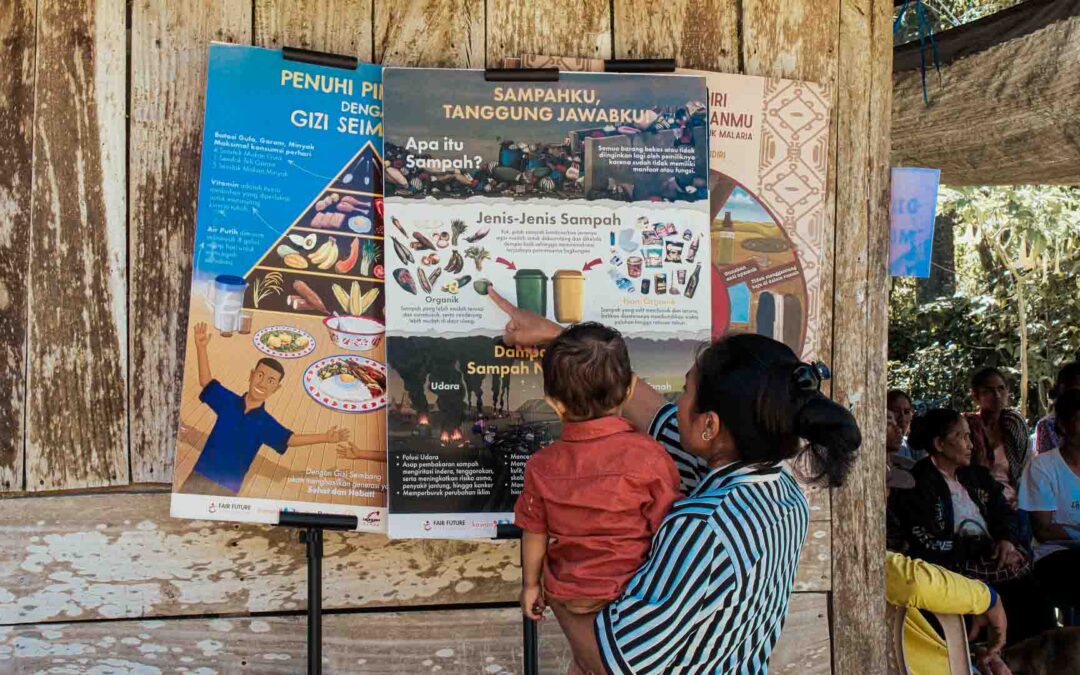
During a remote care day in East Sumba, a mother returned to our posters with her child after the workshop ended. This simple moment shows community health education moving from a formal session into family life, linking waste management, nutrition, malaria prevention and primary care.
East Sumba Sepsis Study | Medical Data From the Field
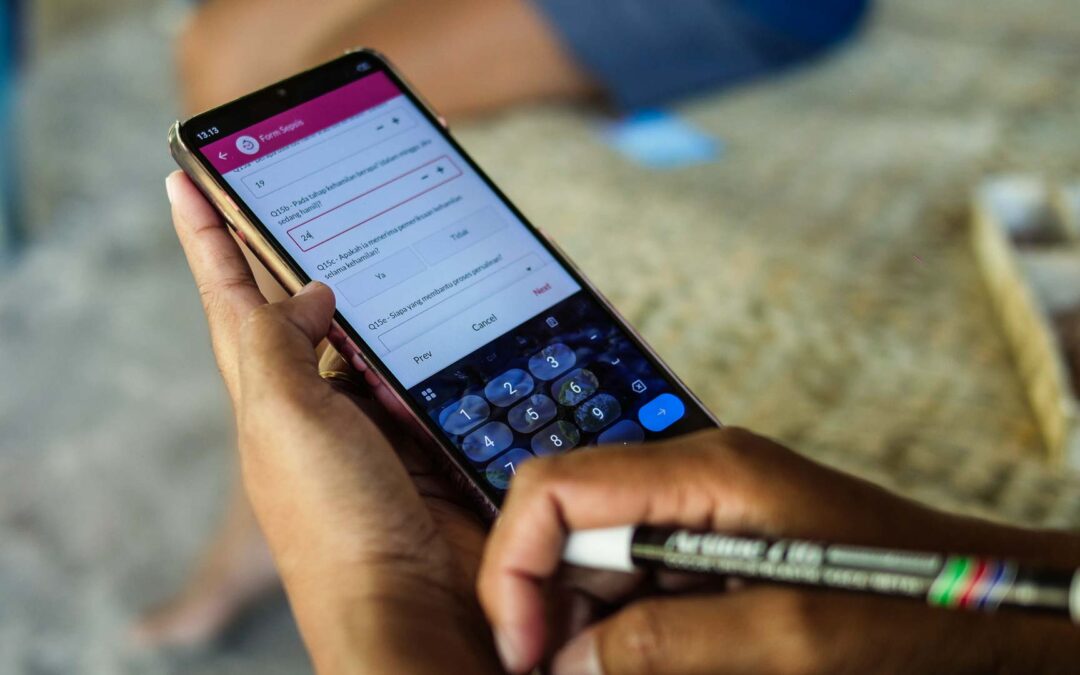
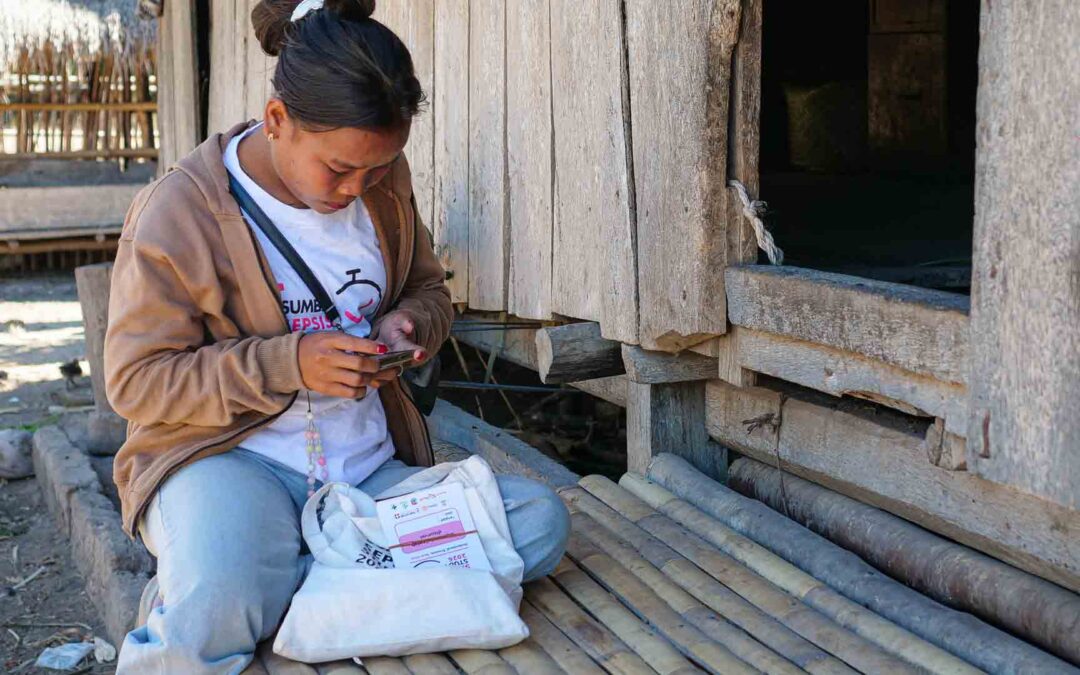
A field enumerator records household responses in the custom Sumba Sepsis Study 2026 mobile app. With fieldwork now complete across more than 1,000 homes, tens of thousands of data lines are being reviewed to better understand severe infection, care delays and prevention in East Sumba.
Rural Child Health in East Sumba | Before Emergency
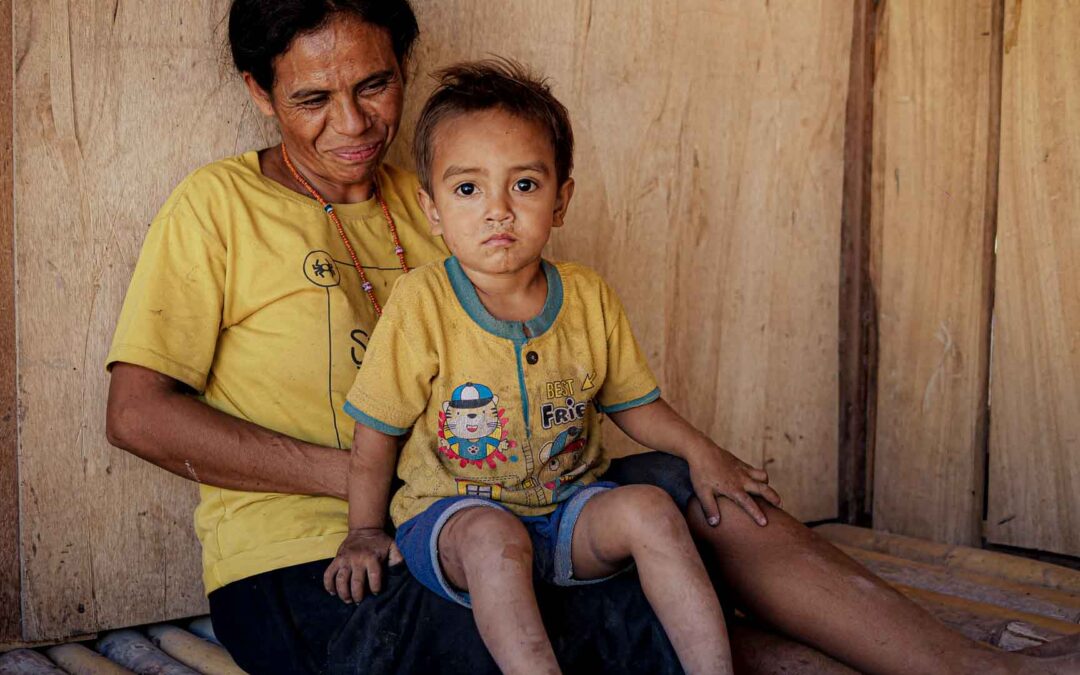
A mother and her child photographed during the Sumba Sepsis Study 2026 remind us that rural child health depends on more than treatment. Primary care, clean water, nutrition, health education, community health workers and timely referral must work together before infection becomes an emergency.
Community Health Worker | Primary Care in East Sumba
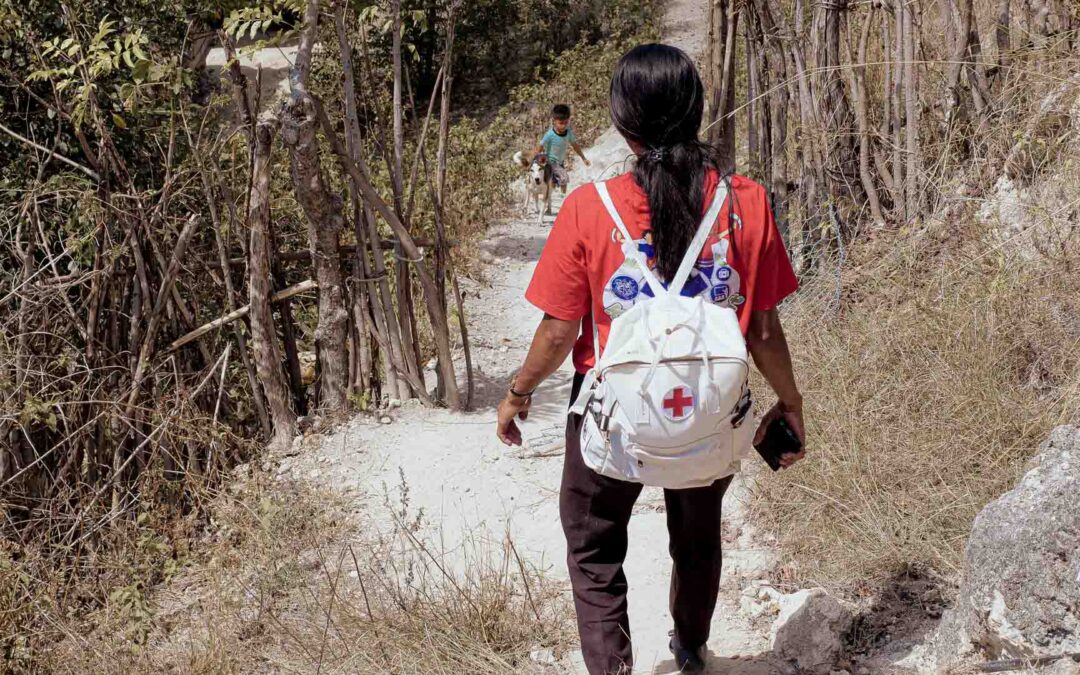
A Kawan Sehat community health worker walks through a remote East Sumba village carrying nearly one hundred medical and educational items. The backpack supports basic care, prevention, health education and referral where distance can delay access to formal healthcare and early assessment.
Sepsis Prevention in Sumba | Rambu Fratika in the Field
At 19, Rambu Fratika works as both a Kawan Sehat health agent and an enumerator for the Sumba Sepsis Study 2026. In remote East Sumba, she uses field applications to collect health data, strengthen prevention and report worrying situations earlier, before delays in access to care become dangerous.
Community Health Prevention in East Sumba | Field Care
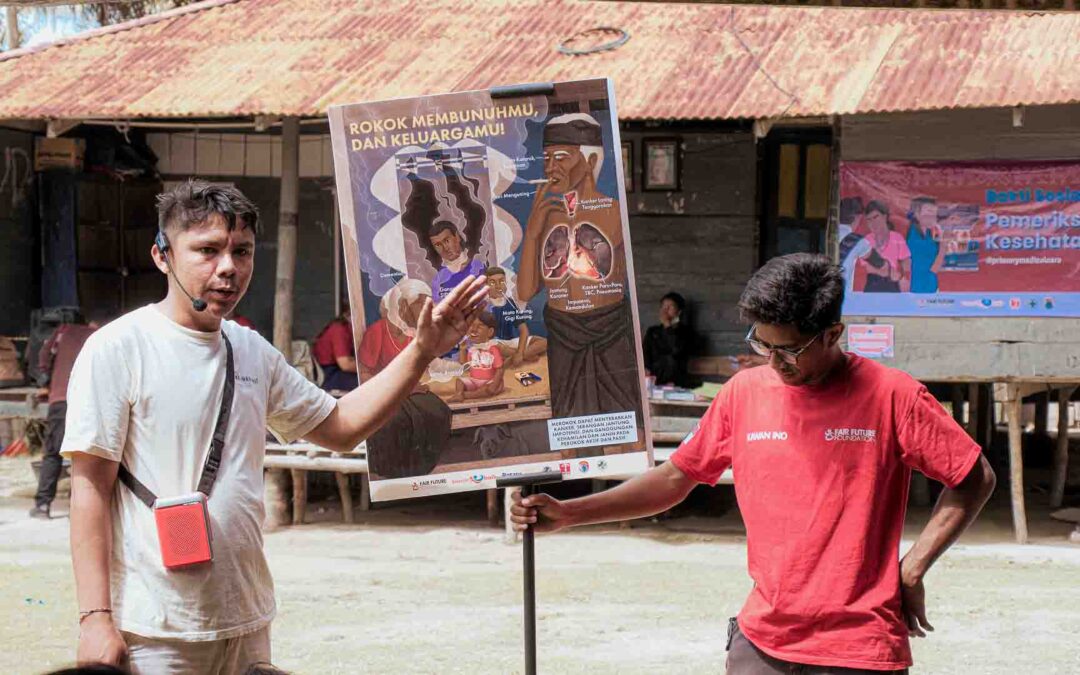
During community care in Kampung Madutolung, treatment was paired with practical prevention. More than 110 people received care while the team discussed secondhand smoke, nutrition, alcohol risks and malaria recognition, showing why education belongs inside primary healthcare in the village.
Clean water at home | Gravity-fed Water Connections
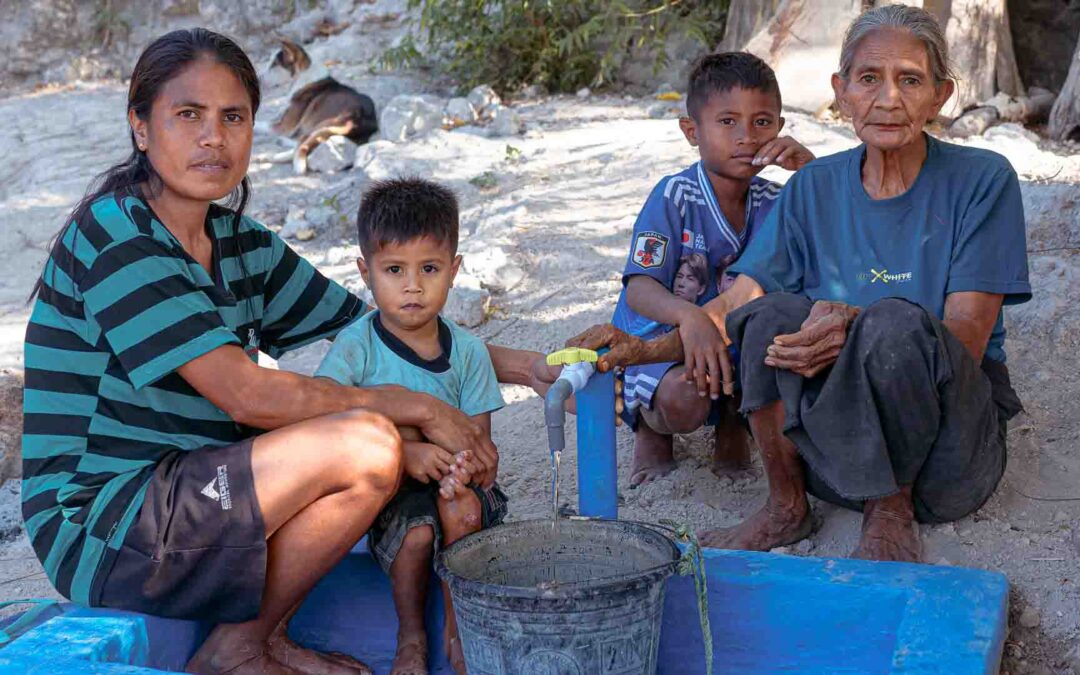
A new 5,300-litre reservoir and 200 metres of gravity-fed pipe now bring water directly to two families. For around fifteen people, a household tap changes hydration, food preparation, hygiene and exposure to waterborne disease, while reducing the daily burden of collecting water away from home.
Primary Healthcare in East Sumba | Wound Care at Home
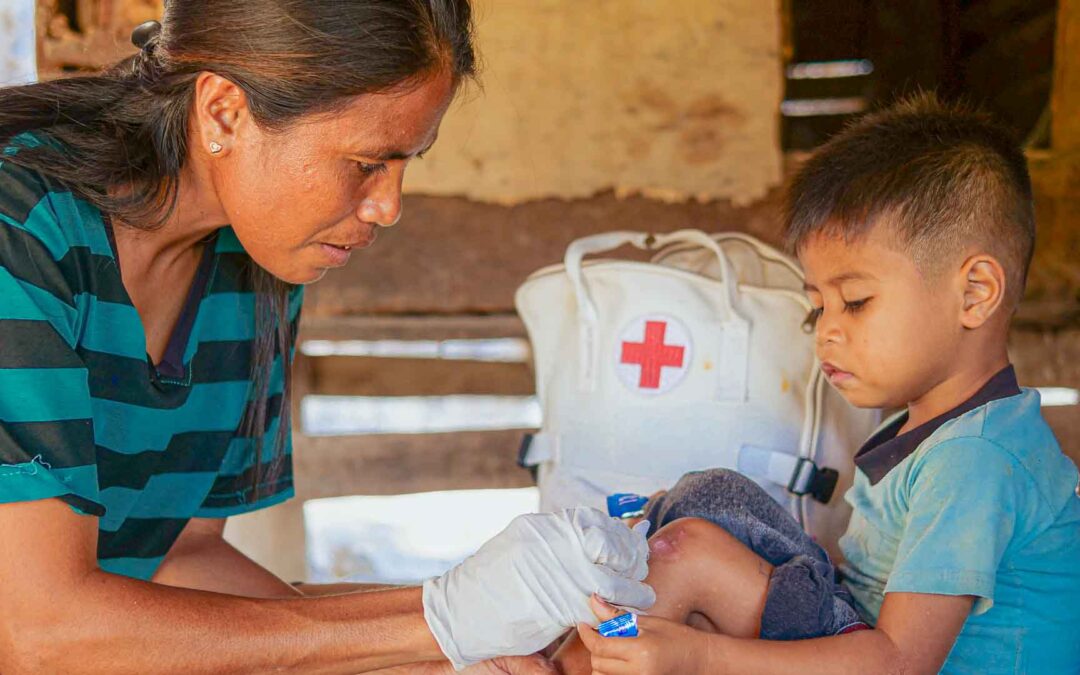
In Hudumburung, Kawan Sehat agent Veronika treats a child’s wound with the medicines, supplies and training tools carried in her medical backpack. Her work shows why early primary care, infection recognition, health education and timely referral matter in isolated East Sumba villages.
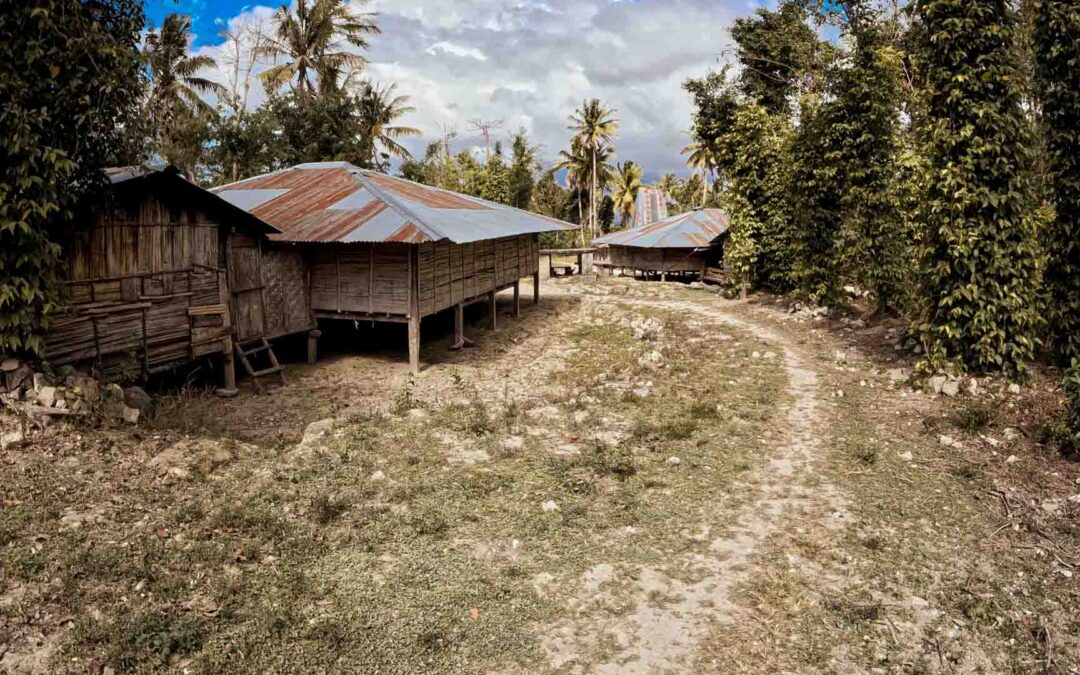
Health Systems Stop Before the Village | Rural Health Access
Health systems often function in cities and district hospitals but stop before reaching the most remote villages. Distance, weak infrastructure, limited staff and governance failures leave rural populations without care. Community health agents and primary medical care programs help bridge this gap.