

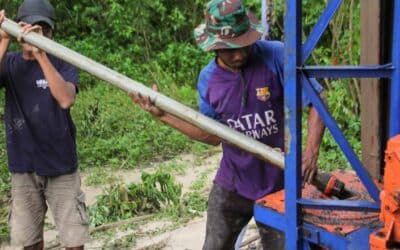
Our team at the drilling site of Phase 3 of the Laindatang Water Connection Project in East Sumba demonstrates...
Courage and Determination at Laindatang Water Connections
read more
Delivering Care…
Thousands of children monitored for health and nutrition


Support Care
All projects
Field updates
Field stories
The Water, Nutrition & Survival category addresses core public health determinants that directly affect morbidity and mortality in ultra-rural settings. Articles document how limited access to safe water, adequate nutrition, and basic sanitation increases the risk of waterborne disease, malnutrition, dehydration, and infection. Interventions follow WHO public health standards, combining water infrastructure, food support, hygiene promotion, and community education. This category highlights field-based actions that stabilize health, prevent avoidable disease, and support survival where resources and healthcare access remain critically limited.
Our team at the drilling site of Phase 3 of the Laindatang Water Connection Project in East Sumba demonstrates...
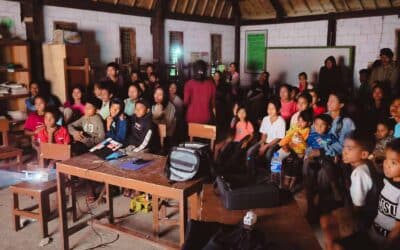
Our documentary, "Matawai de Shades of Water," premiered in the remote village of Mbinudita. The film explores the...
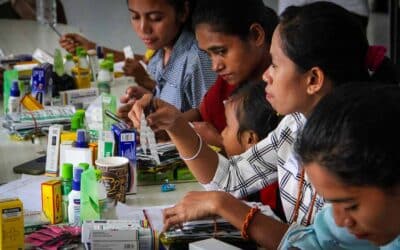
In the Mahu sub-district of Wairara, health workers from Kawan Sehat diligently restocked their medication supplies...
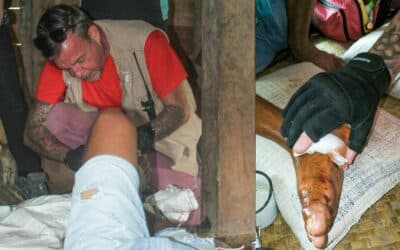
Alex skillfully performed a surgical incision on a young man from Hambarita who had been bitten by a deadly snake....
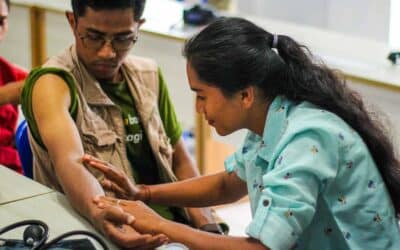
Our team is training Kawan Sehat health workers to measure blood pressure in ultra-rural areas where medical...
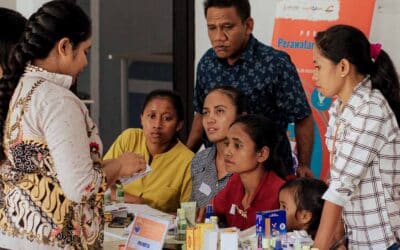
Our Kawan Sehat health workers are trained by competent medical experts in the Mahu region, known for the highest...
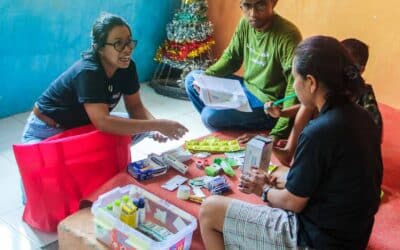
Katrina, a pioneer in the #PrimaryMedicalCare initiative, has been saving lives in Lapinu for over two years. This...
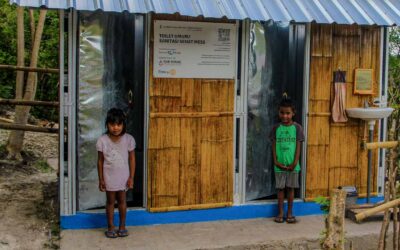
Two young girls from a remote village in Eastern Sumba have discovered clean water and private toilets for the first...
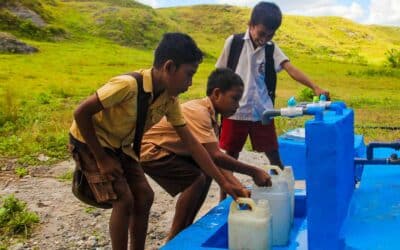
What Pak Kudu Huring and the village residents have accomplished with the Water Connections program is solid. A...
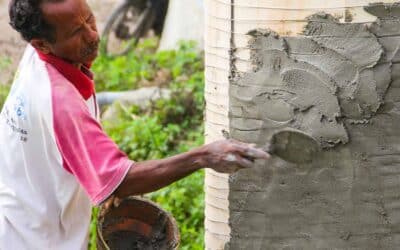
Pak Kudu Huring is building a 5,000-liter ferrocement tank to supply his village with drinking water as part of the...
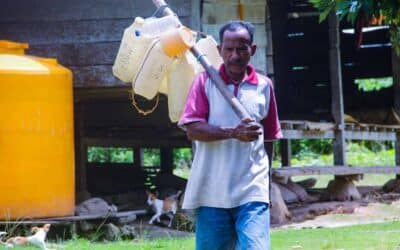
This new “Picture of the Day” shows you Pak Kudu Huring, who leaves early in the morning to fetch a few litres of water from his house, which is too far from his village of Laindatang. He carries with him nearly ten Jerry cans on his shoulder; he walks quickly, and it isn’t easy to follow him. He makes this trip once or twice a day. He will have to walk several hours to return home with water to drink, eat, and water the animals…
Finding water is a big challenge in extremely rural eastern Sumba villages like Laindatang, finding clean water is a daily challenge. Residents have to venture miles to collect it and often find themselves with resources unfit for consumption. This situation further exposes their society to serious health risks, such as Malaria, Polio, diarrheal diseases, typhoid fever, dysenteric infections, and parasitic diseases, often attributed to the consumption of contaminated water, which aggravates cases of malnutrition while increasing infant mortality rates.
The Water Connections project in Laindatang, which Fair Future initiated, is appropriate for this situation. Drinking water points have been installed near homes, considerably reducing the distances travelled to fetch water. We guarantee a constant supply of clean water through deep drilling and installation of pumps, tanks, and filtration systems, ensuring high-quality standards are met.
In addition to providing water, our project also organizes educational sessions on hygiene and water management that aim to raise awareness of sanitation practices among residents. The program emphasizes the importance of washing hands with soap, saving water efficiently, and maintaining good personal hygiene to prevent infections – all of which villagers learn during the course of these information sessions.
The effects of Water Connections are already evident, as the reduction in illnesses associated with contaminated water improves the community’s overall well-being. With healthier children attending school more regularly, their educational opportunities and future prospects become more promising. Additionally, adults with fewer health problems tend to be more productive and help drive economic growth in the village.
In Laindatang, there is constant change. The female population, who generally bear the burden of water collection tasks, now have more time to devote to other educational or productive activities. With access to uncontaminated watering systems and thriving vegetable gardens in communal gardens, families can supplement their income while having more excellent nutritional resources within their reach.
Our efforts to address the water crisis in Laindatang go far beyond providing clean water. We are making significant progress toward improving health care and education outcomes and spurring economic growth in local communities.
Through this project, we aim to give villagers long-term solutions that will enable them to create a better future for themselves and their families. Our unwavering commitment to transforming disadvantaged regions is reflected in our commitment to ensuring access to vital resources such as clean water.
Fair Future Foundation medico-social camp in East Sumba – Rumah Kambera, Lambanapu – The 15th of July 2024.
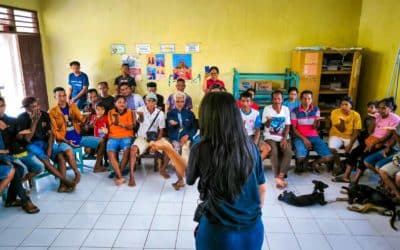
In ultra-rural villages where access is challenging, Fair Future brings clean water and vital health education. The dedicated teams teach residents and school staff about hygiene, nutrition, and disease prevention. This #WaterConnections project benefits nearly 800 people, including 60% children, highlighting the transformative power of clean water and education.