


Donate
Support Care
Articles & News
Field stories
Glossary
Field guides
Health & Medical Program
Child Health
Care, prevention and early referral for children growing up far from clinics, safe water and reliable transport.
- Care close to homes and schools
- Assessment, prevention and early referral
- Connected to a 27-agent rural health network
A childhood illness should not become dangerous because the road is long
In East Sumba, fever, diarrhoea, a wound or breathing difficulty can worsen while a family is still deciding how to reach care. Child Health brings observation, prevention, practical first-line support and a safer referral pathway closer to the child.
The programme
Care begins before a child reaches an emergency
A child’s condition can change quickly. The earlier a family recognises danger, receives safe advice and reaches appropriate care, the greater the chance of preventing severe illness.
Child Health works through the same village network that supports Primary Medical Care. Kawan Sehat agents meet children in homes, schools and community activities. They listen to caregivers, assess common symptoms within their training, support prevention and connect families to medical supervision or formal services when risk rises.
The programme does not replace paediatric care, vaccination services or public health centres. It helps close the dangerous interval between the first sign of illness and the moment a child receives the level of care they need. Clean water, nutrition, immunisation, malaria prevention and family knowledge are treated as part of the same health system.
A rural network able to recognise risk, support families and connect children to supervised care.
Observation and practical advice happen where children live, before transport becomes possible.
Hygiene, nutrition, infection, waste, malaria and health risks are explained in language children understand.
Danger signs are recognised sooner so referral can begin before a child becomes critically ill.
From a caregiver’s concern to safer care
How the programme supports a child
Child health is not one isolated consultation. It is a sequence that begins with listening and continues through assessment, prevention, referral and follow-up.
Listen to the caregiver
The agent asks what changed, when it began, whether the child can drink, eat, breathe, sleep and respond normally.
Look for danger
Hydration, fever, breathing, consciousness, pain, wounds and visible signs of infection are checked within the agent’s training.
Act within limits
Safe first-line measures and approved medicines are used only when appropriate. Uncertain or severe cases move to referral.
Protect the next day
Caregivers receive practical guidance on fluids, hygiene, nutrition, medicine use, warning signs and when to seek help again.
Return and review
Follow-up checks whether the child is recovering and gives the medical team a clearer record if care must escalate.
Small bodies can deteriorate quickly
Common illness, serious risk when care is distant
The programme helps families recognise what can be supported locally and what requires urgent professional care. The threshold for referral remains deliberately cautious.
Care and prevention close to home
- Assess common symptoms and available vital signs within protocol
- Support oral rehydration and safe feeding advice during uncomplicated diarrhoea
- Clean and dress superficial, uncomplicated wounds
- Teach hand hygiene, safe water, food safety and infection prevention
- Identify missed vaccination and help families reconnect with public services
- Monitor recovery, nutrition concerns and recurring illness through follow-up
When a child needs referral
- Breathing difficulty, chest indrawing, blue colour or severe weakness
- Altered consciousness, convulsions, shock or a child who cannot drink
- Severe dehydration, persistent vomiting or blood in stool
- Possible sepsis, spreading infection or a rapidly worsening wound
- Severe malnutrition, oedema or repeated illness affecting growth
- Any newborn danger sign or condition beyond local skills and supplies

Protecting a child takes more than treating symptoms. It requires trusted information, vaccination access, clean water, adequate nutrition, follow-up and a route to formal care.
Care around the whole child
Clinical care and daily conditions belong together
A child’s recovery is shaped by the water they drink, the food available at home, indoor smoke, mosquito exposure, vaccination access and how quickly an adult recognises that something is wrong. Child Health connects these conditions instead of treating each one as a separate problem.
Family knowledge
Caregivers learn practical danger signs, safe medicine use, hydration and when waiting is no longer safe.
School prevention
Children learn about hygiene, infection, nutrition, malaria, waste and risks they can recognise in daily life.
Village follow-up
Local agents can return, observe recovery and identify children who repeatedly become ill or fail to improve.
Connected programmes
Clean water, malaria prevention, nutrition, Primary Medical Care and referral reinforce the same protective system.
What changes in practice
Earlier care protects more than the present illness
Less dangerous waiting
A caregiver has a known first contact before money, transport or uncertainty postpones a necessary decision.
Safer recognition of dehydration
Drinking, urine, alertness and other warning signs can be checked before fluid loss becomes critical.
Infection is taken seriously
A small wound, fever or skin infection is followed for change rather than dismissed until severe illness appears.
Prevention enters family life
Water, food, vaccination, smoke, mosquitoes and hygiene become part of one practical conversation about health.
PreventionPreventable childhood diseaseUnderstand vaccination gaps, trust, logistics and the work required to reconnect remote children with services.
Water and healthUnsafe water and childhood diarrhoeaSee how dehydration, infection and malnutrition reinforce each other when safe water is absent.
NutritionMalnutrition and infectionExplore how inadequate nutrition weakens immunity and makes ordinary infections harder for a child to survive.
Care systemPrimary Medical CareSee the agents, medicines, supervision, records and referral system supporting children and their families.
Live field recordField Notes from Eastern IndonesiaFollow recent medical visits, prevention sessions and the daily conditions affecting children in remote villages.
Field guide & glossaryChild health terms explainedOpen practical explanations of infection, nutrition, prevention, referral and community-based care.
Medical referenceChild health and integrated careRead the international framework linking survival, development, nutrition, prevention and access to quality care.
Live from the field
Child Health Field Notes, as the work happens
Two recent signals involving children, caregivers, school prevention, nutrition or medical care. These notes refresh when a relevant Field Note is published.
Directly from the field
Latest Child Health reports
These reports document illness, prevention, vaccination access, nutrition, unsafe water, school health and the decisions families face when formal care remains far away.
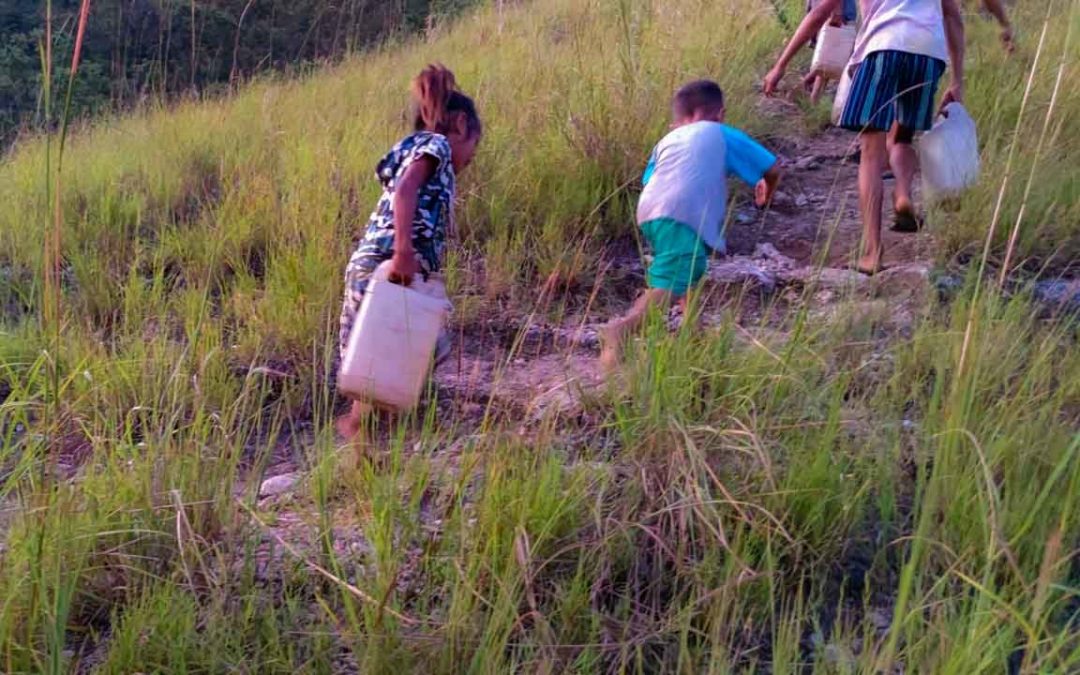
Kids here have to fetch water from the age of five!
In remote East Sumba villages, young children often walk long distances carrying water for their families.

Health, happiness & sustainable development
What does Sustainable Development Goals mean in a nutshell for Fair Future? Reduce poverty (and not eradicate it because it is impossible), increase access to basic and primary medical care, improve access to technology and knowledge, reduce the number of undernourished people, be better health, reduce antimicrobial resistance, provide quality…

Washing hands to preserve health and life
Some forms of gastrointestinal and respiratory infections can lead to serious complications, especially in young children, the elderly, or people with weakened immune systems. This is why hand washing prevents the spread of disease. Indeed, many infectious and contagious diseases can be transmitted from one person to another through contaminated…

Women, children and water at home
Indonesian women play a vital role in water management due to their traditional responsibilities of collecting water, cooking, cleaning and raising children. These women from these ultra-rural areas of eastern Indonesia are strong. They represent tremendously well the strength and the courage it takes to survive here in this vast country.

A 9-year-old child needs surgery quickly
This little boy’s name is Assaria, he’s nine years old. He has severe 3rd-degree burns to over 24% of his body and requires surgical attention. He is not well, and we have to find a solution together. He can barely walk because of terrible burns to his legs and back.

We need anti-malaria drugs!
Fair Future issues an intense red alert linked to the case of malaria, which is reaching a critical level here in East Sumba, Indonesia. For weeks, thousands of malaria cases have been recorded here in East Sumba. This figure is nevertheless to be taken conditionally because, in many villages, people do not have an identity card or a family book…

Malaria outbreak in East Sumba, Indonesia
Malaria is one of the most severe public health problems in the world. Here in Indonesia, and especially in the eastern regions, it is one of the leading causes of death and disease. Children under five years old and pregnant women are the most affected groups.

Consuming unsafe water can look like this!
In these few images taken at the end of October 2022, in a village in East Sumba, more than a hundred people have access to this unique water source. A well was dug by hand more than ten years ago and is almost always dry. People have to queue to get a few litres of water that is totally unfit for consumption and dangerous to their health.

New complete and healthy sanitary facilities in Ritta, East Sumba
We do not stop; the teams of Fair Future and Kawan Baik foundations have already built, as part of the #waterconnections project, site of #mbinudita #sdmbinudita, more than thirty (30) tanks of more than 6000 litres, six ( 6) complete sanitary facilities including two toilets, showers, laundry washing and water collection point.

New complete and healthy sanitary facilities in Wondenu, East Sumba
In rural villages in eastern Indonesia, where we work, toilets are very rare. This is particularly a problem in rural areas where a third of the population must continually defecate in the open air. For Bapak Rinto, it is a relief and a great pride that his family finally has a toilet, thanks to the support of Fair Future and Kawan Baik Indonesia.
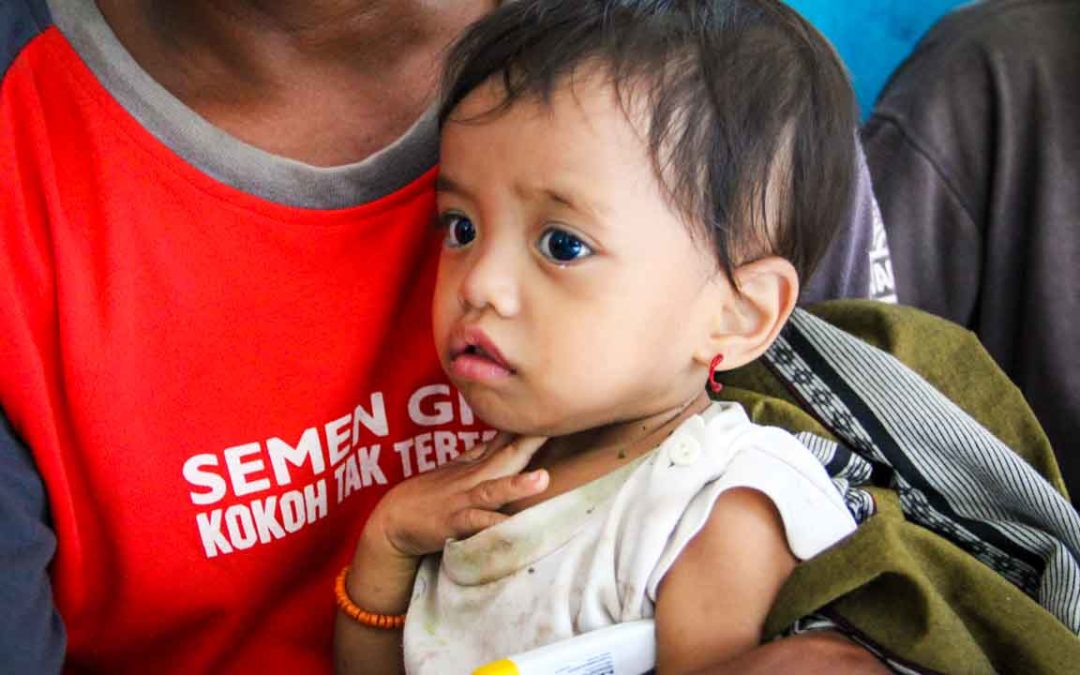
Primary medical care for kids in rural areas
The inhabitants of rural villages do not have access to primary care, and most medical centres are often several hours away on foot. The harshness of life here means we often get hurt, but nothing is available to treat ourselves—no doctor, knowledge, medical equipment and, of course, no antiseptic or medicine.

Benefits of Clean Water in life
The Benefits of Clean Water Influence the Daily Lives of Children and Adults and Impact the Quality of Life in a Community for Generations to Come. Fair Future sees a change in the habits of families who benefit from the Water Connections program. Without drilling deep wells here, families will not be able to access clean water and will have to…
Accountability
Children need continuity, not a single intervention
We document visits, referrals, medicines, prevention activities and the limits teams meet in the field. Child Health remains connected to public services and to the water, nutrition and infection risks that shape whether a child recovers and continues to grow.
