

Acting Now…

2,800 SolarBuddy lamps distributed

Every action counts—support us today
Select Page

Donate

Support Care

Glossary

Medical terms

Quick News

Field updates

Stories

Field stories
Bringing Sanitation to an Underserved Village in East Sumba

Bringing Sanitation to an Underserved Village in East Sumba

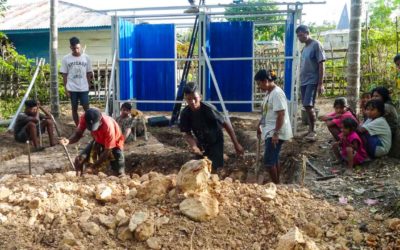
The image illustrates our ongoing project: the excavation of a septic tank. This is the very first step towards the installation of the first-ever sanitation infrastructure in the village's history. Our goal is to reinforce the health and well-being of the families in this community. In closely associating ourselves with the villagers, a core principle in our approach, we work hand in hand to provide them vital access to water and sanitation facilities, despite their isolation in the eastern part of Sumba.

For several months now, our organizations – Fair Future and Kawan Baik – have favored constructing lightweight steel facilities. This decision is based on hygiene, maintenance, and construction efficiency grounds. The entire structure (in this case, two toilet – shower stalls) is constructed at the Fair Future Foundation’s base camp in Waingapu, called Rumah Kambera. We then transport the dismantled structure to the site of installation. It takes about a week for our team to operationalize an installation like this, followed by one to two weeks dedicated to finishing and aesthetic touch-ups.

In this underprivileged environment, families lack access to basic services, needs such as access to water or electricity are non-existent. During the dry season, when rainwater tanks are almost empty, they must travel miles to collect just a few litres of often unsuitable water. See the related #waterconnections posts here.

In the village of Laindatang, inhabitants have never had the privilege of a working shower or toilet. The enthusiasm and joy are palpable as they witness the construction of these new facilities, bringing them a simple feeling of happiness.

This installation will also contribute to reducing infectious diseases caused by the absence of adequate sanitation facilities in the village. This will likely lead to an increase in the quality of life for the villagers, a reduction in the time spent gathering water, and promote overall community health and well-being. This initiative is more than just building sanitation facilities. It symbolizes the start of a new chapter for Laindatang, signifying change and development towards a healthier community.

Thus, the work of Fair Future and Kawan Baik extends beyond physical construction, promoting progress, health, and hope for the future.
read more
Awesome! The first loaded truck arrives at Laindatang

Awesome! The first loaded truck arrives at Laindatang

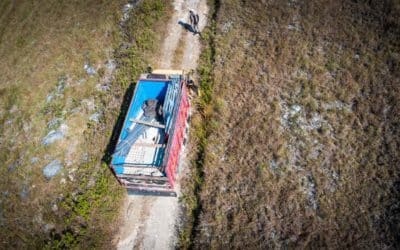
This new "Picture of the Day" shows you the truck climbing the steep slope that leads to the village of Laindatang, which is ultra isolated, where a hundred families live without electricity, water, and very little food. This first truck transports construction materials and healthy sanitary facilities, which our teams have manufactured at the Rumah Kambera base camp.

We're excited to announce a significant milestone in our mission to create a positive impact! Despite facing difficult conditions and encountering broken promises, our unwavering dedication to improving the lives of impoverished villagers has prevailed. After days of arduous road repairs, we are proud to share that a truck laden with essential construction materials has finally reached the remote village of Laindatang. This remarkable achievement, made possible through the unwavering support and resilience of the villagers, marks a crucial step in providing vital resources and support to a community lacking necessities.

The road to the village presented numerous challenges, with its treacherous slopes and slippery terrain. Our team, armed with determination and their bare hands, overcame these obstacles with unwavering resolve. Though we encountered setbacks, including a failed attempt and broken bolts, our determination never wavered.

Two months ago, we were promised assistance by the department responsible for road infrastructure, but regrettably, their support never materialized. Nevertheless, we refused to be deterred from our mission of bringing essential resources and support to the impoverished villagers, who live in extreme poverty, deprived of electricity, clean water, and sanitation facilities – Ref: Water Connections Program here.

Yesterday, as the truck conquered the treacherous slopes, an overwhelming sense of joy and accomplishment washed over us. It was a moment that infused hope and happiness into the previously isolated village of Laindatang. I was moved to tears, knowing that I had dedicated nearly a year of my life to bringing this project to fruition.

read more
The #WaterConnections project in Laindatang has started!

The #WaterConnections project in Laindatang has started!

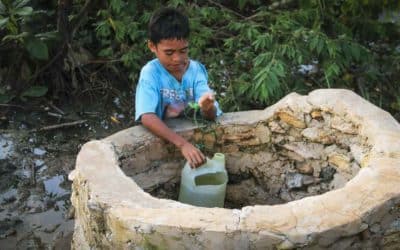
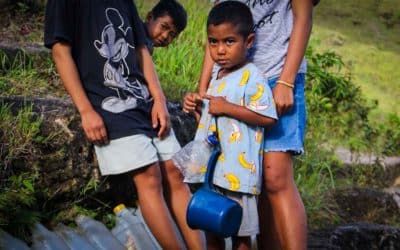
In this new "Picture of the Day", we witness the difficulties faced by young children in East Sumba as they search for clean water. These children must travel quite a distance from their homes to reach the kullups (small stone basins dug directly into the rocky terrain by villagers to collect and hold rainwater in rural areas). Unfortunately, it is unlikely to rain for the next nine months, and the children must walk over ten kilometres to obtain just a few litres of water to sustain themselves; kullups are dry now.

Presently, families in Laindatang endure arduous journeys, spanning miles and lasting over 10 hours, to obtain meagre quantities of drinking water. With a daily allocation of fewer than 2 litres per person, individuals must make profound sacrifices as this limited supply must accommodate drinking, eating, personal hygiene, and sanitation needs.

Malaria ravages the village, exacerbating the adverse effects of infectious diseases, particularly among children under five. The urgency of the health crisis necessitates immediate intervention. In collaboration with Kawan Baik and local authorities, Fair Future is committed to launching a comprehensive Water Connections project, addressing the pressing need for clean water in the village with utmost urgency.

Commencing at the end of June 2023, Fair Future embarks on an extraordinary #waterconnections project in Laindatang. This initiative heralds a transformative change and instils immense pride within our organization. 

Laindatang residents rely on rainwater collection during the rainy season to meet their clean water requirements. However, limited knowledge and resources impede this method, significantly contaminating water reservoirs. During the dry season, their options are limited to accessing water from the Kuluban artificial pool nestled within a rock formation—or purchasing tank water from a select few companies.

Regrettably, accessing water becomes increasingly challenging throughout the year, with only a handful of companies willing to deliver to the village. Transport obstacles frequently result in spilt water, further diminishing the already scarce supply upon arrival in Laindatang.

For the villagers, access to clean water is a matter of survival. They currently store rainwater in unclean, contaminated, and hazardous tanks. Though this remaining water sustains them for drinking, eating, and survival, it will be depleted within weeks as the dry season commences. Tragically, this water is tainted, infected, and carries life-threatening diseases such as Malaria, Cholera, Dengue, Typhoid fever, Hepatitis A, and Guinea worm disease. Additionally, prevalent diarrheal diseases like E. coli and rotavirus, caused by contaminated water, pose a severe risk, particularly to children, leading to dehydration and even death.

You have the power to help us realize this vital project, which is indispensable for hundreds of families. If you desire, your generous donation dedicated to the #waterconnections project in the village of Laindatang would be warmly welcomed. We extend our heartfelt gratitude and appreciation to all those willing to contribute. With your support, we can bring love, hope, and clean water to the deserving community of Laindatang.

To access information about our implementation, you can download and read the presentation in PDF format by clicking this link.

read more
Disease prevention, detection and treatment in rural areas

Disease prevention, detection and treatment in rural areas

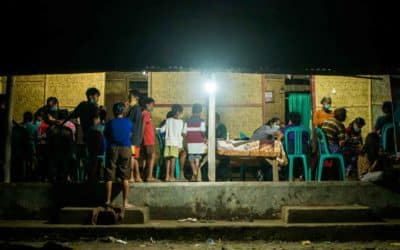
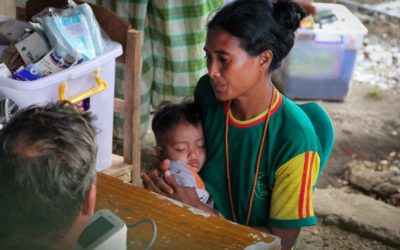
The teams of Fair Future and Kawan Baik are highly respected for their steadfast dedication to assisting ill and underprivileged individuals residing in far-flung rural areas of eastern Indonesia. Their selflessness holds true significance to them. However, it's not widely known that their medical and social teams put in tireless efforts, even during nighttime and 7-day workweeks. Through this new "Picture of the Day," we offer you the opportunity to witness their work as they combat health issues like malaria, unsafe water, and malnutrition while sacrificing their sleep.

Diseases can strike at any time, even in the darkness of night. The teams, equipped with masks and Sumba coffee, fight against these illnesses. And during this time of the malaria epidemic, doctors, nurses and volunteers are working tirelessly to provide treatment to patients.

Their dedication and passion go above and beyond the call of duty, even working late into the night to provide lifesaving care. They save lives and do so with unwavering energy and enthusiasm.

On the spot, at all hours of the day or night, they not only treat the symptoms, they also attack the root causes of health problems. Fair Future and Kawan Baik foundation fight against diseases related to dirty water by providing facilities through the #waterconnections program and raising awareness in communities about the importance of hygiene. Their mission is to make communities more resilient and prevent diseases before they even appear.

Even when faced with difficult challenges and trying situations, the teams remain resilient and optimistic. Their sense of humor is a crucial component that aids them in overcoming tough times. It also fosters a strong bond between them, enabling them to maintain a positive outlook.

Alex Wettstein shares a few words about the Foundation's medical and social teams, who work tirelessly to help people who are sick or have urgent needs.

read more
Water and sanitation are crucial in the fight against malaria

Water and sanitation are crucial in the fight against malaria

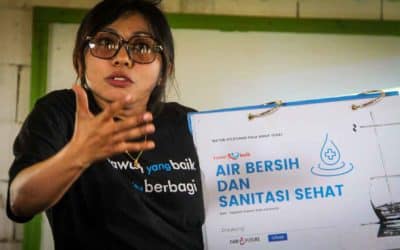
Check out the latest addition to our "Photo of the Day" collection featuring our colleague Kawean Essi. In the village of Mbinudita (East Sumba), Kawan Essi teaches a hundred villagers of all ages, including children, about the importance of clean and safe water and how it can lead to a healthier life. The "Water Connections" program is a practical approach to fight against various infectious diseases, such as malaria.

In the fight against malaria, it's essential to acknowledge the progress made. However, we must also recognize the crucial role of hygiene, clean water, and sanitation in eliminating this disease. This is why the Water Connections program exists – to provide access to these necessities. 

At Fair Future, we understand that improving these fundamental aspects of daily life can significantly prevent malaria transmission and ultimately save lives. Addressing issues such as hygiene, water, and sanitation is crucial in the fight against malaria because they directly impact mosquito breeding, access to clean water, hygiene practices, and vector management.

We prioritize these issues in all our activities, particularly in implementing the "Malaria Prevention Initiative Sumba Timur 2023" program, which we aim to start as soon as possible as part of the PMC, Primary Medical Care program.

Together, we can dramatically reduce malaria transmission and improve the health and well-being of affected communities. We must prioritize these efforts to save lives, prevent unnecessary suffering, and move towards a significant decrease in malaria cases, especially here in Sumba, where we currently are.

read more
A healthier life thanks to the Water Connections program

A healthier life thanks to the Water Connections program

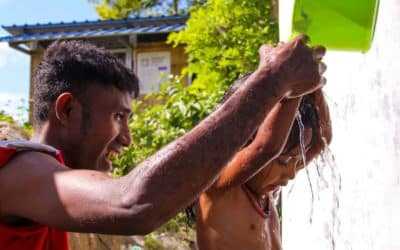
This new "Picture of the Day"  shows a delighted father who can now provide daily showers for his children, thanks to the newly installed water supply. Previously, they could only shower sporadically, sometimes only once a month. Additionally, the photo showcases the new sanitation facilities constructed in Mbinudita. The Water Connections project has successfully installed over forty reservoirs, thirty sanitary installations, three deep boreholes, and more than 15000 meters of HDPE pipes.

Water scarcity can be a significant source of stress for some regions, and various factors can cause it. Arid climates, low rainfall and prolonged droughts are just a few conditions that can contribute to water scarcity. Poor water resource management and a lack of knowledge can also exacerbate this problem, making it even more difficult for everyone to access the water they need to thrive. 
Despite these challenges, Fair Future is working hard to address water scarcity and ensure people have access to this vital resource. That is why we have developed the Water Program Connections.

Fair Future and Kawan Baik have noticed a significant improvement in the behaviour of families who have benefited from the "Water Connections" initiative. This program has enabled people to grow gardens, consume healthier food, enjoy life more, reduce stress, and boost energy levels. As a result, there has been a marked decrease in illnesses.

Witnessing these positive changes fills us with joy and reinforces our conviction in our decisions. Fair Future and Kawan Baik Foundation have always aimed to improve individual health, and providing access to safe drinking water is a beautiful way to accomplish this objective. As a Medical Foundation, Fair Future Foundation understands clean water's significance for maintaining good health. Drinking enough clean and healthy water is crucial for various physiological processes, including body hydration, proper organ function, digestion, and elimination of toxins.

Access to clean and safe water prevents dehydration-related illnesses, such as urinary tract infections, kidney stones, and constipation. It also significantly prevents dehydration, particularly in hot areas where sweating and water loss through respiration are common. While water is necessary for maintaining good health, we understand better than anyone else that certain medical conditions may require alternative treatments.

read more
Beyond Borders, Fighting Malaria Together in Eastern Indonesia

Beyond Borders, Fighting Malaria Together in Eastern Indonesia

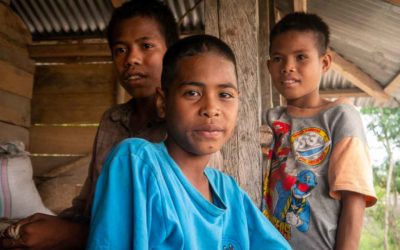
Beyond Borders: Fighting Malaria Together in Eastern Indonesia. This new "Picture of the Day"  shows three kids between 8 and 12 years old. Children are among the most vulnerable malaria victims in Indonesia, especially in the east of the country and of course here, where we work with Fair Future, Kawan Baik foundations and all our partners and friends.

The health and well-being of children in eastern Indonesia are threatened by malaria, which hinders their growth, development, and quality of life. Our organizations have a deep understanding of the urgency to address this issue, and we are working hard on our disease control program, which is of utmost importance. We have a strong track record of working in these regions where the epidemic affects about 80% of children. Collaborative efforts are underway to combat malaria and prioritize the welfare of children in these areas.

Young children are at a higher risk of contracting malaria due to their underdeveloped immune systems. Living in rural and poor areas with limited access to preventive measures only exacerbates the severity of symptoms if infected. A contributing factor is that young children typically haven't been exposed to the malaria parasite enough times to build up immunity* against it.

It can be challenging for young children in our regions to communicate or identify the symptoms of malaria, and their parents may not be familiar with them either. As a result, affected children may display non-specific symptoms like fever, tiredness, loss of appetite, irritability, and vomiting, which could easily be mistaken for other common childhood illnesses like drinking contaminated water. Consequently, this can cause delays in diagnosing and treating malaria accurately

*Some additional explanation: People living in malaria-endemic areas gradually develop acquired immunity, which reduces their susceptibility to severe infections in the future.

read more
Malaria in East Sumba: All villages turned Red!

Malaria in East Sumba: All villages turned Red!

This new "Picture of the Day" shows you a brave but sad mom who asks for care for her little boy. She is a courageous but sad mother who seeks care for her little boy, who suffers from Malaria. With pain and more than 40 fever, He is the example of the "typical patient" here: Under five years old, this family lives in an ultra-rural and marginalized area. She is poor, and they don't have access to medical care or enough food and clean water; They don't have toilets either. Moreover, the whole village does not have access to electricity.

The medical staff of Kawan Baik and Fair Future Foundation bring him relief and medicine to lower his fever and get better as soon as possible. We also talk to the mother and give her good advice.

Let me re-explain to you what malaria is and why this disease is hazardous, and the categories of people it affects in the first place:

Malaria is caused by parasites transmitted by the bites of infected mosquitoes. Although anyone can get malaria, specific categories of people are more susceptible to severe illness and complications. We find that the impact of malaria varies by geographic region and local health infrastructure. Our efforts to fight malaria focus on prevention through measures such as the establishment of the Primary Medical Care Program (PMC), mosquito nets, spraying in villages (fogging), and learning to wash with an "ani-malaria or disinfectant" soap, among others. 

1. First, children under five: This is because young children have a weaker immune system and have not yet developed immunity to disease. They are more likely to have serious symptoms and complications, including severe anaemia and cerebral malaria, which can be life-threatening. This is the case here: Infant mortality is very high in ultra-rural areas and marginalized populations of East Sumba.

2. But also pregnant women: Of course, malaria can have adverse effects on both the mother and the unborn child. Pregnant women are at an increased risk of developing severe malaria, leading to complications such as maternal anaemia, spontaneous abortion, stillbirth or low birth weight infants. I spoke to you about a similar case in Kabanda, right?

Public health interventions to provide vital advice to the most affected populations via the #kawansehat program are essential. You have to be close to people if you want to advise them on the best way to have a healthier life.

3. Ultra-rural and marginalized populations: Communities living in rural and remote areas, often with limited access to health care, such as here in East Sumba, are disproportionately affected by malaria. Factors such as poverty, lack of knowledge about preventive measures and limited access to health services contribute to malaria's higher prevalence and impact in these communities.

4. Immunocompromised people: People with weakened immune systems, such as those living with HIV/AIDS, are more likely to contract severe malaria. We are also talking about people with chronic illnesses. Malaria can also aggravate the progression of HIV infection. And concerning the rate of HIV-positive people here is also very high, even with very few tests being conducted.

read more
Helping ultra-rural families to have a healthier life

Helping ultra-rural families to have a healthier life

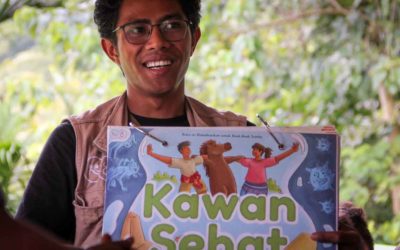
This new "Picture of the Day" features Kawan Ino, one of the Fair Future team members in Sumba (Rumah Kambera Leader), talking to health workers and the village community of Kabanda. To do this, he uses the "Kawan Sehat" book we produced at the end of 2022 for children in these regions. This book is an integral part of the program of access to primary medical care for children in ultra-rural areas.

We spend two days here, and you can read what we have done in Kabanda. This village is genuinely one of the most isolated I have ever seen. Getting it is difficult, even dangerous, at times. No road leads to this village; only extremely steep or steep stony paths allow us to go there. Kawan Ino explains how to have a healthier life thanks to implementing specific things in everyday life. This includes physical and mental health, body and home hygiene, daily habits and women empowerment.

Thanks to the Kawan Sehat program, we see a significant improvement in the health and well-being of rural populations. It is truly heartening to see healthy habits being encouraged and access to health care increasing. It is vital that everyone has access to quality health care, and we are happy that this program allows more people to receive the care they need.

Here, when a person is sick or injured while a woman is due to give birth, one of the only ways for her to receive medical attention is to carry her on people's backs for several hours or even a whole day until the nearest health centre. This person also does not know if he will arrive in time at the medical centre, called "Puskesmas or Pustu", as we have seen on several occasions.

This is why this book is necessary:Kawan Sehat” is intended for schools and teachers. It's an amazing teaching aid for them, and kids love it. Nothing is done here to give children the means to learn from an early age how to wash themselves, eat healthier, use soap, and learn not to pollute or brush their teeth etc… In the classrooms here in East Sumba, the book“Kawan Sehat” is the only one available for children; there are no others.

read more
Reduce health risks with clean water for families

Reduce health risks with clean water for families

In this "Picture of the Day" shows you what children do several times a day: Fetch water for the family with some 5-litre jerrycans. Most of the time, the young girls take care of this. Here in this photo, it is a young child of ten years. There are no daughters in the family. He does this job instead of going to school. He and his family have only two litres or less of water a day for eating, drinking, bathing and everything else.

Unfortunately, like here in Tana Mbanas (Sumba Tenggah), there is still a vast majority of villages in Sumba that do not have access to clean drinking water. In these villages, the inhabitants often depend on surface water sources such as rivers, lakes or ponds, which bacteria, viruses, chemicals or by animals and insects mostly contaminate. 

The lack of clean water has severe consequences for the health of the inhabitants. Waterborne diseases, such as diarrhoea, cholera and typhoid, hepatitis A, Malaria and Dengue fever, are common where access to clean water and toilets is limited or absent. These diseases can be severe and even fatal, especially in children, pregnant women and the elderly.

To help villages without clean water in Sumba, Fair Future and Kawan Baik are implementing effective measures to improve access to clean and healthy water. Our solutions include drilling deep wells with our equipment, construction of water treatment plants, storage tanks, rainwater harvesting and storage, and installation of water management systems—irrigation and construction of healthy sanitation facilities.

We are still seeking funding and technical resources to set up sustainable, safe and clean water infrastructure in this region, one of the world's poorest and most dry.

Alexandre Wettstein from the Foundation’s Medico-Social Camp in East Sumba, Rumah Kambera, Lambanapu, on Mai 1st, 2023.

read more
Fighting Malaria in Eastern Indonesia

Fighting Malaria in Eastern Indonesia

East Sumba, where we work at the time of writing this article, was experiencing a dramatic malaria epidemic. In the first quarter of 2023, there were more than 28,000 cases of Malaria, a significant increase from the previous year. A few months ago, Fair Future declared this life-threatening emergency. Despite our best efforts, Malaria cases are increasing. Here, when a child has a fever, it is more than 80% of the time a question of Malaria. We conduct health education campaigns to raise awareness of the importance of malaria prevention and early detection. Efforts to control the epidemic should include the distribution of mosquito nets, the provision of essential antimalarial drugs, as well as rapid diagnostic tests.

read more
Medical care for children affected by Malaria

Medical care for children affected by Malaria

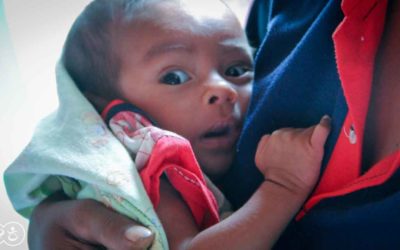
In this "Picture of the Day", Fair Future and Kawan Baik medical teams provide medical care to a child most likely affected by Malaria. He is less than two years old and has a fever of 40.6. Her symptoms fit this diagnosis of Malaria. We give him appropriate primary medical care to reduce his fever as quickly as possible. Then he will go for treatment tomorrow at the nearest health centre, more than three hours from the village.

Malaria is a severe public health problem, especially in the ultra-rural and impoverished areas where Fair Future and Kawan Baik Foundations work so hard. Malaria is a life-threatening disease caused by the Plasmodium parasite is transmitted to humans through the bites of infected female Anopheles mosquitoes. Children under five and pregnant women are also particularly vulnerable to Malaria, as their immune systems are less developed and may have more difficulty fighting infection. People suffering from chronic illnesses are also vulnerable (HIV, Hepatitis, malnutrition, etc.)

Ultra-rural and poor areas such as East Sumba are particularly vulnerable to the spread of Malaria due to factors such as lack of water or contaminated water, deplorable housing conditions, lack of access to healthcare health and preventive measures, inadequate sanitation… Moreover, here we do not have antimalarial drugs nor rapid tests to detect the disease. This makes our treatment and prevention work very difficult.

read more
×