Building a 5,000-liter ferro-cement water reservoir in remote areas costs about 12 million IDR (700 CHF). This reservoir provides clean water to hundreds of people, especially children, improving health and reducing disease. Your support can help us build the next reservoir and transform a community.
We have compiled a list of articles and pages for this topic
The Fair Future Foundation in East Indonesia combats social and medical injustice and aims to ensure everyone has access to healthcare, clean water, and education. Join us in making a difference.
Supporting innovative solutions for healthcare, clean water, and education in rural areas.
The two huge reservoirs located in Desa TanaMbanas
In this news "Picture of the Day," we invite you to take a bird's-eye view of a remarkable transformation unfolding in the heart of Sumba Tengah, Indonesia. The image captured from above reveals two immense reservoirs, each with a staggering capacity of 20,000 litres. These reservoirs are not just structures but lifelines for a community in need. Join us as we delve into the inspiring journey behind this transformative project in TanaMbanas.
Majestic Reservoirs and Tireless Dedication: A Glimpse into TanaMbanas – In the heart of Sumba Tengah, where arid landscapes stretch as far as the eye can see, lies the village of TanaMbanas. It's a place that has witnessed a remarkable transformation, and today, we take you on a journey to explore the heart of our #WaterConnections project.
As you gaze upon the aerial view of TanaMbanas, your eyes are immediately drawn to two colossal reservoirs, each boasting a capacity of 20,000 litres. These reservoirs are not mere structures; they are lifelines for the community, resulting from tireless dedication and unwavering commitment.
The journey to bring these reservoirs to life was no easy feat. It spanned over three months, filled with challenges and triumphs. Much like the upcoming project in Laindatang, these reservoirs represent the epitome of our mission – to harness the power of rainwater to benefit rural communities.
In the photo, you'll also glimpse our dedicated Fair Future team alongside the trusty "Truck of Life." They are the heart and soul of our #WaterConnections program, working diligently to ensure access to clean water becomes a reality for these communities.
This image captures the magnitude of the #WaterConnections project in TanaMbanas and serves as a testament to our enduring commitment to improving lives. It's a reminder that despite adverse weather conditions and logistical challenges, we remain resolute in our mission.
As we prepare to embark on the next phase of our journey in Laindatang, we reflect on our incredible impact so far. Together, we will continue to change lives, one drop of clean water at a time.
Stay tuned for more updates and stories from the frontlines of our mission to make clean water accessible to all.
#CleanWaterForAll #CommunityTransformation #FairFutureFoundation #WaterSecurity #SumbaTengah #ImpactfulProjects #SustainableSolutions
Alex Wettstein – Fair Future Foundation medico-social camp in East Sumba – Rumah Kambera, Lambanapu, on the 5th of January, 2024.
Transforming Lives with Innovative Rainwater Solutions
In the arid Tanambanas region, a remarkable transformation is taking place. The #WaterConnections project, led by Fair Future and Kawan Baik, is rewriting the water scarcity narrative. Thanks to innovative rainwater solutions, every drop is transformed into hope, health and happiness.
PMC program evaluation in Lapinu
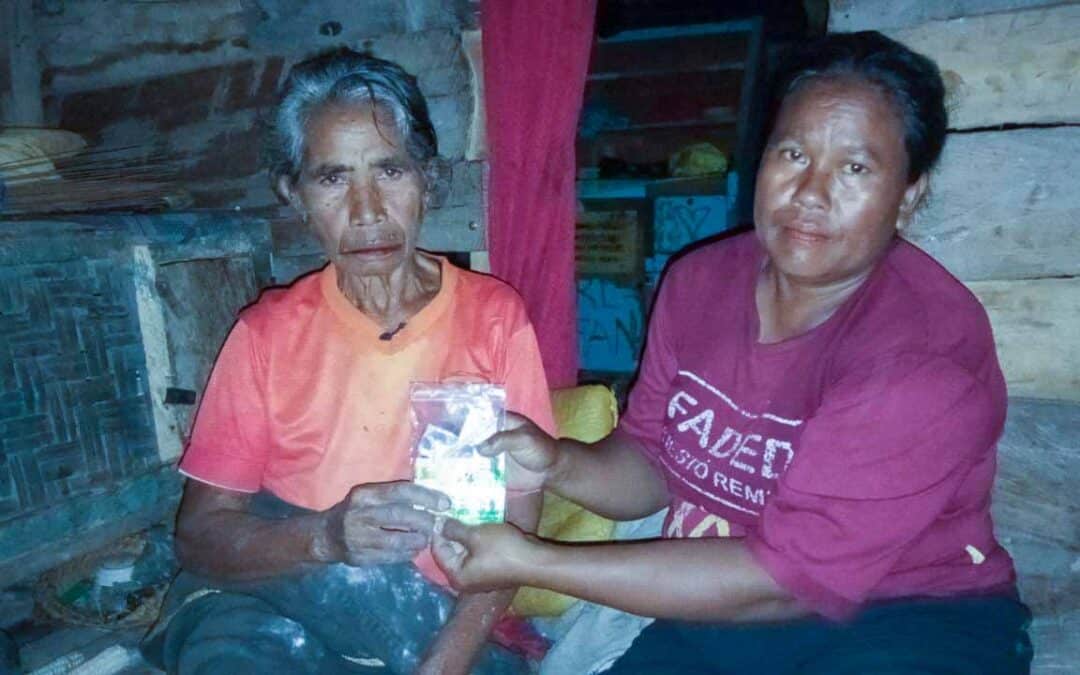
These women linked to the PMC program devote part of their lives to saving others. These unsung heroines work tirelessly to keep people from the danger of illness and injury. They put their lives on the line to ensure others can live to see another day.
PMC program evaluation in Mbatapuhu
Non-professionals who give medical care and medicine to people, sick children, and injured. They do so through a unique and innovative medical care program. Because here, there are no doctors, no health centre, or else too far away. No one has a vehicle, and the roads that lead to these villages are often impassable.
Rural doctor shortage solution initiatives
Our foundation addresses the severe shortage of doctors in rural Indonesia through a multifaceted approach that includes training local health agents, upgrading infrastructure, and implementing solutions to alleviate the doctor scarcity, ultimately improving access to medical care.
New Prevention Campaigns in East Sumba
As part of our medical prevention and healthy living programs, we are launching four new campaigns: smoking dangers, environmental preservation education, STD awareness, and the risks of alcohol consumption. These will involve specific training and new posters distributed in ultra-rural villages, schools, and medical centers in East Sumba.
Bringing Clean Water and Health Education to Rural Areas
In ultra-rural villages where access is challenging, Fair Future brings clean water and vital health education. The dedicated teams teach residents and school staff about hygiene, nutrition, and disease prevention. This #WaterConnections project benefits nearly 800 people, including 60% children, highlighting the transformative power of clean…
Let’s prevent malaria rather than cure it!
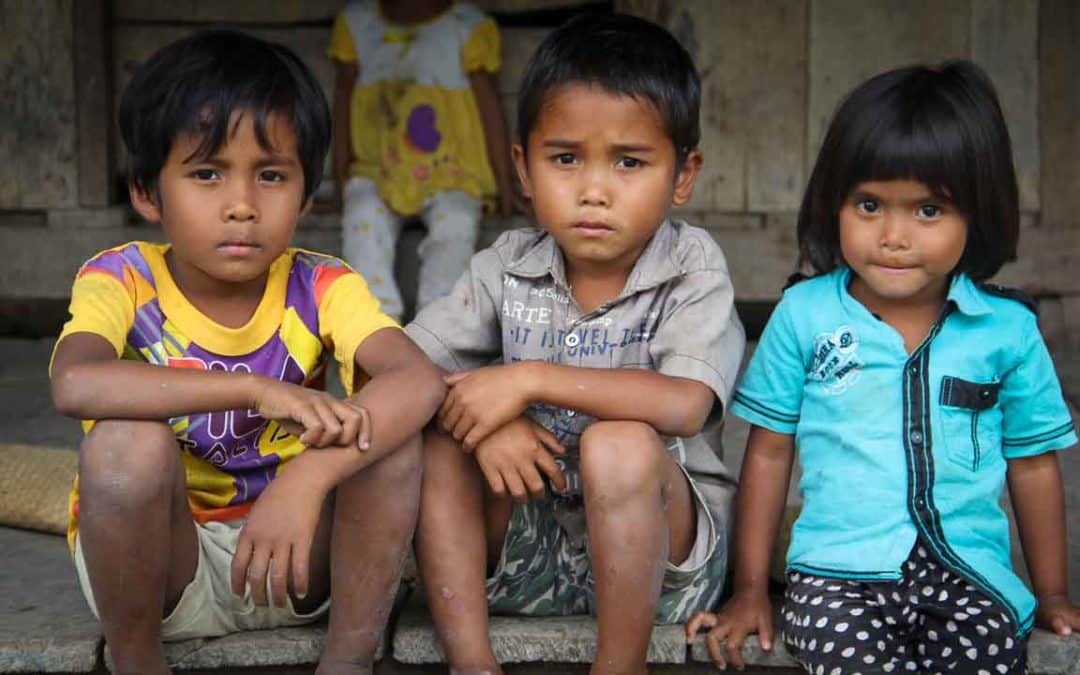
In this "Picture of the Day" shows you three children from Kabanda Village in East Sumba (read this post here), where the PMC program is in place. In this village, very far from everything, especially health centres, malaria is very active and wreaking havoc. We are talking about 80% of children under 12 are affected. It is, therefore, essential to prevent and train families. This is what we are doing here.
The daily observations concerning the causes of malaria are multiple here. These include, in particular, the lack of access to health care, information on prevention methods, the unavailability of health centres and sanitation, and the growing resistance to antimalarial drugs for regions with access to these treatments.
A reminder for all Kawans: Malaria is transmitted by female mosquitoes of the "Genus Anopheles", throughout the East Sumba region. These mosquitoes breed in standing water, such as rainwater storage tanks and open water sources, most of the time in rural and deprived areas of East Sumba.
As Fair Future has repeatedly seen and repeated for years, the consequences of malaria are serious if nothing is done to treat it: High fever, severe headache, nausea and vomiting. If not treated quickly, the disease can progress and lead to severe complications, including kidney failure, anaemia, seizures and death.
It is essential to train families and rural communities to protect themselves from this disease to reduce its transmission. Also, by learning how to prevent and treat Malaria, rural families and communities will reduce the economic and social burden of the disease. Malaria entails high costs for families and communities, particularly medical expenses (if they can access them), school absenteeism, and reduced productivity.
As we apply it with the Primary Medical Care Program (PMC), training families and rural communities to protect themselves from malaria contributes to strengthening the resilience of these populations in the face of epidemics of infectious diseases such as HIV, Tuberculosis, Gastroenteritis, cholera etc…
Alexandre Wettstein from the Foundation’s Medico-Social Camp in East Sumba, Rumah Kambera, Lambanapu, on the 2nd of May 2023
PMC program evaluation in Kabanda
Kabanda is genuinely one of the most isolated I have ever seen. Getting it is difficult, even dangerous, at times. No road leads to this village; only extremely steep or steep stony paths allow us to go there. It took us over six hours to get there, including four hours of absolute terrain with the Truck of Life, a 4×4 medical truck specially…
Learn how to provide Primary Medical Care
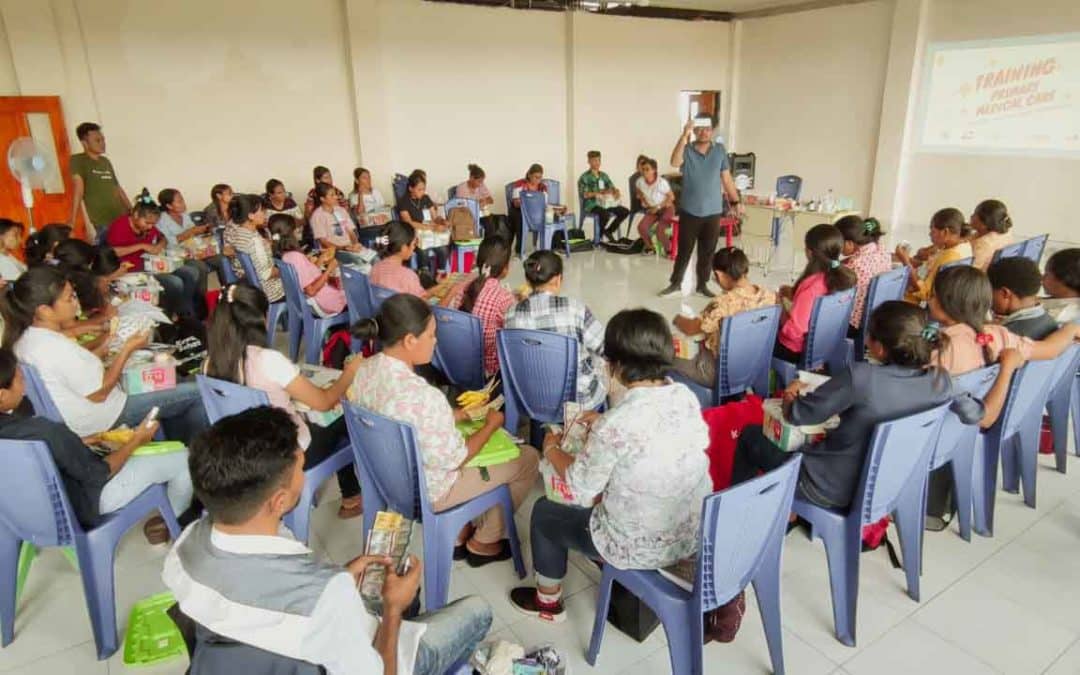
This "Picture of the Day" shows you one of the classes of brave women (and two or three men) who learn with our teams how to give first aid – Primary Medical Care which is the most important – to a person or a sick or injured child.
These first days of medical training welcomed around sixty participants from the most isolated and rural villages. To give you an idea, folks, none of these villages has access to clean or safe water, and only a few have access to some electricity. There is often no road leading there, but only paths that are often impassable. And, of course, no medical centre or health centre near the villages.
The participants are 95% women, and all are teachers in the school of their ultra-rural region. What they have been doing for a few months now is remarkable. They heal and undoubtedly save lives, see here some images taken with their mobile phone.
Aside from being most undoubtedly unique in the world, the magic of this "primary medical care" program is that it works. The first batch of about 60 teachers who have undergone training in rural primary medical care are now gaining more and more confidence, and hundreds of urgent medical care are being provided to the children of sick or injured adults. Lives are being saved.
In a few days, Fair Future Foundation with Kawan Baik Indonesia will evaluate this program directly from the villages, in the company of those who are its heroes, all these extraordinary women.
Truck of Life Repairs Boost Rural Health Aid
The Truck of Life, essential for reaching rural areas, has undergone major upgrades, including new solar panels, a 75-liter vaccine storage unit, and a redesigned layout, turning it into a mobile clinic. These improvements enhance its ability to provide vital healthcare services, addressing the challenges of accessing medical care in remote areas…