Donate
Select Page

We have compiled a list of articles and pages for this topic

The Fair Future Foundation in East Indonesia combats social and medical injustice and aims to ensure everyone has access to healthcare, clean water, and education. Join us in making a difference.

· Kawan Against Malaria

Malaria rises before the rains in East Sumba

Our East Sumba teams confirm a marked rise in malaria cases before the rainy season has begun. Local case totals are not yet available. Read →

1 / 10
A healthier life thanks to the Water Connections program

A healthier life thanks to the Water Connections program

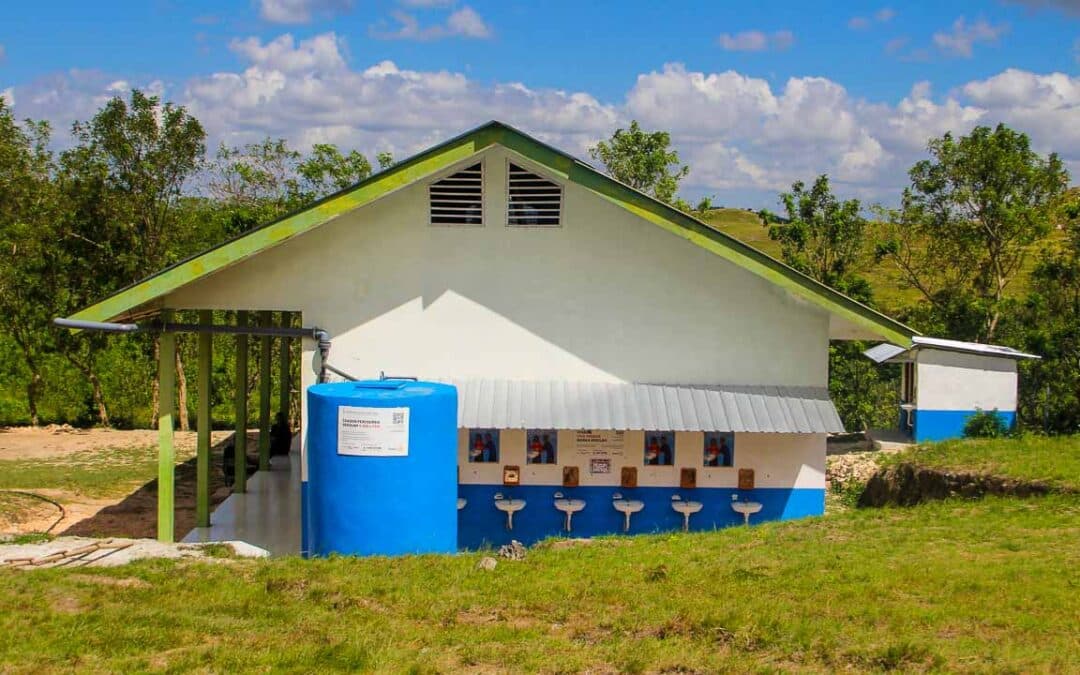
This new "Picture of the Day"  shows a delighted father who can now provide daily showers for his children, thanks to the newly installed water supply. Previously, they could only shower sporadically, sometimes only once a month. Additionally, the photo showcases the new sanitation facilities constructed in Mbinudita. The Water Connections project has successfully installed over forty reservoirs, thirty sanitary installations, three deep boreholes, and more than 15000 meters of HDPE pipes.

Water scarcity can be a significant source of stress for some regions, and various factors can cause it. Arid climates, low rainfall and prolonged droughts are just a few conditions that can contribute to water scarcity. Poor water resource management and a lack of knowledge can also exacerbate this problem, making it even more difficult for everyone to access the water they need to thrive. 
Despite these challenges, Fair Future is working hard to address water scarcity and ensure people have access to this vital resource. That is why we have developed the Water Program Connections.

Fair Future and Kawan Baik have noticed a significant improvement in the behaviour of families who have benefited from the "Water Connections" initiative. This program has enabled people to grow gardens, consume healthier food, enjoy life more, reduce stress, and boost energy levels. As a result, there has been a marked decrease in illnesses.

Witnessing these positive changes fills us with joy and reinforces our conviction in our decisions. Fair Future and Kawan Baik Foundation have always aimed to improve individual health, and providing access to safe drinking water is a beautiful way to accomplish this objective. As a Medical Foundation, Fair Future Foundation understands clean water's significance for maintaining good health. Drinking enough clean and healthy water is crucial for various physiological processes, including body hydration, proper organ function, digestion, and elimination of toxins.

Access to clean and safe water prevents dehydration-related illnesses, such as urinary tract infections, kidney stones, and constipation. It also significantly prevents dehydration, particularly in hot areas where sweating and water loss through respiration are common. While water is necessary for maintaining good health, we understand better than anyone else that certain medical conditions may require alternative treatments.

read more
Beyond Borders, Fighting Malaria Together in Eastern Indonesia

Beyond Borders, Fighting Malaria Together in Eastern Indonesia

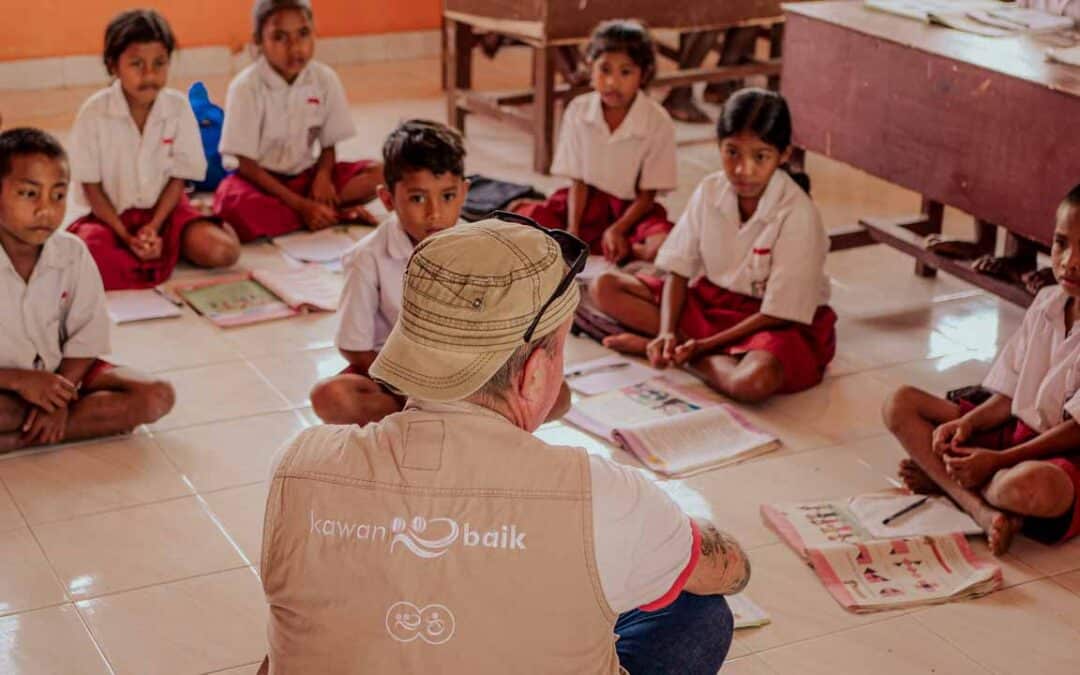
Beyond Borders: Fighting Malaria Together in Eastern Indonesia. This new "Picture of the Day"  shows three kids between 8 and 12 years old. Children are among the most vulnerable malaria victims in Indonesia, especially in the east of the country and of course here, where we work with Fair Future, Kawan Baik foundations and all our partners and friends.

The health and well-being of children in eastern Indonesia are threatened by malaria, which hinders their growth, development, and quality of life. Our organizations have a deep understanding of the urgency to address this issue, and we are working hard on our disease control program, which is of utmost importance. We have a strong track record of working in these regions where the epidemic affects about 80% of children. Collaborative efforts are underway to combat malaria and prioritize the welfare of children in these areas.

Young children are at a higher risk of contracting malaria due to their underdeveloped immune systems. Living in rural and poor areas with limited access to preventive measures only exacerbates the severity of symptoms if infected. A contributing factor is that young children typically haven't been exposed to the malaria parasite enough times to build up immunity* against it.

It can be challenging for young children in our regions to communicate or identify the symptoms of malaria, and their parents may not be familiar with them either. As a result, affected children may display non-specific symptoms like fever, tiredness, loss of appetite, irritability, and vomiting, which could easily be mistaken for other common childhood illnesses like drinking contaminated water. Consequently, this can cause delays in diagnosing and treating malaria accurately

*Some additional explanation: People living in malaria-endemic areas gradually develop acquired immunity, which reduces their susceptibility to severe infections in the future.

read more
Kullup is a hole in the rock to collect rainwater

Kullup is a hole in the rock to collect rainwater

This new "Picture of the Day" shows you kids from the village of Laidatang, who fetch water far from home in the "Kullup" of the village. Elthon, responsible for documentation (with the black t-shirt), and Alex, from the medical staff, are also present in this photo. With the kids and one or two adults accompanying us, we walk more than an hour to reach this place in the middle of a high hill. You must descend a steep path to access these hand-dug holes in the rock. In 30 minutes, we will have to go up the hill and walk back. But this time, loaded with several jerrycans filled to the brim.

The Fair Future and Kawan Baik teams spend two days with the families of the ultra-rural and isolated village of Laindatang to get to know them even better. In this village, we have the project to create a #WaterConnections project. I let you read here the articles related to this project and here to see what your want to do to save their lives,

In Laindatang, families only have access to rainwater. It's for everything: eating, drinking, cooking, bathing, washing clothes, drinking water, caring for children, sick people or watering animals. Therefore, one of the ways for women and young girls to have water at home to live on is to walk several kilometres to find the "Kullup".

Kullup, what is it? These are small stone basins, directly dug into the rock by the villagers, used to collect and store rainwater in rural areas. When it rains, the water seeps into the ground at the top of the hill and then is filtered through the earth and the basements. It flows drop by drop in these stone basins, the "Kullup". Then the villagers come to fill their jerrycans with five or ten litres.

The "Kuluk" are an essential water source for the local communities. But the quality of stored water can be affected by bacterial contamination, chemicals, animal waste or debris. Therefore, regularly cleaning these small holes in the rock is essential to maintain water quality. It is important to note that the "kuluk" is only a temporary solution to the water crisis in areas with limited access to drinking water. Indeed, the "kuluks" cannot fill up correctly without rain. They dry out about ten days after the last rains and remain dry for almost nine months. To find water, young girls, women and children, sometimes under five, will have to walk even further and longer.

Our two organizations work with local communities to implement longer-term solutions, such as constructing water supply networks using deep boreholes and sealed and healthy rainwater cisterns. The Water Connections program offers innovative and sustainable solutions. It includes promoting water conservation practices with “Kawan Sehat” and self-sustaining access to Primary Medical Care through the PMC program.

read more
Build a Water Reservoir for 700 CHF

Build a Water Reservoir for 700 CHF

Building a 5,000-liter ferro-cement water reservoir in remote areas costs about 12 million IDR (700 CHF). This reservoir provides clean water to hundreds of people, especially children, improving health and reducing disease. Your support can help us build the next reservoir and transform a community.

read more