Donate
Support Care
Articles & News
Field stories
Glossary
Field guides
About Fair Future Foundation
Since 2008, Fair Future has been on a mission to create lasting change in the most vulnerable and remote regions of Southeast Asia. Through collective action, we’ve built hospitals, provided clean water, and delivered essential medical services, turning seismic challenges into transformative opportunities for thousands.
Field-based medical care before emergencies
Health is built long before hospitals are reached.
Presence, prevention and practical care
We work as close as possible to where people live. Primary medical care, infectious-disease prevention, clean water, health education and essential infrastructure are connected realities, so our responses are designed together rather than as isolated projects.
Medical care alone is rarely enough. Water, hygiene, nutrition, transport, electricity and the ability to recognise danger signs early all determine whether a person receives useful care in time.
Our teams work throughout the year with local health professionals, Kawan Sehat community health agents, villages and public authorities. Continuity matters: repeated care, practical prevention and reliable follow-up build knowledge and trust over time.
Swiss roots, permanent field presence
Fair Future Foundation was established in Switzerland in 2008 and works directly from eastern Indonesia. Our governance is Swiss, while our daily work happens in the field alongside communities, health workers and local authorities.
We are not organised around short missions. Medical teams, coordinators and community health agents remain present between projects and emergencies, allowing care, prevention and infrastructure to be followed over time.
This combination of Swiss accountability and permanent local presence defines much of who we are: a small foundation working close to people, with decisions based on field reality rather than distance.
Care should not depend on distance
Fair Future grew from a loss. In 2006, a five-year-old child died from malaria in a remote Indonesian village where timely treatment and transport were unavailable. That experience exposed a simple reality: people often die not only from disease, but because essential care cannot be reached in time.
The Foundation was established in Switzerland in 2008 with a commitment to work closer to where people live. Our response has since expanded from medical care to prevention, water, education and infrastructure.
The principle remains unchanged: reduce avoidable suffering by acting earlier, staying longer and making essential services more accessible to communities that remain far from formal systems.
Local knowledge and long-term continuity
Medical staff, field coordinators and Kawan Sehat agents work close to where people live. We coordinate with public health structures, village authorities and communities whenever this strengthens care, referral and follow-up.
Communities are participants rather than passive beneficiaries. They help identify priorities, build water infrastructure, take part in prevention activities and adapt practical solutions to local conditions.
We also evaluate what happens after an intervention. A water system must still work months later; a trained health agent must remain equipped and supported; a patient referred for treatment must not simply disappear from follow-up. Staying allows us to learn and correct what needs to change.
Health is shaped by more than medical care
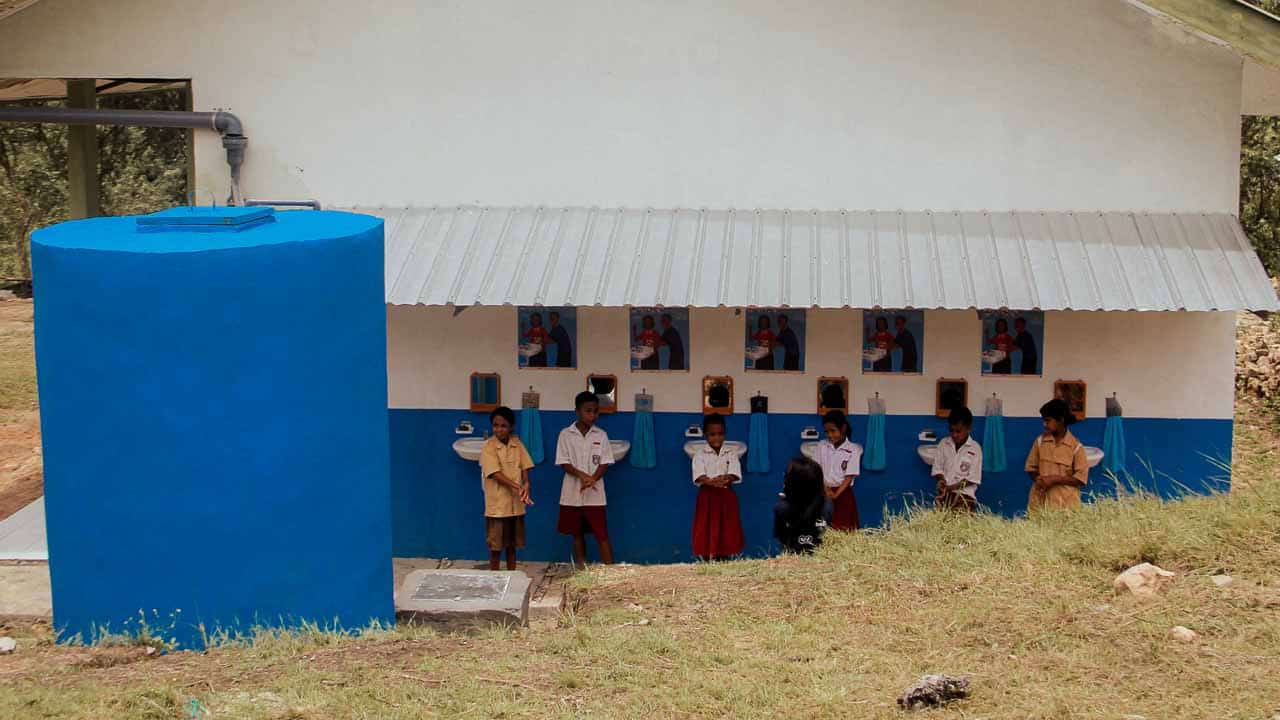
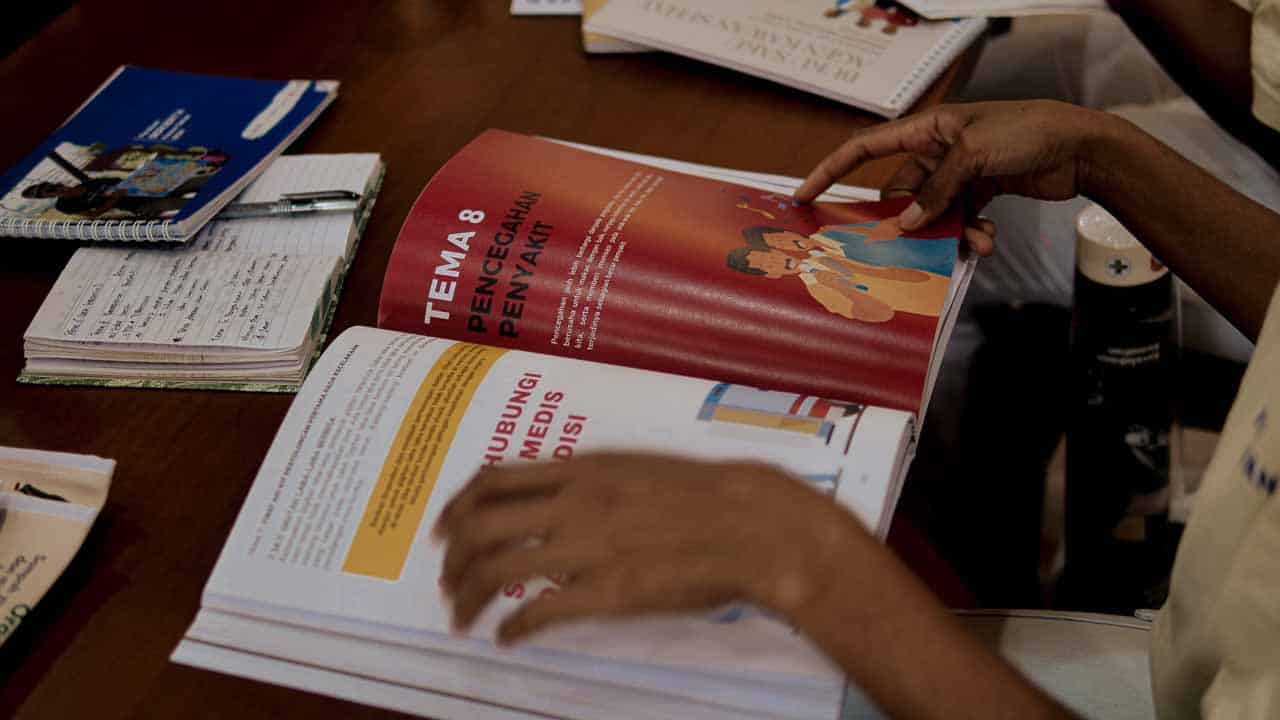
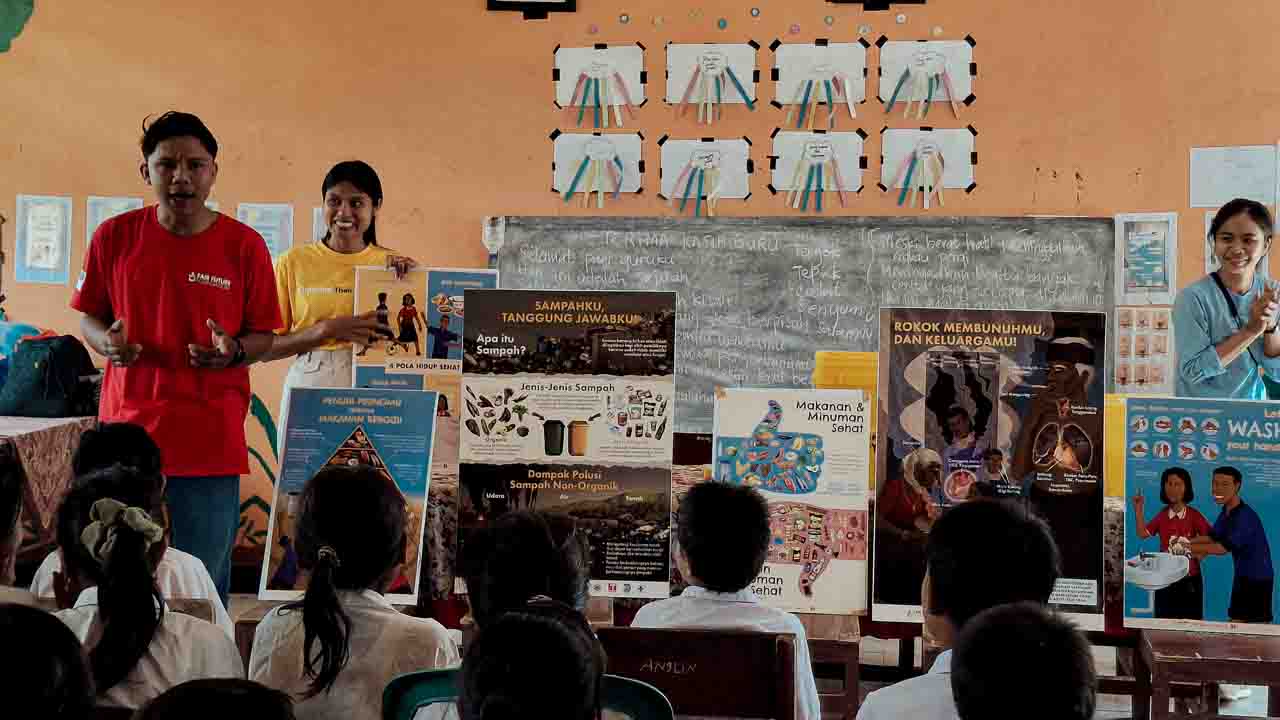
Our programs combine primary healthcare and disease prevention with clean water, hygiene, nutrition, health education, solar energy, field logistics and essential infrastructure. These activities respond to the same reality: health is influenced by what happens at home, in villages and on the often difficult journey to care.
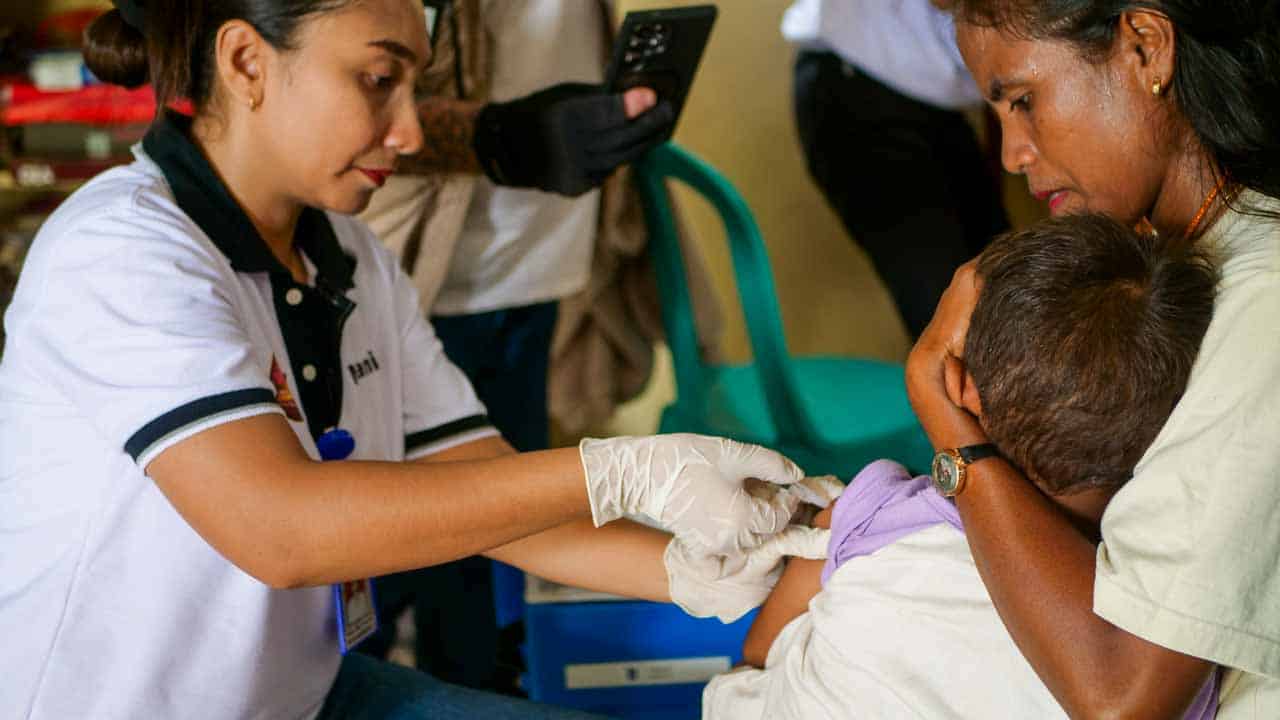
Medical consultations and screening remain central, but prevention can be equally decisive. Safe water, knowledge about malaria or tuberculosis, early recognition of symptoms and reliable community health agents can prevent illness from becoming an emergency.
Our programs are therefore designed to reinforce one another rather than operate as isolated projects. Explore our programs →
Accountability is part of the work
Fair Future is a Swiss public-utility foundation subject to Swiss oversight. Our accounts are audited, our ethical principles are public and expenditure is documented from financial records through to field activities.
We prefer traceable information to broad claims. Medical supplies, water infrastructure, training, logistics and operational costs must be connected to actual work and explained clearly to donors and partners.
Transparency is also about recognising limits and correcting mistakes. Our reports and financial information are public because trust depends on evidence, not slogans.
Staying is part of the work
Malaria, tuberculosis, malnutrition, water scarcity, climate pressure and difficult access do not end when a project closes. We remain present long enough to understand whether an intervention actually continues to help.
Long-term presence also changes the quality of care. Health agents can ask for advice, supplies can be replenished, infrastructure can be assessed and families know where to seek help when a new problem appears.
Progress is often quiet: earlier recognition of danger signs, safer water at home, better follow-up, or a patient receiving care before a condition becomes an emergency. These changes rarely make headlines, but they are the reason we stay.
Integrated Community Health Actions in the Field