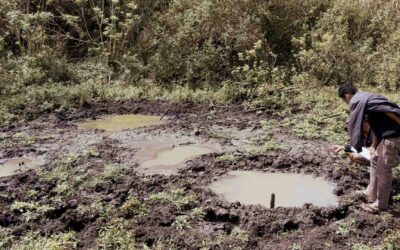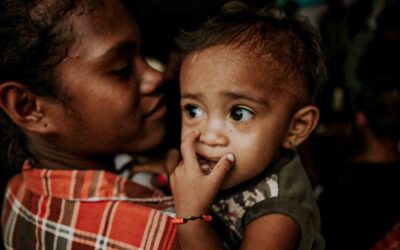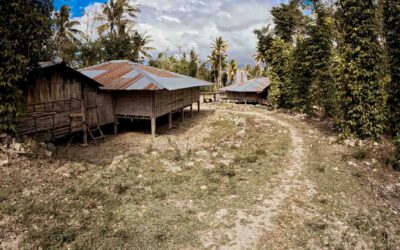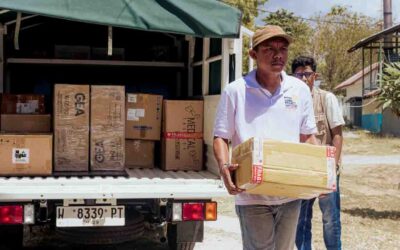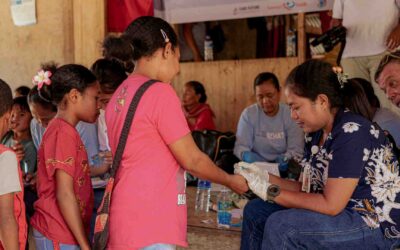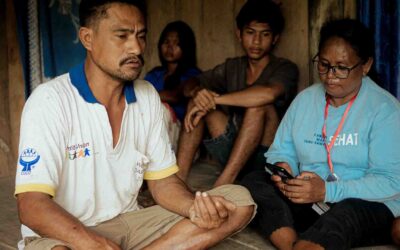


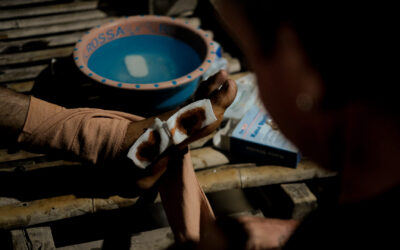
Snake bites in rural Indonesia become life-threatening when care is delayed. Lack of antivenom, poor access to healthcare, and limited awareness turn a treatable injury into a fatal condition. Early response and community-based care are essential to save lives.
I have written the following articles and content
Hello, my name is Alexandre WettsteinThe Fair Future Foundation in East Indonesia is dedicated to eradicating social and medical injustices by ensuring access to healthcare, clean water, and education for all.
Tuberculosis Rural Indonesia | Poverty and Health Access
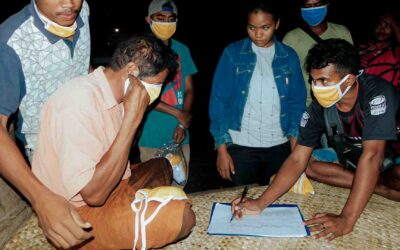
Tuberculosis remains one of the most persistent infectious diseases in rural Indonesia. Poverty, malnutrition and delayed diagnosis allow the disease to spread silently within households where access to healthcare remains limited. Community-based detection and treatment are essential to stop transmission.
Unsafe Water Childhood Diarrhea Indonesia | Health Crisis
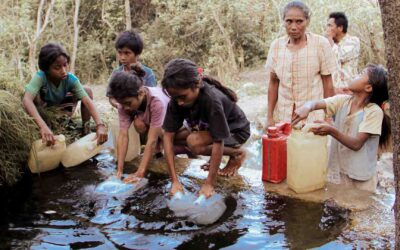
Unsafe water remains a major driver of childhood diarrheal diseases in rural Indonesia. Contaminated rivers, poor sanitation, and plastic pollution expose children to infection, dehydration, and malnutrition. Improving access to clean water and hygiene education is essential to protect child health.
Plastic Waste Public Health Indonesia | Political Failure
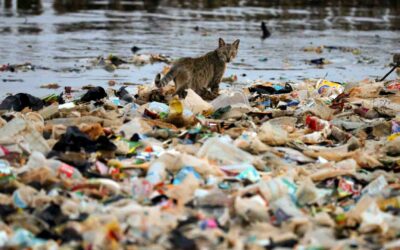
Plastic waste public health Indonesia is no longer an environmental issue. It is a political failure. Across rural regions, rivers and villages are overwhelmed by plastic pollution, toxic smoke and contaminated water while authorities ignore waste management and the health risks faced daily by communities.
Water Connections Reservoir Funding | Clean Water Sumba
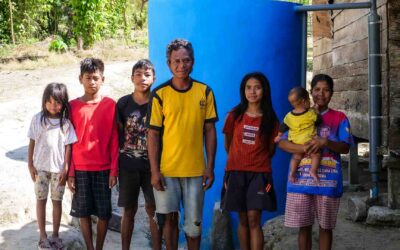
Clean water remains one of the most urgent public health challenges in East Sumba. Through the Water Connections program, Fair Future Foundation and Kawan Baik Indonesia aim to build 12 new rainwater reservoirs, bringing safe filtered water to rural families and improving health for hundreds of people.
Dengue Climate Change Indonesia | Rising Mosquito Risk
Climate change is reshaping dengue transmission across rural Indonesia. Warmer temperatures, longer rainy seasons and stagnant water near homes create ideal mosquito breeding sites. In isolated villages, prevention, environmental management and early diagnosis remain essential to reduce severe dengue cases.
Rubella in Indonesia | 11,094 Measles Cases, 72 Deaths
Rubella in Indonesia remains a serious rural health threat. After 11,094 confirmed measles cases and 69 deaths in 2025, continued transmission in 2026 highlights low MR coverage, weak surveillance, and the ongoing risk of congenital rubella syndrome in remote districts.
Health Systems Stop Before the Village | Rural Health Access
Health systems often function in cities and district hospitals but stop before reaching the most remote villages. Distance, weak infrastructure, limited staff and governance failures leave rural populations without care. Community health agents and primary medical care programs help bridge this gap.
Logistics Is Medicine | Reaching Remote Villages
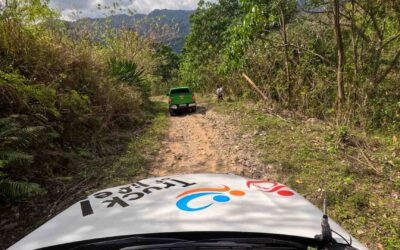
Logistics is medicine in remote regions where healthcare access depends on transport, supply chains and field operations. Trucks, motorcycles and medical deliveries determine whether diagnostics, vaccines and treatments reach isolated communities in time to save lives.
Last Mile Global Health | Why Systems Stop Early
Global health programs often succeed at national level but fail to reach the most remote communities. This article explores the last mile global health challenge and explains why healthcare systems stop before the final villages, and how community medicine bridges that critical distance.
Health Built Before Patients Arrive | Rural Medicine
Health built before patients arrive explains why prevention determines survival in rural regions. Clean water systems, malaria prevention, community health agents and early detection reduce infections and save lives long before a patient reaches a clinic.
Health Data Where No Data Exists | Rural Care
Generate health data where no data exists in ultra-rural East Sumba. Through structured primary medical care documentation and field-developed medical apps, we record real disease patterns, reveal hidden burdens, and guide targeted health interventions in remote Indonesian villages.