

Donate
Select Page
FIELD ARCHIVE

Medical & Prevention

Where no doctor is available, care must reach people directly. Fair Future Foundation delivers primary medical care and disease prevention through trained local health agents following structured protocols. Treatment of common illnesses, fever, wounds, and malaria is combined with hygiene, vaccination, and community education. This integrated model reflects WHO public health principles, where prevention and care form a single, continuous medical response.
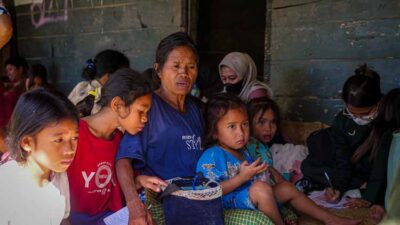
A family attends a community medical care day in East Sumba.
Home › Medical & Prevention › Page 16
Archive scope

The Medical & Prevention category focuses on evidence-based field medicine and public health actions implemented in ultra-rural contexts.

It documents how primary medical care, disease prevention, and early intervention reduce morbidity and mortality where access to healthcare is absent. Articles address infectious diseases, maternal and child health, hygiene, vaccination, and community education, aligned with WHO recommendations. Beyond theory, this section presents concrete medical practices carried out on the ground by trained local health agents, highlighting how prevention remains the most effective and sustainable medical act in vulnerable populations.

FROM THIS ARCHIVE369 field updates

Latest field updates

Medical Teams Deliver Care in Rural East Sumba

Medical Teams Deliver Care in Rural East Sumba

Fair Future’s medical teams, led by Dr. Narni, offer vital healthcare services to remote villages in East Sumba. Utilizing the Truck of Life, they address illnesses, combat malnutrition, and advocate for clean water access to ensure no community is overlooked. Their commitment is essential in regions where healthcare remains out of reach and infectious diseases go unchecked.

read more
Kawan Sehat Health Agents Certified in Rural Sumba

Kawan Sehat Health Agents Certified in Rural Sumba

In the remote communities of East Sumba, 20 new Kawan Sehat health agents have been certified through the Primary Medical Care program. These 19 women and one man are now essential providers of life-saving care in their villages, which lack formal healthcare facilities. Their dedication and increasing proficiency are crucial for the well-being of their communities, representing a significant milestone in rural healthcare.

read more
