Donate
Select Page

We have compiled a list of articles and pages for this topic

The Fair Future Foundation in East Indonesia combats social and medical injustice and aims to ensure everyone has access to healthcare, clean water, and education. Join us in making a difference.

15th Anniversary: A Decade and a Half of Action and Healing

15th Anniversary: A Decade and a Half of Action and Healing

Celebrate with us as we mark 15 years of the Fair Future Foundation’s unyielding commitment to providing essential medical care, clean water, and hope to rural communities in East Sumba. Founded by Alex Wettstein, our dedicated team has been at the forefront of combating infectious diseases, addressing hunger, and improving living conditions for…

read more
Breaking Water Barriers for Women and Girls in East Sumba

Breaking Water Barriers for Women and Girls in East Sumba

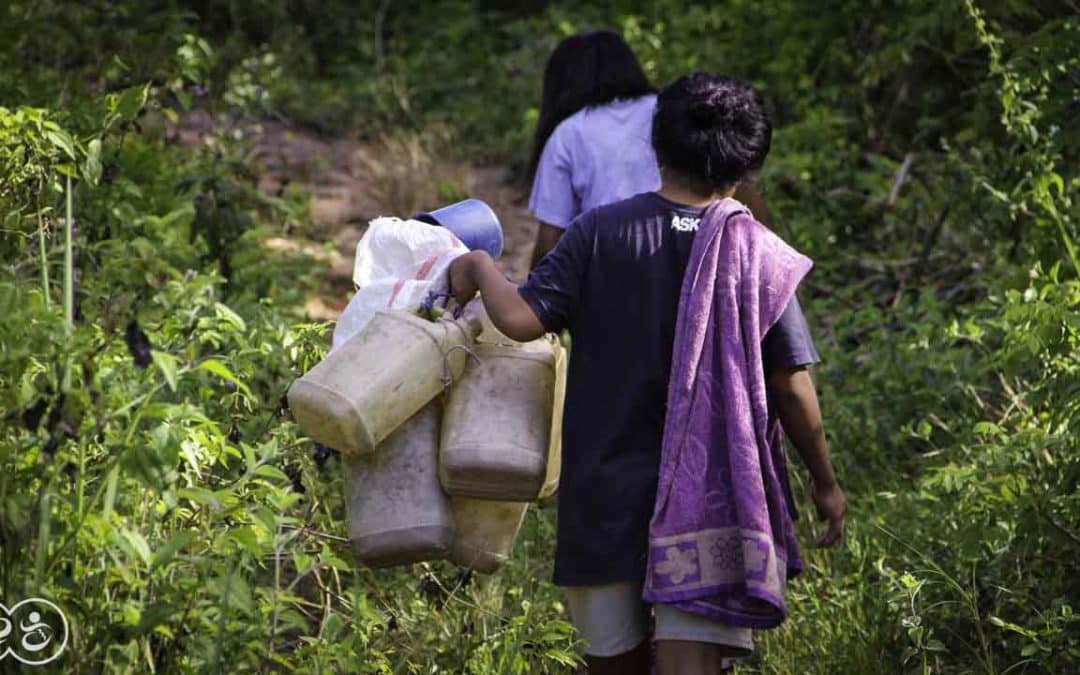
In this news "Picture of the Day", under the terrible heat of East Sumba, a mother and her daughter trudge forward, carrying five empty jerry cans. Their feet tread on arid ground, strewn with stones and brush. The day started a few hours ago and the journey is far from over. They have travelled more than five kilometres on foot and have as much ahead of them to reach their destination: Kullups, holes dug by hand in the rock of a hill. (Ref. Read this article here)

In this part of the world, kullups are more than mere rainwater reservoirs; they represent a vestige of human ingenuity against near-chronic water scarcity. Rainwater, channeled by soil and rock, seeps in to feed these small stone basins at the foot of a hill. It's a source of life, but also a source of heart-wrenching dilemmas. For every precious drop, there is a hidden cost, measured not in money but in lost opportunities, compromised health, and uncertain futures.

Consider the mother. Each trip for water represents hours when she can't work, maintain her home, or care for her family. What about her daughter? With every step she takes toward the kullup, she moves further from an education that could unlock doors to a better future. The thirst for learning is there, but it is weighed against a more immediate, more vital thirst.

Against this backdrop, the teams from Fair Future and Kawan Baik step in, armed with the will to make a difference and the tools and expertise needed to do so. The #WaterConnections program doesn't merely supply water; it aims to redefine these communities' relationship with this essential resource. By installing water collection and filtration systems, educating on hygiene best practices, and encouraging community participation, Fair Future and Kawan Baik aim to break the vicious cycle of poverty and disease.

Waterborne diseases like Malaria, Dengue, diarrhea and cholera are commonplace in these areas. But their impact doesn't stop at the individual. A sick mother cannot provide for her family. A sick daughter cannot attend school. And a cycle of suffering and poverty perpetuates, generation after generation.

The work of Fair Future and Kawan Baik isn't completed in a day or even a year. It's a long-term commitment, an investment in the future of these communities. But every installed water system, every educational session, and every assisted family represents a step toward a future where this mother and daughter won't have to choose between the present and the future, between thirst and the thirst for learning.

In a world where clean water is often taken for granted, it's easy to forget that for some, it's a luxury that comes at a high price. By working on the ground alongside those who live this reality every day, Fair Future and Kawan Baik remind us that behind every drop of water, there's a human story, a struggle, and an opportunity for change.

Alex Wettstein – Fair Future Foundation medico-social camp in East Sumba – Rumah Kambera, Lambanapu, 17th of October, 2023.

read more
Improving Children’s Health with Water and Nutrition

Improving Children’s Health with Water and Nutrition

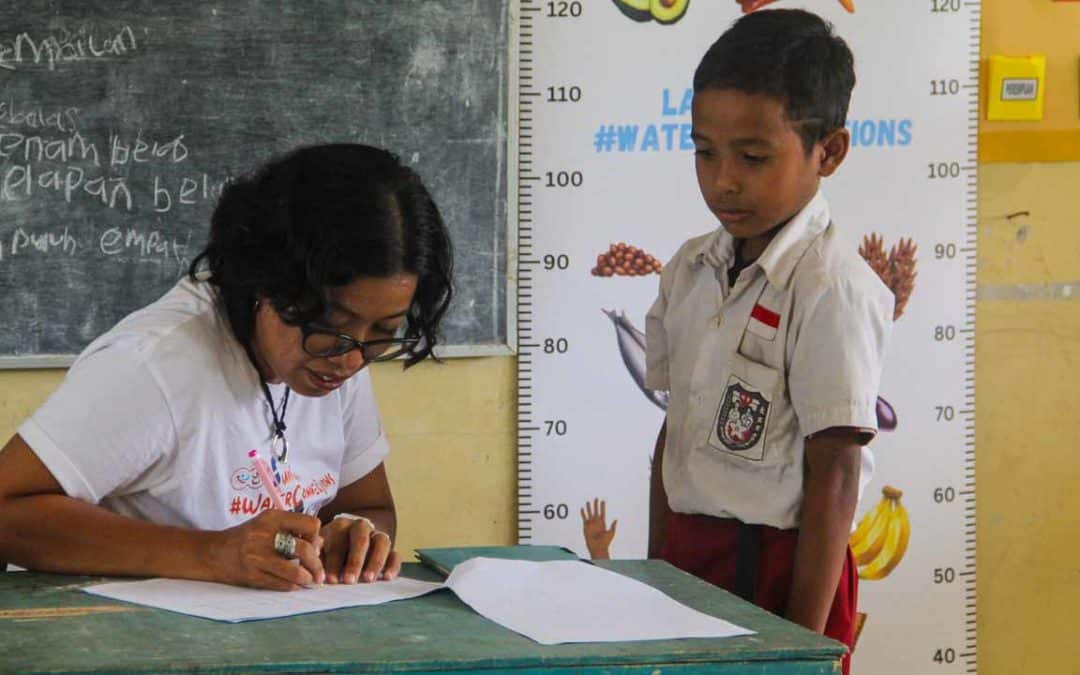
This new “Picture of the Day” shows Ayu spending time with a child from Laindatang in East Sumba, where we have been working for over two years as part of the #WaterConnections and #ZeroMalaria programs. Ayu will measure this child along with 78 others, and also weigh him to assess his hygiene and determine whether he is doing well and gaining weight.

Our main objective is to improve the standard of living of ultra-rural communities while ensuring their sustainable development. We pay particular attention to promoting the growth and physical well-being of children, as malnutrition remains a significant problem affecting approximately 15–20% of young people. This means that hundreds of children are facing weight and nutrition issues that concern us deeply.

We provide healthcare programs that educate parents, villagers, and schools in ultra-rural areas about good nutrition. Due to the extreme poverty and isolation in these regions, healthy eating habits are often unfamiliar concepts. Therefore, we provide them with nutritious meals made with local ingredients while teaching them to grow their own gardens for a healthier diet.

Our approach emphasises crucial skills such as eating vegetables as often as possible, drinking clean water through our #WaterConnections initiative, and protecting yourself from infectious diseases by adopting preventative measures.

One of our team members can be seen in this new Picture of the Day, watching over a child. Our mission is to weigh, measure and evaluate hundreds of children every week to ensure their medical and hygienic well-being. This evaluation is essential to determine the effectiveness of our on-site programs. We have witnessed impressive results: Better access to water has improved nutrition, which has translated into increased vitality, better health, and an overall healthier lifestyle.

Improving water availability and nutrition creates a beneficial loop that transforms lives and strengthens disadvantaged communities.

Fair Future Foundation medico-social camp in East Sumba – Rumah Kambera, Lambanapu – The 12th of July 2024.

read more