Donate
Select Page

We have compiled a list of articles and pages for this topic

The Fair Future Foundation in East Indonesia combats social and medical injustice and aims to ensure everyone has access to healthcare, clean water, and education. Join us in making a difference.

· Environment & Climate

Extreme heat risks in pregnancy and newborns

In remote East Sumba, scarce water and little shelter from heat and dust make it harder to stay cool and maintain hygiene before and after birth. Read →

1 / 10
Bringing Sanitation to an Underserved Village in East Sumba

Bringing Sanitation to an Underserved Village in East Sumba

The image illustrates our ongoing project: the excavation of a septic tank. This is the very first step towards the installation of the first-ever sanitation infrastructure in the village's history. Our goal is to reinforce the health and well-being of the families in this community. In closely associating ourselves with the villagers, a core principle in our approach, we work hand in hand to provide them vital access to water and sanitation facilities, despite their isolation in the eastern part of Sumba.

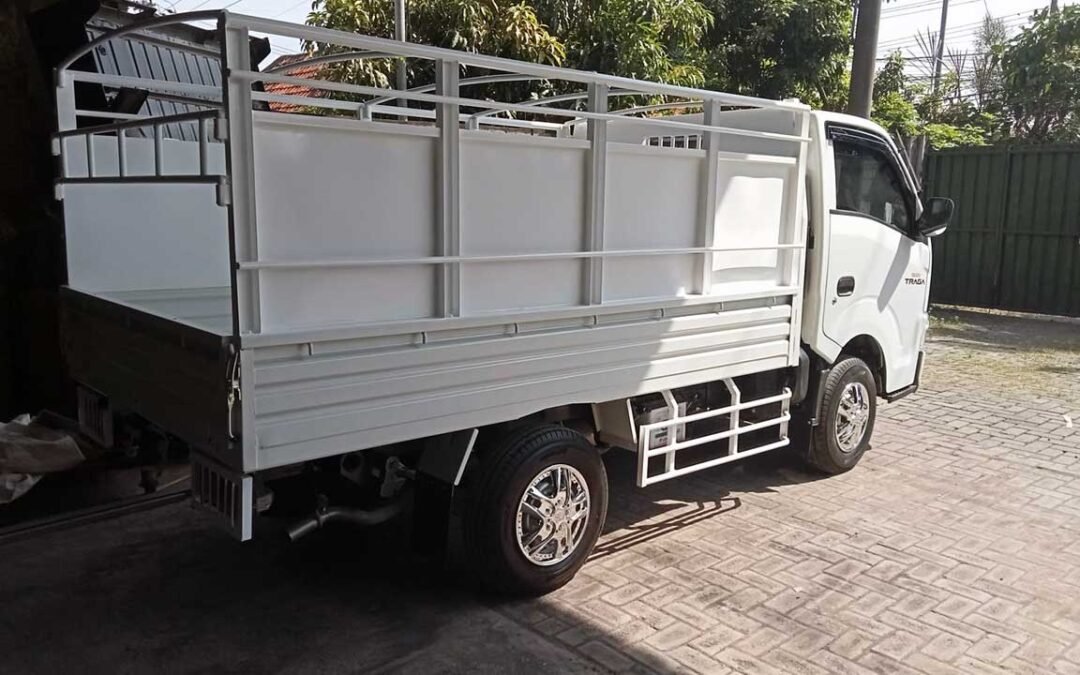
For several months now, our organizations – Fair Future and Kawan Baik – have favored constructing lightweight steel facilities. This decision is based on hygiene, maintenance, and construction efficiency grounds. The entire structure (in this case, two toilet – shower stalls) is constructed at the Fair Future Foundation’s base camp in Waingapu, called Rumah Kambera. We then transport the dismantled structure to the site of installation. It takes about a week for our team to operationalize an installation like this, followed by one to two weeks dedicated to finishing and aesthetic touch-ups.

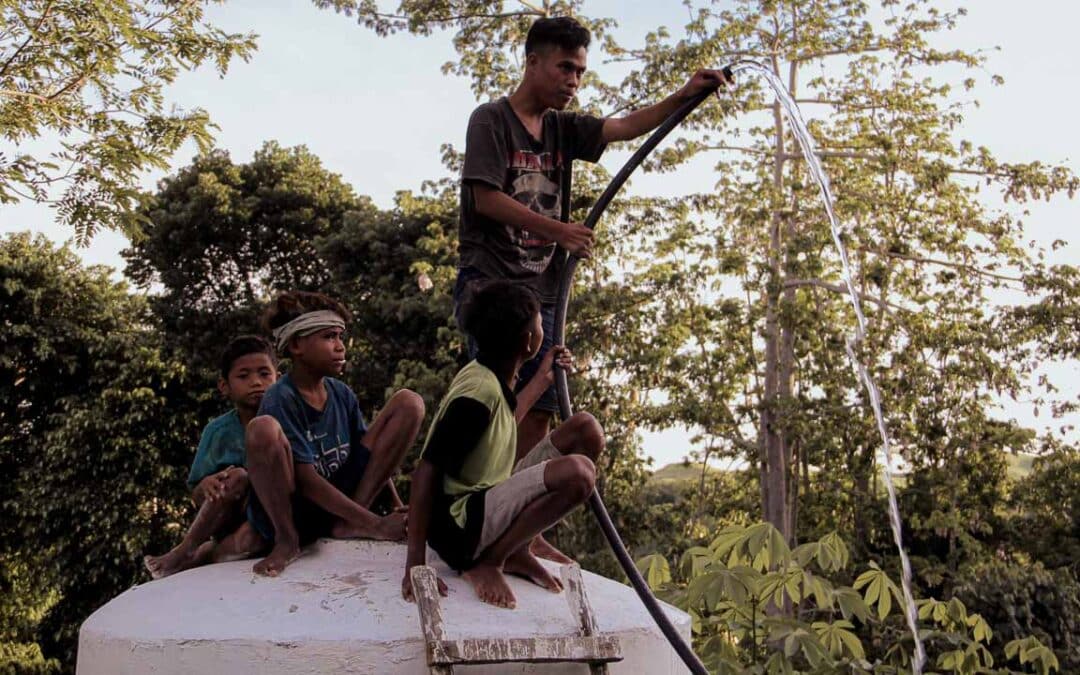
In this underprivileged environment, families lack access to basic services, needs such as access to water or electricity are non-existent. During the dry season, when rainwater tanks are almost empty, they must travel miles to collect just a few litres of often unsuitable water. See the related #waterconnections posts here.

In the village of Laindatang, inhabitants have never had the privilege of a working shower or toilet. The enthusiasm and joy are palpable as they witness the construction of these new facilities, bringing them a simple feeling of happiness.

This installation will also contribute to reducing infectious diseases caused by the absence of adequate sanitation facilities in the village. This will likely lead to an increase in the quality of life for the villagers, a reduction in the time spent gathering water, and promote overall community health and well-being. This initiative is more than just building sanitation facilities. It symbolizes the start of a new chapter for Laindatang, signifying change and development towards a healthier community.

Thus, the work of Fair Future and Kawan Baik extends beyond physical construction, promoting progress, health, and hope for the future.

read more
Laindatang Deep Well Testing, Hope for Clean Water

Laindatang Deep Well Testing, Hope for Clean Water

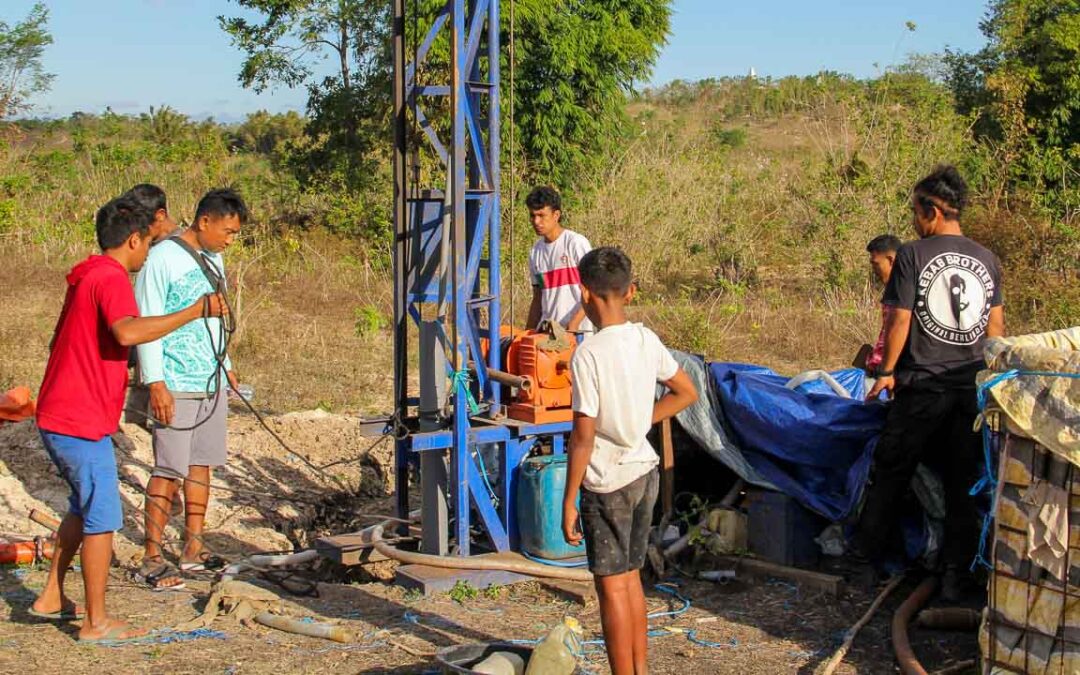
Fair Future continues its groundbreaking work in Laindatang, one of the driest regions in the world. During this crucial test phase of deep well drilling, the goal is to provide access to vital water for over 600 people, including many children. Our team is dedicated to ensuring that these remote communities can flourish through improved health…

read more
Matawai: Fair Future’s Eye-Opening Documentary on East Indonesia’s Water Crisis

Matawai: Fair Future’s Eye-Opening Documentary on East Indonesia’s Water Crisis

Matawai’ serves as a profound wakeup call to the global community about the water crisis in Eastern Indonesia. Produced by Fair Future Foundation, this compelling documentary vividly portrays the day-to-day struggles of rural families. Through this film, you’ll also witness the groundbreaking initiatives we’ve implemented to transform access to…

read more
A healthier life thanks to the Water Connections program

A healthier life thanks to the Water Connections program

This new "Picture of the Day"  shows a delighted father who can now provide daily showers for his children, thanks to the newly installed water supply. Previously, they could only shower sporadically, sometimes only once a month. Additionally, the photo showcases the new sanitation facilities constructed in Mbinudita. The Water Connections project has successfully installed over forty reservoirs, thirty sanitary installations, three deep boreholes, and more than 15000 meters of HDPE pipes.

Water scarcity can be a significant source of stress for some regions, and various factors can cause it. Arid climates, low rainfall and prolonged droughts are just a few conditions that can contribute to water scarcity. Poor water resource management and a lack of knowledge can also exacerbate this problem, making it even more difficult for everyone to access the water they need to thrive. 
Despite these challenges, Fair Future is working hard to address water scarcity and ensure people have access to this vital resource. That is why we have developed the Water Program Connections.

Fair Future and Kawan Baik have noticed a significant improvement in the behaviour of families who have benefited from the "Water Connections" initiative. This program has enabled people to grow gardens, consume healthier food, enjoy life more, reduce stress, and boost energy levels. As a result, there has been a marked decrease in illnesses.

Witnessing these positive changes fills us with joy and reinforces our conviction in our decisions. Fair Future and Kawan Baik Foundation have always aimed to improve individual health, and providing access to safe drinking water is a beautiful way to accomplish this objective. As a Medical Foundation, Fair Future Foundation understands clean water's significance for maintaining good health. Drinking enough clean and healthy water is crucial for various physiological processes, including body hydration, proper organ function, digestion, and elimination of toxins.

Access to clean and safe water prevents dehydration-related illnesses, such as urinary tract infections, kidney stones, and constipation. It also significantly prevents dehydration, particularly in hot areas where sweating and water loss through respiration are common. While water is necessary for maintaining good health, we understand better than anyone else that certain medical conditions may require alternative treatments.

read more
Beyond Borders, Fighting Malaria Together in Eastern Indonesia

Beyond Borders, Fighting Malaria Together in Eastern Indonesia

Beyond Borders: Fighting Malaria Together in Eastern Indonesia. This new "Picture of the Day"  shows three kids between 8 and 12 years old. Children are among the most vulnerable malaria victims in Indonesia, especially in the east of the country and of course here, where we work with Fair Future, Kawan Baik foundations and all our partners and friends.

The health and well-being of children in eastern Indonesia are threatened by malaria, which hinders their growth, development, and quality of life. Our organizations have a deep understanding of the urgency to address this issue, and we are working hard on our disease control program, which is of utmost importance. We have a strong track record of working in these regions where the epidemic affects about 80% of children. Collaborative efforts are underway to combat malaria and prioritize the welfare of children in these areas.

Young children are at a higher risk of contracting malaria due to their underdeveloped immune systems. Living in rural and poor areas with limited access to preventive measures only exacerbates the severity of symptoms if infected. A contributing factor is that young children typically haven't been exposed to the malaria parasite enough times to build up immunity* against it.

It can be challenging for young children in our regions to communicate or identify the symptoms of malaria, and their parents may not be familiar with them either. As a result, affected children may display non-specific symptoms like fever, tiredness, loss of appetite, irritability, and vomiting, which could easily be mistaken for other common childhood illnesses like drinking contaminated water. Consequently, this can cause delays in diagnosing and treating malaria accurately

*Some additional explanation: People living in malaria-endemic areas gradually develop acquired immunity, which reduces their susceptibility to severe infections in the future.

read more