Donate
Select Page

We have compiled a list of articles and pages for this topic

The Fair Future Foundation in East Indonesia combats social and medical injustice and aims to ensure everyone has access to healthcare, clean water, and education. Join us in making a difference.

· Primary Care

Primary Medical Care reduced as needs grow

We have had to scale back Primary Medical Care in East Sumba as patient needs grow. Reduced resources mean less support where care is already hard to reach. Read →

1 / 10
The #ZeroMalariaSumbaTimur program has been successfully implemented

The #ZeroMalariaSumbaTimur program has been successfully implemented

In a concerted effort to fight the endemic scourge of malaria, the Swiss Fair Future Foundation has embarked on an extraordinary mission – the #ZeroMalariaSumbaTimur program. This groundbreaking initiative is taking place in the heart of Southeast Asia, specifically in the remote and underserved eastern expanse of Indonesia known as East Sumba.

Having already screened and treated 2500 individuals across three severely malaria-affected villages in East Sumba, our undertaking is underscored by a tangible impact. This formidable feat, orchestrated through the synergy of committed individuals such as Alandio, Ino, Elthon, Alex, Ayu, Annisa or Ayu, resonates as a testament to unwavering dedication. Over seventy staunch contributors, bolstered by fifty fervent volunteers from diverse corners of Indonesia, assemble with a shared sense of purpose.

Collectively, we have curated a multi-disciplinary team of skilled nurses, physicians, and laboratory specialists, amplifying our medical outreach. This coalition is complemented by clever logistics and data management, facilitated by an innovative application collaboratively developed by the Fair Future and Kawan Baik Foundations.

The core of our effort extends beyond the simple detection of malaria; our priority lies in education and prevention. Empowering communities with knowledge and awareness is our ultimate goal. We disseminate vital information about this dangerous disease through immersive workshops and interactive sessions. Armed with this understanding, individuals cannotntify the symptoms of malaria but also take quick and informed action to avoid potential complications and even death, safeguarding their well-being and others—their relatives.

The tangible impact of this initiative ripples through the lives we touch. Early identification and effective malaria management have resulted in life savings. Additionally, our efforts extend to enlightening local healthcare providers, equipping them with the essential tools and resources for a decisive battle against this relentless disease.

Yet our journey is not free of challenges. Negotiating the region's labyrinthine topography, working with limited resources, and transcending language barriers requires inventive methodologies and a deep sensitivity to indigenous cultures. Establishing a foundation of trust within our communities is an indispensable facet, fostering the adoption of preventive measures and a tendency to seek prompt medical intervention when needed.

We invite you to join our collective effort in the fight against malaria. Hand in hand, we can create a transformative impact, save lives and shape a radiant tapestry of possibility for everyone.

read more
Laindatang’s Water Crisis: A Lifesaving Initiative

Laindatang’s Water Crisis: A Lifesaving Initiative

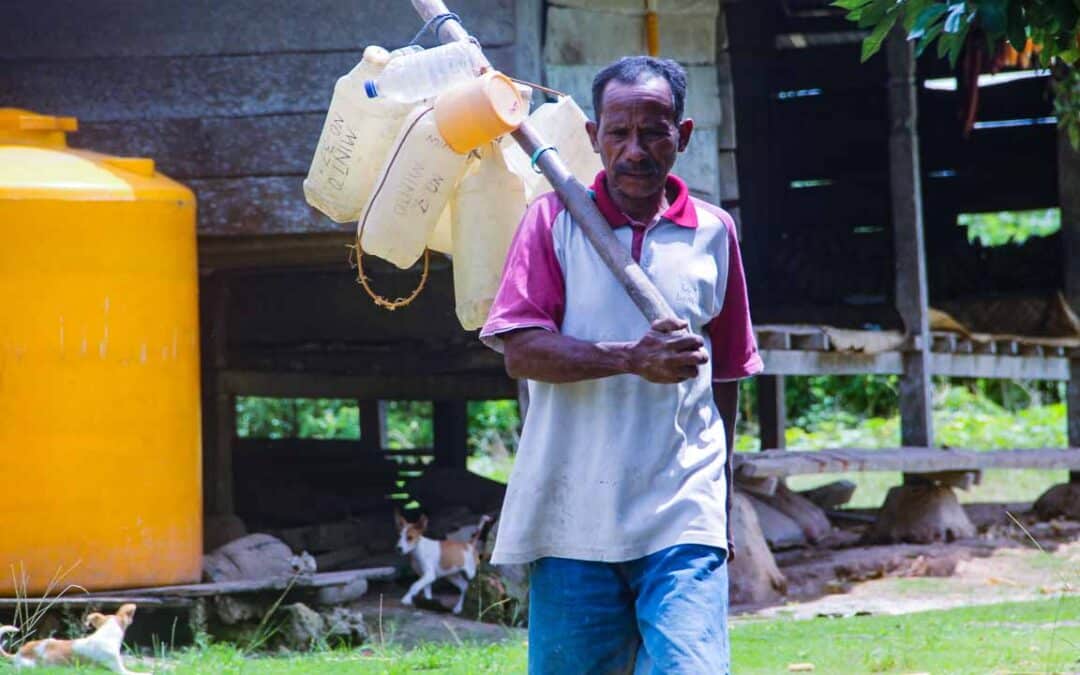
This new “Picture of the Day” shows you Pak Kudu Huring, who leaves early in the morning to fetch a few litres of water from his house, which is too far from his village of Laindatang. He carries with him nearly ten Jerry cans on his shoulder; he walks quickly, and it isn’t easy to follow him. He makes this trip once or twice a day. He will have to walk several hours to return home with water to drink, eat, and water the animals…

Finding water is a big challenge in extremely rural eastern Sumba villages like Laindatang, finding clean water is a daily challenge. Residents have to venture miles to collect it and often find themselves with resources unfit for consumption. This situation further exposes their society to serious health risks, such as Malaria, Polio, diarrheal diseases, typhoid fever, dysenteric infections, and parasitic diseases, often attributed to the consumption of contaminated water, which aggravates cases of malnutrition while increasing infant mortality rates.

The Water Connections project in Laindatang, which Fair Future initiated, is appropriate for this situation. Drinking water points have been installed near homes, considerably reducing the distances travelled to fetch water. We guarantee a constant supply of clean water through deep drilling and installation of pumps, tanks, and filtration systems, ensuring high-quality standards are met.

In addition to providing water, our project also organizes educational sessions on hygiene and water management that aim to raise awareness of sanitation practices among residents. The program emphasizes the importance of washing hands with soap, saving water efficiently, and maintaining good personal hygiene to prevent infections – all of which villagers learn during the course of these information sessions.

The effects of Water Connections are already evident, as the reduction in illnesses associated with contaminated water improves the community’s overall well-being. With healthier children attending school more regularly, their educational opportunities and future prospects become more promising. Additionally, adults with fewer health problems tend to be more productive and help drive economic growth in the village.

In Laindatang, there is constant change. The female population, who generally bear the burden of water collection tasks, now have more time to devote to other educational or productive activities. With access to uncontaminated watering systems and thriving vegetable gardens in communal gardens, families can supplement their income while having more excellent nutritional resources within their reach.

Our efforts to address the water crisis in Laindatang go far beyond providing clean water. We are making significant progress toward improving health care and education outcomes and spurring economic growth in local communities.

Through this project, we aim to give villagers long-term solutions that will enable them to create a better future for themselves and their families. Our unwavering commitment to transforming disadvantaged regions is reflected in our commitment to ensuring access to vital resources such as clean water.

Fair Future Foundation medico-social camp in East Sumba – Rumah Kambera, Lambanapu – The 15th of July 2024.

read more
Connecting Families in Rural Indonesia with clean water

Connecting Families in Rural Indonesia with clean water

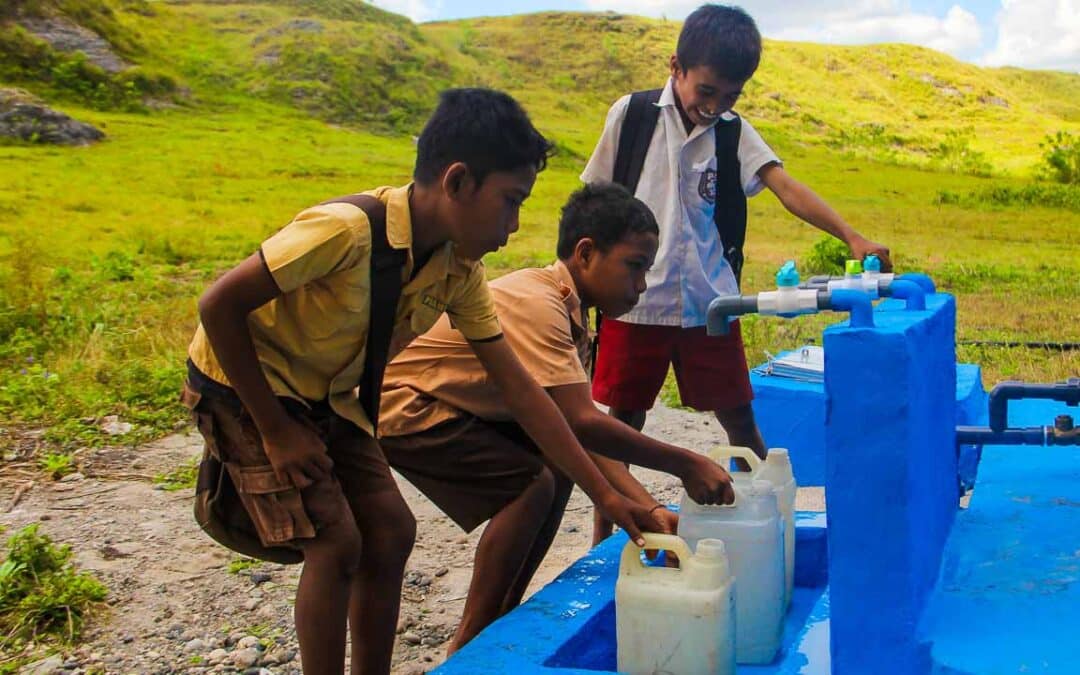
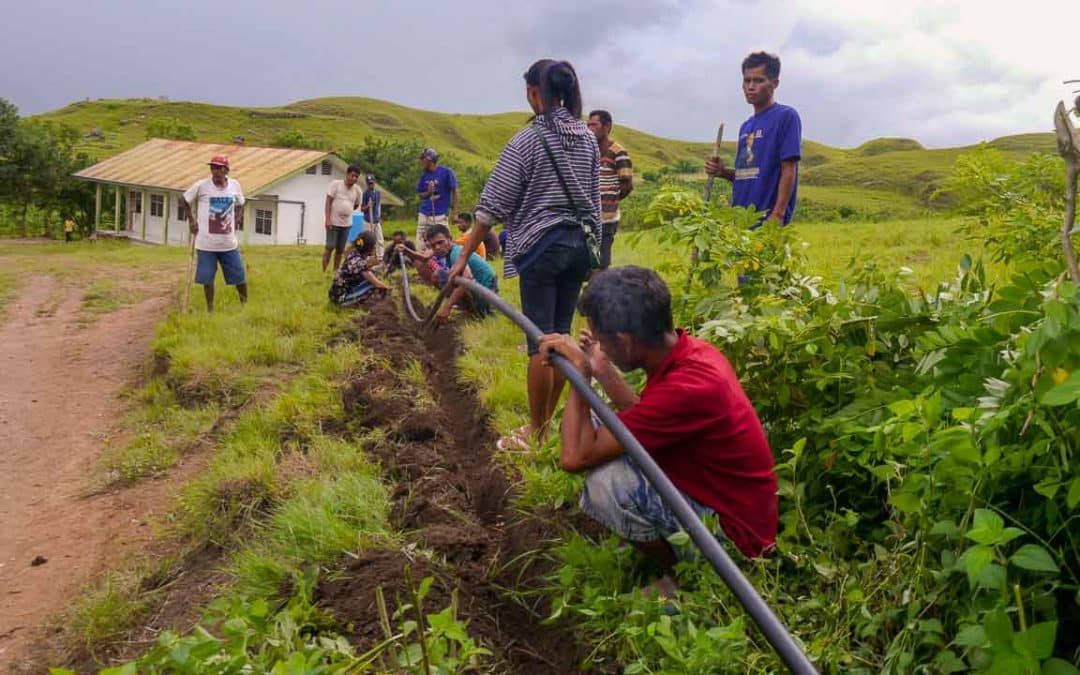
In this new “Picture of the Day”, around ten people are seen burying HDPE pipes between a new 5000-liter ferro-cement tank and another 5000-liter ferro-cement tank. These pipes will later connect the new sanitation facilities, the school, the village houses, and the latest installation of eight sinks These sinks will allow the village’s children to wash their hands.

The #WaterConnections projects we carry out in ultra-rural villages in Indonesia, such as Laindatang, embody much more than a simple water installation. They symbolize a profound transformation in the living conditions of the communities where we work. By connecting kilometres of heavy and robust HDPE pipes, we weave water supply networks and links of solidarity and mutual aid between residents and our team.

These pipes, which we carefully bury to protect them from savannah fires—a work we do with the villagers—are not only water pipes; they are the vectors of better health and a vastly improved quality of life. Access to clean water radically changes the daily lives of these families. Drinking, cooking, washing, watering a garden, or simply washing have become simple and safe, eliminating many risks of using contaminated water.

The availability of clean water has a direct and measurable impact on the health of communities. Infectious diseases, often spread by unsafe water, see their rate drastically reduced once access to quality water is secured. Ailments such as malaria, diarrhoea, cholera, typhoid, and other water-related illnesses, which previously were part of daily life in these villages, are beginning to disappear. By providing a reliable source of drinking water, we attack the root of one of the leading causes of malnutrition, allowing safer food and facilitating the irrigation of small vegetable gardens, sources of better, fresh and nutritious food.

Beyond health, #WaterConnections is also revolutionizing villages’ social and economic fabric. Women and children, who were often responsible for collecting water, sometimes from long distances, were freed from this time-consuming and exhausting task. Children can devote more time to their education, and women to income-generating activities or personal development. This creates a dynamic of progress and empowerment within communities, promoting the emergence of new opportunities for all.

This project is not only a technical response to the problem of access to water; it is a door to a healthier, more equitable and more promising future for hundreds of families. By building these facilities, training residents in their maintenance, raising awareness of the importance of hygiene and sharing our knowledge, Fair Future and all our teams on site are sowing the seeds of an innovative and, above all, sustainable transformation. Each pipe laid, each meter of buried pipe, and each drop of clean water that arrives in a home brings us closer to this future for those families officially qualified by the national authorities as “Extreme Poverty”.

Thanks to the support of donors and partners, these projects can come to fruition. We are grateful to everyone from Rotary, those involved in the fight against malaria (RAM), and supporters from Switzerland, Indonesia, and worldwide. Together, we can save lives.

Your help is vital in supporting our mission to reach more villages and improve more lives. Water is essential, and together, we can make life healthier, safer, and more full of opportunities for Indonesia’s ultra-rural communities. Thank you for your ongoing support and for believing in our cause.

Alex Wettstein – Fair Future Foundation medico-social camp in East Sumba – Rumah Kambera, Lambanapu – The 27th of March 2024

read more
Revolutionizing Health in Laindatang with New Sanitation

Revolutionizing Health in Laindatang with New Sanitation

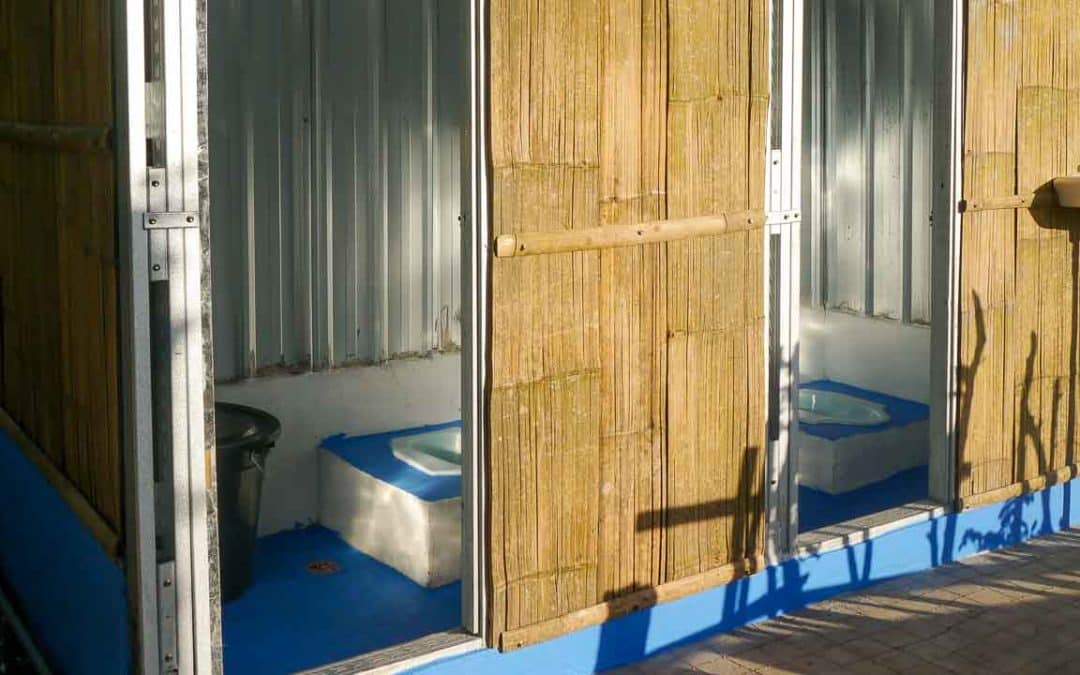
The new “Picture of the Day” features the newly completed sanitary facilities in the village of Laindatang. It’s a revolutionary development for these families, who previously lacked access to toilets, showers, and clean water. Fair Future has been actively involved in this area for 18 months and is making significant changes to improve people’s health and preserve lives.

In the village of Laindatang, the concrete and vital action of the Fair Future Foundation is manifested through the #WaterConnections project. Before our intervention, living conditions in this village were precarious, and there was no access to basic sanitation facilities or clean water. Families live daily, facing the daily challenges posed by the lack of hygiene and the health risks that arise from it.

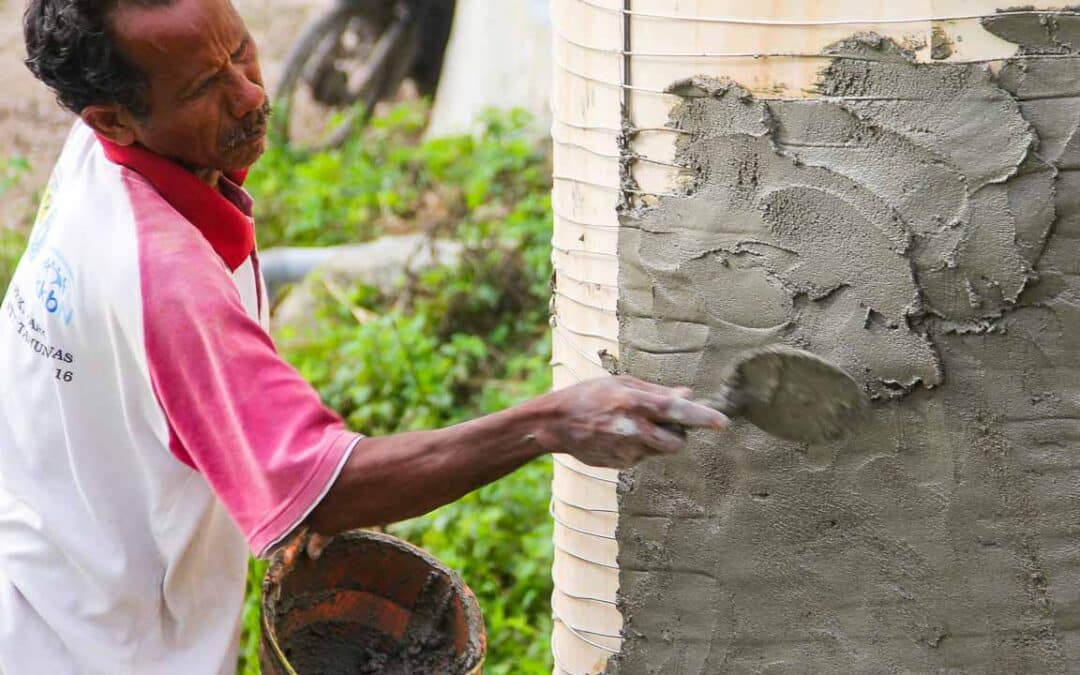
Completing the second sanitation facility in the village marks a turning point. These facilities, including a handwashing sink, represent a revolution for the community. Hand hygiene’s simple yet crucial importance cannot be underestimated in the fight against infectious diseases. The source of this transformation? Four new ferro-cement reservoirs, the fruit of our ingenuity and determination, and a deep borehole that symbolizes our ongoing commitment to the Laindatang community.

These facilities, separated by gender, offer private space for showering, washing clothes, and much more. They are equipped with safety tanks divided into three parts, designed to filter and separate water at different stages of use in accordance with international water purification standards. This distinction between clean, shower, and dirty water is essential for preserving water quality in the village, a pillar of our mission to combat transmissible diseases.

Implementing these sanitation facilities has a profound impact on the health and well-being of the villagers. By eliminating unsanitary practices such as open defecation, we directly reduce the risks of infectious disease transmission, a primary concern in these ultra-rural areas. This action represents a significant step forward in our fight against diseases like Malaria, Diarrhea, Cholera, Polio and other water and hygiene-related infections.

Beyond the sanitary aspect, these facilities strongly impact the dignity and privacy of individuals, particularly the women and girls of the village. Having access to private toilets with a closed door is a matter of personal respect, safety, and female health preservation. This dramatically changes the daily dynamics of the village, offering a healthier, safer, and more dignified living environment.

This achievement results from the commitment of the Fair Future Foundation and its partners, but above all, it demonstrates our will to put humans at the heart of our actions. Each project and each initiative we undertake aims to concretely improve the lives of the communities we serve by providing sustainable solutions to the challenges they face. In Laindatang, as in every village where we intervene, our mission is clear: to build a fairer, healthier, and more equitable future for all.

Alex Wettstein – Fair Future Foundation medico-social camp in East Sumba – Rumah Kambera, Lambanapu – The 27th of March 2024

read more
Empowering Pulu Panjang: Healthcare Revolution by Local Heroes

Empowering Pulu Panjang: Healthcare Revolution by Local Heroes

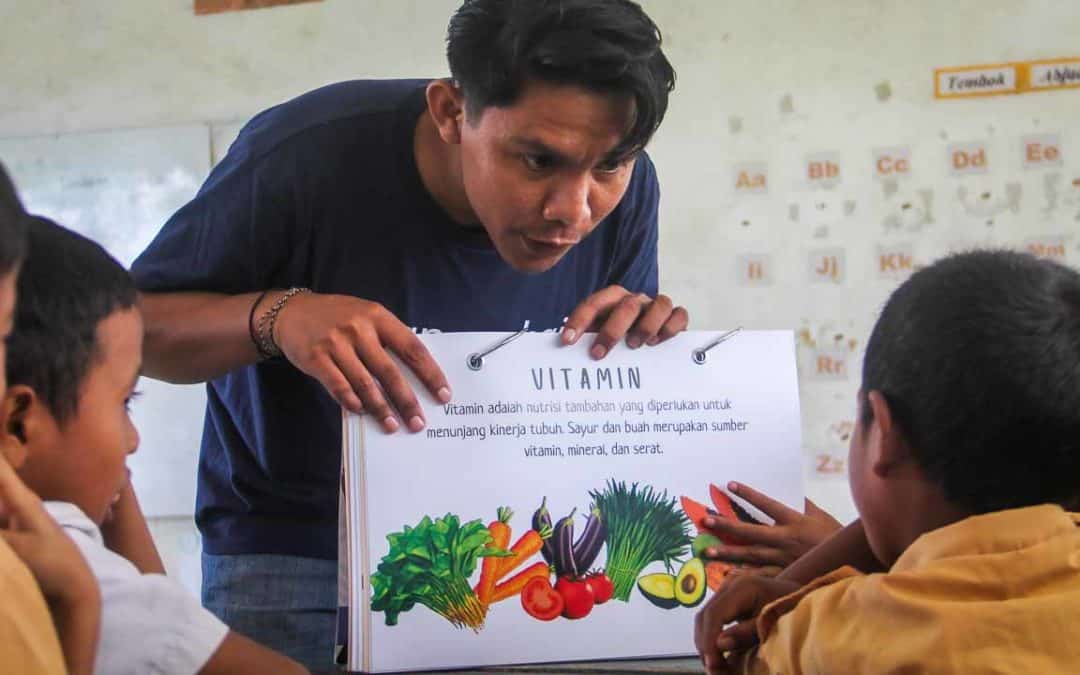
Come on an incredible journey with us to Pulu Panjang, an isolated village in eastern Indonesia, where the #PrimaryMedicalCare program, in partnership with Fair Future and Kawan Baik, is completely changing the healthcare landscape. Witness the powerful work of dedicated local women who are the backbone of healthcare access, providing…

read more