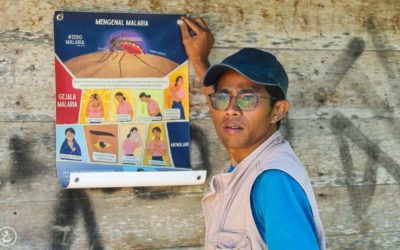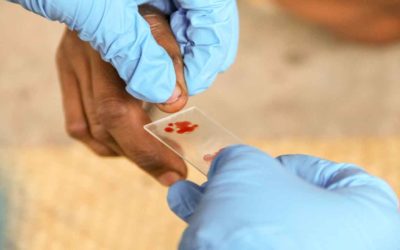

The #ZeroMalaria Sumba program by Fair Future is making significant strides in the battle against malaria in eastern Indonesia. Through its meticulous screening, precise treatment, and strategic approach, this initiative aims to save lives and ultimately eradicate the debilitating disease that has long plagued the region. Join the movement and be a part of this transformative campaign for a malaria-free future.
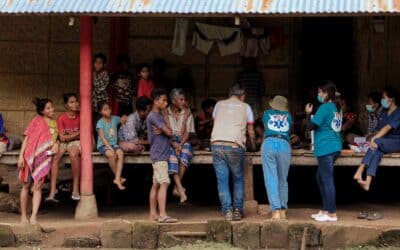
Children can't learn effectively in darkness or when suffering from chronic infections. By electrifying schools, improving nutrition, and providing treatment for common illnesses, we create safe environments for learning and development. In this way, education acts as a shield against poverty and social exclusion.
Donate
Support Care
Programs
All projects
Quick News
Field updates
Stories
Field stories
Delivering essential medical care in villages with no clinics or doctors, saving lives and building trust.
Combating Malaria: Empowering Communities for a Malaria-Free Future
Take a stand against malaria in Eastern Indonesia! Our groundbreaking #ZeroMalaria Sumba program empowers communities with the knowledge and resources to challenge this deadly threat. Through education, targeted interventions, and grassroots initiatives, we are leading the way to a malaria-free world. the future. Explore our inspiring efforts and discover your role in creating a malaria-free world. At the heart of the program is education and community empowerment, with a laser focus on amplifying awareness of the catastrophic risks of malaria.
Transforming Lives in East Sumba: Rotary Australia’s Vital Partnership
The partnership between Rotary Australia and Fair Future aims to make a positive impact on vulnerable communities in East Sumba. Through a joint effort, we are dedicated to providing clean water access and disease control, which will help bring hope and a brighter future to these communities. Our collaboration highlights the importance of friendship and teamwork in achieving these life-changing initiatives. Explore the transformative results of our revolutionary programs and witness the strength of our commitment to making a difference.
Integrated Malaria Prevention Crusade for a Malaria-Free East Sumba
In the heart of East Sumba, Indonesia, the Fair Future Foundation is actively engaged in the battle against endemic malaria through its #ZeroMalariaSumbaTimur program, initiated in 2023. Learn how our multifaceted approach, including Interior Residue Spraying (IRS), is making a significant impact in reducing malaria transmission. Join us in our fight against this deadly disease and help build a malaria-free future for East Sumba.
A bold step towards sanitation and clean water for Laindatang
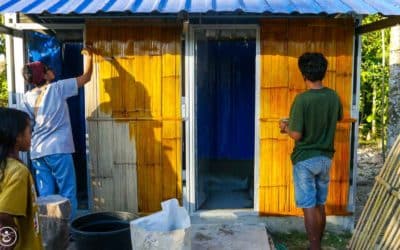
Laindatang in East Sumba, no clean water and no sanitation facilities. Fair Future changes this reality and brings about a remarkable transformation. A monumental journey that promises to revolutionize the future of this ultra-rural community. They don’t just build buildings, they create hope and opportunity. Their unwavering commitment is to strengthening the health and well-being of families who have faced isolation and hardship for too long.
#ZeroMalaria, to eradicate malaria in Laindatang
Fair Future Foundation, in collaboration with Kawan Baik Indonesia and Sumba Volunteer, is working to combat malaria in the highly affected region of East Sumba, Indonesia. Through their program, they aim to provide screening, prevention, and treatment to the remote village of Laindatang. The mission seeks to save lives and target vulnerable groups, such as children and pregnant women. Join them in their fight against malaria and help make a difference in East Sumba.
The #ZeroMalariaSumbaTimur program has been successfully implemented
In a concerted effort to fight the endemic scourge of malaria, the Swiss Fair Future Foundation has embarked on an extraordinary mission – the #ZeroMalariaSumbaTimur program. This groundbreaking initiative is taking place in the heart of Southeast Asia, specifically in the remote and underserved eastern expanse of Indonesia known as East Sumba.
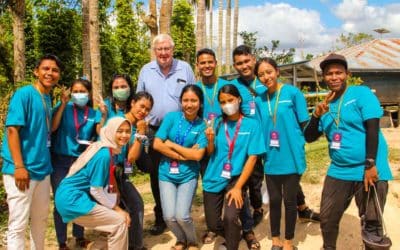
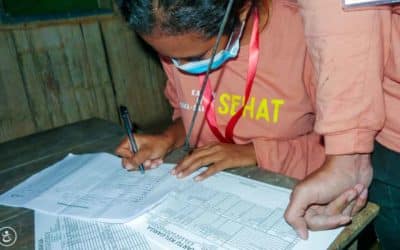
Having already screened and treated 2500 individuals across three severely malaria-affected villages in East Sumba, our undertaking is underscored by a tangible impact. This formidable feat, orchestrated through the synergy of committed individuals such as Alandio, Ino, Elthon, Alex, Ayu, Annisa or Ayu, resonates as a testament to unwavering dedication. Over seventy staunch contributors, bolstered by fifty fervent volunteers from diverse corners of Indonesia, assemble with a shared sense of purpose.
Collectively, we have curated a multi-disciplinary team of skilled nurses, physicians, and laboratory specialists, amplifying our medical outreach. This coalition is complemented by clever logistics and data management, facilitated by an innovative application collaboratively developed by the Fair Future and Kawan Baik Foundations.
The core of our effort extends beyond the simple detection of malaria; our priority lies in education and prevention. Empowering communities with knowledge and awareness is our ultimate goal. We disseminate vital information about this dangerous disease through immersive workshops and interactive sessions. Armed with this understanding, individuals cannotntify the symptoms of malaria but also take quick and informed action to avoid potential complications and even death, safeguarding their well-being and others—their relatives.
The tangible impact of this initiative ripples through the lives we touch. Early identification and effective malaria management have resulted in life savings. Additionally, our efforts extend to enlightening local healthcare providers, equipping them with the essential tools and resources for a decisive battle against this relentless disease.
Yet our journey is not free of challenges. Negotiating the region's labyrinthine topography, working with limited resources, and transcending language barriers requires inventive methodologies and a deep sensitivity to indigenous cultures. Establishing a foundation of trust within our communities is an indispensable facet, fostering the adoption of preventive measures and a tendency to seek prompt medical intervention when needed.
We invite you to join our collective effort in the fight against malaria. Hand in hand, we can create a transformative impact, save lives and shape a radiant tapestry of possibility for everyone.
Disease prevention, detection and treatment in rural areas
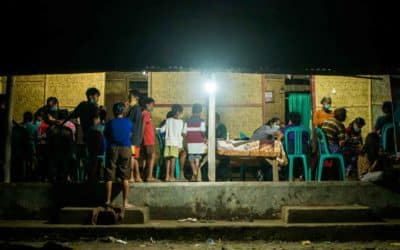
The teams of Fair Future and Kawan Baik are highly respected for their steadfast dedication to assisting ill and underprivileged individuals residing in far-flung rural areas of eastern Indonesia. Their selflessness holds true significance to them. However, it's not widely known that their medical and social teams put in tireless efforts, even during nighttime and 7-day workweeks. Through this new "Picture of the Day," we offer you the opportunity to witness their work as they combat health issues like malaria, unsafe water, and malnutrition while sacrificing their sleep.
Diseases can strike at any time, even in the darkness of night. The teams, equipped with masks and Sumba coffee, fight against these illnesses. And during this time of the malaria epidemic, doctors, nurses and volunteers are working tirelessly to provide treatment to patients.
Their dedication and passion go above and beyond the call of duty, even working late into the night to provide lifesaving care. They save lives and do so with unwavering energy and enthusiasm.
On the spot, at all hours of the day or night, they not only treat the symptoms, they also attack the root causes of health problems. Fair Future and Kawan Baik foundation fight against diseases related to dirty water by providing facilities through the #waterconnections program and raising awareness in communities about the importance of hygiene. Their mission is to make communities more resilient and prevent diseases before they even appear.
Even when faced with difficult challenges and trying situations, the teams remain resilient and optimistic. Their sense of humor is a crucial component that aids them in overcoming tough times. It also fosters a strong bond between them, enabling them to maintain a positive outlook.
Alex Wettstein shares a few words about the Foundation's medical and social teams, who work tirelessly to help people who are sick or have urgent needs.
Empowering Health and Transforming Lives of Children
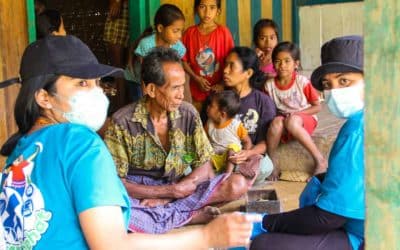
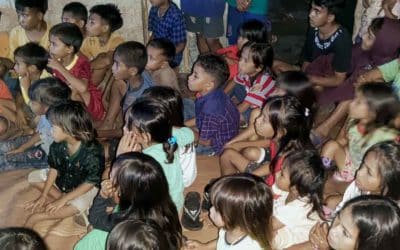
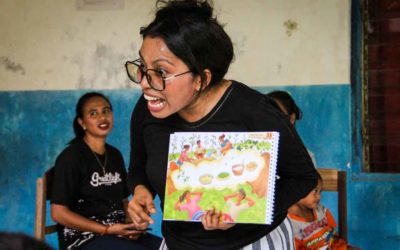
This new "Picture of the Day" displays a gathering of children in one of the homes in the remote village of Mbatapuhu, East Sumba. Our dedicated socio-medical team educates them on the importance of self-care, utilizing the "Kawan Sehat" guidebook. This village is situated in a challenging location with no access to electricity, clean water, or sanitation facilities. The nearest medical centre is over two hours away by motorbike or a gruelling six-hour walk. The villagers rely on nature for their restroom needs. Unfortunately, due to poor hygiene practices, malaria has become a significant issue. Additionally, malnutrition is a primary concern in this impoverished and rural community.
In the remote villages of East Sumba, the Fair Future Foundation conducts information sessions for children under the "Kawan Sehat" program during every visit. We collaborate with members of these rural communities to disseminate crucial information on maintaining good health, accessing better healthcare, and protecting oneself from diseases like malaria and dengue fever. These sessions, which are both informative and fun, equip children with the knowledge they need to lead healthier, more promising lives.
Malaria and dengue fever are grave illnesses that frequently afflict the rural areas of East Sumba. Through these sessions, we educate children on preventive measures such as using insecticide-treated bed nets, eliminating stagnant water and seeking medical assistance immediately upon experiencing symptoms. Through promoting this knowledge, we hope to significantly reduce the incidence of these diseases and safeguard children's health. The "Malaria Prevention Initiative Sumba Timur 2023" program was launched to combat malaria.
These sessions are not limited to specific illnesses but also cover topics such as personal hygiene, balanced nutrition, and healthy lifestyles. Children are encouraged to adopt positive habits like handwashing, consuming nutritious foods, and exercising. By incorporating such practices into their daily lives, they can develop more robust, healthier, and resilient bodies.
The Fair Future and Kawan Baik teams empower children and strengthen entire communities by providing vital information on disease prevention and healthy habits.
Primary Medical Care Progress Report
The Primary Medical Care (PMC) program has made a remarkable difference in the rural communities of East Sumba, providing over a thousand treatments that offer critical medical assistance to those in need. Through their unwavering dedication and hard work, the women of the region have been empowered to take control of the health and welfare of their ultra-rural communities. By providing them with the essential knowledge, resources and tools, we have successfully equipped them to face all the socio-medical challenges that come their way. Over nearly five months, Fair Future and Kawan Baik, our partners, all participants, and teams collaborated to go above and beyond in reaching the most challenging areas and evaluating the impact of the field program. The results are awe-inspiring, leaving no doubt that the Primary Medical Care program is the definitive solution to ensure everyone can access emergency medical assistance.
Malaria in East Sumba: All villages turned Red!
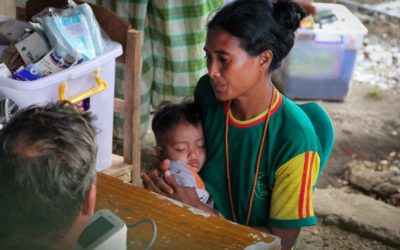
This new "Picture of the Day" shows you a brave but sad mom who asks for care for her little boy. She is a courageous but sad mother who seeks care for her little boy, who suffers from Malaria. With pain and more than 40 fever, He is the example of the "typical patient" here: Under five years old, this family lives in an ultra-rural and marginalized area. She is poor, and they don't have access to medical care or enough food and clean water; They don't have toilets either. Moreover, the whole village does not have access to electricity.
The medical staff of Kawan Baik and Fair Future Foundation bring him relief and medicine to lower his fever and get better as soon as possible. We also talk to the mother and give her good advice.
Let me re-explain to you what malaria is and why this disease is hazardous, and the categories of people it affects in the first place:
Malaria is caused by parasites transmitted by the bites of infected mosquitoes. Although anyone can get malaria, specific categories of people are more susceptible to severe illness and complications. We find that the impact of malaria varies by geographic region and local health infrastructure. Our efforts to fight malaria focus on prevention through measures such as the establishment of the Primary Medical Care Program (PMC), mosquito nets, spraying in villages (fogging), and learning to wash with an "ani-malaria or disinfectant" soap, among others.
1. First, children under five: This is because young children have a weaker immune system and have not yet developed immunity to disease. They are more likely to have serious symptoms and complications, including severe anaemia and cerebral malaria, which can be life-threatening. This is the case here: Infant mortality is very high in ultra-rural areas and marginalized populations of East Sumba.
2. But also pregnant women: Of course, malaria can have adverse effects on both the mother and the unborn child. Pregnant women are at an increased risk of developing severe malaria, leading to complications such as maternal anaemia, spontaneous abortion, stillbirth or low birth weight infants. I spoke to you about a similar case in Kabanda, right?
Public health interventions to provide vital advice to the most affected populations via the #kawansehat program are essential. You have to be close to people if you want to advise them on the best way to have a healthier life.
3. Ultra-rural and marginalized populations: Communities living in rural and remote areas, often with limited access to health care, such as here in East Sumba, are disproportionately affected by malaria. Factors such as poverty, lack of knowledge about preventive measures and limited access to health services contribute to malaria's higher prevalence and impact in these communities.
4. Immunocompromised people: People with weakened immune systems, such as those living with HIV/AIDS, are more likely to contract severe malaria. We are also talking about people with chronic illnesses. Malaria can also aggravate the progression of HIV infection. And concerning the rate of HIV-positive people here is also very high, even with very few tests being conducted.
Kullup is a hole in the rock to collect rainwater
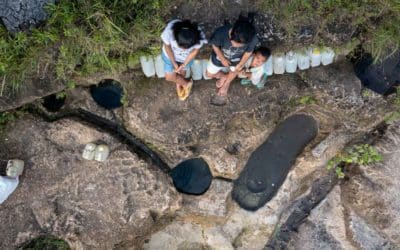
This new "Picture of the Day" shows you kids from the village of Laidatang, who fetch water far from home in the "Kullup" of the village. Elthon, responsible for documentation (with the black t-shirt), and Alex, from the medical staff, are also present in this photo. With the kids and one or two adults accompanying us, we walk more than an hour to reach this place in the middle of a high hill. You must descend a steep path to access these hand-dug holes in the rock. In 30 minutes, we will have to go up the hill and walk back. But this time, loaded with several jerrycans filled to the brim.
The Fair Future and Kawan Baik teams spend two days with the families of the ultra-rural and isolated village of Laindatang to get to know them even better. In this village, we have the project to create a #WaterConnections project. I let you read here the articles related to this project and here to see what your want to do to save their lives,
In Laindatang, families only have access to rainwater. It's for everything: eating, drinking, cooking, bathing, washing clothes, drinking water, caring for children, sick people or watering animals. Therefore, one of the ways for women and young girls to have water at home to live on is to walk several kilometres to find the "Kullup".
Kullup, what is it? These are small stone basins, directly dug into the rock by the villagers, used to collect and store rainwater in rural areas. When it rains, the water seeps into the ground at the top of the hill and then is filtered through the earth and the basements. It flows drop by drop in these stone basins, the "Kullup". Then the villagers come to fill their jerrycans with five or ten litres.
The "Kuluk" are an essential water source for the local communities. But the quality of stored water can be affected by bacterial contamination, chemicals, animal waste or debris. Therefore, regularly cleaning these small holes in the rock is essential to maintain water quality. It is important to note that the "kuluk" is only a temporary solution to the water crisis in areas with limited access to drinking water. Indeed, the "kuluks" cannot fill up correctly without rain. They dry out about ten days after the last rains and remain dry for almost nine months. To find water, young girls, women and children, sometimes under five, will have to walk even further and longer.
Our two organizations work with local communities to implement longer-term solutions, such as constructing water supply networks using deep boreholes and sealed and healthy rainwater cisterns. The Water Connections program offers innovative and sustainable solutions. It includes promoting water conservation practices with “Kawan Sehat” and self-sustaining access to Primary Medical Care through the PMC program.