
Laindatang in East Sumba, no clean water and no sanitation facilities. Fair Future changes this reality and brings about a remarkable transformation. A monumental journey that promises to revolutionize the future of this ultra-rural community. They don’t just build buildings, they create hope and opportunity.
We have compiled a list of articles and pages for this topic
The Fair Future Foundation in East Indonesia combats social and medical injustice and aims to ensure everyone has access to healthcare, clean water, and education. Join us in making a difference.
East Sumba—where Fair Future implements life-saving programs for clean water, health care, and community resilience.
#ZeroMalaria, to eradicate malaria in Laindatang
Fair Future Foundation, in collaboration with Kawan Baik Indonesia and Sumba Volunteer, is working to combat malaria in the highly affected region of East Sumba, Indonesia. Through their program, they aim to provide screening, prevention, and treatment to the remote village of Laindatang.
Together, we are joining forces in a powerful effort to combat malaria
A collective initiative against malaria is currently underway in East Sumba, Indonesia. Fair Future, kawan baik, and Sumba Volunteers have joined forces with over 100 volunteers, including doctors, nurses, laboratory technicians, water experts, builders, and government officials.
Empowering Health and Transforming Lives of Children
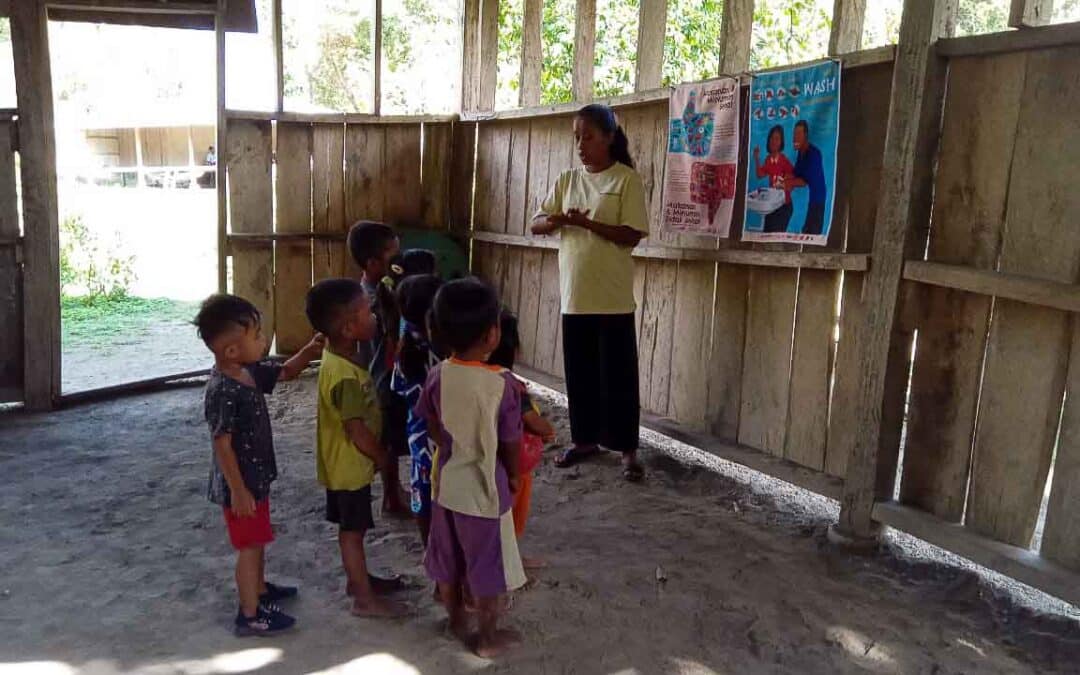
This new "Picture of the Day" displays a gathering of children in one of the homes in the remote village of Mbatapuhu, East Sumba. Our dedicated socio-medical team educates them on the importance of self-care, utilizing the "Kawan Sehat" guidebook. This village is situated in a challenging location with no access to electricity, clean water, or sanitation facilities. The nearest medical centre is over two hours away by motorbike or a gruelling six-hour walk. The villagers rely on nature for their restroom needs. Unfortunately, due to poor hygiene practices, malaria has become a significant issue. Additionally, malnutrition is a primary concern in this impoverished and rural community.
In the remote villages of East Sumba, the Fair Future Foundation conducts information sessions for children under the "Kawan Sehat" program during every visit. We collaborate with members of these rural communities to disseminate crucial information on maintaining good health, accessing better healthcare, and protecting oneself from diseases like malaria and dengue fever. These sessions, which are both informative and fun, equip children with the knowledge they need to lead healthier, more promising lives.
Malaria and dengue fever are grave illnesses that frequently afflict the rural areas of East Sumba. Through these sessions, we educate children on preventive measures such as using insecticide-treated bed nets, eliminating stagnant water and seeking medical assistance immediately upon experiencing symptoms. Through promoting this knowledge, we hope to significantly reduce the incidence of these diseases and safeguard children's health. The "Malaria Prevention Initiative Sumba Timur 2023" program was launched to combat malaria.
These sessions are not limited to specific illnesses but also cover topics such as personal hygiene, balanced nutrition, and healthy lifestyles. Children are encouraged to adopt positive habits like handwashing, consuming nutritious foods, and exercising. By incorporating such practices into their daily lives, they can develop more robust, healthier, and resilient bodies.
The Fair Future and Kawan Baik teams empower children and strengthen entire communities by providing vital information on disease prevention and healthy habits.
Primary Medical Care Progress Report
The Primary Medical Care (PMC) program has made a remarkable difference in the rural communities of East Sumba, providing over a thousand treatments that offer critical medical assistance to those in need. Through their unwavering dedication and hard work, the women of the region have been empowered to take control of the health and welfare of…
Malaria in East Sumba: All villages turned Red!
This new "Picture of the Day" shows you a brave but sad mom who asks for care for her little boy. She is a courageous but sad mother who seeks care for her little boy, who suffers from Malaria. With pain and more than 40 fever, He is the example of the "typical patient" here: Under five years old, this family lives in an ultra-rural and marginalized area. She is poor, and they don't have access to medical care or enough food and clean water; They don't have toilets either. Moreover, the whole village does not have access to electricity.
The medical staff of Kawan Baik and Fair Future Foundation bring him relief and medicine to lower his fever and get better as soon as possible. We also talk to the mother and give her good advice.
Let me re-explain to you what malaria is and why this disease is hazardous, and the categories of people it affects in the first place:
Malaria is caused by parasites transmitted by the bites of infected mosquitoes. Although anyone can get malaria, specific categories of people are more susceptible to severe illness and complications. We find that the impact of malaria varies by geographic region and local health infrastructure. Our efforts to fight malaria focus on prevention through measures such as the establishment of the Primary Medical Care Program (PMC), mosquito nets, spraying in villages (fogging), and learning to wash with an "ani-malaria or disinfectant" soap, among others.
1. First, children under five: This is because young children have a weaker immune system and have not yet developed immunity to disease. They are more likely to have serious symptoms and complications, including severe anaemia and cerebral malaria, which can be life-threatening. This is the case here: Infant mortality is very high in ultra-rural areas and marginalized populations of East Sumba.
2. But also pregnant women: Of course, malaria can have adverse effects on both the mother and the unborn child. Pregnant women are at an increased risk of developing severe malaria, leading to complications such as maternal anaemia, spontaneous abortion, stillbirth or low birth weight infants. I spoke to you about a similar case in Kabanda, right?
Public health interventions to provide vital advice to the most affected populations via the #kawansehat program are essential. You have to be close to people if you want to advise them on the best way to have a healthier life.
3. Ultra-rural and marginalized populations: Communities living in rural and remote areas, often with limited access to health care, such as here in East Sumba, are disproportionately affected by malaria. Factors such as poverty, lack of knowledge about preventive measures and limited access to health services contribute to malaria's higher prevalence and impact in these communities.
4. Immunocompromised people: People with weakened immune systems, such as those living with HIV/AIDS, are more likely to contract severe malaria. We are also talking about people with chronic illnesses. Malaria can also aggravate the progression of HIV infection. And concerning the rate of HIV-positive people here is also very high, even with very few tests being conducted.
Kawan Sehat: Health Workers Bring Care to Rural Indonesia
Kawan Sehat healthcare workers provide vital medical services and education to remote villages in Indonesia. Through photos showcasing their resilience and life-saving commitment, this article emphasizes their essential role in underserved communities and the impact of grassroots healthcare initiatives.
New Scooter for Erwin to Deliver Medical Supplies
We’ve invested in a new scooter for Erwin, our Primary Medical Care field coordinator. This off-road-capable scooter will help Erwin reach even the most remote Kawan Sehat health agents to deliver and restock medical supplies. It’s a small investment of 1,000 Swiss francs, but one that will undoubtedly save lives.
Kawan Sehat Health Agents: Lifesaving Work in Rural Areas
Kawan Sehat health agents deliver essential medical care in remote regions where healthcare access is unavailable. Armed with new medical kits, they provide vital first aid, treat common illnesses, and work to prevent infections in vulnerable communities.
New Isuzu Traga Truck Secured for Fair Future Mission
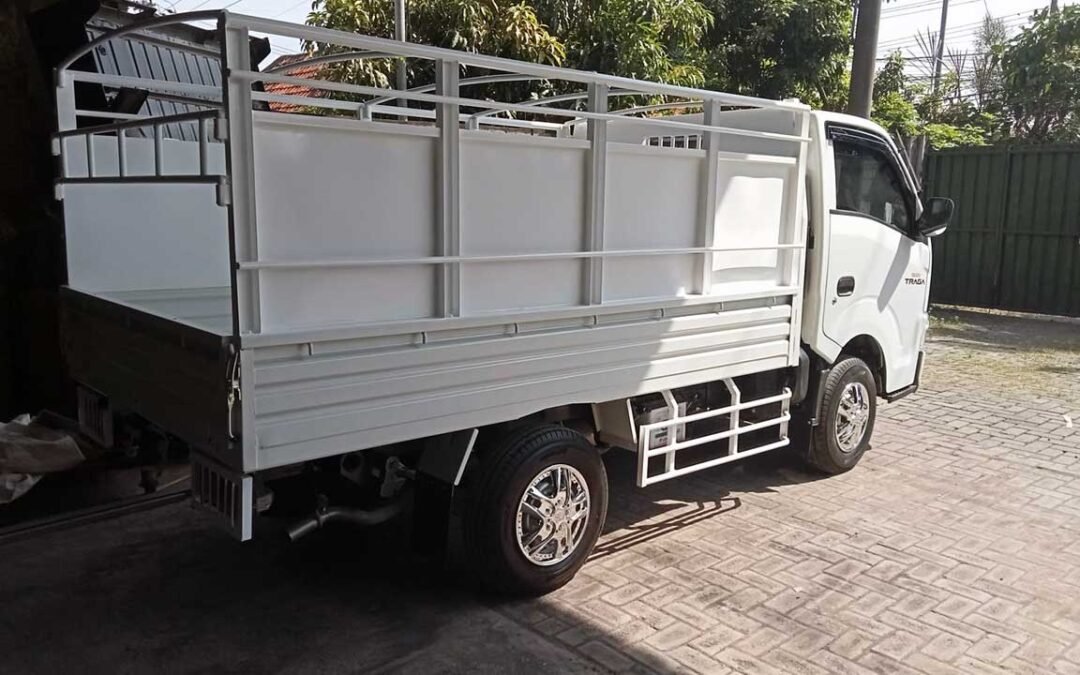
A major change for us: After years of effort, we’ve acquired a new Isuzu Traga truck, thanks to two generous donations. This Euro4-compliant truck will transport heavy construction and medical equipment, as well as a fixed 2,000-liter water tank to rural communities without access to water. A game-changer for our work.
Combatting Malnutrition and Disease is Our Mission
Join us in our efforts to combat malnutrition and disease in the most rural areas. Fair Future and Kawan Baik have taken the initiative to bring positive change to the lives of people living in remote regions. We provide sustainable solutions to improve the nutrition and health of local communities.
15th Anniversary: A Decade and a Half of Action and Healing
Celebrate with us as we mark 15 years of the Fair Future Foundation’s unyielding commitment to providing essential medical care, clean water, and hope to rural communities in East Sumba. Founded by Alex Wettstein, our dedicated team has been at the forefront of combating infectious diseases, addressing hunger, and improving living conditions for…