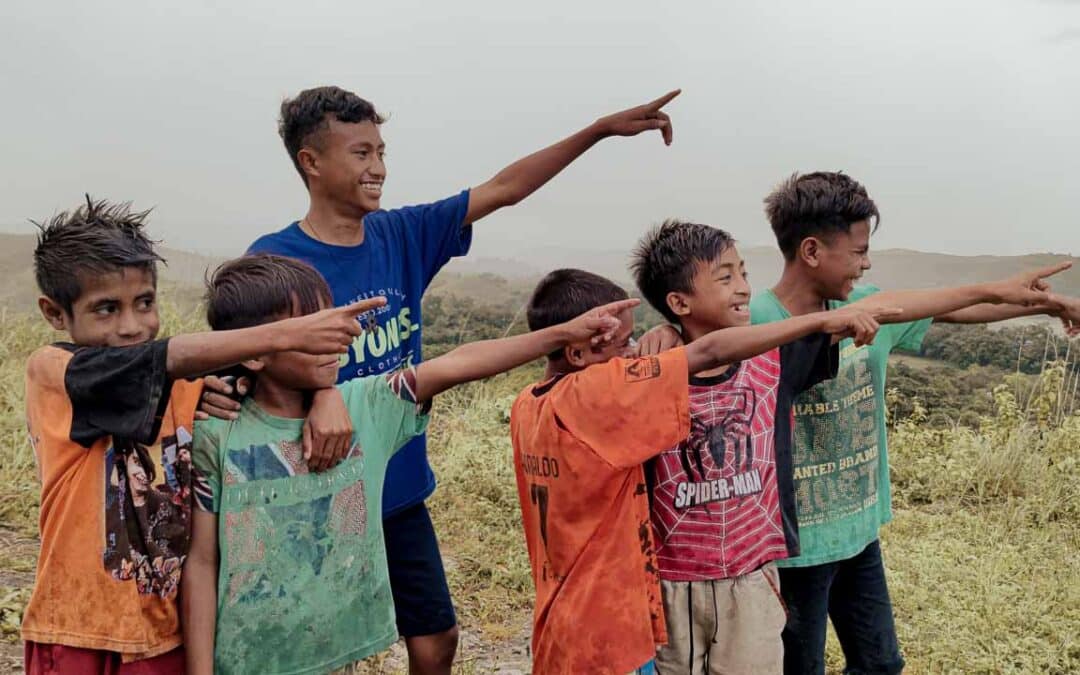
Child malnutrition in rural areas affects children’s physical and mental well-being. The Fair Future Foundation is dedicated to improving child health and nutrition through sustainable food programs and education, working directly with families to provide balanced diets for their children’s healthier futures.
We have compiled a list of articles and pages for this topic
The Fair Future Foundation in East Indonesia combats social and medical injustice and aims to ensure everyone has access to healthcare, clean water, and education. Join us in making a difference.
Supporting teachers who inspire children and strengthen communities through education in rural areas.
SolarBuddy lamps and letters connect two worlds
SolarBuddy lamps assembled by children overseas arrive with personal letters for children in rural Indonesia, connecting two communities through practical access to safe light.
Truck of Life’s Mission: Indonesia’s Forgotten Regions
Fully stocked with life-saving pharmaceuticals, diagnostics, and hope, Fair Future’s Truck of Life is setting off on its next vital journey. This isn’t just a truck; it’s a lifeline on wheels, navigating treacherous roads to reach communities in the most isolated regions of Indonesia.
First Medicine Shipment Ready for East Sumba Delivery
The first medicines are arriving, and we’re sorting and packing them. In a few days, we’ll transport them to East Sumba with our two fully loaded trucks. These medicines are vital, as we’re nearly the sole provider for hundreds of thousands of people. Thank you for supporting the third year of our #PrimaryMedicalCare program.
Raising Better Children for a Sustainable Future
By raising children to be empathetic, responsible, and environmentally conscious, we can contribute to a more sustainable future. Discover how instilling these values benefits the planet for generations ahead.
Medical Teams Deliver Care in Rural East Sumba
Fair Future’s medical teams, led by Dr. Narni, offer vital healthcare services to remote villages in East Sumba. Utilizing the Truck of Life, they address illnesses, combat malnutrition, and advocate for clean water access to ensure no community is overlooked. Their commitment is essential in regions where healthcare remains out of reach and infectious diseases go unchecked.
Water and sanitation are crucial in the fight against malaria
Check out the latest addition to our "Photo of the Day" collection featuring our colleague Kawean Essi. In the village of Mbinudita (East Sumba), Kawan Essi teaches a hundred villagers of all ages, including children, about the importance of clean and safe water and how it can lead to a healthier life. The "Water Connections" program is a practical approach to fight against various infectious diseases, such as malaria.
In the fight against malaria, it's essential to acknowledge the progress made. However, we must also recognize the crucial role of hygiene, clean water, and sanitation in eliminating this disease. This is why the Water Connections program exists – to provide access to these necessities.
At Fair Future, we understand that improving these fundamental aspects of daily life can significantly prevent malaria transmission and ultimately save lives. Addressing issues such as hygiene, water, and sanitation is crucial in the fight against malaria because they directly impact mosquito breeding, access to clean water, hygiene practices, and vector management.
We prioritize these issues in all our activities, particularly in implementing the "Malaria Prevention Initiative Sumba Timur 2023" program, which we aim to start as soon as possible as part of the PMC, Primary Medical Care program.
Together, we can dramatically reduce malaria transmission and improve the health and well-being of affected communities. We must prioritize these efforts to save lives, prevent unnecessary suffering, and move towards a significant decrease in malaria cases, especially here in Sumba, where we currently are.
Healthy Living Posters Distributed to Local Health Centers
We have distributed our healthy living posters to local Puskesmas (health centers), and their directors were delighted. The posters are engaging and easy to comprehend, incorporating local characters and language. Teaching rural communities simple methods for disease prevention, such as handwashing, is truly rewarding.
First Aid Kits Made from Recycled Materials Ready to Ship
We’ve created dozens of recycled-material bags, marked with the Red Cross logo, to carry life-saving medical supplies for Kawan Sehat health agents. These bags, filled with medicines, disinfectants, and medical tools, will be loaded onto the Truck of Life as we begin the third year of our #PrimaryMedicalCare program in East Sumba.
Empowering Health and Transforming Lives of Children
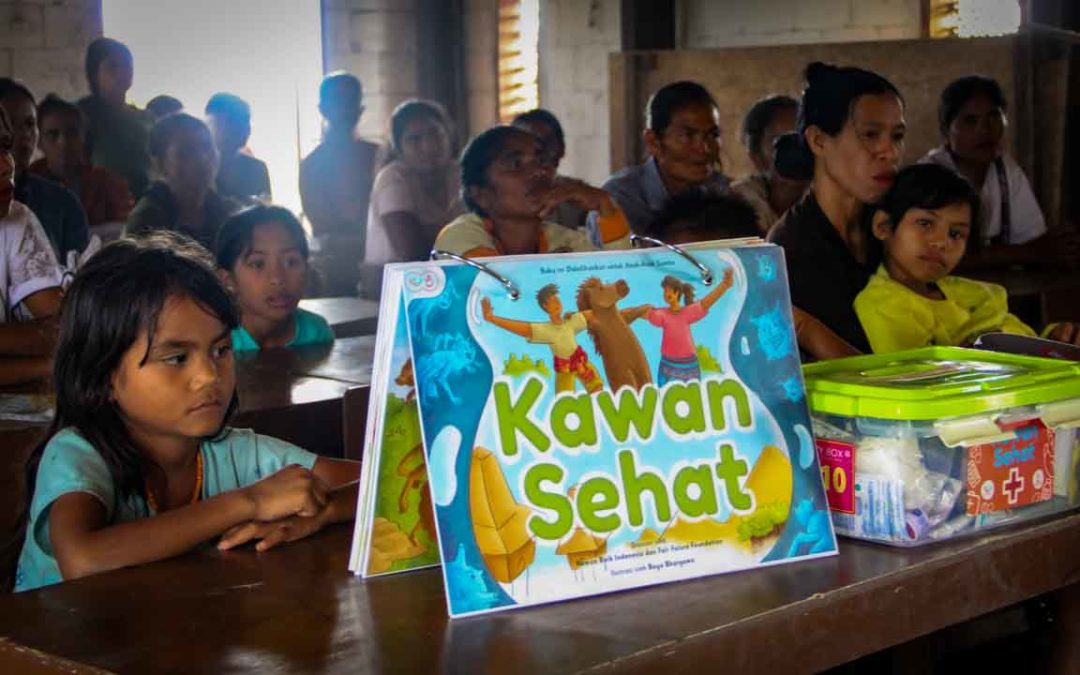
This new "Picture of the Day" displays a gathering of children in one of the homes in the remote village of Mbatapuhu, East Sumba. Our dedicated socio-medical team educates them on the importance of self-care, utilizing the "Kawan Sehat" guidebook. This village is situated in a challenging location with no access to electricity, clean water, or sanitation facilities. The nearest medical centre is over two hours away by motorbike or a gruelling six-hour walk. The villagers rely on nature for their restroom needs. Unfortunately, due to poor hygiene practices, malaria has become a significant issue. Additionally, malnutrition is a primary concern in this impoverished and rural community.
In the remote villages of East Sumba, the Fair Future Foundation conducts information sessions for children under the "Kawan Sehat" program during every visit. We collaborate with members of these rural communities to disseminate crucial information on maintaining good health, accessing better healthcare, and protecting oneself from diseases like malaria and dengue fever. These sessions, which are both informative and fun, equip children with the knowledge they need to lead healthier, more promising lives.
Malaria and dengue fever are grave illnesses that frequently afflict the rural areas of East Sumba. Through these sessions, we educate children on preventive measures such as using insecticide-treated bed nets, eliminating stagnant water and seeking medical assistance immediately upon experiencing symptoms. Through promoting this knowledge, we hope to significantly reduce the incidence of these diseases and safeguard children's health. The "Malaria Prevention Initiative Sumba Timur 2023" program was launched to combat malaria.
These sessions are not limited to specific illnesses but also cover topics such as personal hygiene, balanced nutrition, and healthy lifestyles. Children are encouraged to adopt positive habits like handwashing, consuming nutritious foods, and exercising. By incorporating such practices into their daily lives, they can develop more robust, healthier, and resilient bodies.
The Fair Future and Kawan Baik teams empower children and strengthen entire communities by providing vital information on disease prevention and healthy habits.
Malaria Prevention: An Educational Tool That Saves Lives
A malaria education poster helps families in rural East Sumba understand prevention, symptoms and practical protective measures, supporting community health where access to care is limited.
Primary medical care dedicated to children
This "Picture of the Day" shows children who, thanks to the "Primary Medical Care" programme, learn to protect themselves against illness and injury through simple gestures and habits. Children in these regions do not have access to health centres, and no doctors are present in these villages (apart from those from the Fair Future and/or Kawan baik Indonesia foundations). It makes prevention an essential component of their health and well-being. Children in ultra-rural areas can significantly reduce their risk of illness or injury by incorporating simple habits and actions into their daily routines. In addition, it is essential to make children and parents aware of the importance of these habits and gestures so that they become part of their daily lives.
Giving primary medical care is not insignificant. It usually is doctors and nurses who do this. This is what makes this program unique in terms of innovation. Those who provide care, life-saving drugs and cures for Malaria, for example, are the teachers of this isolated village in eastern Indonesia. Therefore, for us here on site, it is essential to assess the impact and effectiveness of this program regularly. We carry out surveys, and we meet to collect medical data. We, therefore, highlight the areas where we can make the necessary changes. If this primary medical care program is a huge success, it is because it involves the communities in the various planning and implementation processes.
Teachers and parents of ill or injured children provide us with essential information. This 100% medical emergency program is in the process of success. It requires multiple collaborations, adequate ongoing training, sharing of supported cases and regular evaluation to ensure its safety, effectiveness and sustainability.