


Donate
Support Care
Programs
All projects
Quick News
Field updates
Stories
Field stories
Ethical Code for Humanitarian Action in the Field
The Fair Future Foundation is guided by six core ethical pillars: social justice, equity, empowerment, perseverance, independence, and commitment. These principles fuel our mission to deliver clean water, healthcare services, and education to the most remote communities in Southeast Asia. Discover more about how we foster enduring change.
Ethical Humanitarian Action in Practice
Medical ethics applied where systems fail

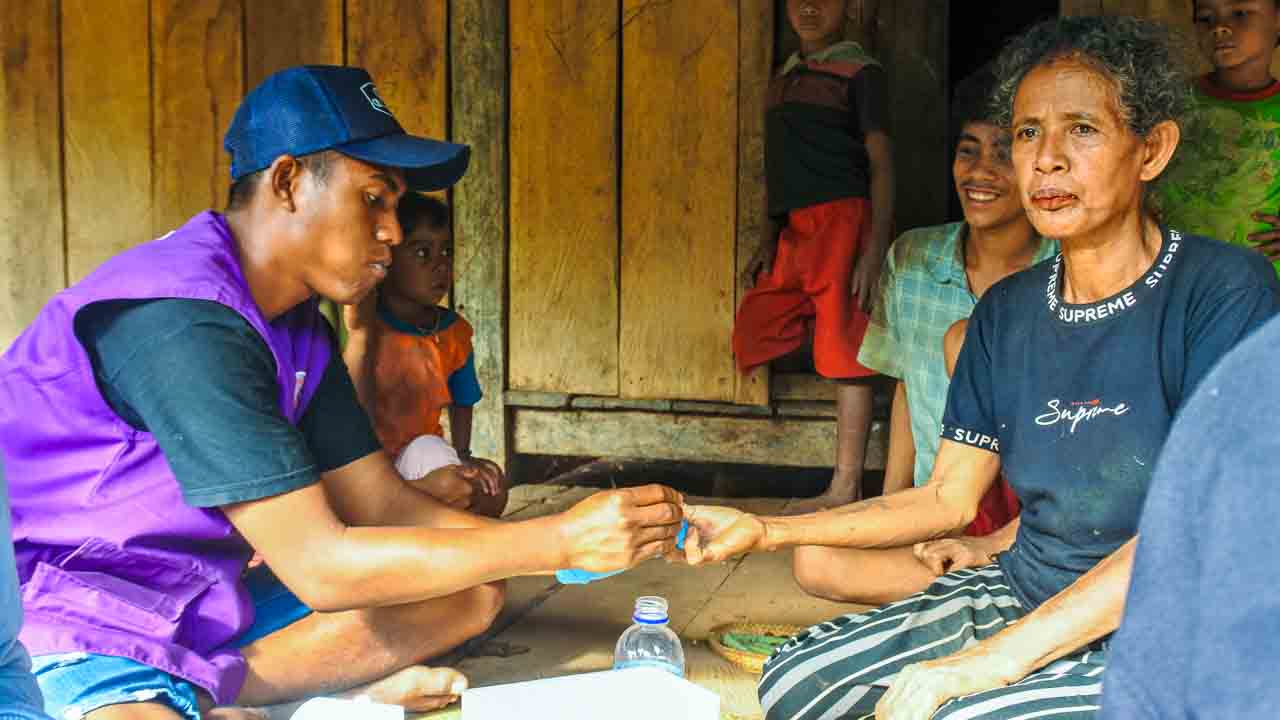
Conducting malaria research in Umalulu to develop urgent health solutions for affected communities.
Ethics Guiding Medical Humanitarian Action
Ethics isn’t just a document we showcase; it’s integral to our daily lives, especially in the field. It influences medical decisions when resources are scarce, prioritisation when demands exceed capacity, and accountability in the absence of systems to manage mistakes.
At Fair Future Foundation, ethics is deeply intertwined with care; it shapes how we treat patients, collaborate with communities, and allocate every donated franc.
Recognised by the Swiss state and under federal oversight as a certified organisation, we apply our ethical framework beyond symbolism to practical application. We focus our efforts on areas where healthcare access is fragile or nonexistent because long-term commitment is more important than short-term interventions.
Our Ethical Code lays down principles that inform our actions and ensure independence and transparency; it underpins humanitarian medicine, grounded in evidence-based practices and underscored by humility and respect for human dignity.
You can download the foundation’s Ethics Charter here.
Alex Wettstein – Fair Future Foundation, updated the 20th of January 2026
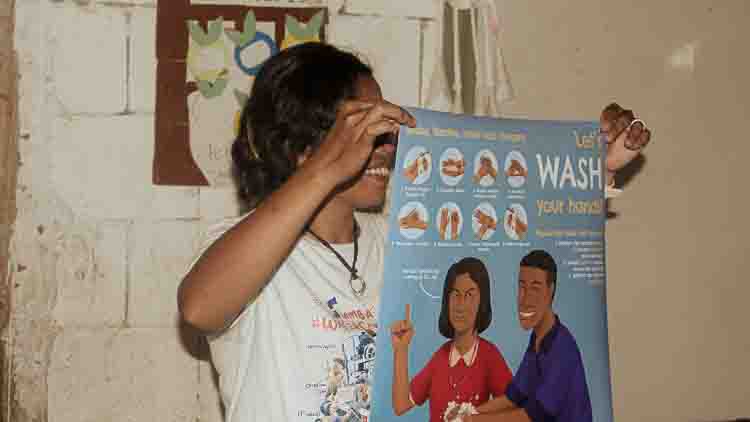
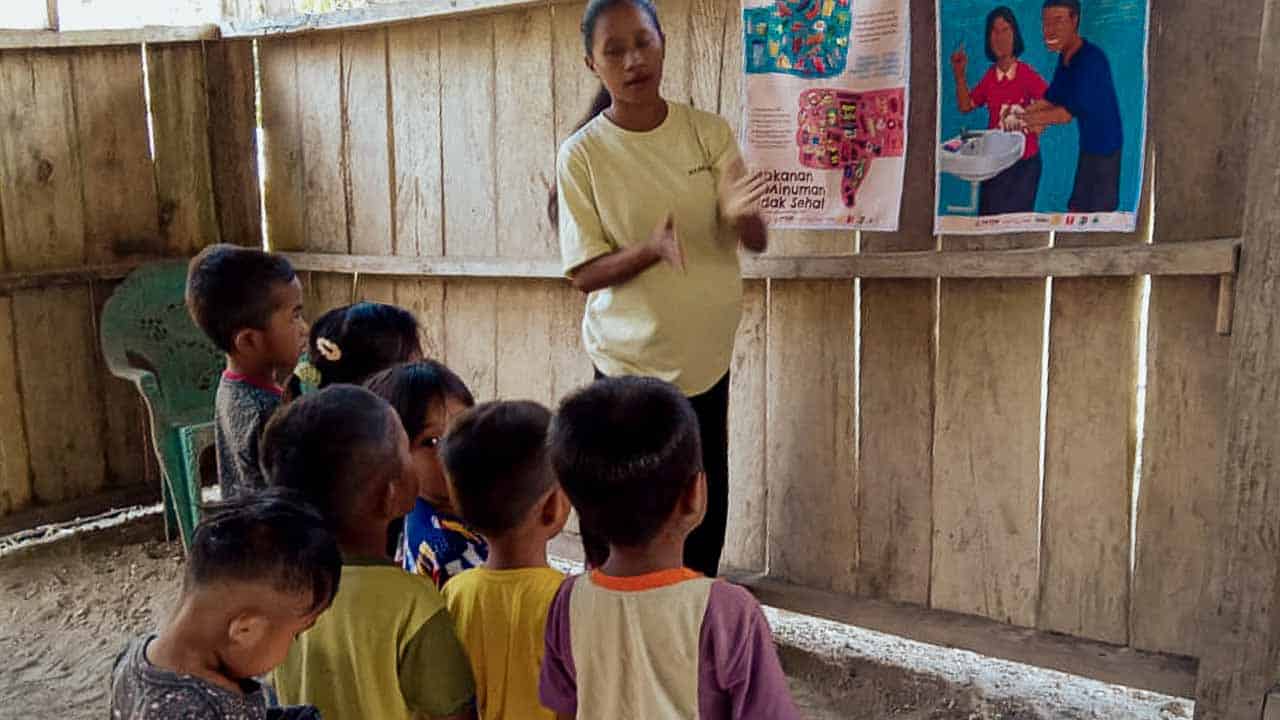
Disease prevention activities carried out through community health education, medical posters and direct engagement with families in rural settings.
The Necessity of Social Justice in Public Health
At Fair Future Foundation, health is intrinsically linked to social justice. Inequality isn’t a theoretical problem; it appears as untreated infections, unsafe water supplies, preventable deaths, and disrupted education. In extremely rural areas, social injustice translates into tangible medical risks.
Our programs focus on populations lacking access to essential services, with a priority on children, women, and families deprived of healthcare, clean water, or education. We tackle the root causes rather than just addressing symptoms by integrating medical care with preventative measures and infrastructure development.
This approach is consistent with global public health principles, acknowledging that social conditions are just as crucial as medical interventions in determining health outcomes. Restoring fairness involves reinstating dignity, autonomy, and the right to live free from preventable suffering.
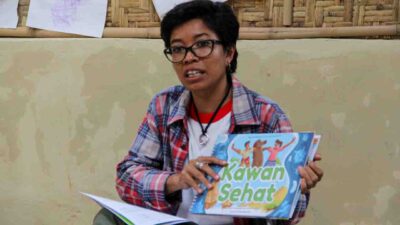
Kawan Sehat health agents present the HIV prevention poster that explains transmission, testing and protection for families in ultra rural East Sumba.
Commitment Beyond Emergency Response
Commitment is measured in time, consistency, and accountability. Fair Future has chosen long-term engagement over short-term interventions, remaining active in the same regions for years, sometimes decades.
This continuity allows trust to develop, data to be collected, and interventions to be adapted based on real outcomes. Our teams work directly in the field, without subcontracting core activities, ensuring medical, logistical, and ethical coherence.
Commitment also means responsibility toward donors and partners. Funds are allocated with precision, tracked transparently, and used exclusively for field operations. This disciplined model enables sustainable impact while preserving independence and operational integrity.
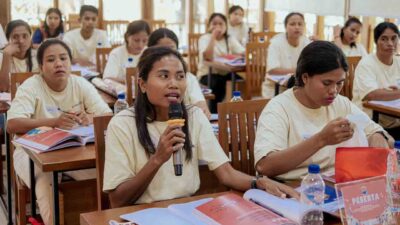
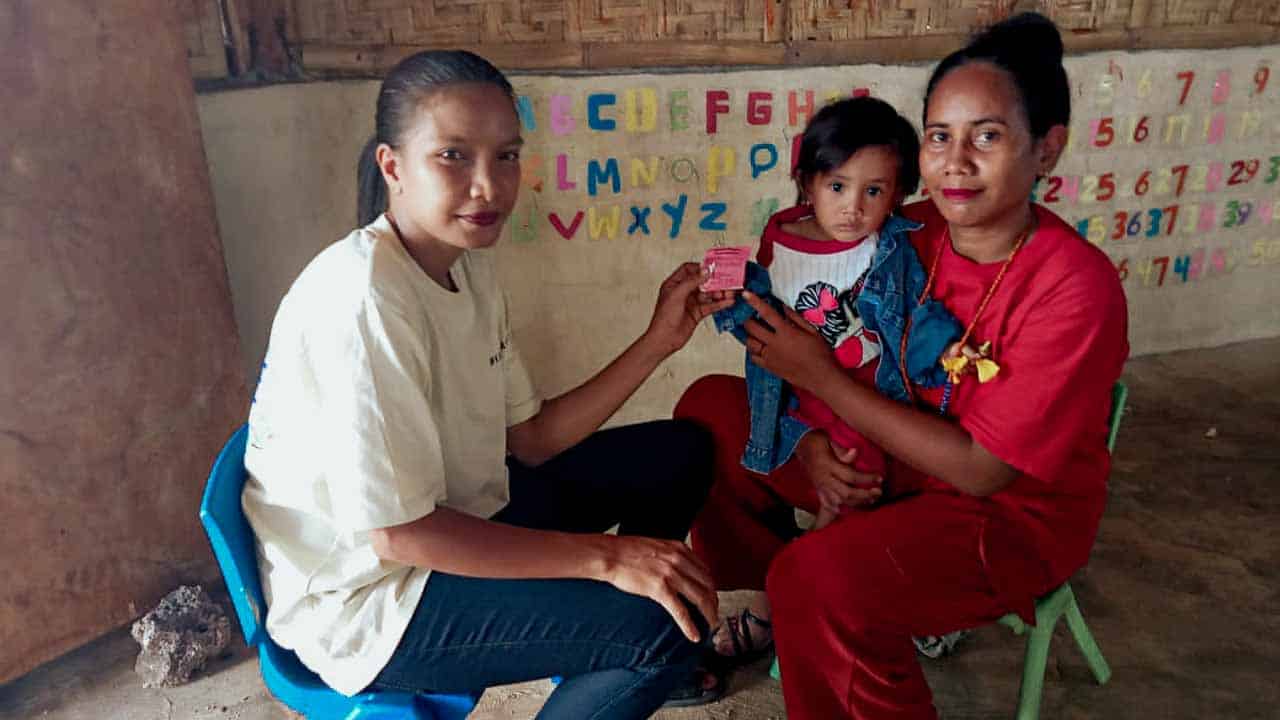
Women’s health agents in East Sumba receive advanced training and medical supplies
Knowledge and Autonomy Empowerment
Empowerment comes from within rather than being imposed externally. The Fair Future Foundation emphasises the importance of training, oversight, and local ownership across all its programmes.
By training health agents (Kawan Sehat Health Agents), supporting teachers, and engaging communities in water and sanitation initiatives, we establish sustainable systems that continue to operate even without our direct involvement. This approach emphasises the importance of knowledge transfer, particularly in disease prevention and primary healthcare.
Empowered communities have greater capacity to safeguard their health, manage emergencies effectively, and sustain progress. The Fair Future approach aligns with “international” best practice in public health and development by focusing on independence, resilience, and enduring stability.

Since our first visit to Lapinu village in 2019, our long-standing goal has been to provide a solution for Lapinu.
The Role of Independence in Ethical Decision-Making
Independence is essential to ethical decision-making. The Fair Future Foundation operates free from political, religious, or commercial pressures, allowing its priorities to be guided solely by medical and humanitarian needs.
Our funding is predominantly from private donations, enabling us to respond swiftly and allocate resources without bias. This independence ensures that we provide care based on urgency and evidence rather than external influences.
Operational independence not only enhances transparency and accountability but also fosters trust among communities and supporters. It is a real, basic, and critical foundation for ethical humanitarian efforts.

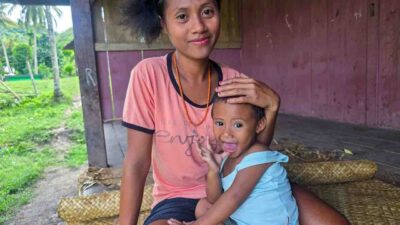
Laughter and smiles play a crucial role in strengthening health, resilience, and community ties in rural villages.
Equity Over Uniformity
Equity recognizes that treating everyone equally doesn’t always produce equal results. Communities in extreme isolation face unique health risks that require customized solutions.
The Fair Future Foundation designs interventions that consider epidemiological data, access barriers, and social vulnerabilities. It prioritises children, pregnant women, and marginalised families, especially during critical risk periods.
By tailoring programs to actual needs, equity can effectively reduce disparities. This approach aligns with evidence-based public health strategies, ensuring resources are directed where they can save the most lives.

Every small donation enables access to medical care, clean water, and education in remote communities.
Perseverance in Challenging Settings
Working in remote and underserved areas requires resilience. Every day brings challenges such as infrastructure breakdowns, logistical obstacles, and adverse environmental conditions.
The Fair Future Foundation perseveres when others retreat, ensuring services continue amid crises, supply chain issues, or extended challenges. This unwavering commitment is bolstered by efficient and robust logistics, strategic medical planning, and strong local partnerships.
Perseverance for us definitely goes beyond simply enduring challenges; it is a commitment to maintaining continuity of care. It ensures that medical treatment, prevention efforts, and educational initiatives persist even when circumstances are tough; especially when they are most critical.
Ethical Humanitarian Medical Action in Practice
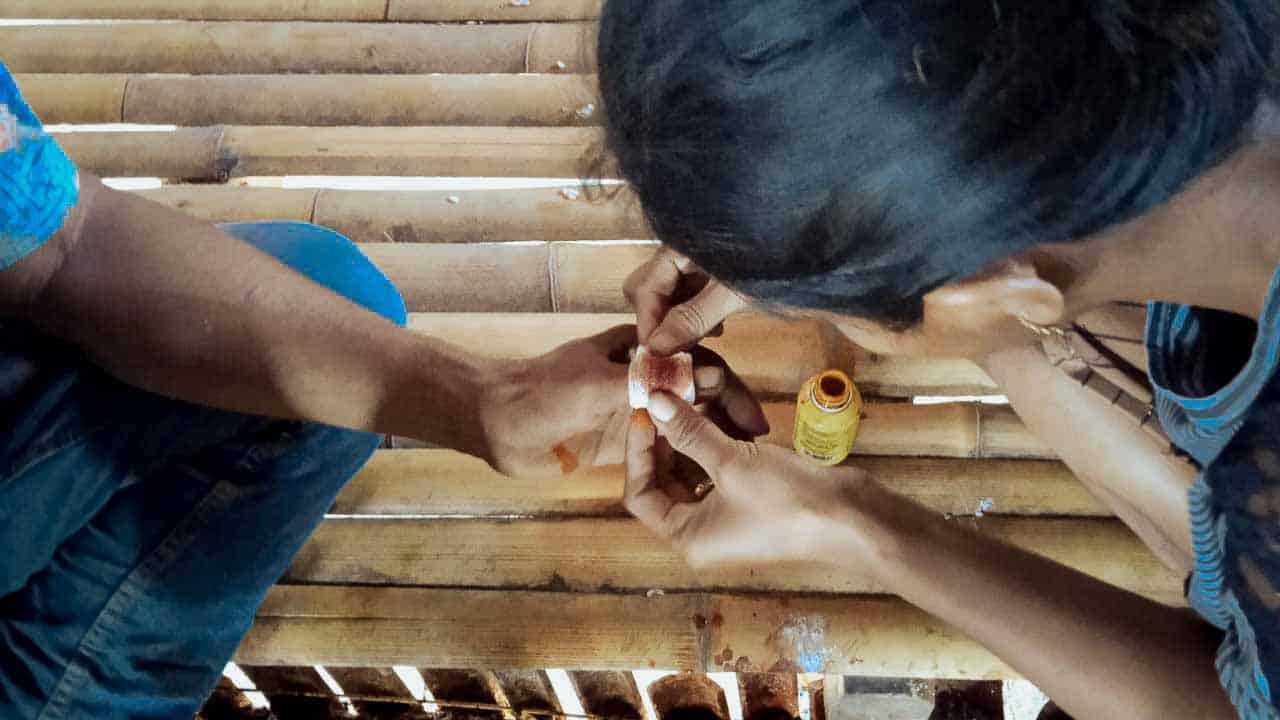
Key Facts on Ethical Humanitarian Practice
- This Ethical Code governs how information is collected, interpreted, and shared, ensuring accuracy, medical relevance, and respect for the people concerned.
- Field data, medical observations, and impact reporting are documented transparently, without exaggeration, simplification, or instrumentalisation of human situations.
- Ethical oversight applies equally to medical care, communication, and fundraising, preserving trust between communities, donors, and humanitarian actors.
- Click here to download the PDF version our our Ethocal Charter.
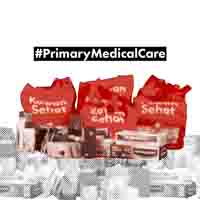
Primary Medical Care
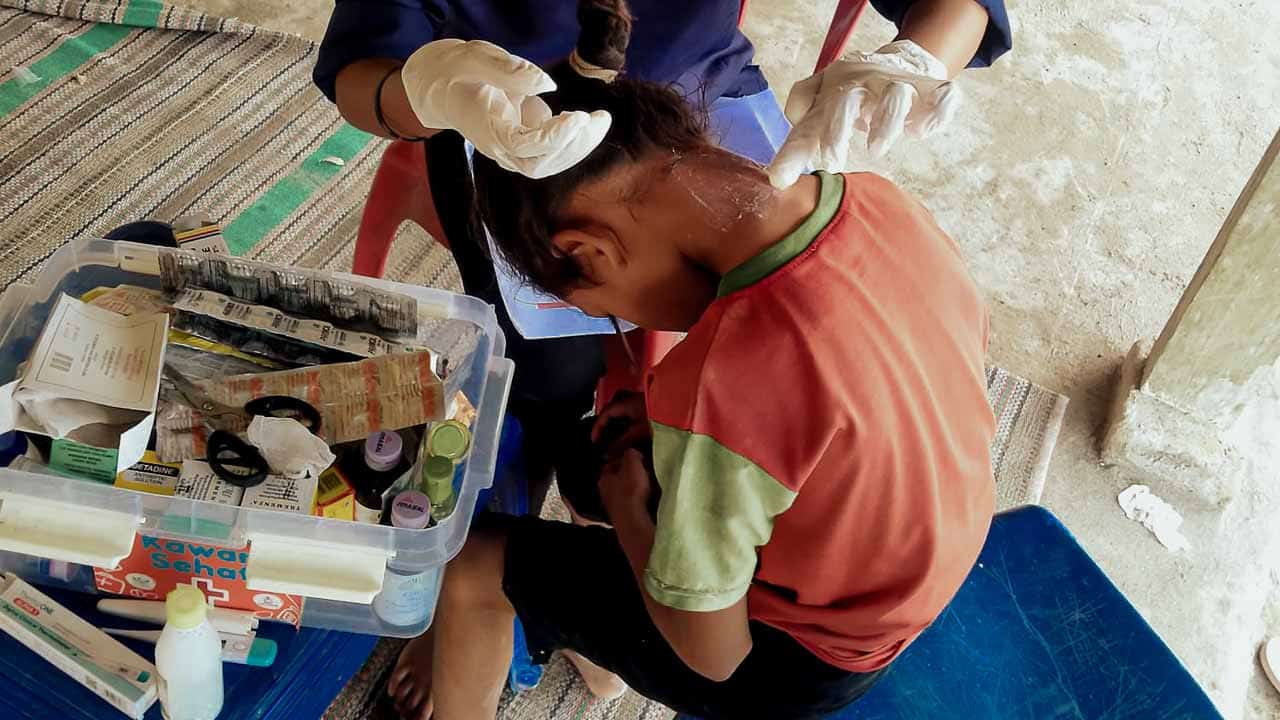
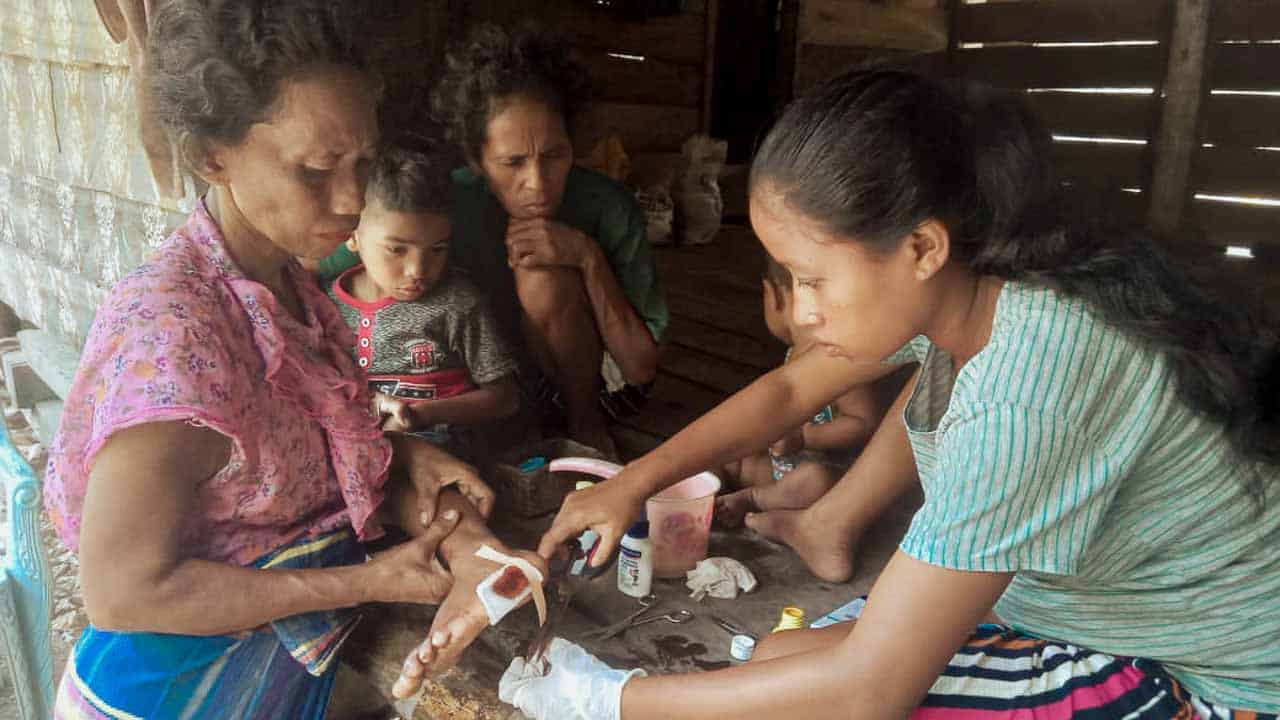
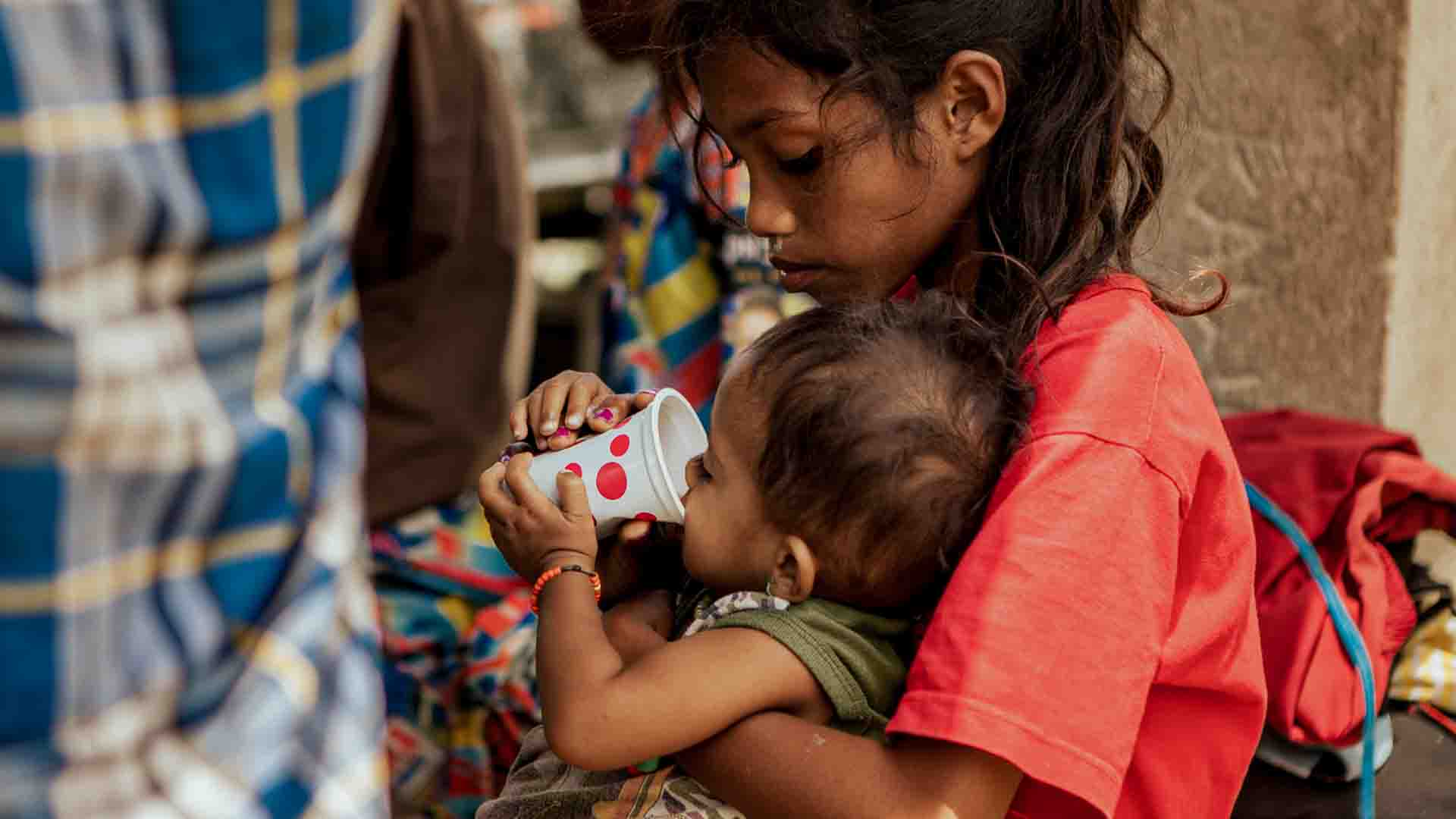
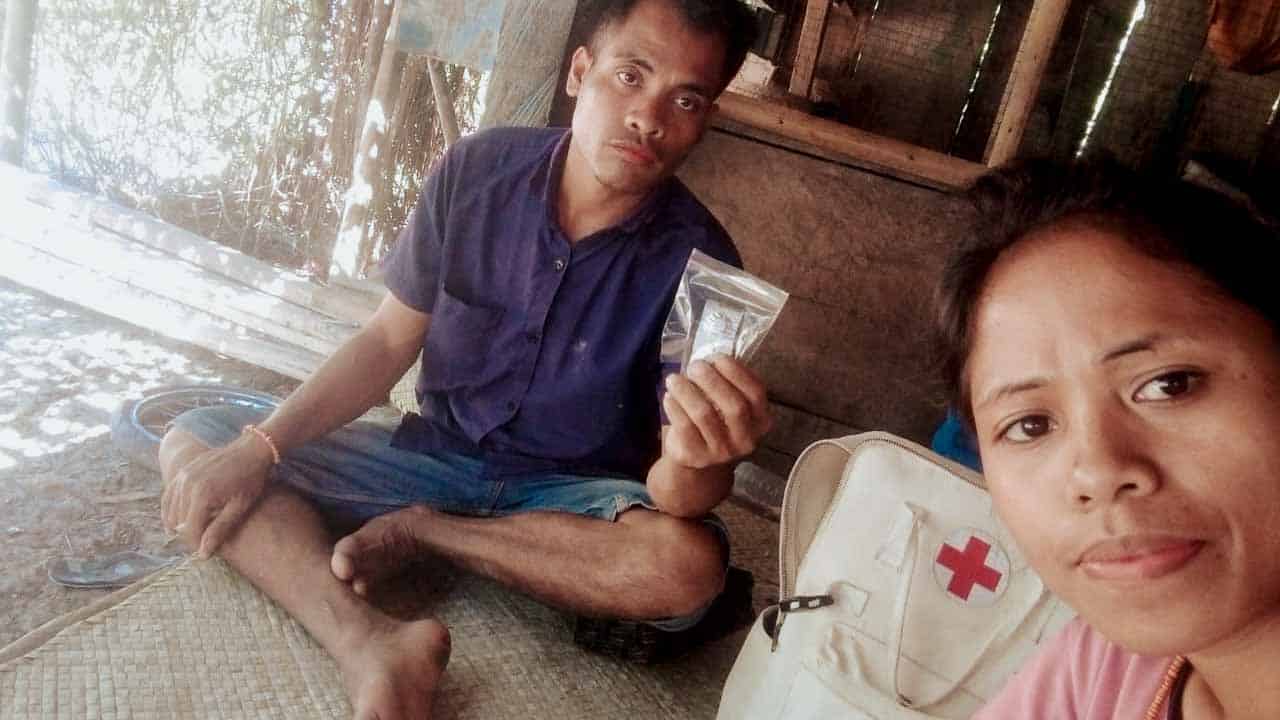
Kawan Sehat health agents walk hours to treat fever, malaria, injuries and dehydration in villages without clinics, where climate shocks hit first.
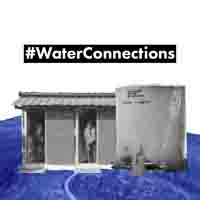
Water Connections
Ferro cement reservoirs and village water networks secure clean litres during longer droughts and after floods, cutting diarrhoea and kidney problems.
Kawan Against Malaria
Prevention, early diagnosis and treatment of malaria in areas where changing rains and temperatures create new mosquito patterns and higher risks.
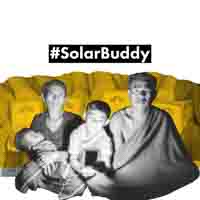
Solar lights for families
Solar lamps for homes and schools reduce injuries at night, improve study conditions and cut toxic fumes when electricity is absent or unreliable.