

Donate
Support Care
Programs
All projects
Quick News
Field updates
Stories
Field stories
Why We Do This Humanitarian Action in Forgotten Areas
Since 2006, Fair Future has been on a mission to create lasting change in the most vulnerable and remote regions of Southeast Asia. Through collective action, we’ve built hospitals, provided clean water, and delivered essential medical services, turning seismic challenges into transformative opportunities for thousands.
Why Humanitarian Action Matters Today
When looking away becomes impossible
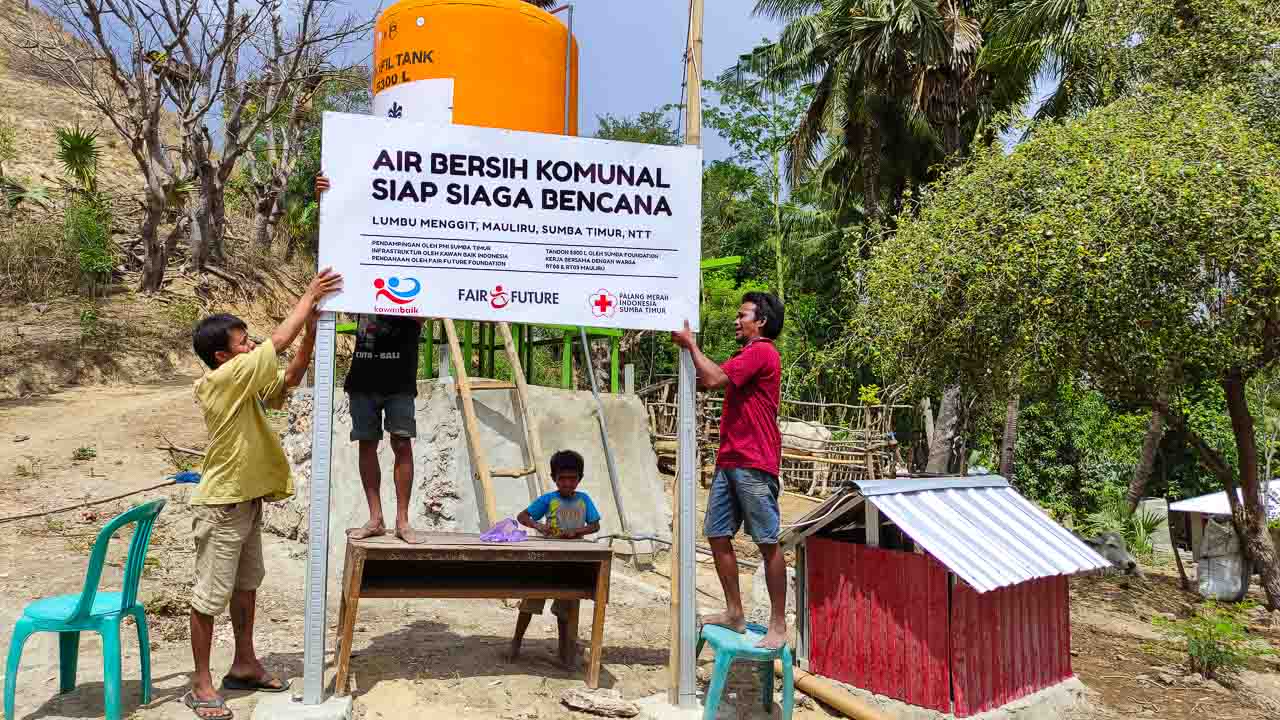
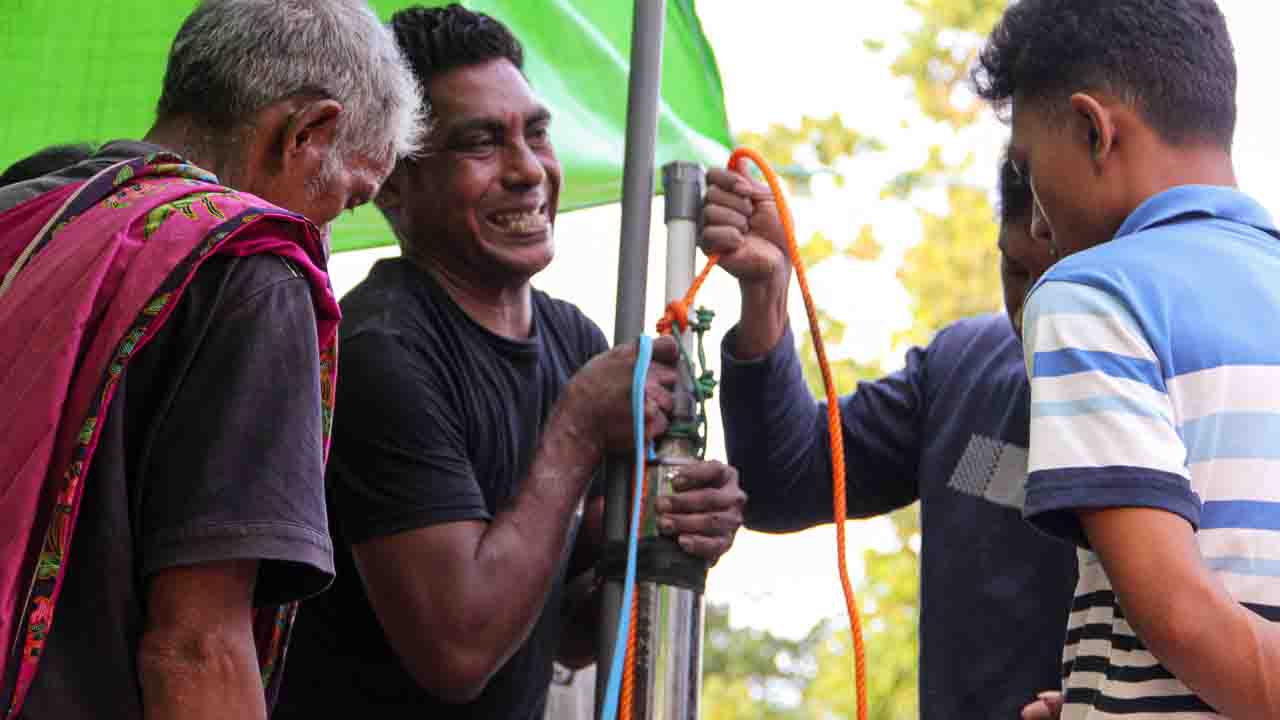
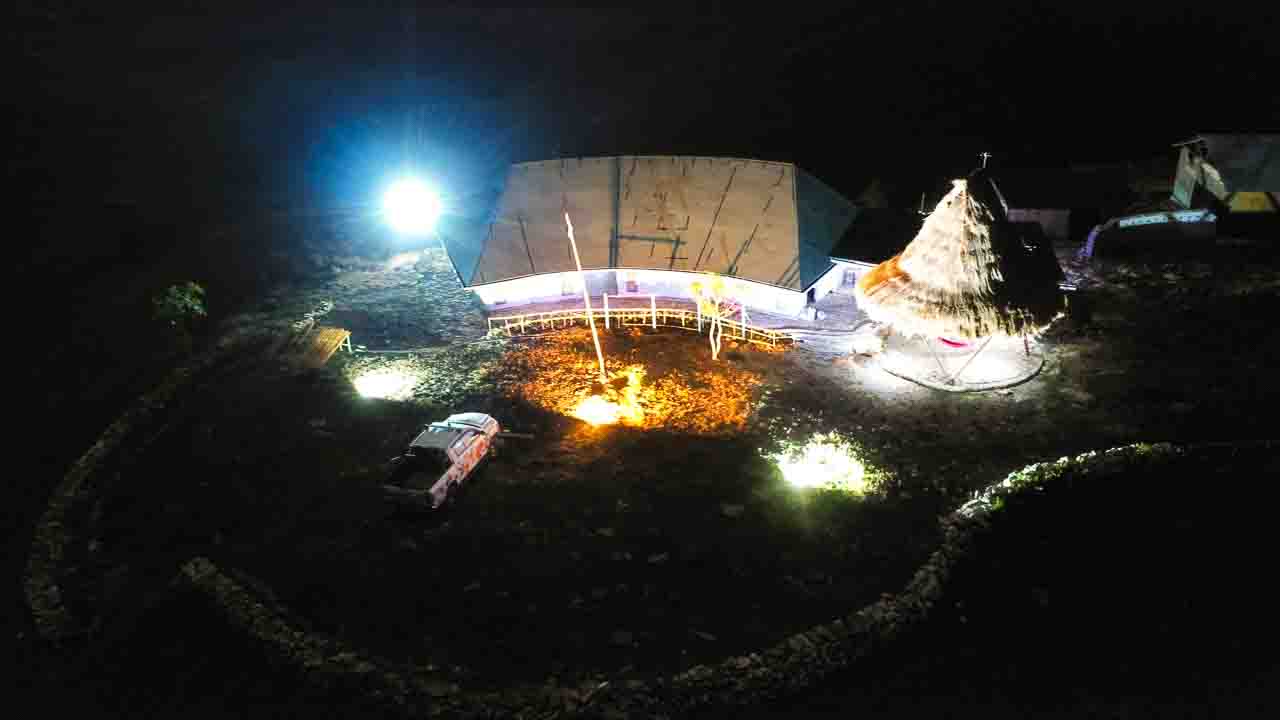
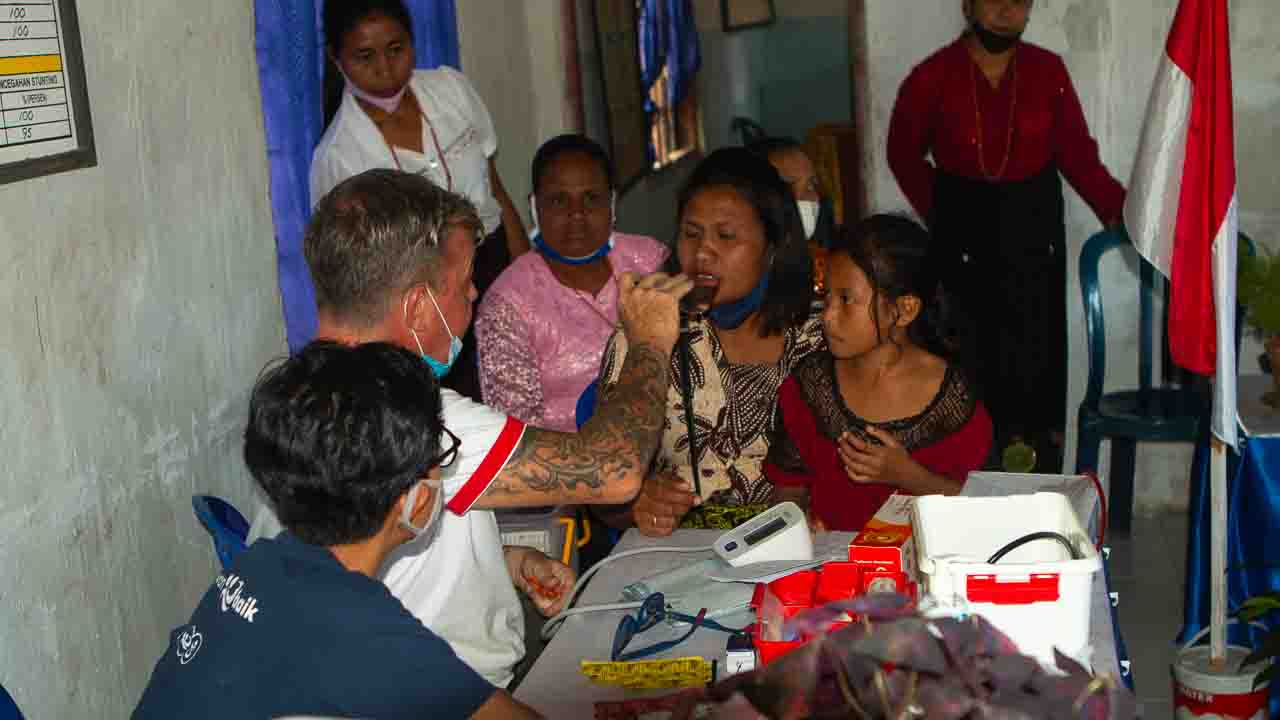
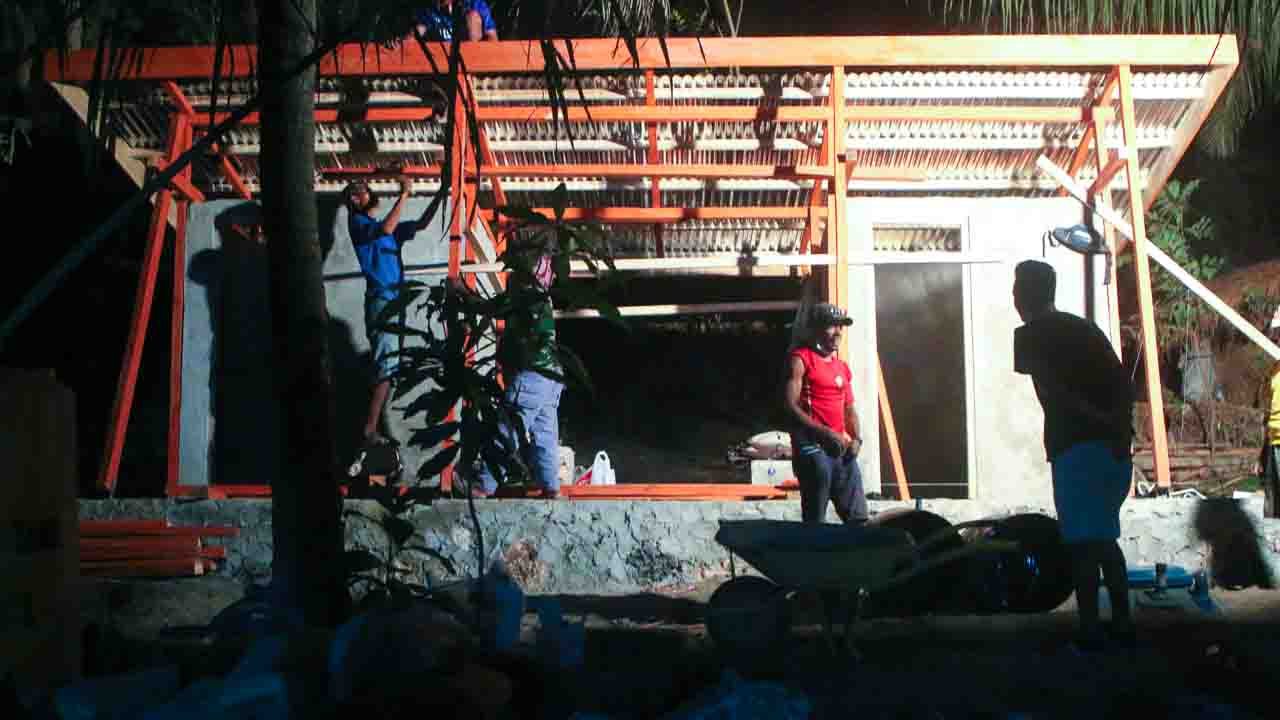
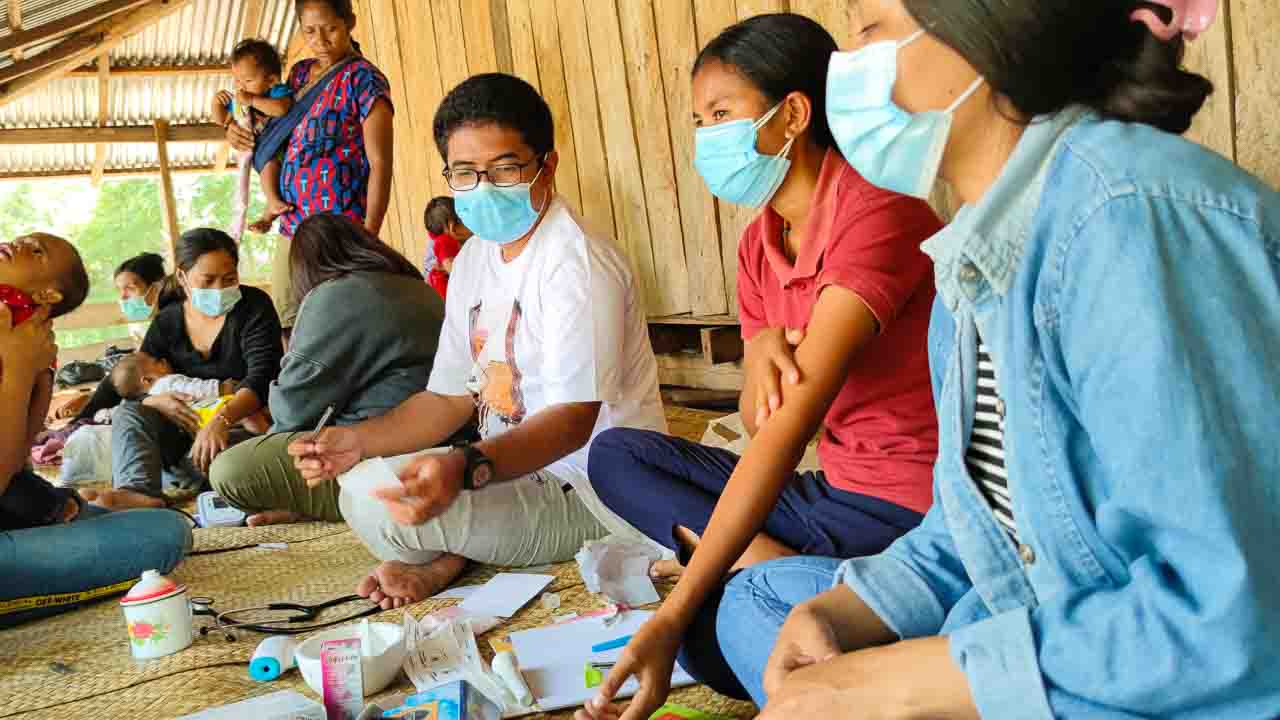
Humanitarian field actions illustrating long-term medical, water and community engagement where basic services are absent.
Once you have seen preventable suffering up close, not acting is no longer an option.
We did not start Fair Future Foundation because it was a good idea. We started because not acting became impossible. When you have seen children die from malaria without treatment, families drink contaminated water because there is no alternative, or entire villages living without light, toilets, or medical care, neutrality becomes a form of abandonment.
Since 2006, long before legal recognition, we have been present on the ground. Not as observers. As participants. Carrying patients. Building reservoirs. Treating infections. Listening. Learning. Staying.
We work in places where systems stop, where statistics no longer matter, and where people survive far from political attention or economic interest.
This page is not about charity. It is about responsibility.
When injustice is visible and preventable, looking away is a choice. We chose another path.
Not because we believe we can change everything, but because we know that doing nothing changes nothing.
©Alex Wettstein – Fair Future Foundation, updated the 22nd of January 2026/aw
Humanitarian field actions illustrating long-term medical, water and community engagement where basic services are absent.
You cannot unsee what you have witnessed
You do not choose this kind of commitment from a distance. It chooses you when you are present.
In 2006, in a remote village in Indonesia, a child died of malaria in our arms. He was not the only one. The disease was everywhere. There were no doctors, no medicines, no diagnostics. Only fever, convulsions, fear, and silence. That moment was not symbolic. It was clinical. It was final.
Once you have lived through this, abstraction disappears. Poverty is no longer a concept. It has a face, a body, a temperature, and a pulse that fades. From that day on, returning to a comfortable detachment was no longer possible.
Fair Future was not born from a strategy or a mission statement. It was born from exposure to reality.
We stayed because leaving would have meant accepting that some lives matter less because of geography. We refused that hierarchy.
What we do today is simply the continuation of that first decision: to remain present where absence kills.
Humanitarian field actions illustrating long-term medical, water and community engagement, where basic services are absent.
Most of the suffering we encounter should not exist
Malaria, diarrhoeal diseases, malnutrition, infections, unsafe childbirth, and untreated wounds. None of these is inevitable.
They persist not because solutions are unknown, but because access is denied.
We work in regions where people walk for hours to reach unsafe water, where children drink from contaminated sources and return with typhoid or dysentery, and where kidney failure begins in childhood. These are not natural disasters. They are failures of infrastructure, prevention, and political will.
Knowing that suffering is preventable changes everything. It removes fatalism. It creates responsibility.
We do not accept explanations that normalise neglect. Clean water is not a luxury. Primary Medical Care is not optional. Light, sanitation, and basic treatment are not privileges.
We act because we know that, with modest means applied correctly, lives can be protected. Prevention works. Training works. Proximity works.
Doing nothing in the face of preventable harm is not neutrality. It is complicity.
A visual overview of field-based humanitarian work, where medical care, water access, education, and logistics are guided by consistent working principles.
Ultra-rural areas fall outside all systems
Where we work, there are no NGOs competing for visibility. No international agencies rotating staff. No emergency response teams arriving by helicopter.
There is silence.
Entire communities live outside institutional radar. No electricity. No toilets. No internet. No reliable medical care. Sometimes no roads. These places are invisible because they are not profitable, not strategic, not urgent enough for headlines.
We go there precisely because no one else does. Not to replace local actors, but to work with them, strengthen them, and remain when others leave.
Our teams are not subcontractors. We stay. We return. We follow up. We adapt.
If we do not act in these places, nothing happens. That simple reality defines our work.
Presence is not symbolic. It is operational.
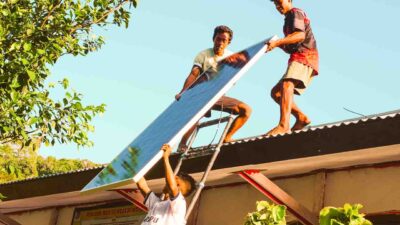
Humanitarian field actions illustrating long-term medical, water and community engagement where basic services are absent.
Solidarity is not outdated
Sharing is not an ideal we talk about. It is a practice we live. On the ground, nothing meaningful happens alone. A reservoir is never just concrete. A school is never just walls. Medical care is never just medicine. Everything exists because people agree to share time, effort, knowledge, space, and responsibility.
We work in places where resources are scarce, but where solidarity is still strong. What is missing is not generosity. It is access. Sharing, in this context, is not about giving from above. It is about standing at the same level, contributing what each one can, and building something that belongs to everyone. This is why our work is always collective. Villagers build with us. Health agents learn and then teach others. Families take ownership of what is created.
Sharing also defines how we operate as an organisation. Funds are used transparently. Knowledge is passed on. Tools are left behind. Credit is shared, not claimed. We do not accumulate impact. We distribute it. Because real change does not come from possession, but from circulation. And in places forgotten by systems, sharing remains the most reliable force for survival and dignity.
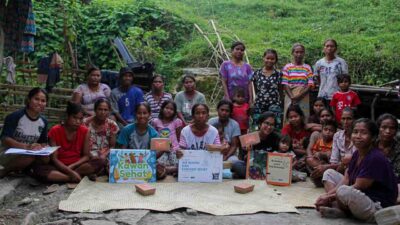
A visual overview of field-based humanitarian work, where medical care, water access, education, and logistics are guided by consistent working principles.
People are not statistics
Dignity is a concrete, tangible value, reflected in how patients are welcomed, how time is taken to explain, and how humiliating treatment is avoided, regardless of a person’s poverty, illness, or education. In our work environments, people are often viewed merely as needs, numbers, or problems to solve. We reject that perspective.
Our partners are not just beneficiaries but families, parents, children, elders, and workers, each with names, stories, skills, and a deep understanding of their reality. Their lack is not intelligence or will but access to clean water, timely healthcare, sanitation, and basic infrastructure.
Maintaining dignity involves working with, not on, people; listening before acting, explaining before deciding, and creating sustainable solutions. This is why we train local health agents, collaborate with communities, and avoid dependency or spectacle. Dignity is restored when individuals regain control of their health, environment, and future. It is the core of our mission.
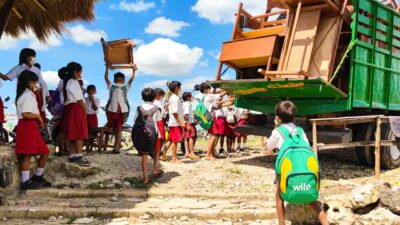
Humanitarian field actions illustrating long-term medical, water, and community engagement in areas where basic services are absent.
This work is not optional.
At some point, commitment ceases to be a choice and becomes a consequence. When we understand what happens in places where no one comes and see how easily certain suffering could be prevented, doing nothing is no longer neutral; it becomes a decision in itself.
We don’t act because we believe we can fix everything; we act because accepting otherwise means condoning a world where geography determines who receives care, water, safety, or dignity. Since 2006, long before structures, statutes, or recognition, this work has been part of who we are. It didn’t start with a plan; it started with reality.
Fair Future endures because this reality has not changed enough. Children still die from preventable diseases. Families still drink unsafe water. Entire communities still live outside systems meant to protect them. Walking away might be easier, but it would be dishonest. We are here because we cannot be, because presence matters, because action matters, because once responsibility is assumed, it doesn’t fade.
When Presence Becomes Responsibility
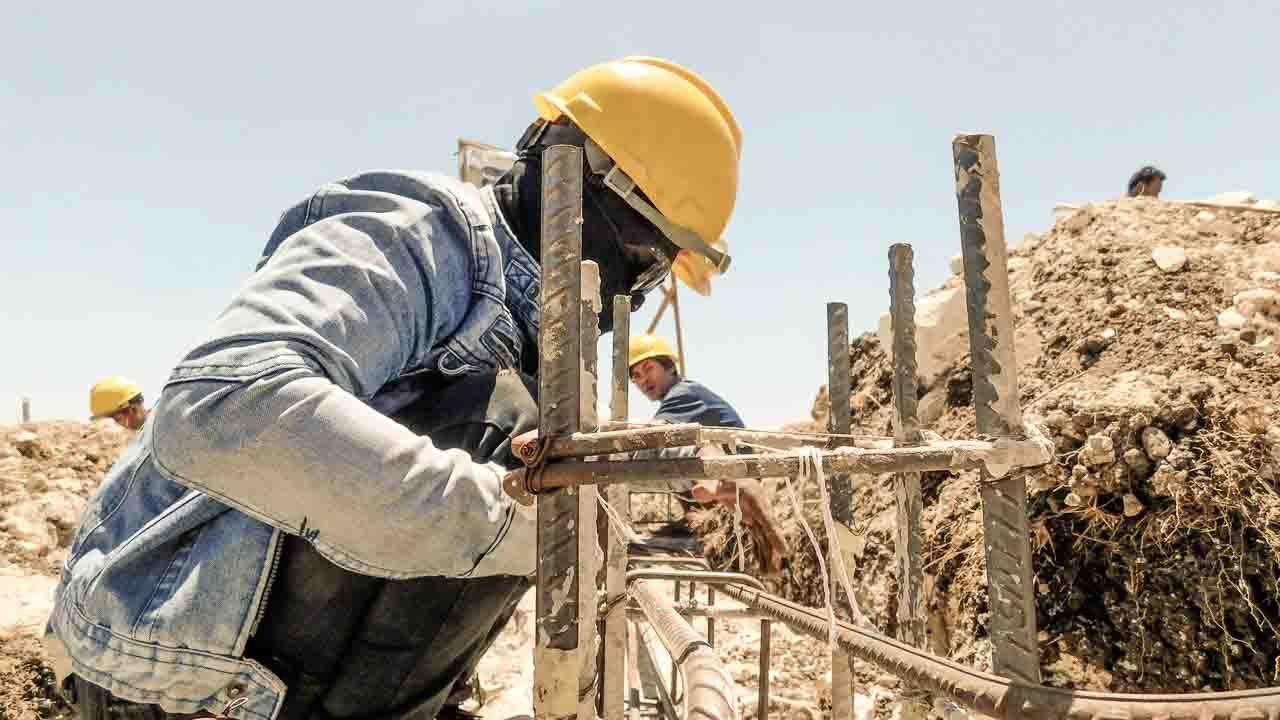
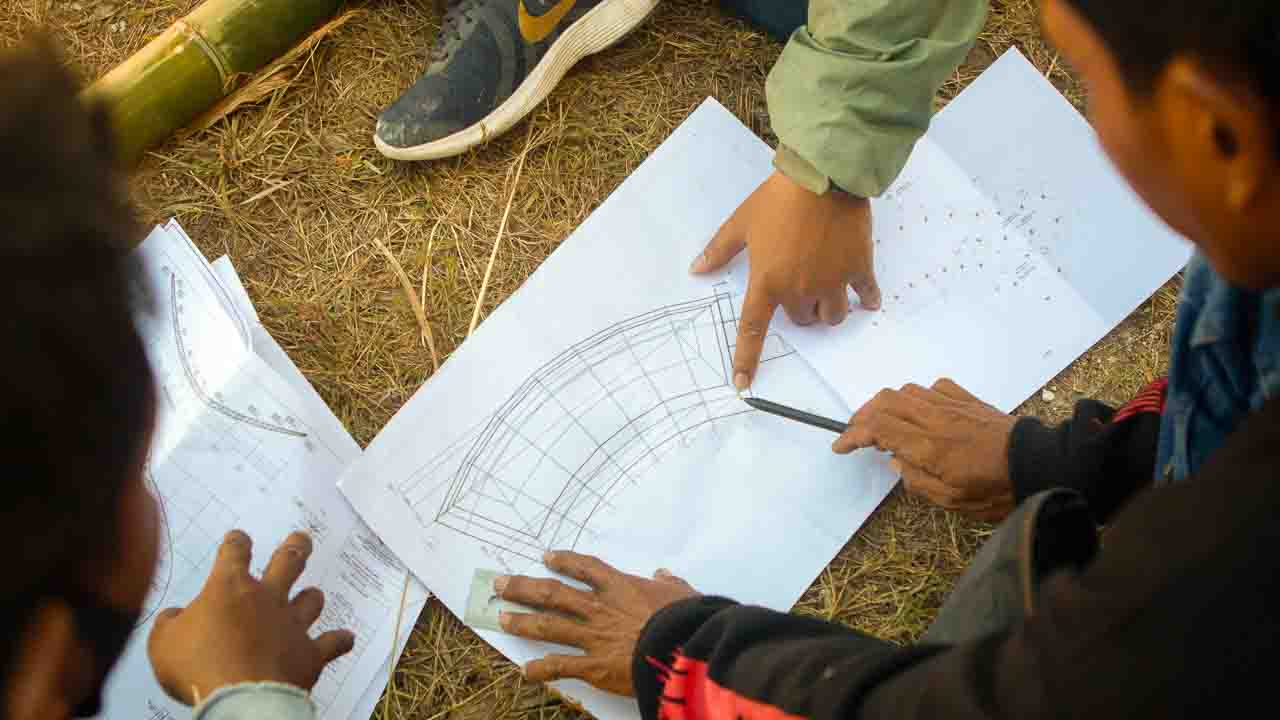
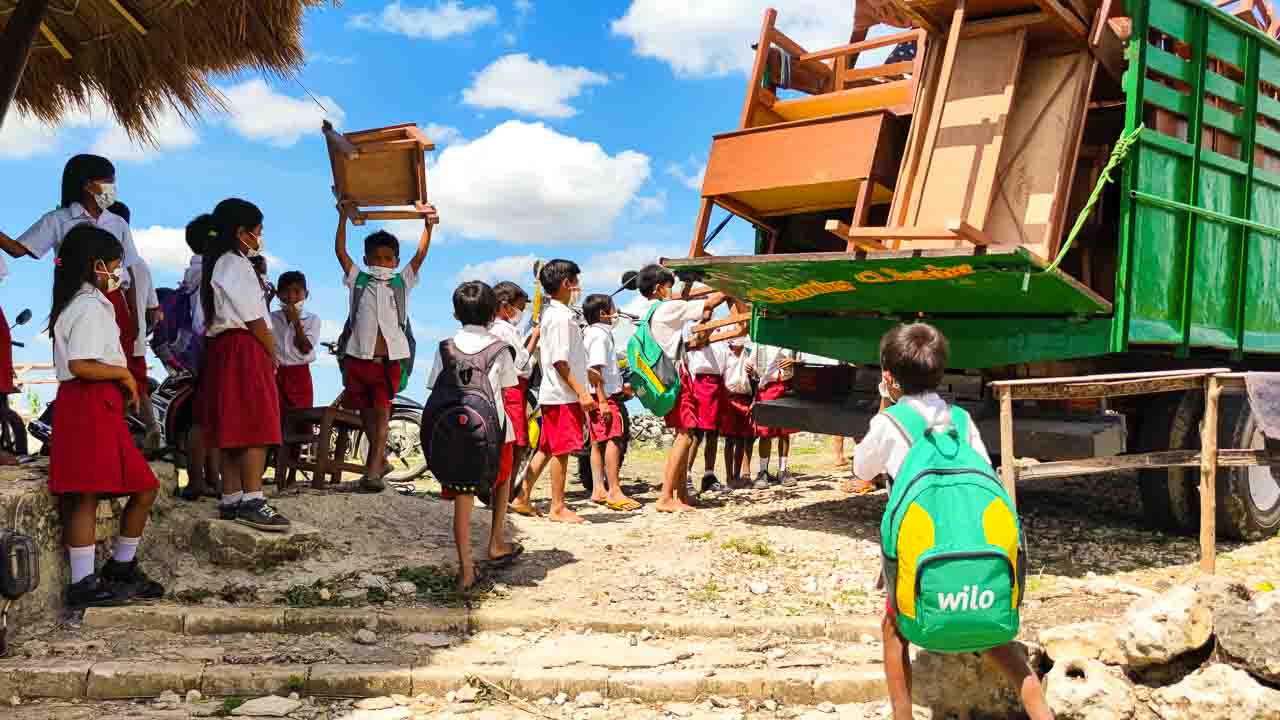
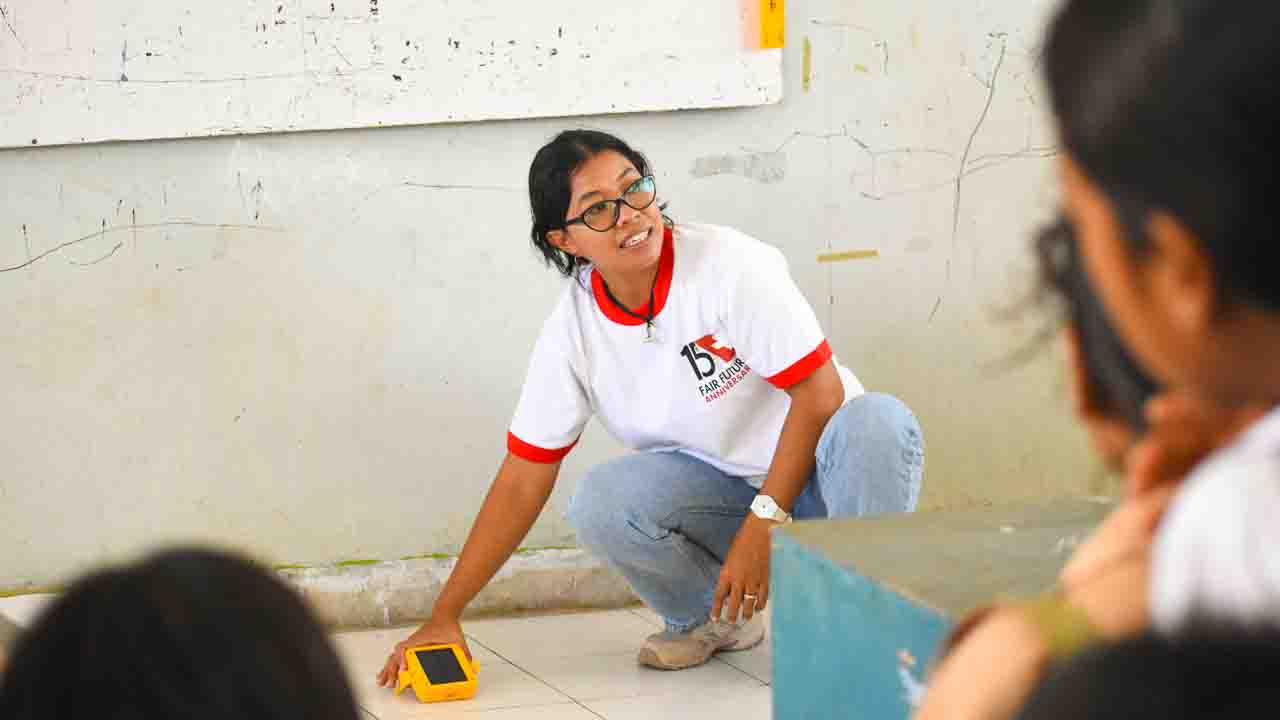
Key intentions behind why we act
- To remain present where others leave: We choose long-term presence in places that fall outside systems, because continuity saves more lives than visibility.
- To reduce preventable suffering, not comment on it: We act on what can be changed today through medical care, clean water, and prevention, instead of accepting injustice as inevitable.
- To protect dignity through shared responsibility: We work with communities, not above them, so people regain control over their health, environment, and future.
Primary Medical Care
Kawan Sehat health agents walk hours to treat fever, malaria, injuries and dehydration in villages without clinics, where climate shocks hit first.
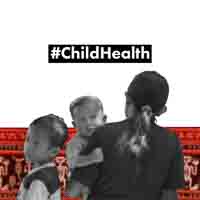
Health For Every Child
Child health programs reduce disease, improve hygiene and nutrition, and support learning by keeping children healthy where medical access is limited.
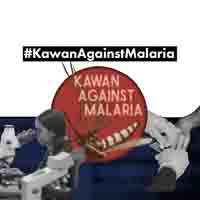
Kawan Against Malaria
Prevention, early diagnosis and treatment of malaria in areas where changing rains and temperatures create new mosquito patterns and higher risks.
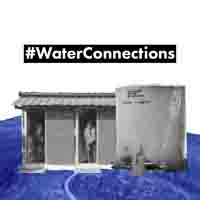
Water Connections
Ferro cement reservoirs and village water networks secure clean litres during longer droughts and after floods, cutting diarrhoea and kidney problems.