

Community medical manuals for primary care delivery
Field-based tools supporting structured rural healthcare
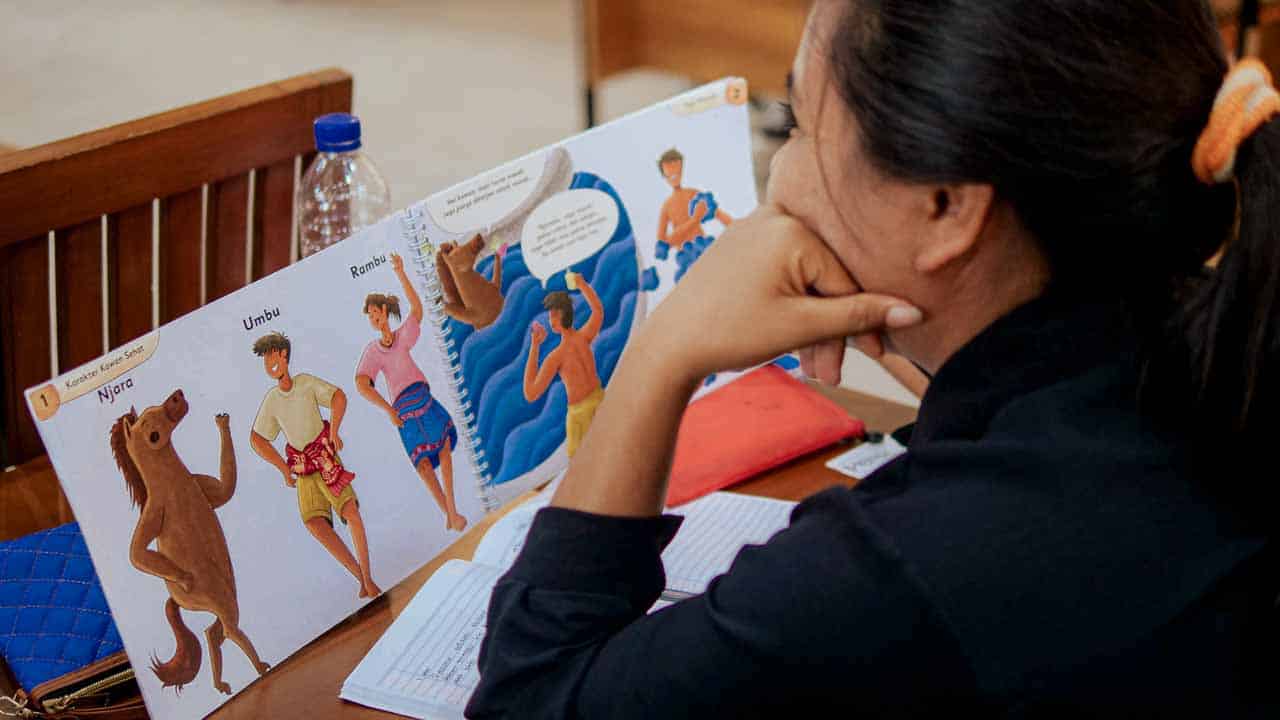
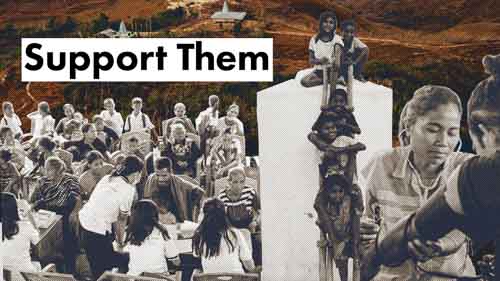
Rural health agents refresh skills in Waingapu to treat and educate isolated communities
In large parts of rural Indonesia, access to formal healthcare remains limited or non-existent.
According to the World Health Organisation, over 40% of the world lacks access to essential healthcare services, and many remote Indonesian communities are part of this statistic. Community medical manuals provide a standardised clinical reference that enables trained health agents to deliver safe, consistent primary care. These manuals translate medical protocols into practical actions adapted to isolated settings, serving as vital resources in places where reliance on traditional healers or unverified methods is common.
Community medical manuals developed by Fair Future Foundation are designed as operational tools rather than educational theory. Each module follows internationally recognised public health principles and task-shifting approaches, adapted to contexts where doctors, laboratories, electricity, or referral systems are absent. Healthcare delivery via these manuals emphasises early symptom recognition, fever assessment, wound management, infection prevention, nutrition, and hygiene—crucial areas often neglected in areas without structured healthcare facilities.
All manuals are produced internally by Fair Future teams in close collaboration with Kawan Baik Indonesia. They are continuously revised based on field observations, case reviews, and training feedback. This iterative process ensures clinical relevance, consistent care, and alignment with evolving health risks in rural communities. The collaborative efforts between Fair Future Foundation and Kawan Baik Indonesia are commendable, as they address specific local health challenges with innovative solutions backed by practical recommendations.
Within the Primary Medical Care programme, these manuals support a structured system treating hundreds of patients every month. They enable health agents to follow clear procedures, communicate medical risks to families, and document care accurately—vital components in isolated settings. The manuals enhance autonomy while maintaining medical accountability in environments without formal healthcare infrastructure, providing a lifeline to those in need of care. They not only build local capacity but also create a framework for sustainable healthcare solutions that can be adapted and implemented in other underserved regions.
Today, the 18th of January 2026 – Alex Wettstein
In Short | Built as medical infrastructure
These manuals serve as a mobile medical infrastructure. In villages without clinics or doctors, they provide continuity, clinical consistency, and shared standards, enabling trained health agents to deliver care safely and document it accurately over months and across missions.
Community medical manuals for primary care
Community medical training manuals for remote care
Field-built tools supporting safe community healthcare
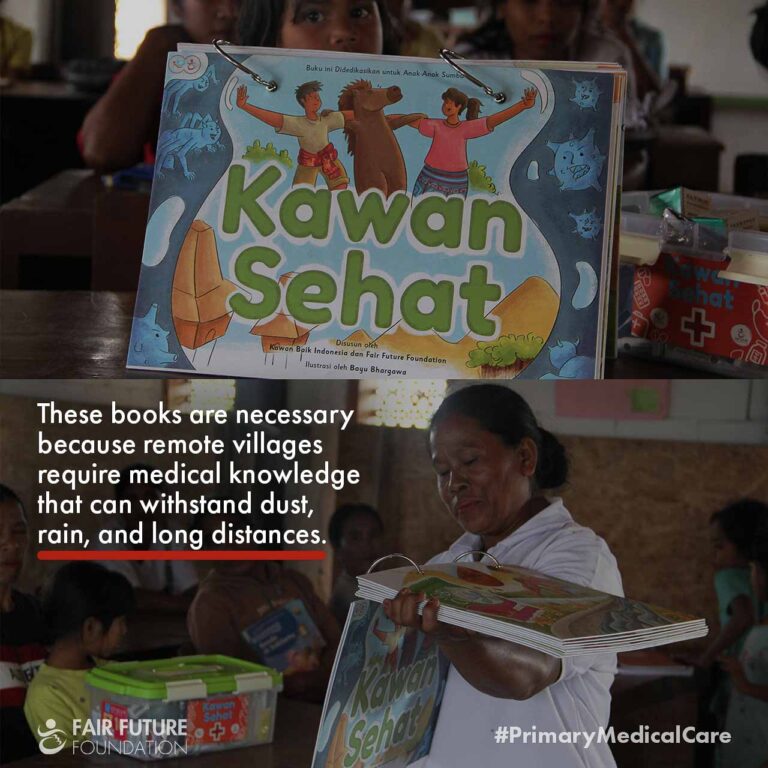
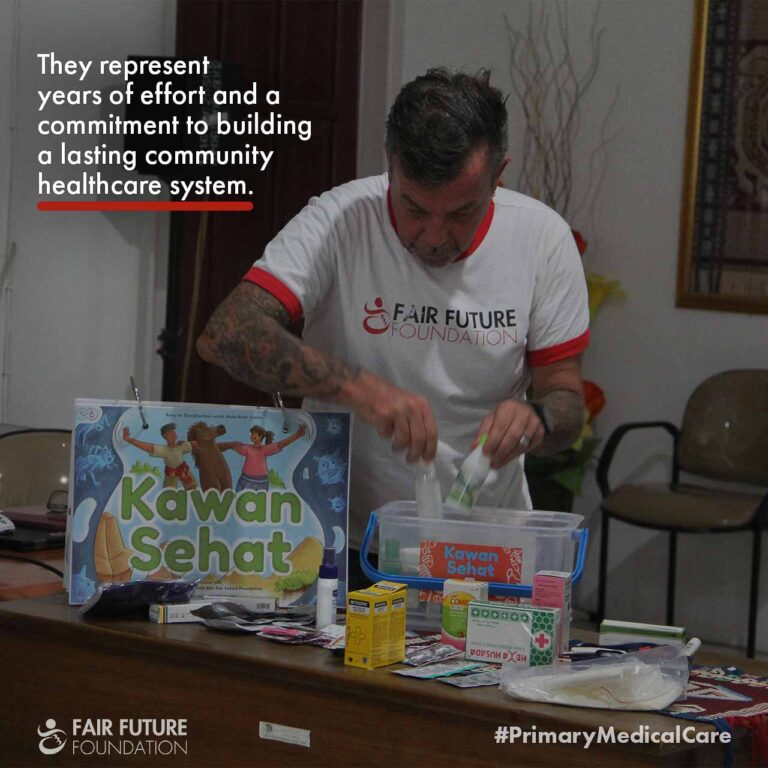
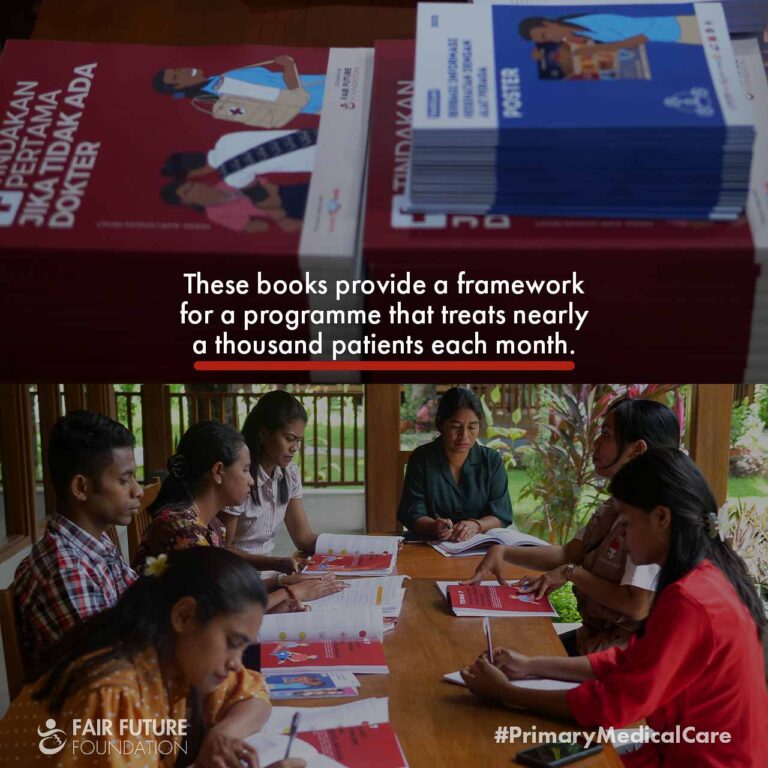
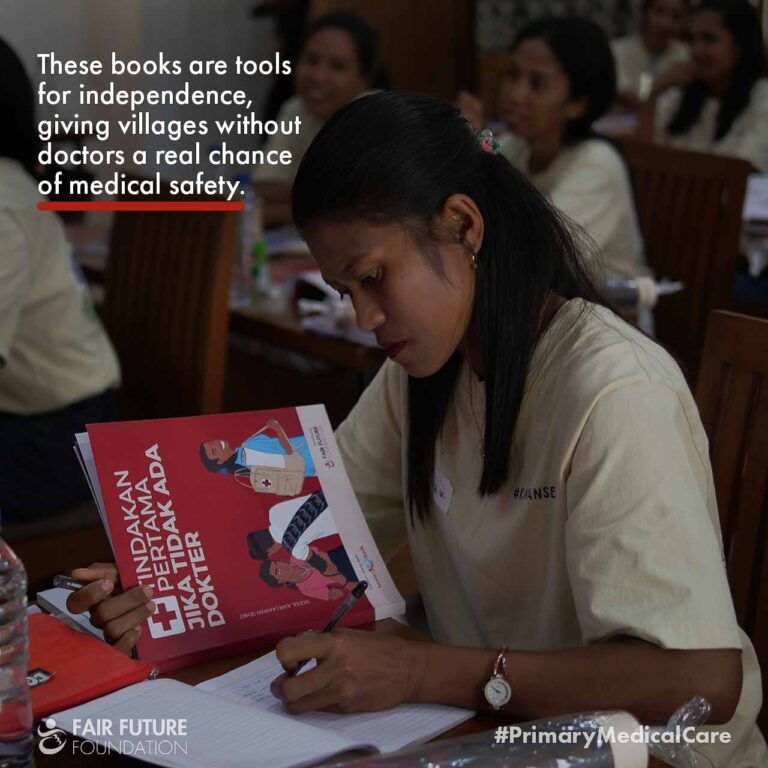
In East Sumba, medical manuals are not academic objects. They are practical tools that women carry through dust, rain, and long distances to deliver care where no doctor exists. These books were created by the medical teams of Fair Future Foundation, together with Kawan Baik Indonesia, and are built entirely on field experience and refined mission after mission.
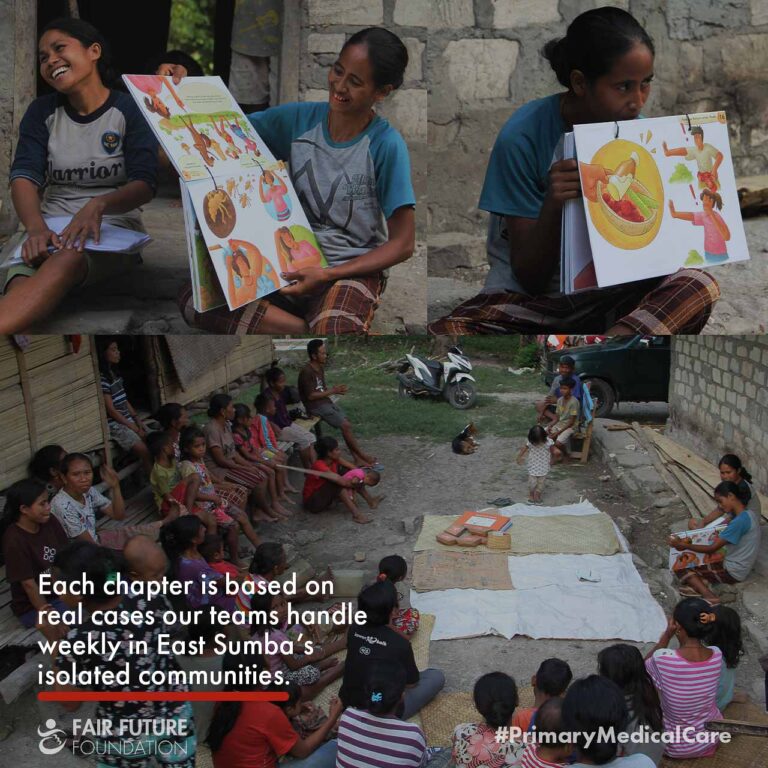
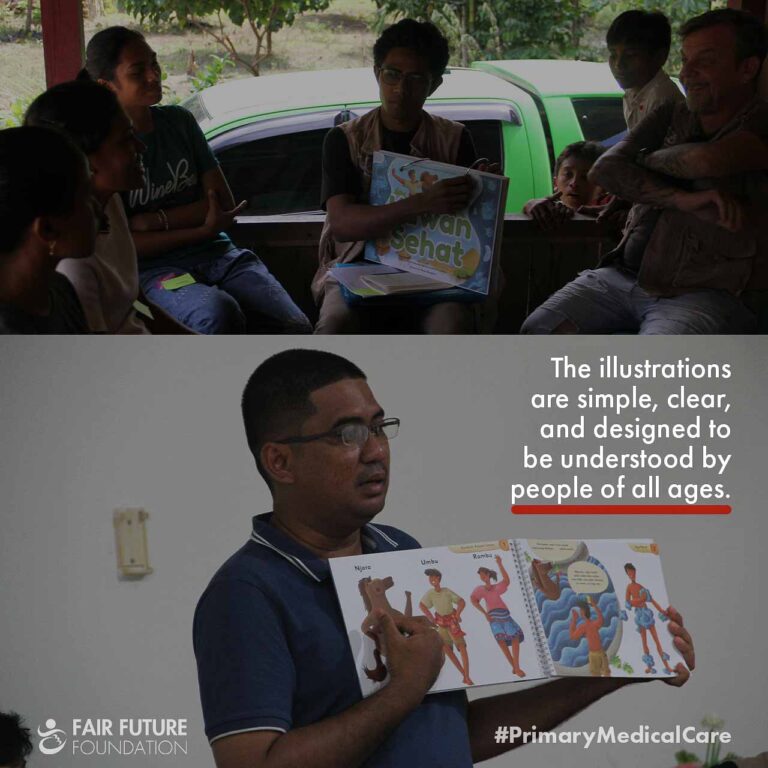
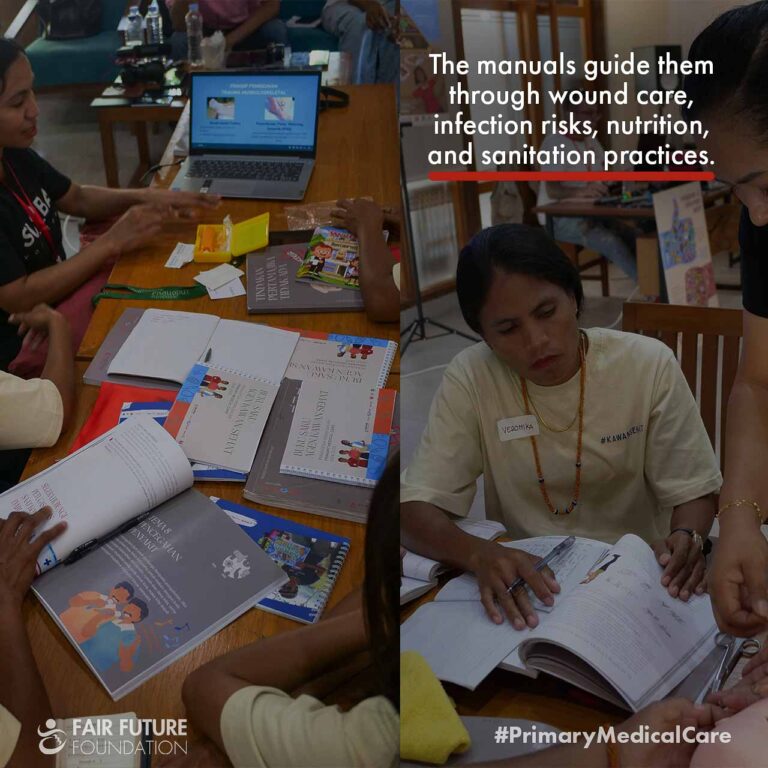
Each chapter is rooted in real clinical situations treated every week in remote villages. Fever management, danger signs, wound care, infection prevention, nutrition, sanitation, and community education are explained with precision, using clear language and illustrations that are understandable to all ages. The goal is not theory, but safe action.
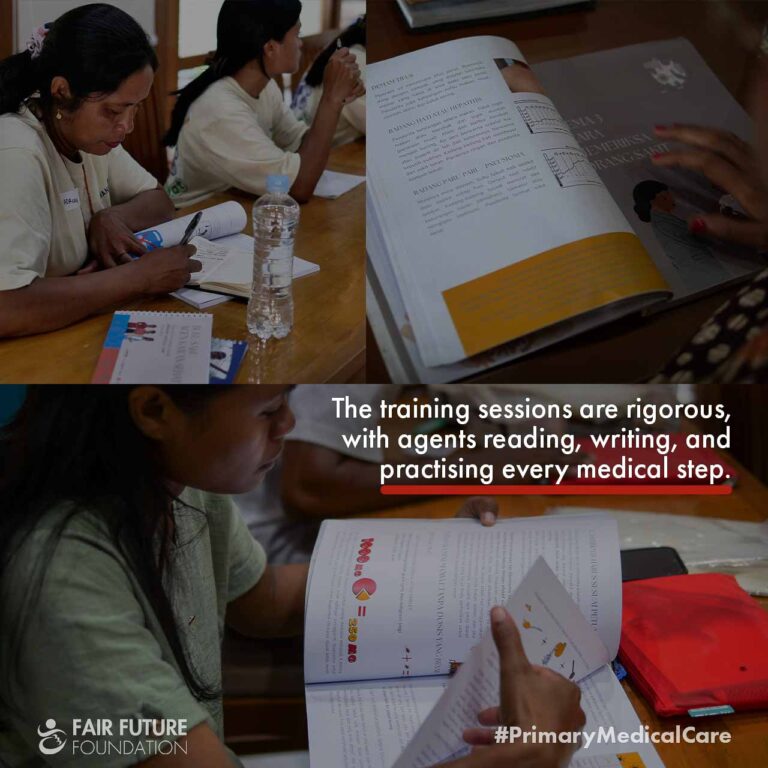
During training sessions, Kawan Sehat health agents read, write, annotate, and practise every medical step under close supervision. The manuals then follow them into homes, schools, and community gatherings, becoming references when a child arrives sick in the middle of the night. Checklists support clinical decisions when treating fevers, coughs, skin infections, or wounds.
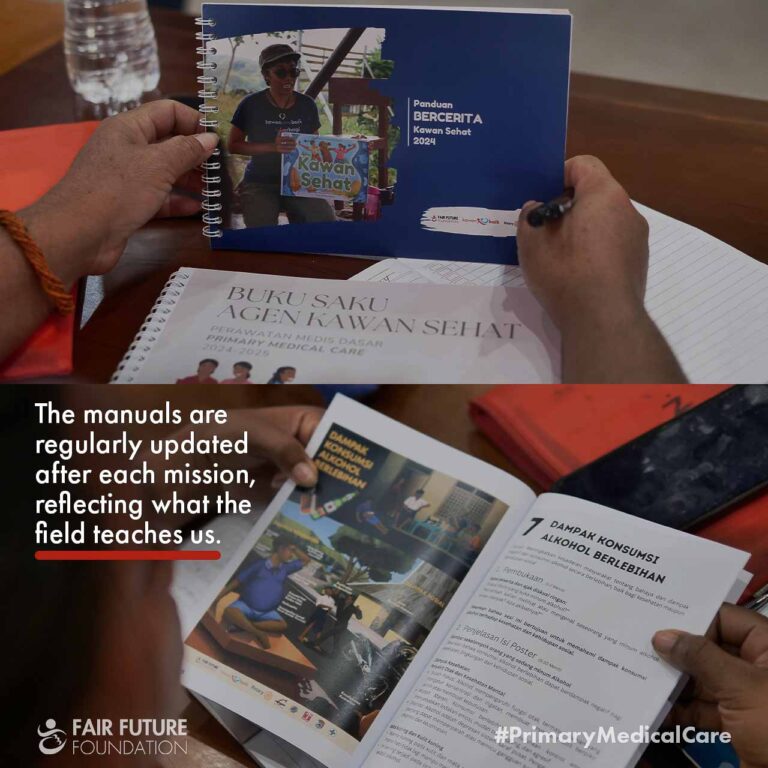
These books are constantly updated after each mission, integrating new medical observations and adapting to local realities. Their durability matters because agents often travel on foot, by motorbike, or on horseback to reach patients.
As the backbone of the Primary Medical Care programme, these manuals support a structured system that serves nearly 1,000 patients each month. They strengthen autonomy, accuracy, and continuity of care in villages without healthcare infrastructure, led by remarkable women working every day to protect their communities.
Alex Wettstein – Fair Future Foundation medico-social camp in East Sumba – Rumah Kambera, Lambanapu – the 18thof January 2025



List of Related Organisations with Hyperlinks
- World Health Organisation: Provides global guidance on primary healthcare and task shifting in underserved regions.
- UNICEF: Supports child health, nutrition, and community-based healthcare programmes worldwide.
- Médecins Sans Frontières: Delivers medical care in remote and resource-limited settings.
- International Committee of the Red Cross: Provides medical assistance and health system support in hard-to-reach areas.
- Save the Children: Focuses on child health, nutrition, and disease prevention in vulnerable communities.
- Rotary International: Supports global health initiatives and community-based medical programmes.