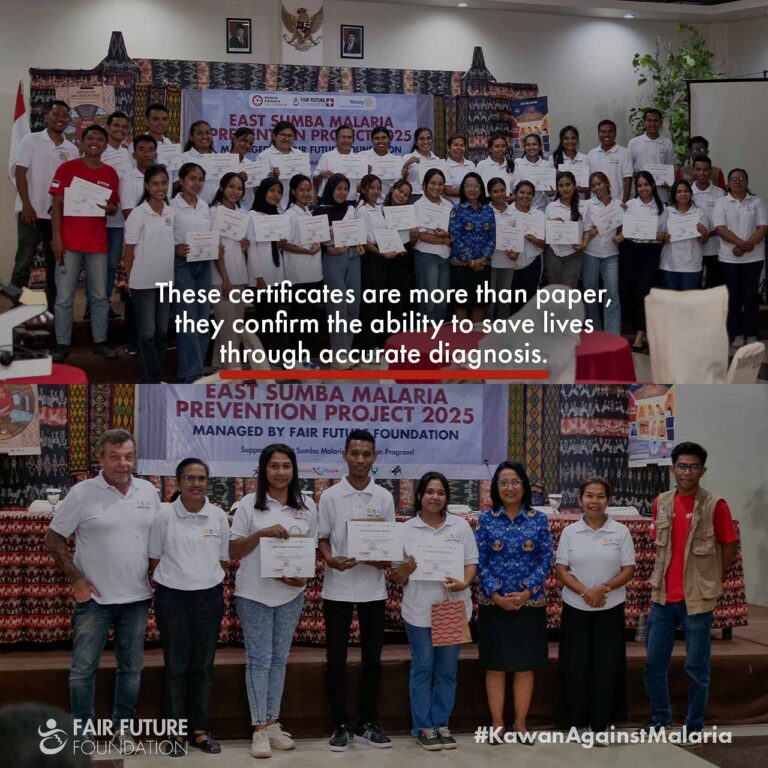



Malaria microscopy training and certification
Validated diagnostics for remote health centres
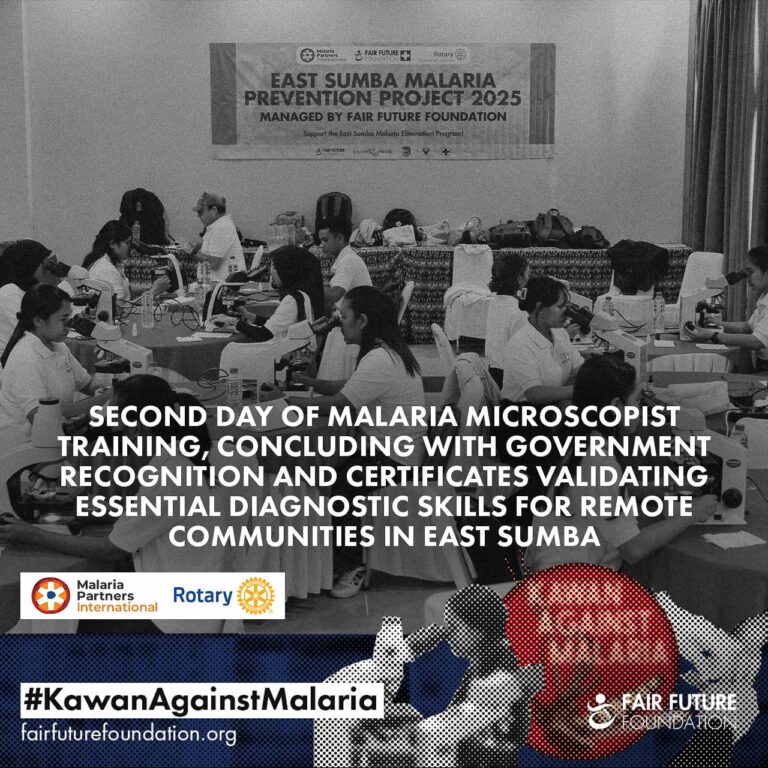
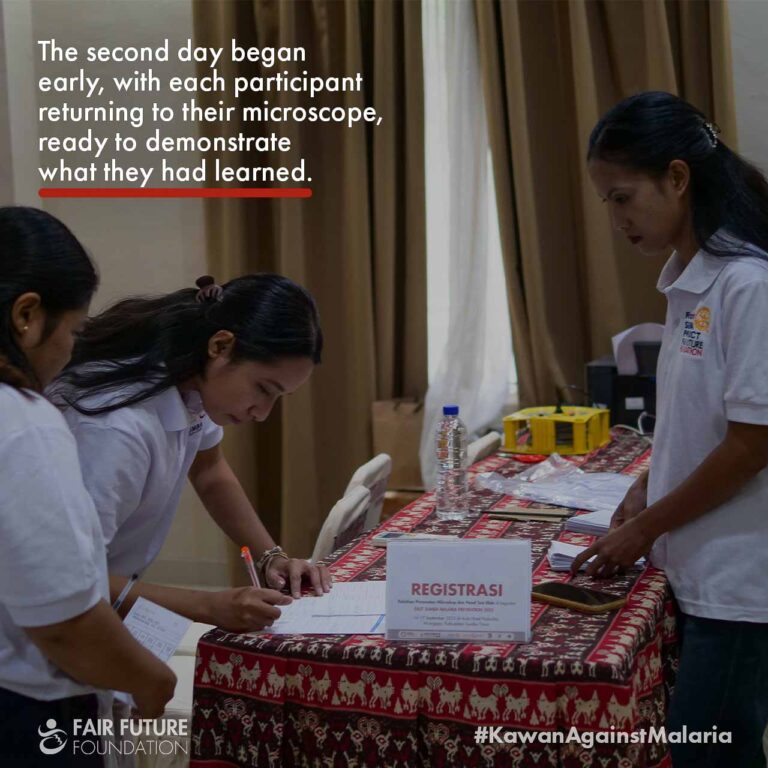
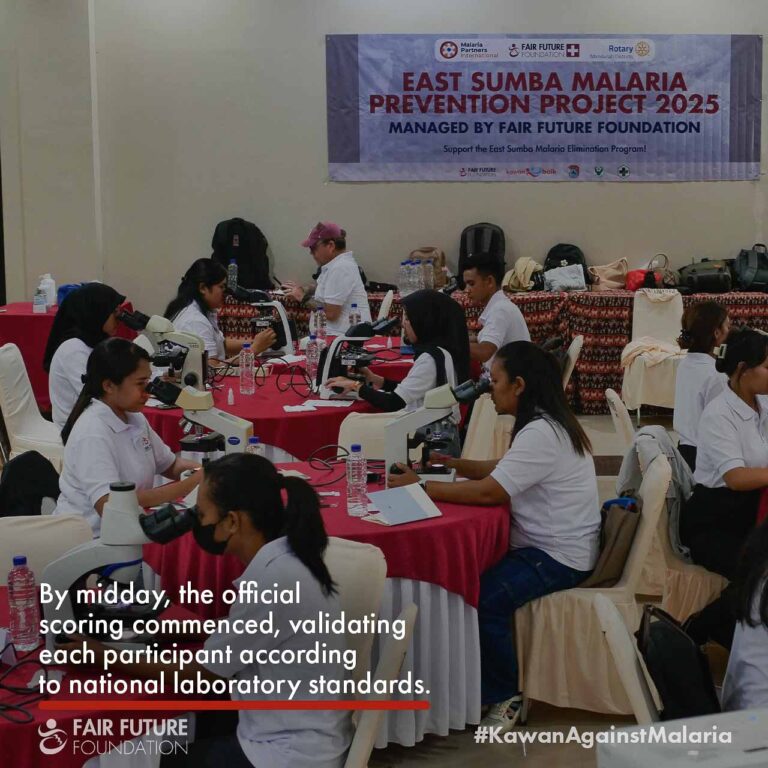
The second day of malaria microscopist training in East Sumba focused on evaluation, precision, and responsibility. In a region where hospitals and advanced laboratories are absent, accurate malaria diagnosis is often the only barrier between early treatment and severe disease. Each participant returned to their microscope to demonstrate the skills required for safe diagnostics in remote Puskesmas health centres.
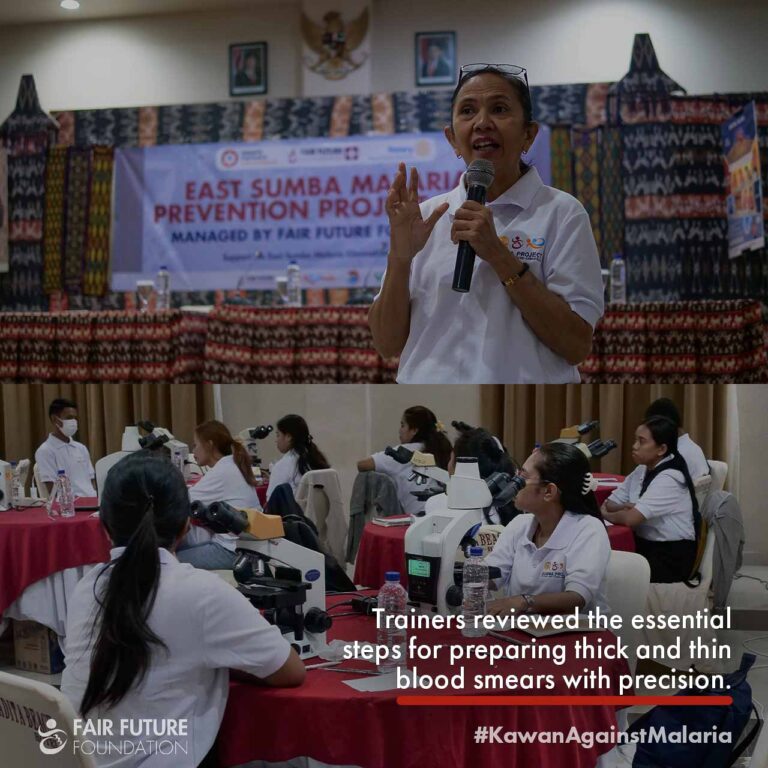
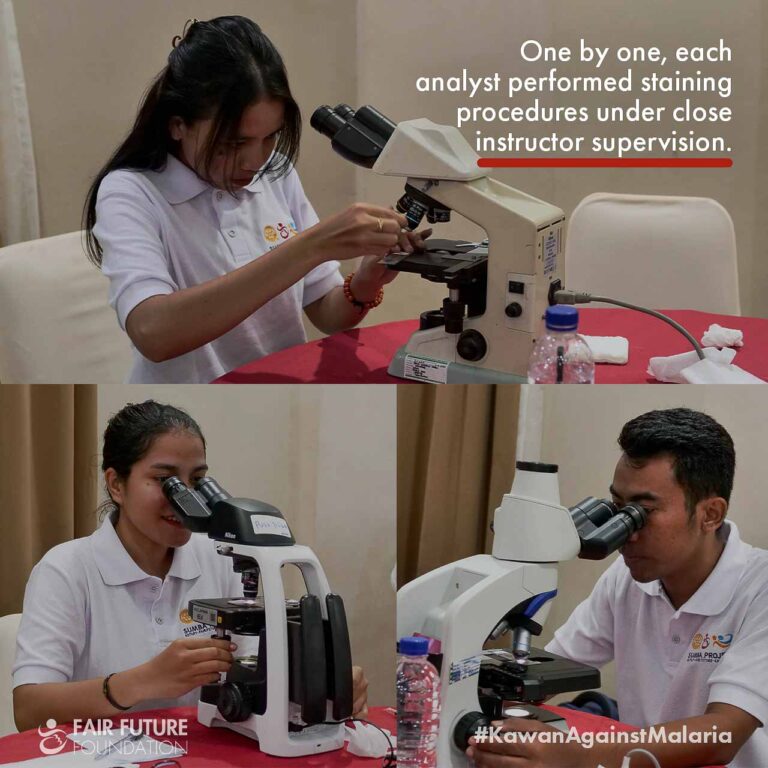
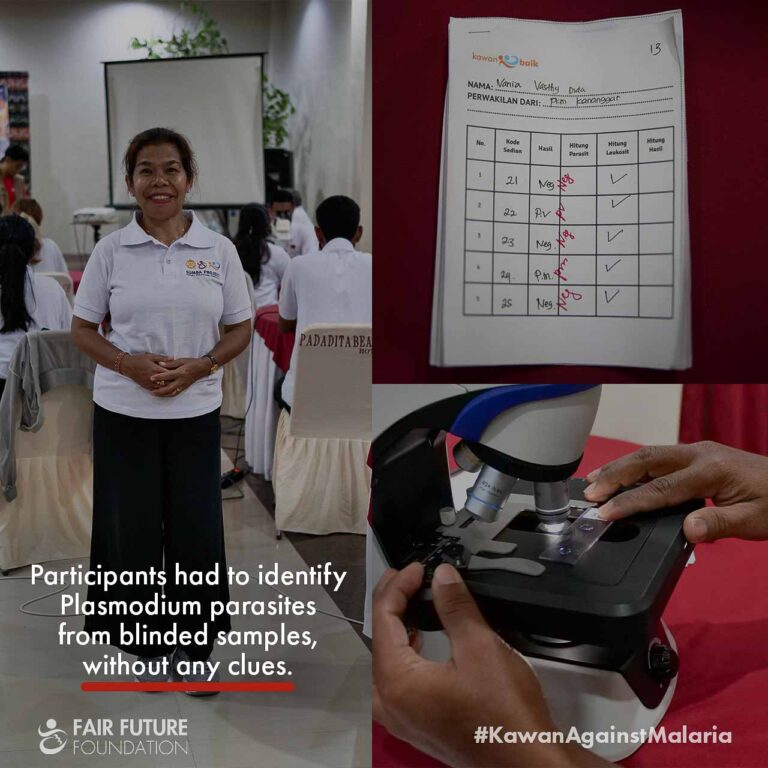
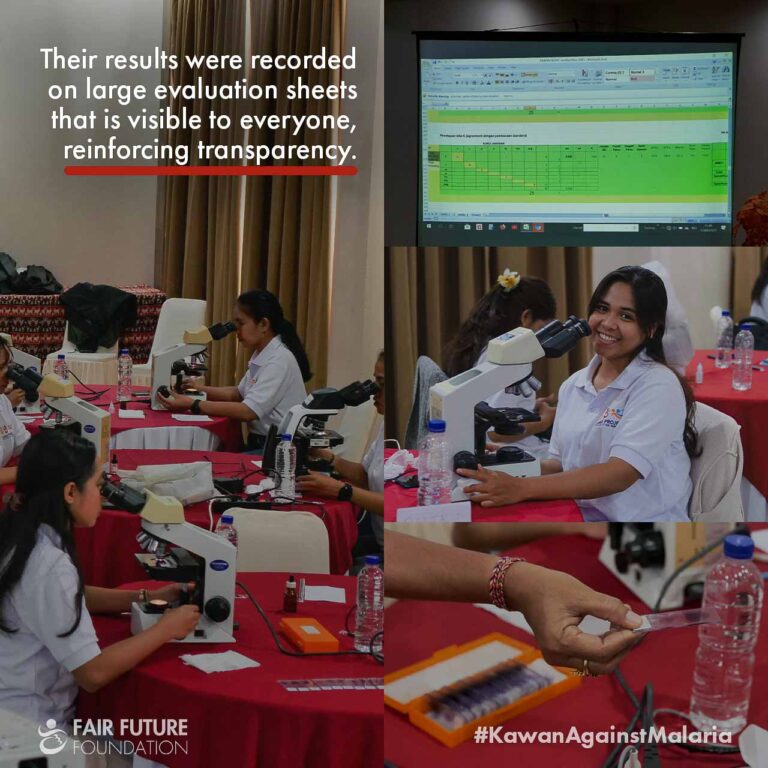
Under strict supervision, analysts prepared thick and thin blood smears, applied staining protocols, and examined blinded samples to identify Plasmodium parasites and assess parasite density. Results were recorded transparently, reinforcing laboratory discipline and accountability. Trainers from Kupang worked alongside medical staff from Fair Future Foundation, supported by Kawan Baik Indonesia’s field teams, to correct techniques and ensure each participant met national diagnostic standards.
Beyond technical accuracy, the training emphasised clinical consequences. A misread slide can delay treatment, increase transmission, or cost a child’s life. By midday, official scoring validated each participant’s competence against government laboratory criteria. Local health authorities joined the closing session, formally recognising the role of accurate diagnostics in controlling malaria in endemic villages.
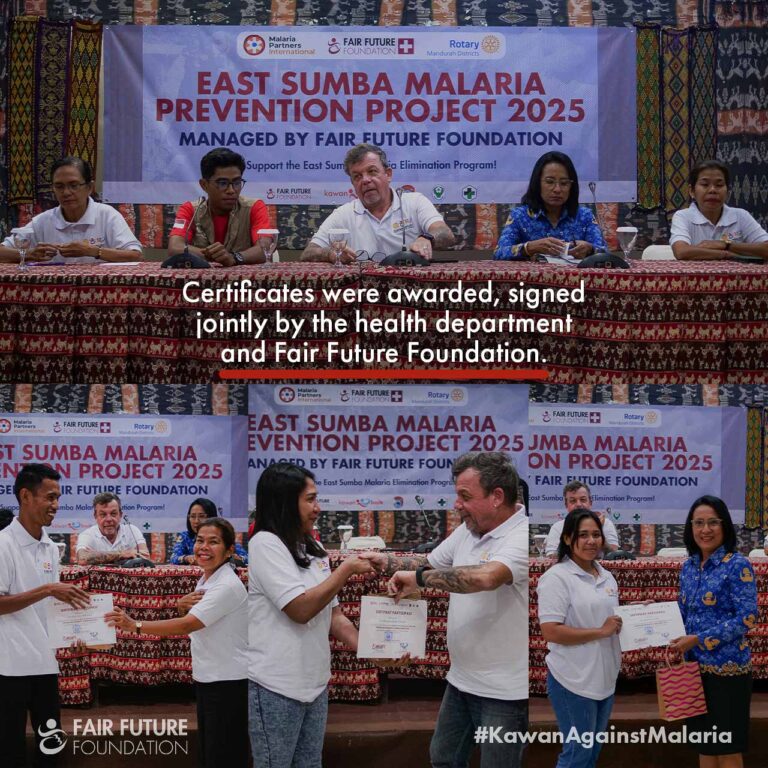
Certificates were awarded and co-signed by Fair Future Foundation and the East Sumba health department. These documents confirm more than attendance. They certify the ability to diagnose malaria reliably, reduce complications, and protect vulnerable populations using science, discipline, and field-based medical expertise.
Alex Wettstein – Fair Future Foundation medico-social camp in East Sumba – Rumah Kambera, Lambanapu – the 28th of January 2025