


Malaria Prevention Waimarang in Action
Testing, education and protection in remote villages
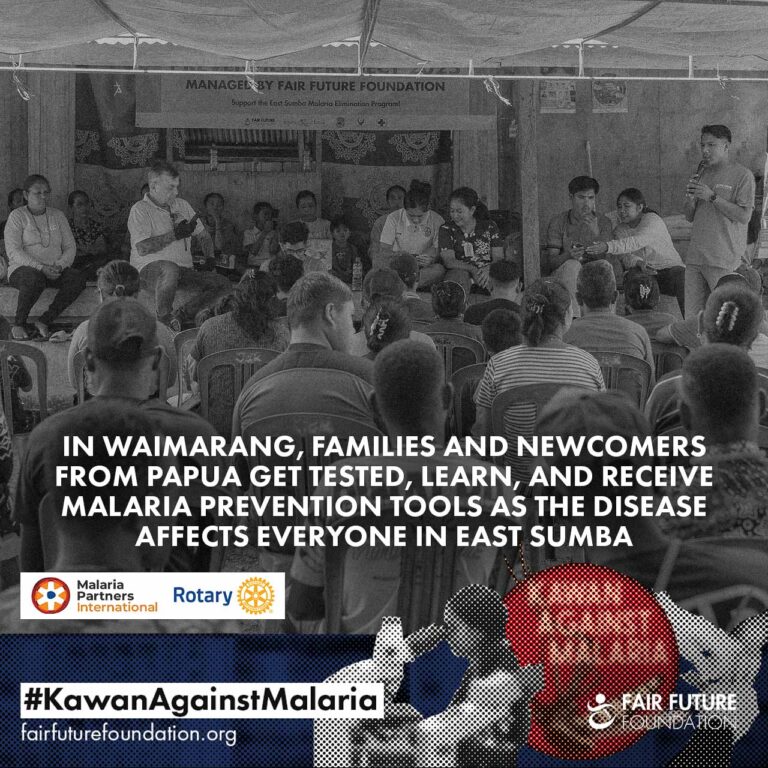
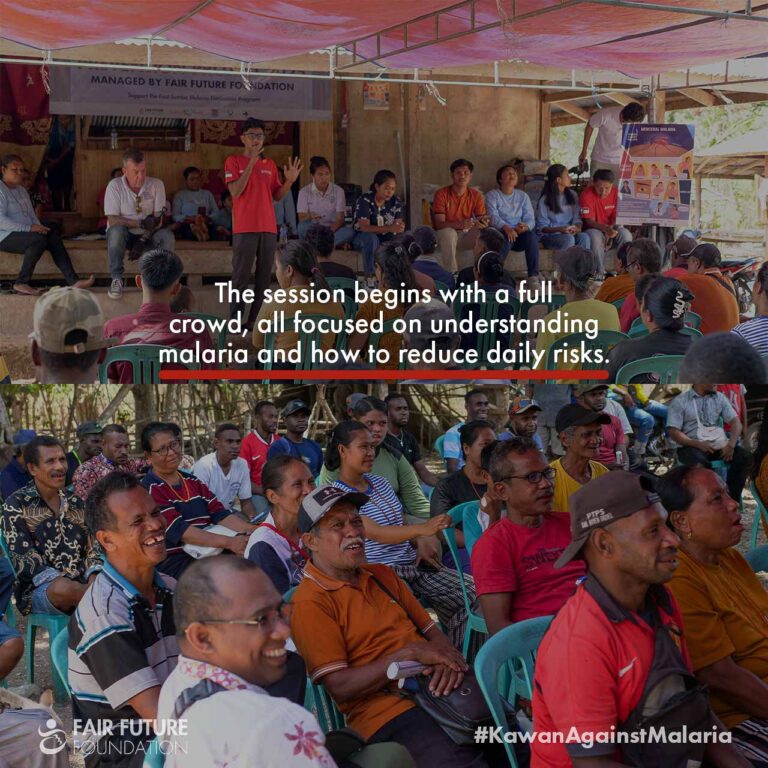
Malaria prevention Waimarang begins with listening to families living far from roads and clinics. In this remote area of East Sumba, stagnant water and long distances increase exposure to mosquitoes. Our medical teams respond with rapid testing, education and concrete protection tools to reduce silent transmission.
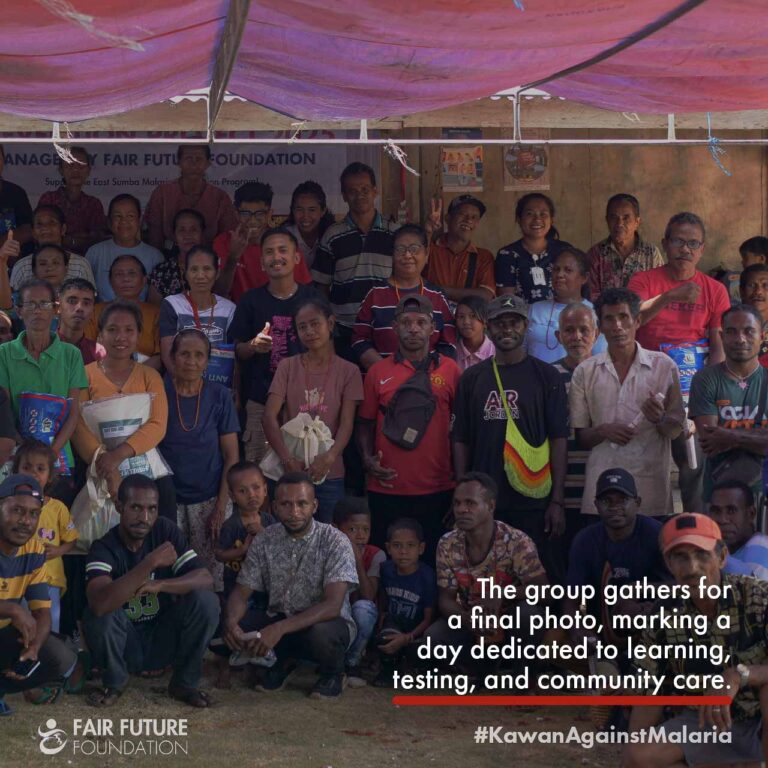
In Waimarang, families welcomed us into their homes. Many had travelled from nearby areas, including Papua New Guinea communities settled here. The risk of malaria remains constant. Stagnant water, tropical heat and limited healthcare access create ideal conditions for Anopheles mosquitoes to thrive. Malaria prevention Waimarang therefore requires more than treatment. It requires early detection and community awareness.
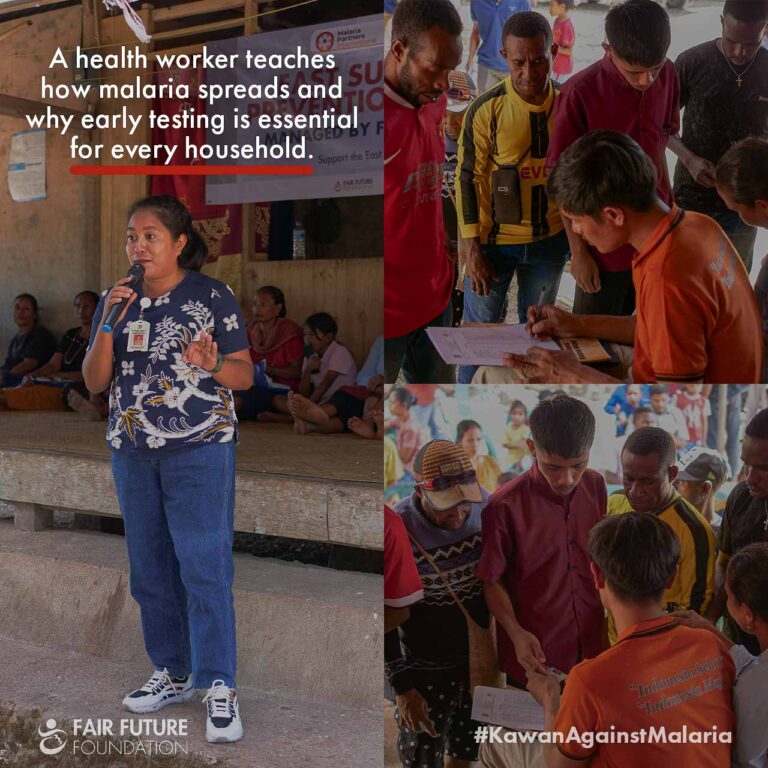
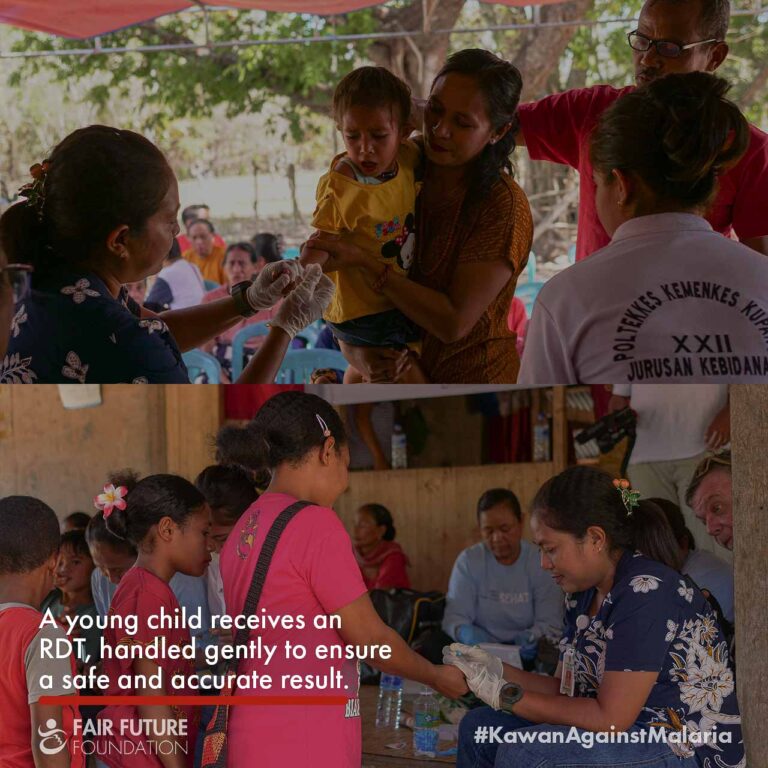
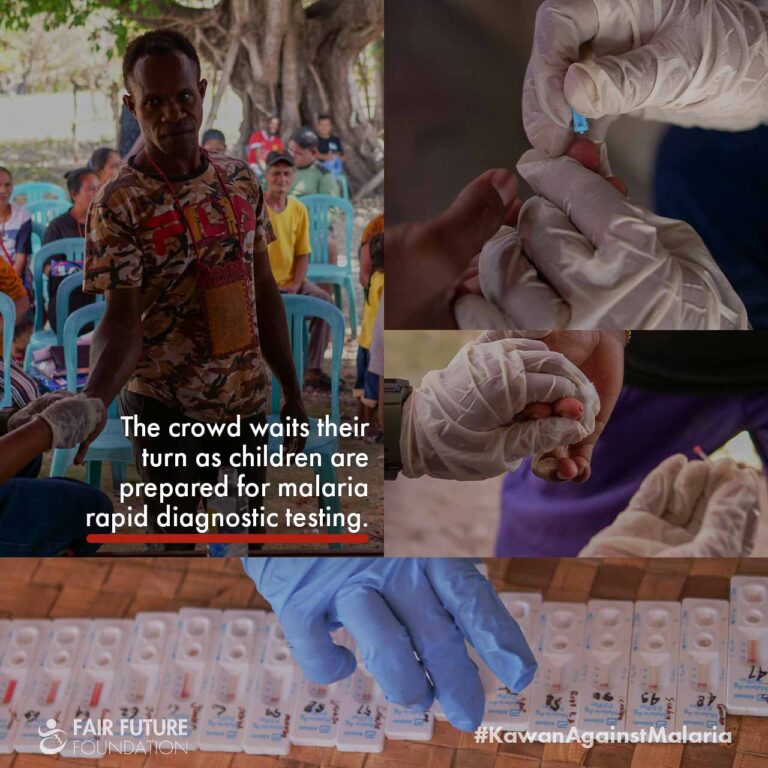
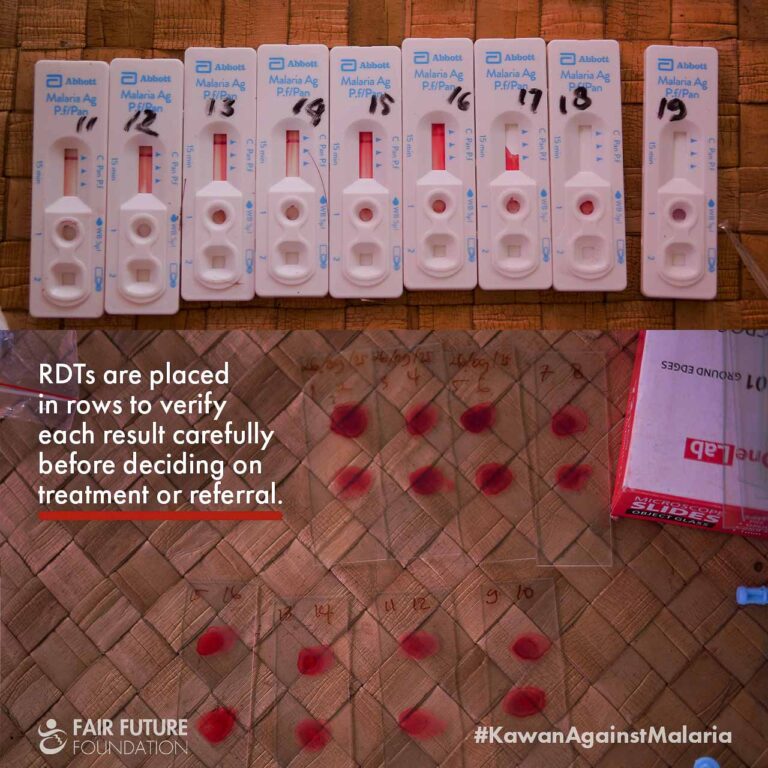
Using rapid diagnostic tests, we screened both children and adults. Several positive cases were identified the same day. Immediate treatment was initiated, reducing the risk of severe complications such as anaemia or cerebral malaria. Early diagnosis remains one of the most effective strategies for malaria control, especially in rural Indonesia, where access to laboratories is rare.
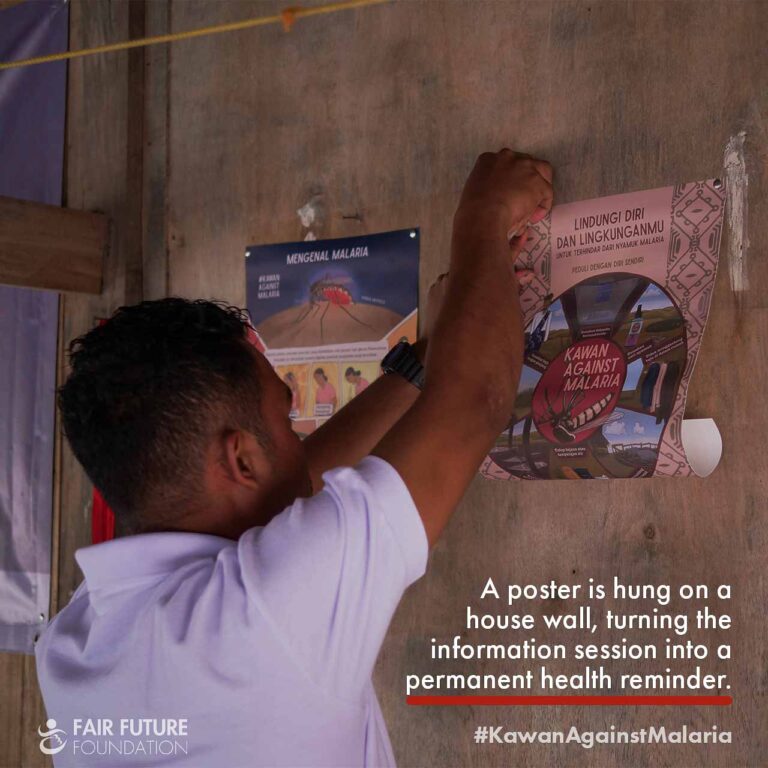
Education is equally critical. Each household received two illustrated posters explaining symptoms, mosquito behaviour and practical prevention steps. These materials transform homes into small learning centres. When families recognise early fever patterns and understand that peak mosquito activity occurs at night, they act faster.
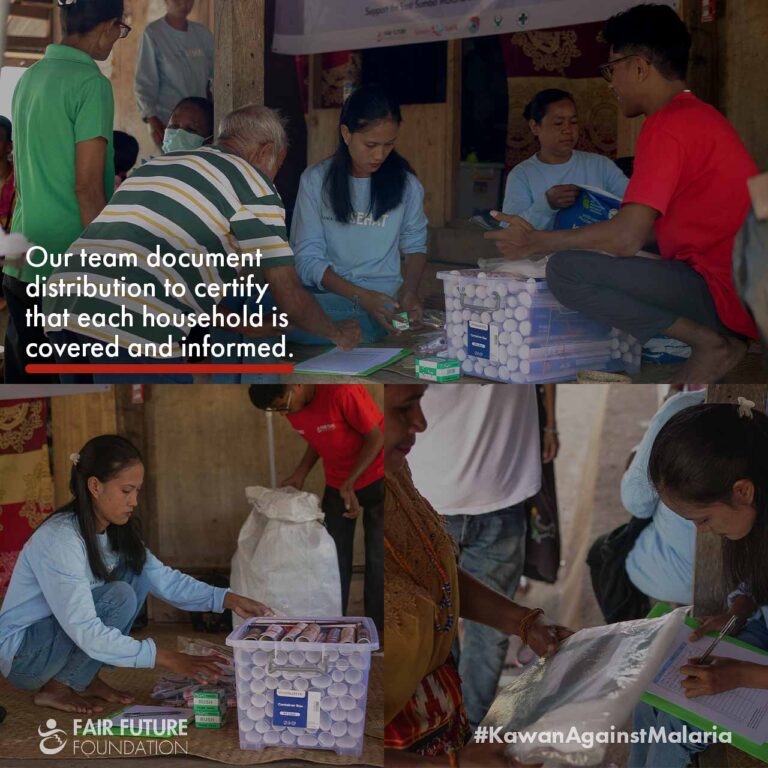
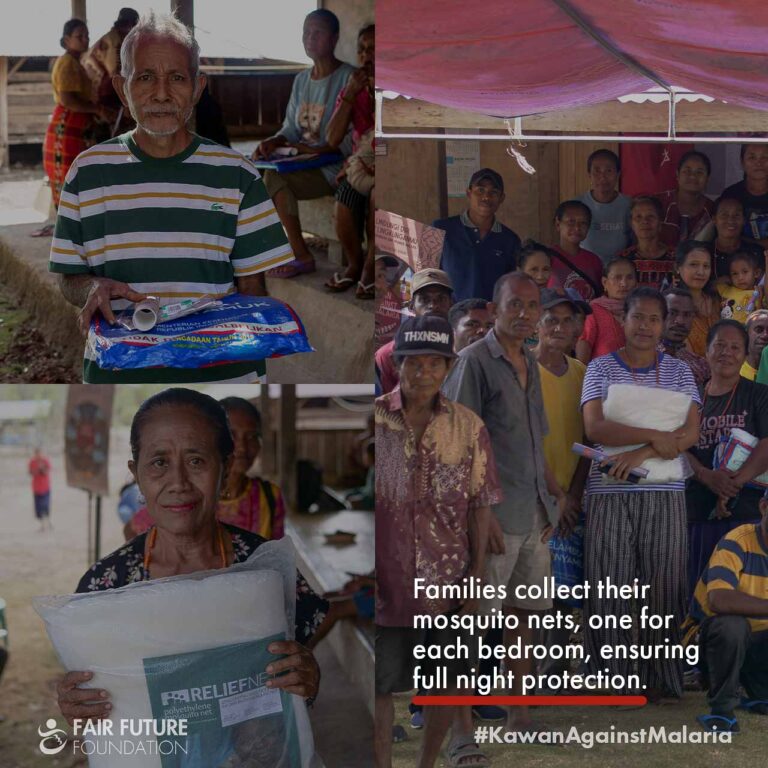
To reinforce malaria prevention Waimarang, we distributed mosquito nets, one per bedroom. Proper coverage during peak biting hours significantly lowers transmission rates. Combined with awareness and testing, this layered strategy strengthens community protection across East Sumba.
Alex Wettstein – Fair Future Foundation medico-social camp in East Sumba – Rumah Kambera, Lambanapu – the 21st of February 2025