


Malaria Education in Praiwangga Village
Science and prevention in a remote shelter
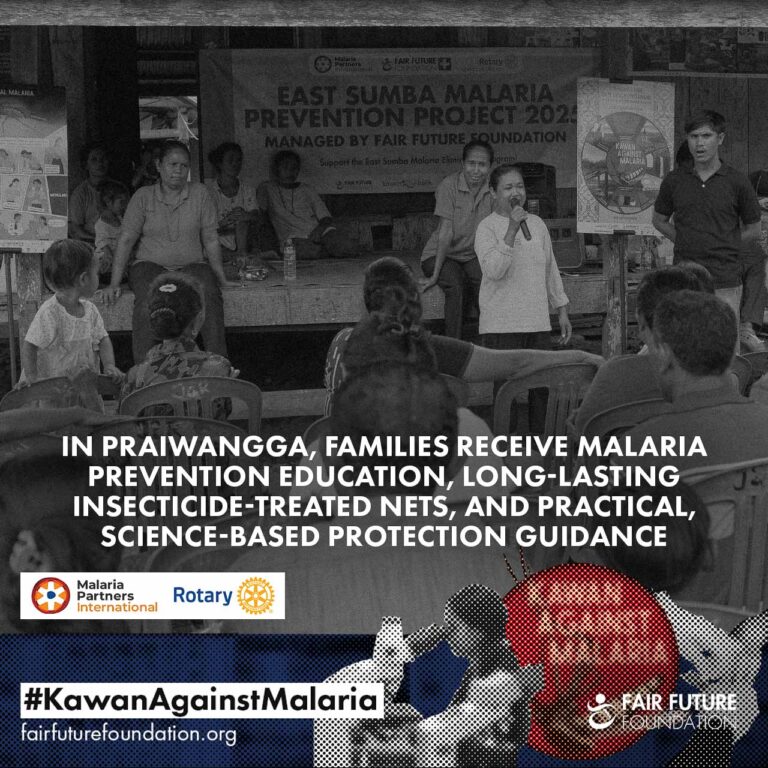
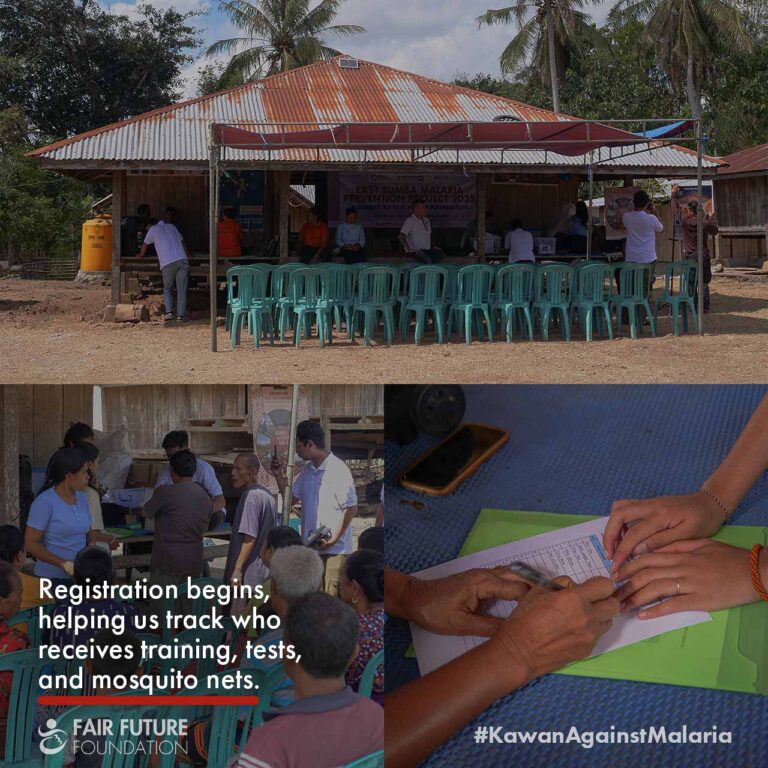
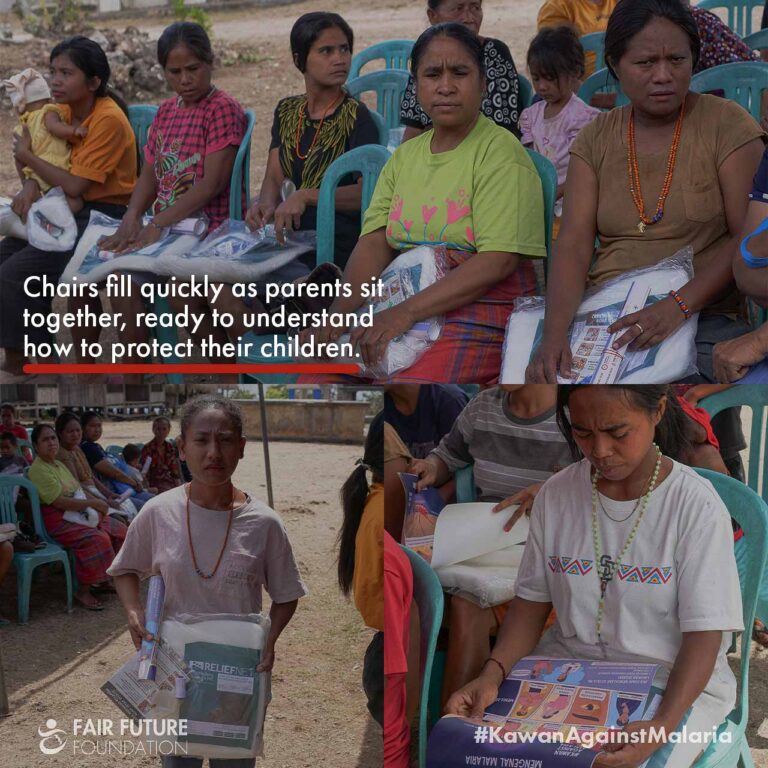
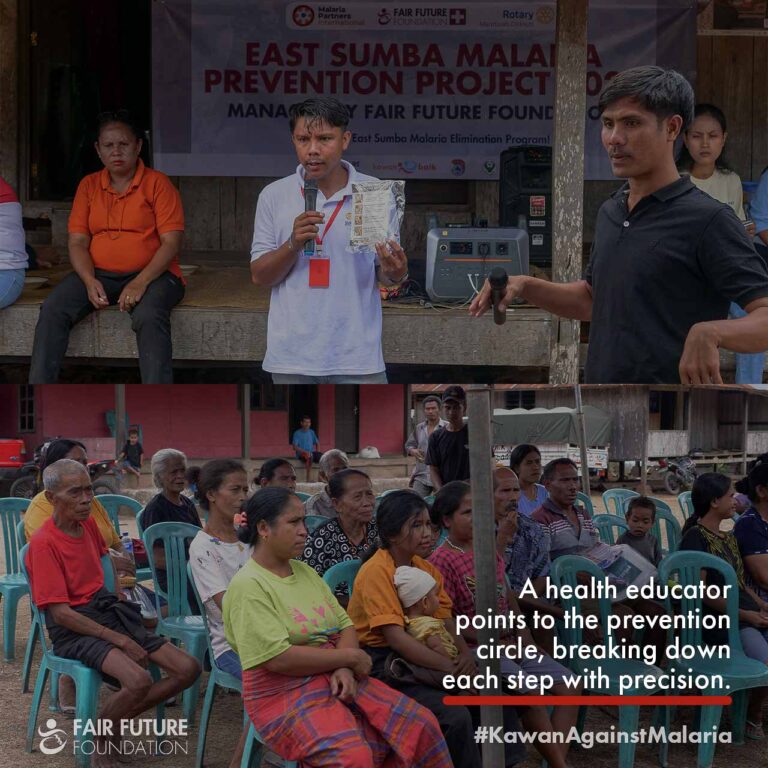
Malaria education in Praiwangga is not a theory. It is a necessity. In a village without electricity or water systems, prevention is the first and strongest line of defence. Families gathered under a wooden shelter to understand how malaria spreads and how simple tools can interrupt transmission. Knowledge here can mean survival.
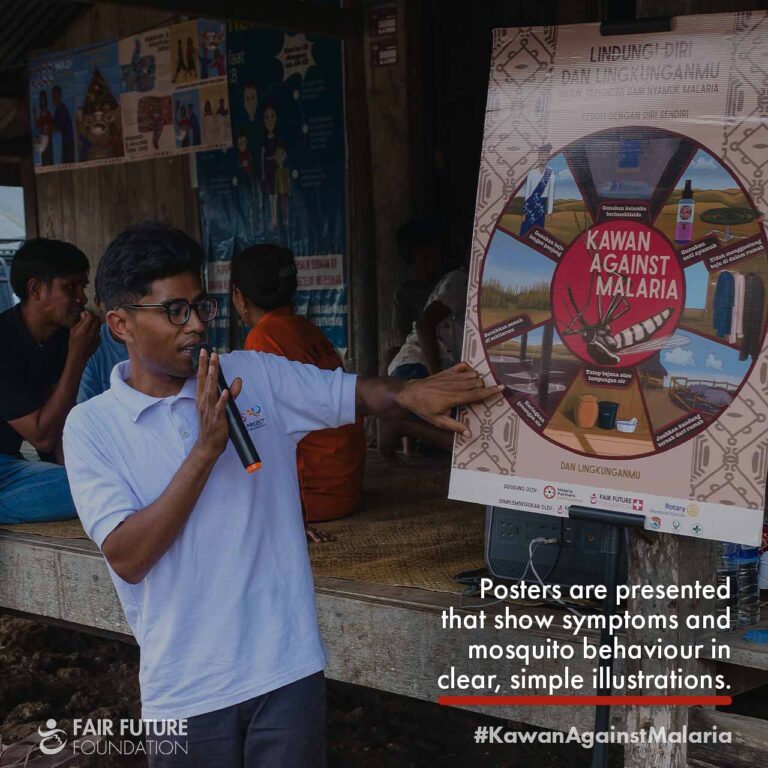
Praiwangga is hours from advanced medical care. When fever appears, time matters. Malaria, caused by Plasmodium parasites and transmitted by Anopheles mosquitoes, can evolve rapidly without treatment. During this session, we explained the mosquito lifecycle, peak biting hours, and why early symptoms must never be ignored. Posters translated complex parasitology into everyday language.
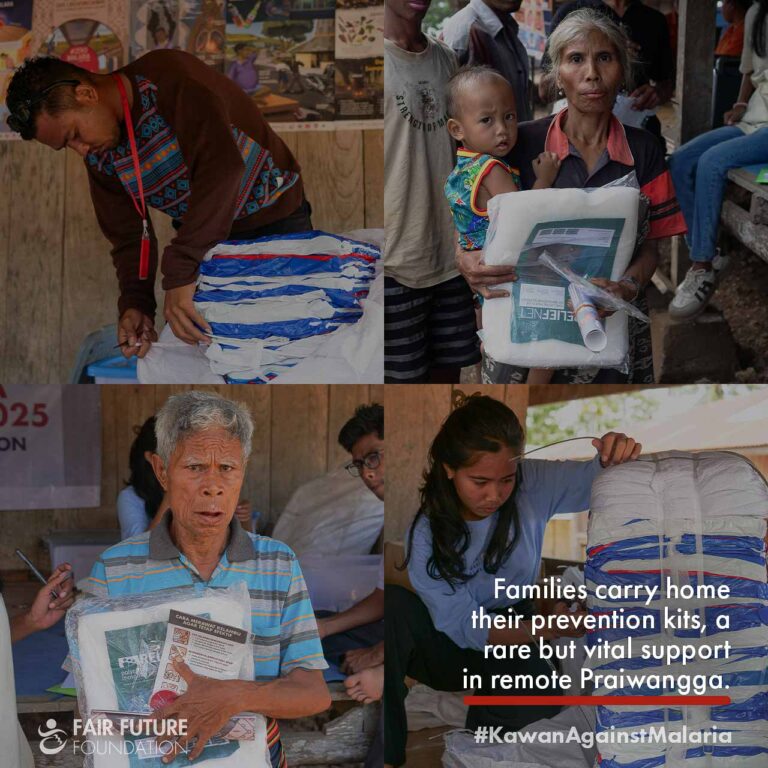
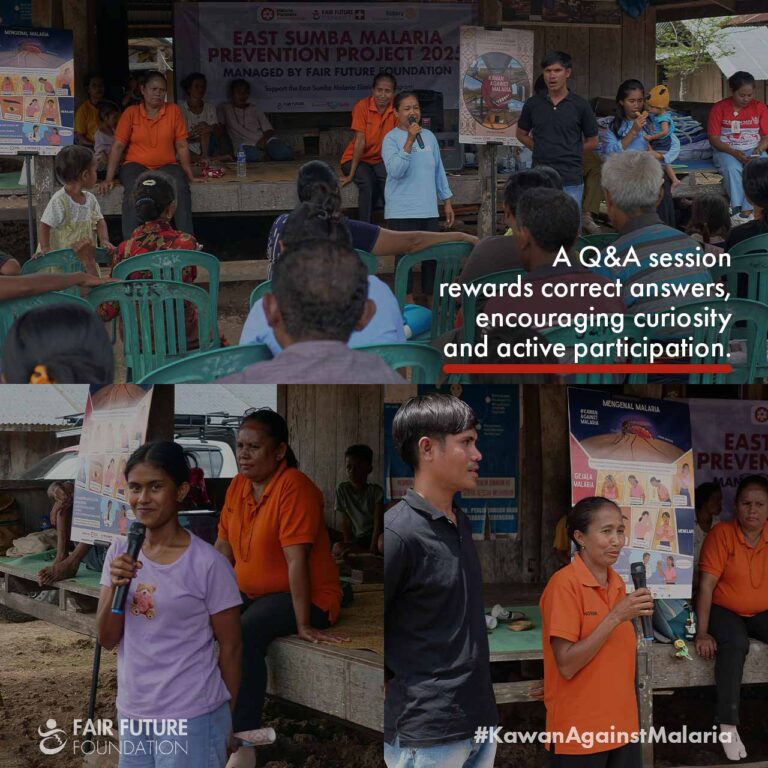
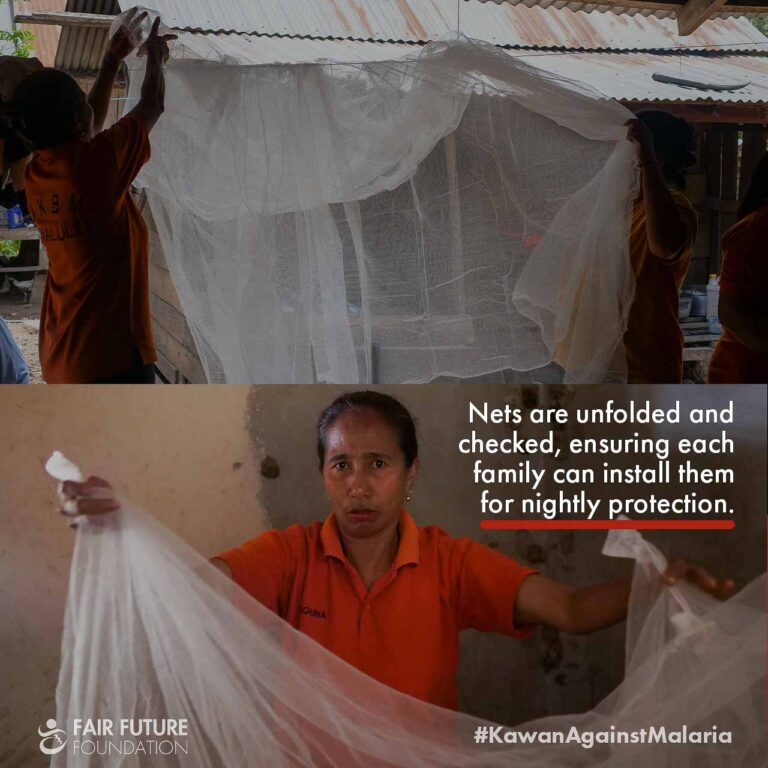
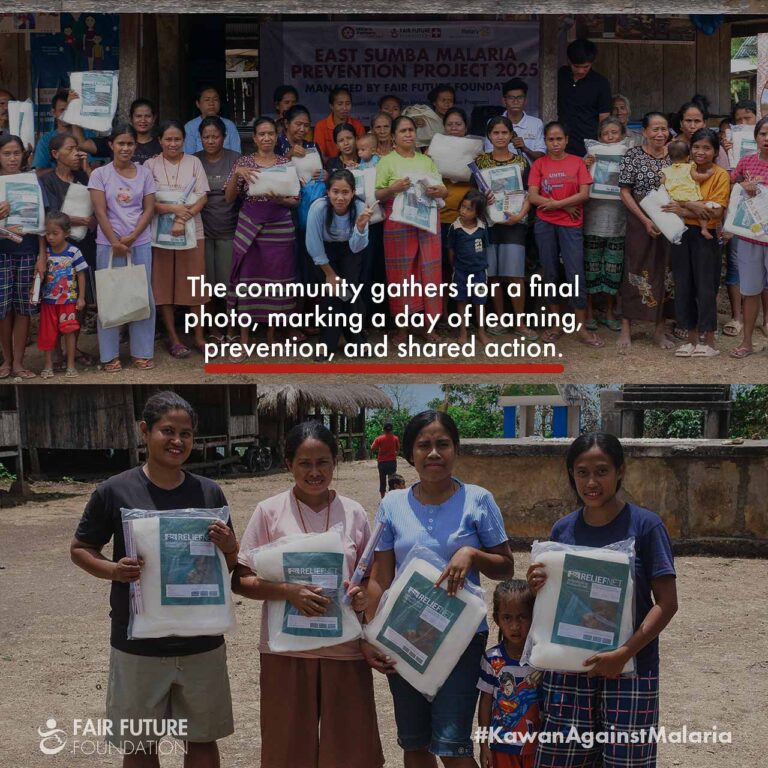
Role-play exercises helped families identify symptoms such as fever, chills, and weakness. We demonstrated how long-lasting insecticide-treated nets work, not as decoration but as a scientific barrier. Each household received nets adapted for bamboo homes, where mosquitoes can easily enter. Installation guidance was precise. Nets must be tucked properly, repaired if torn, and used every night.
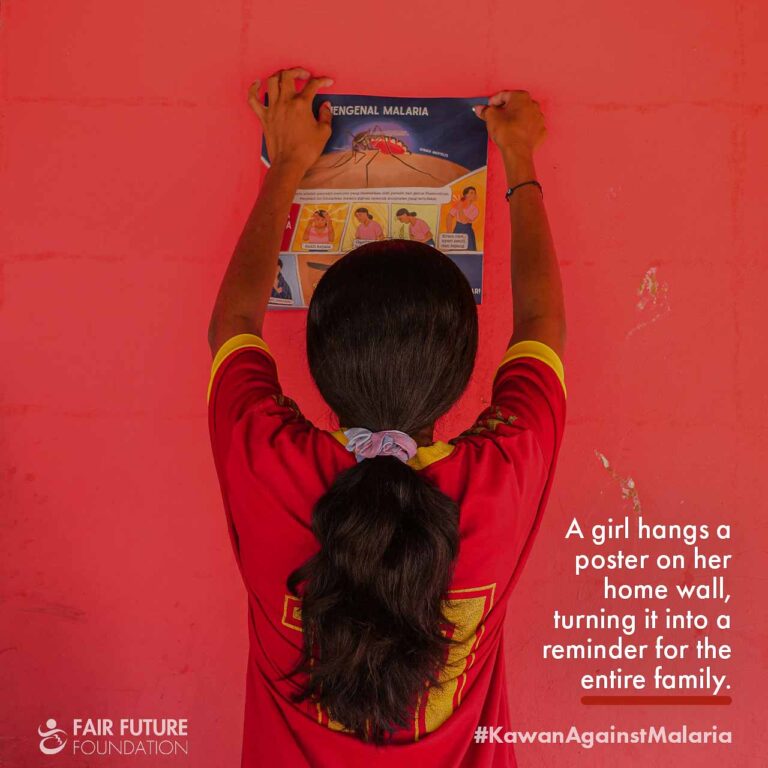
This approach, led by Fair Future Foundation in partnership with Kawan Baik Indonesia under the Kawan Against Malaria programme, combines 16 years of Swiss humanitarian expertise with local partnerships. Every poster placed inside a house transforms that space into a small prevention unit. Awareness is reinforced daily, not just during one visit.
Alex Wettstein – Fair Future Foundation medico-social camp in East Sumba – Rumah Kambera, Lambanapu – the 21st of February 2025