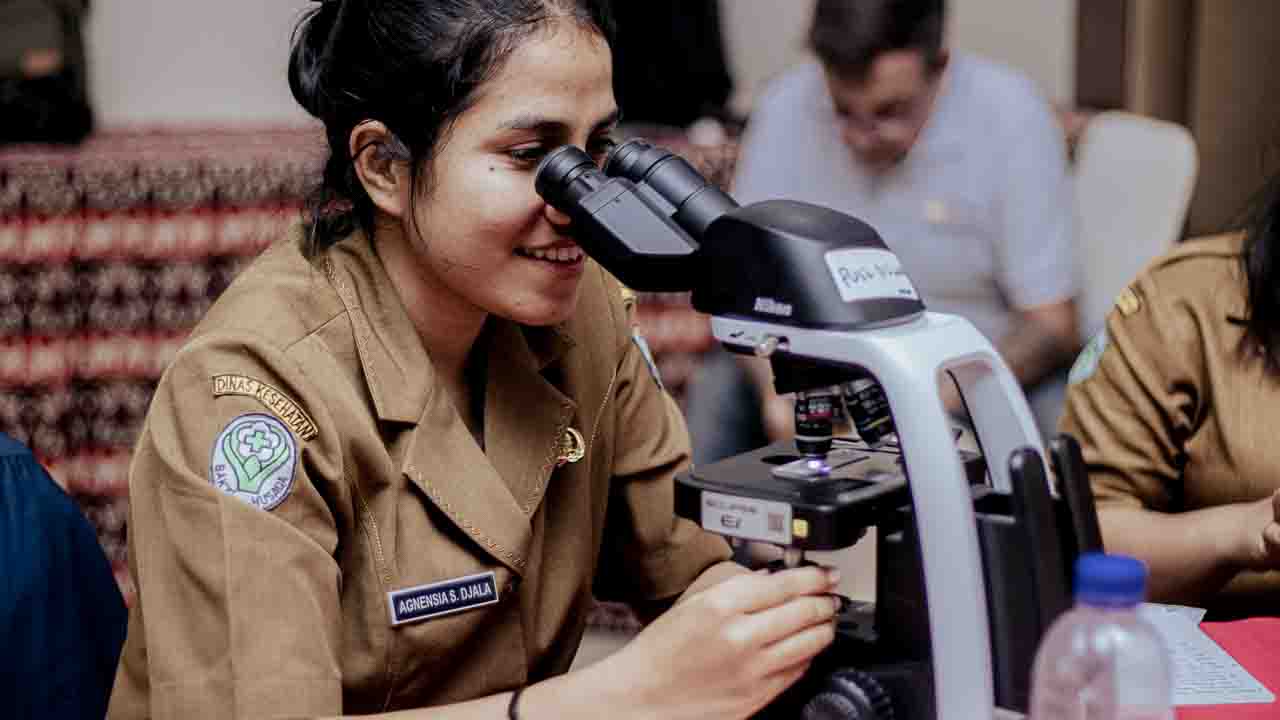



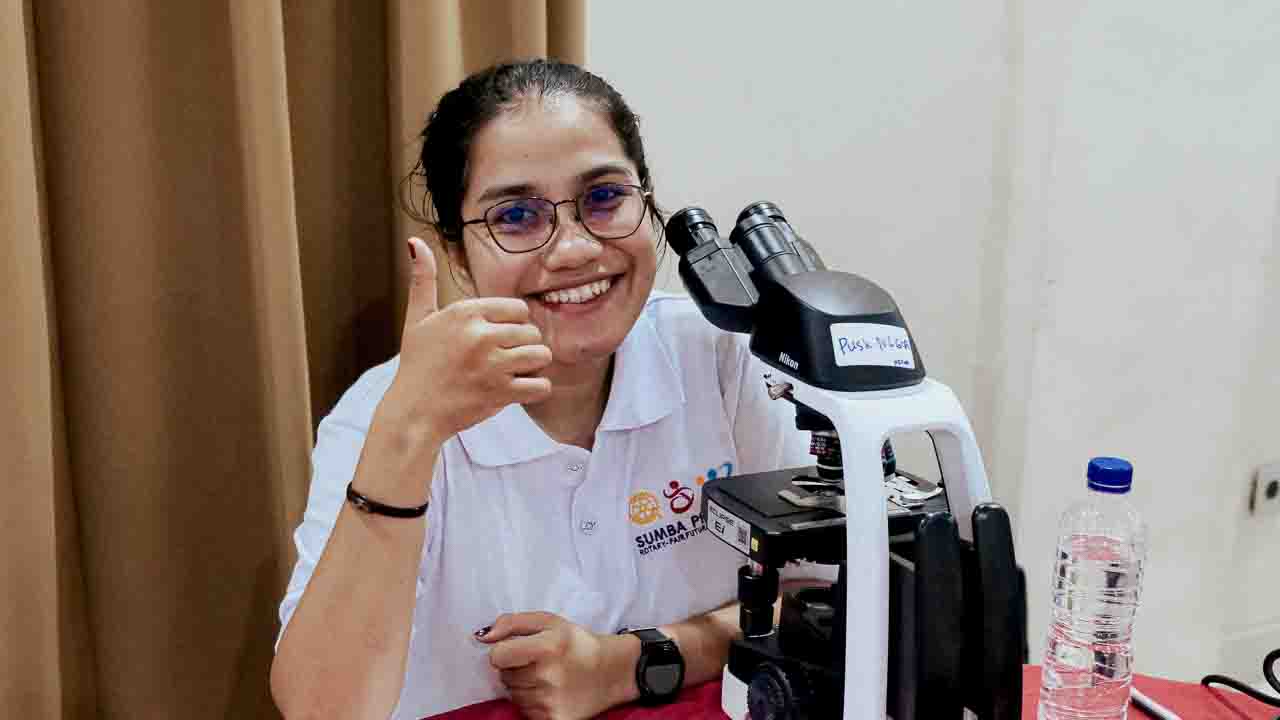
The first day of malaria microscopy training focused on slide preparation, microscope handling, and diagnostic accuracy in a low-resource laboratory setting.
Laying the Foundations for Accurate Diagnosis
Malaria remains a major challenge to global public health, with 282 million cases and 610,000 deaths projected for 2025, requiring accurate diagnostic techniques to effectively combat its spread.
Day One – Emphasising Diagnostic Fundamentals: Malaria microscopy training begins long before treatment is possible. On day one, Fair Future and Kawan Baik Indonesia focused on the fundamentals of accurate diagnosis, safe blood handling, and slide preparation. In remote regions such as East Sumba, diagnostic precision determines whether patients receive care or are missed entirely.
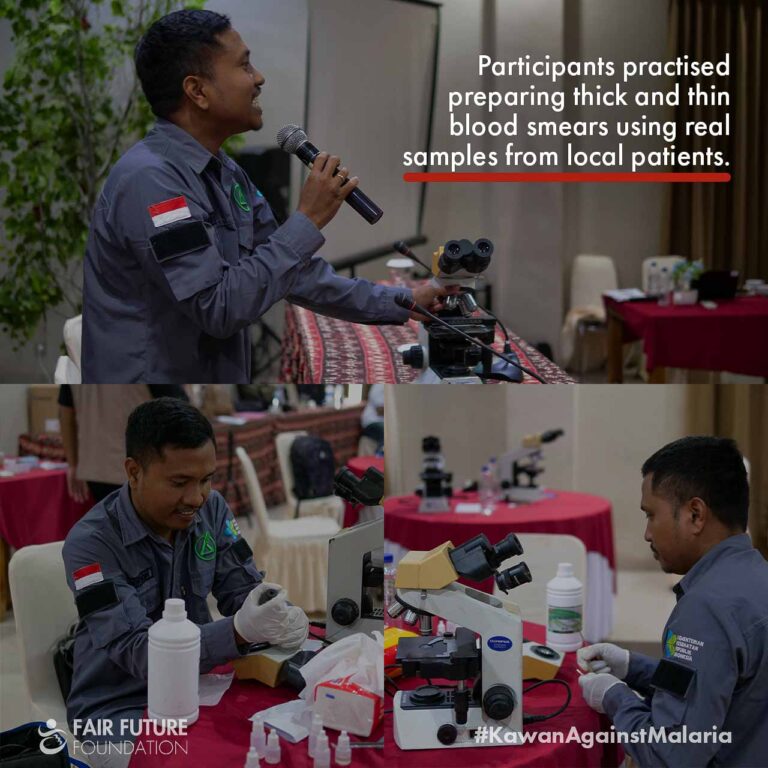
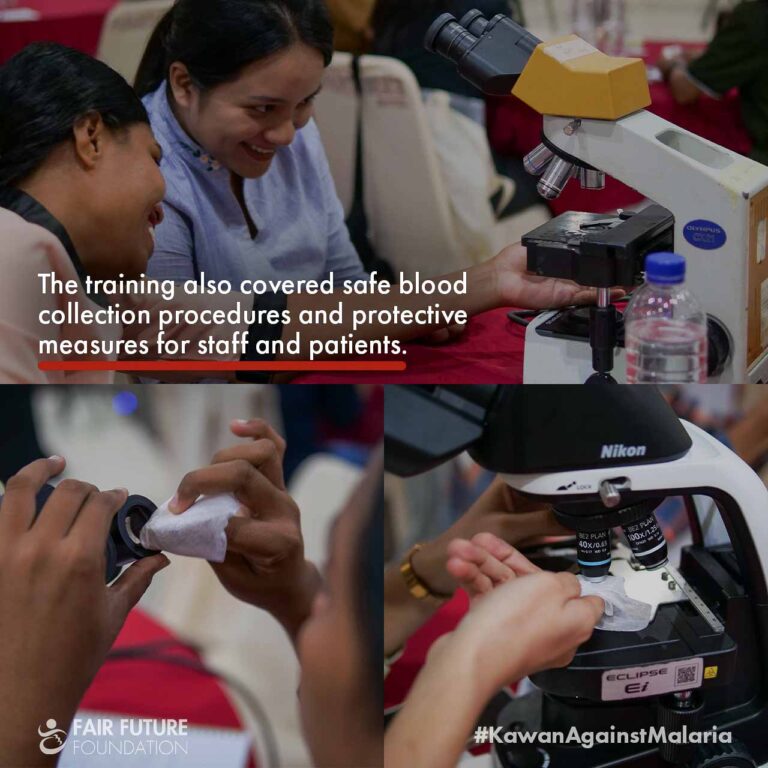
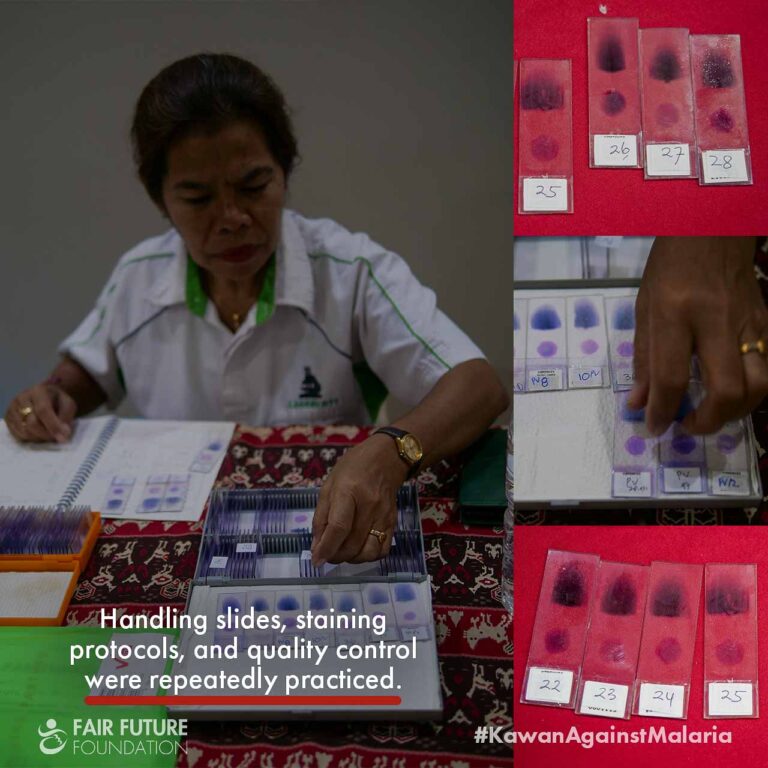
Day one of training emphasises foundations that are often underestimated but decisive. Participants reviewed biosafety principles, finger-prick techniques, contamination prevention, and the preparation of high-quality thick and thin blood smears. Each step was repeated, corrected, and standardised to reduce diagnostic variability between laboratories.
Microscope handling, staining protocols, and basic quality control were addressed before any parasite identification. According to the Centres for Disease Control and Prevention (CDC), the accuracy of these preparatory steps is crucial, as misdiagnosis of malaria can lead to ineffective treatment and increased mortality (CDC, 2022). The objective is clear. Without consistent preparation and reading conditions, microscopy becomes unreliable. This first day establishes a common technical language among microscopists working in isolated facilities with extremely limited resources.
This approach reflects a field reality. In places far from hospitals, laboratories are often the sole barrier to diagnosing malaria and preventing progression to untreated illness.
Today, the 27th of January 2026 – Alex Wettstein
In Short | Where diagnosis truly begins
The first day of training is often the most decisive. Before parasites are identified, habits are corrected, standards aligned, and safety reinforced. This silent groundwork defines whether laboratories will detect malaria reliably long after trainers have left.
Malaria microscopy training day one
Malaria microscopy training in East Sumba
Building diagnostic accuracy in remote laboratories
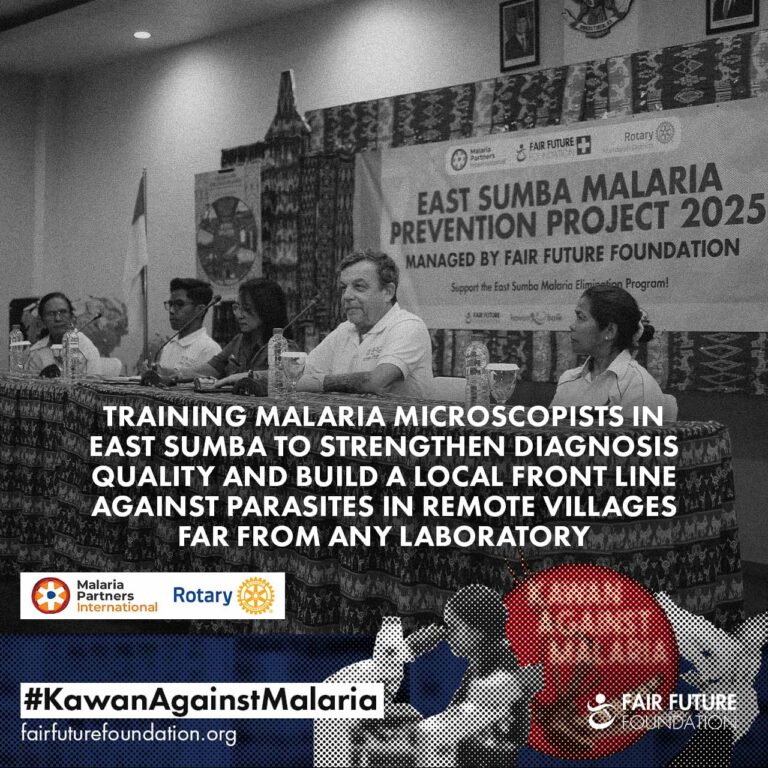
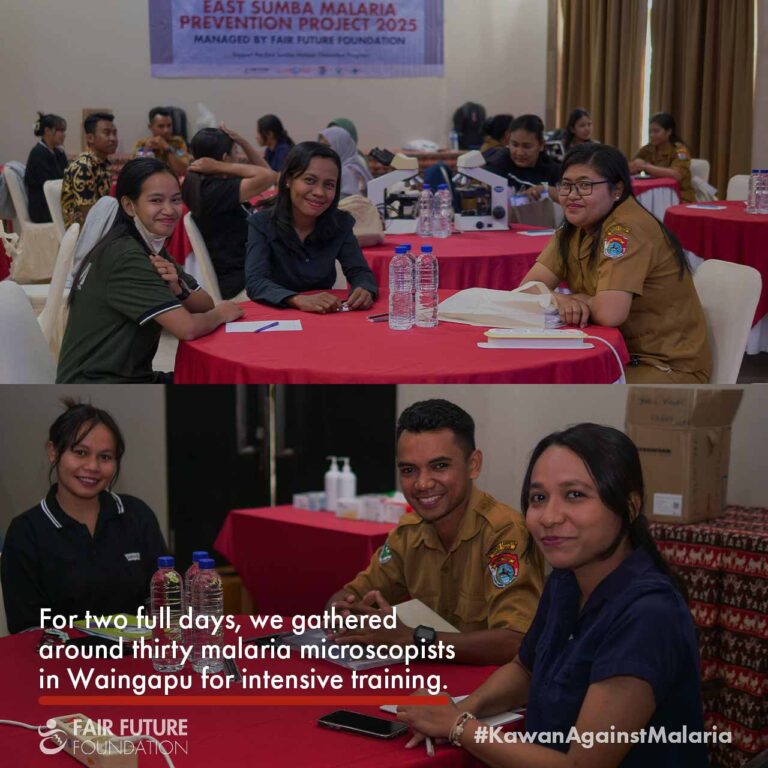
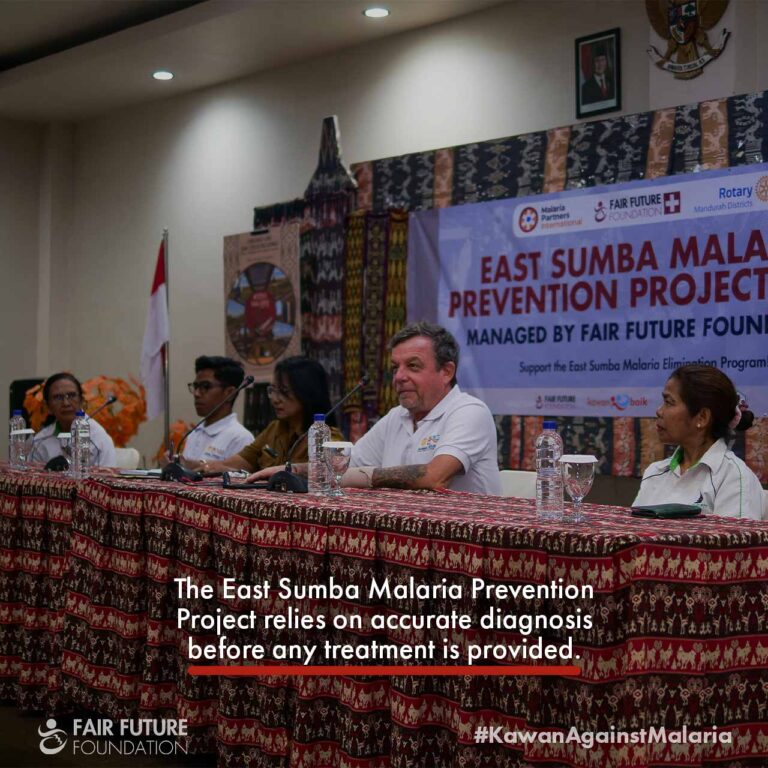
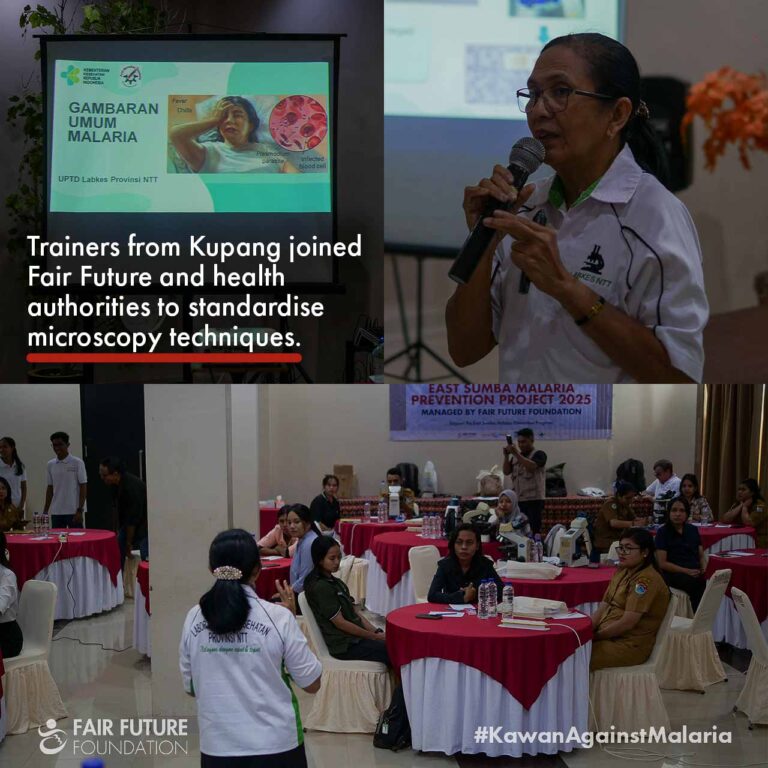
In Waingapu, East Sumba, Fair Future teams and Kawan Baik Indonesia field teams brought together nearly thirty malaria microscopists for two days of intensive, hands-on training focused on a single priority: accuracy. In ultra-rural settings, malaria diagnosis is the gatekeeper to survival. Treatment without certainty risks failure. Missed parasites mean untreated children.
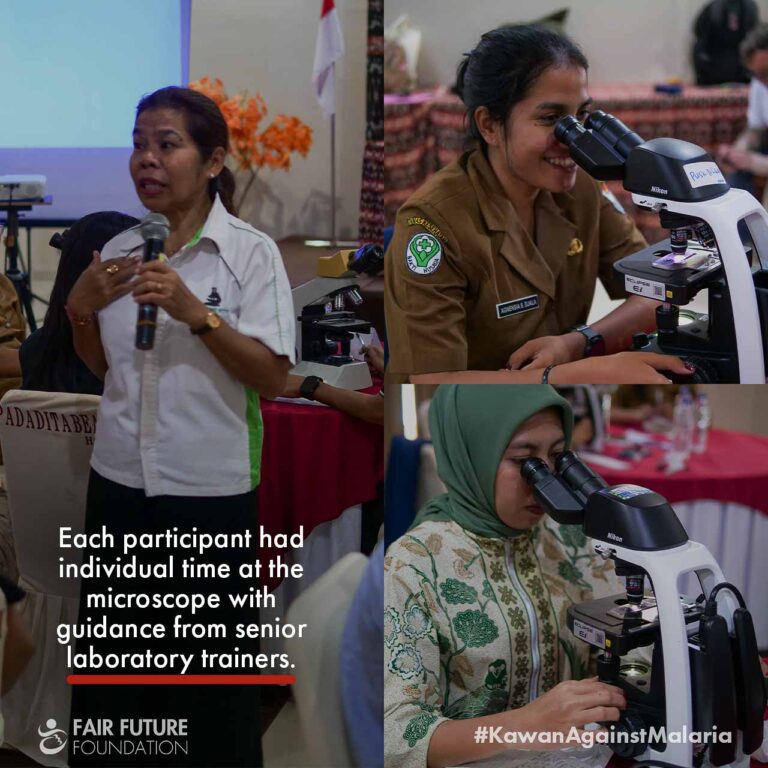
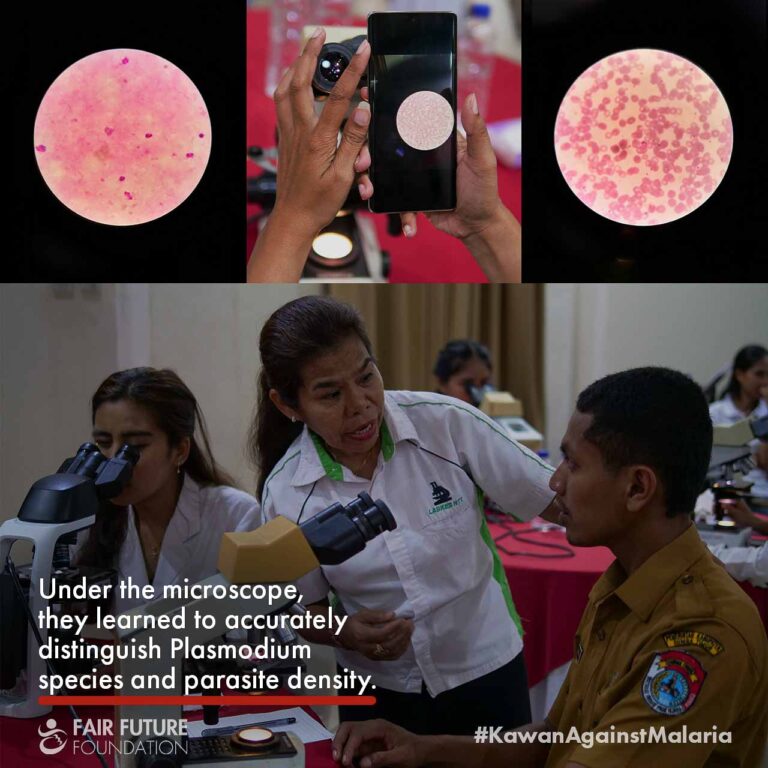
The training covered every technical step, from safe capillary blood collection to slide preparation, staining protocols, microscope calibration, and quality control. Thick and thin smears were prepared repeatedly using real patient samples from the region. Participants learned to identify Plasmodium species, assess parasite density, and recognise artefacts that lead to false negatives. Each microscopist received individual microscope time under the supervision of senior laboratory trainers from Kupang, working alongside Fair Future Foundation medical staff.
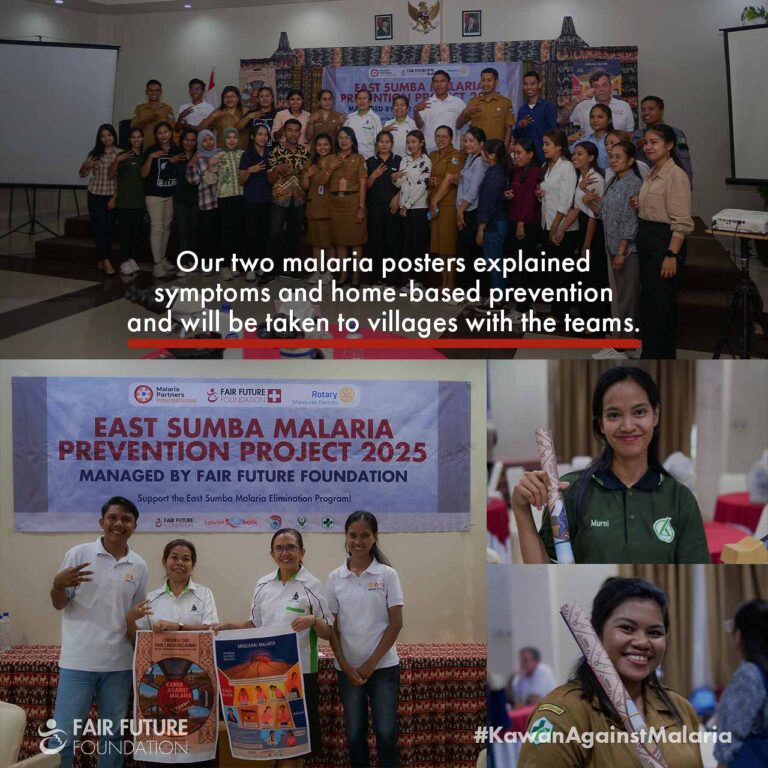
Rapid diagnostic tests were discussed alongside microscopy to clarify their respective roles in remote care. Biosafety was reinforced at every station, protecting both staff and patients. Fabric malaria posters developed by Fair Future were used as educational tools and will return to villages where medical information is scarce.
The course concluded with blinded slide readings and a collective review of results. This work strengthens a local diagnostic frontline and anchors malaria control in science, precision, and field reality.
Alex Wettstein – Fair Future Foundation medico-social camp in East Sumba – Rumah Kambera, Lambanapu – the 27th of January 2025


List of Related Organisations with Hyperlinks
- Malaria Partners International: Their mission is to launch an international Rotarian campaign to eradicate malaria.
- WHO Global Malaria Programme: Coordinates international strategies for malaria diagnosis and control.
- UNICEF Health Programmes: Supports child health and infectious disease prevention worldwide.
- Médecins Sans Frontières: Provides medical care and laboratory diagnostics in crisis settings.
- FIND Diagnostics: Develops diagnostic solutions for infectious diseases in low-resource contexts.
- PATH Malaria Program: Advances malaria diagnostics and laboratory capacity globally.
- Roll Back Malaria Partnership: Global coordination platform for malaria control efforts.