

Malaria continues to pose a daily threat in this area. Through Kawan Against Malaria, we monitor cases, test all fevers, protect homes, and educate families. The use of bed nets, spraying, and prompt treatment turns statistical data into lives that endure quietly, rather than ending prematurely.
Donate
Support Care
Programs
All projects
Quick News
Field updates
Stories
Field stories
Working Principles in Humanitarian Care | Fair Future
Fair Future Foundation provides impartial humanitarian aid through programs like #WaterConnections and #PrimaryMedicalCare, ensuring access to healthcare, clean water, and education in ultra-rural areas. Join us in creating sustainable solutions today!
Humanitarian Working Principles in Practice
Medical ethics applied in real field conditions
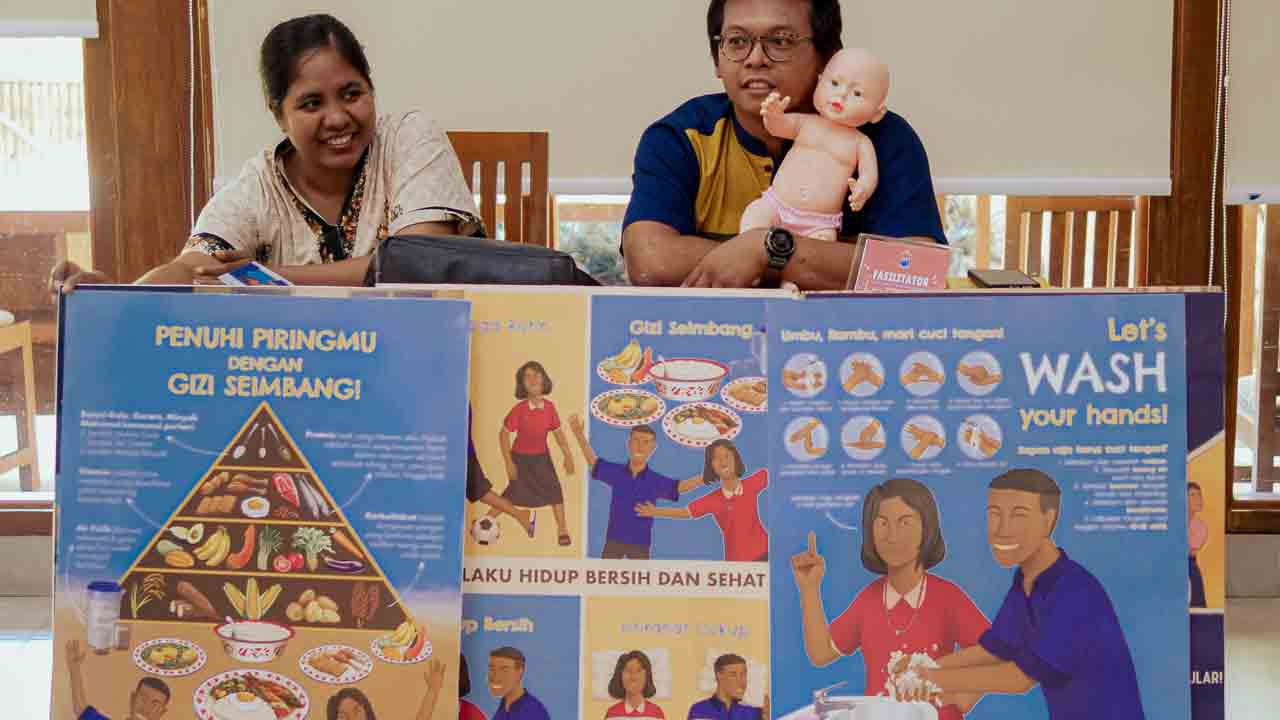
Rural health agents refresh skills in Waingapu to treat and educate isolated communities
How medical ethics, proximity, and responsibility guide humanitarian action in ultra-rural settings.
At Fair Future, our guiding principles are rooted in years of field experience, confronting the complexities of environments where infrastructure is inadequate, resources are limited, and mistakes can be fatal. These principles are not abstract concepts; they are concrete actions, refined through medical consultations conducted in precarious conditions, carefully designed water supply systems, and in-depth dialogues with community members who fully understand their situation.
We adhere to international public health standards, including community-based approaches recommended by health organisations, and adapt them to situations where essential services, such as electricity, roads, and health facilities, are lacking. Our guiding principles inform our strategic decisions, optimise resource allocation, and define the scope of our interventions.
These principles guarantee our independence, preserve our medical integrity, and strengthen trust within the communities we serve. This document is not a set of ideals but a description of our commitment in ultra-rural settings.
©Alex Wettstein – Fair Future Foundation, updated the 21st of January 2026/aw

Conducting malaria research in Umalulu to develop urgent health solutions for affected communities.
Working where reality happens
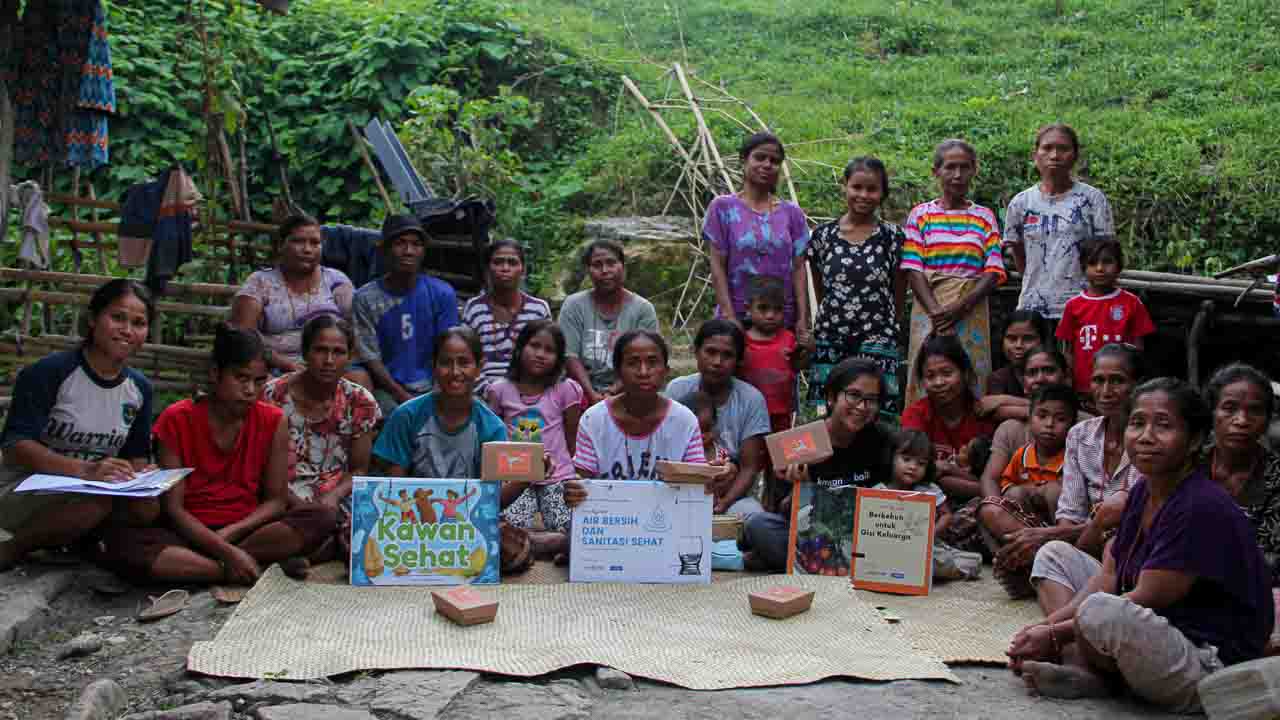
Our first working principle is proximity. We do not design programmes from afar and then subcontract their execution. We live where we work, sometimes for months at a time. This physical presence is not symbolic; it is operational. It enables us to understand health behaviours, environmental constraints, seasonal risks, and social dynamics that surveys alone cannot capture.
In medical work, proximity means early detection, follow-up, and continuity of care. It enables our health agents to recognise when a fever is routine and when it is dangerous, when a wound can heal locally and when referral is essential. In water and sanitation, proximity enables us to monitor usage, maintenance, and contamination risks over time.
This approach aligns with WHO recommendations on community-based care and task shifting, but it goes further by embedding responsibility on the ground. Proximity builds trust, and trust is the condition for effective prevention, adherence to treatment, and long-term impact. Without proximity, humanitarian work risks becoming episodic and fragile.
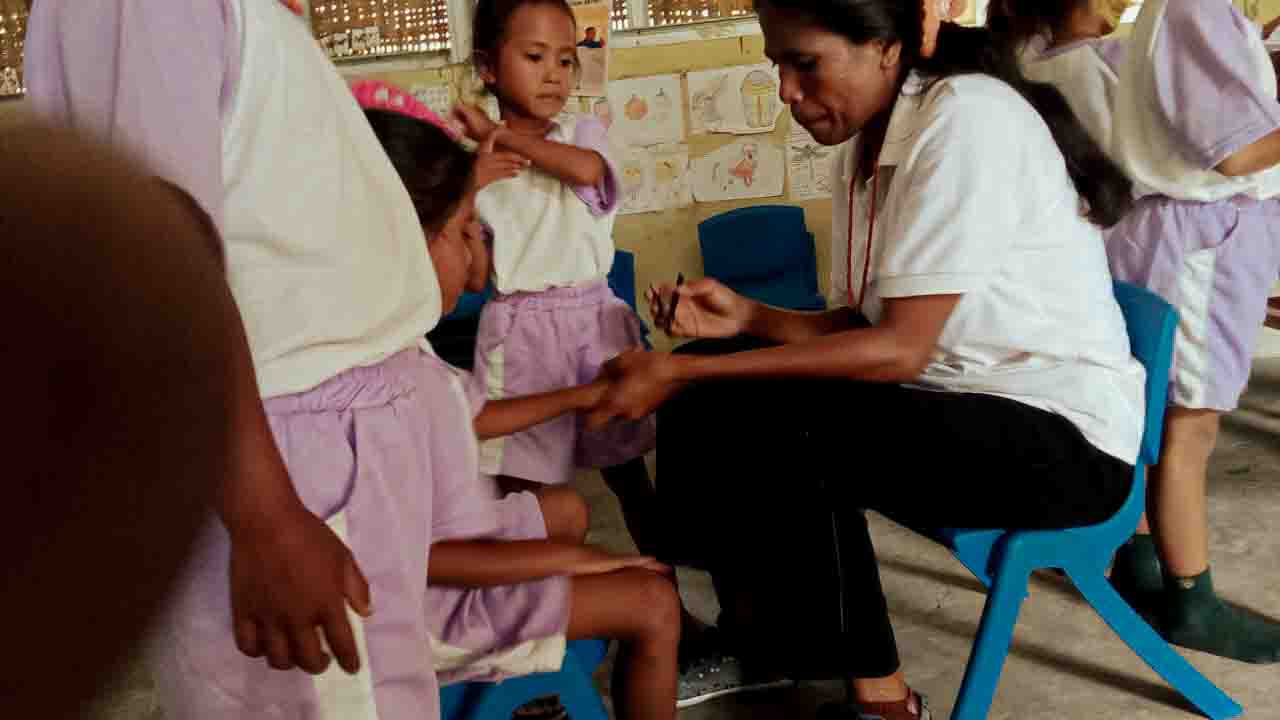
Daily medical cases are observed in ultra-rural communities where there is no access to healthcare, resulting in delays in diagnosis, treatment, and follow-up.
Free to act, free to refuse
Independence is a medical and ethical necessity. We do not align our actions with political, religious, or economic agendas. Our funding model is deliberately simple: private donors, foundations, and partners who accept that decisions are made in the field, based on medical need and feasibility, not visibility or narrative appeal.
This independence allows us to act quickly in emergencies and to say no when an intervention would be unsafe, unsustainable, or medically unsound. In humanitarian medicine, refusing an intervention can be as important as delivering one. Independence protects clinical judgement, prioritisation, and the dignity of patients, who are not reduced to numbers or images.
Operational independence also means transparency about constraints. We communicate clearly what we can do, what we cannot do, and why. This clarity is essential to maintain trust with communities and partners alike.
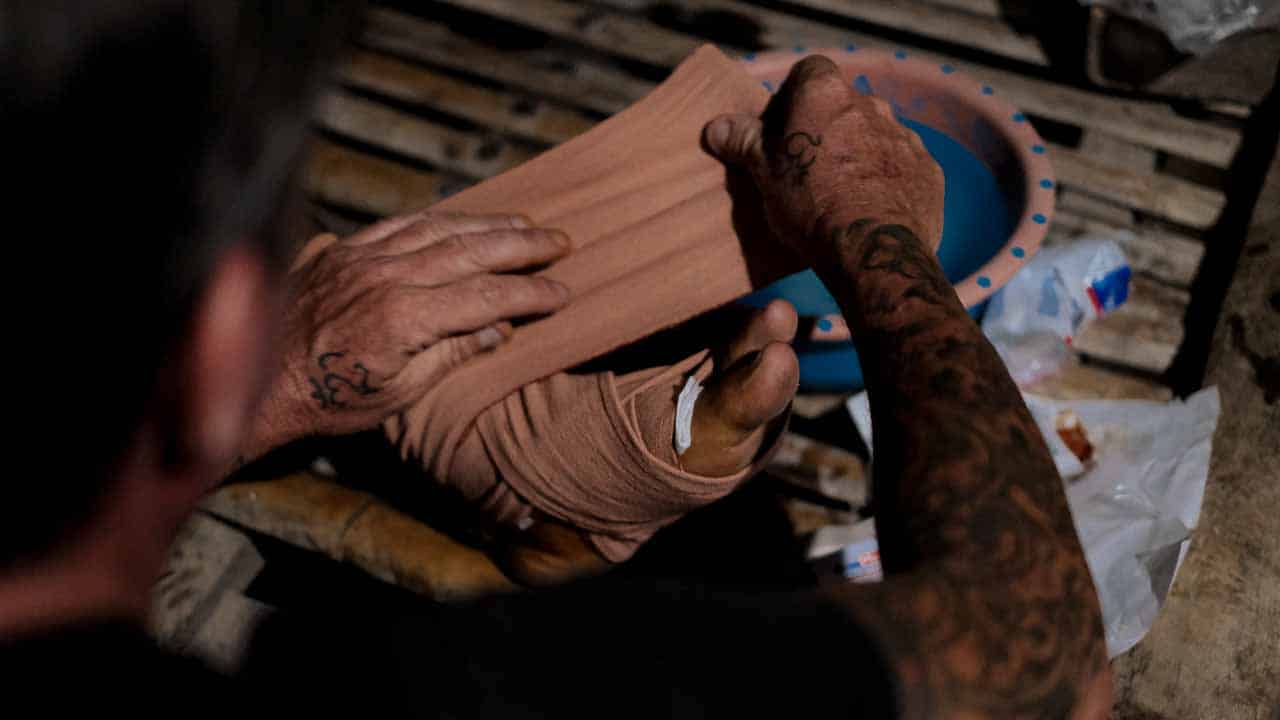
Dog bites can be managed effectively with proper wound care and medical advice to prevent infections and rabies.
Standards adapted, never diluted
All our health-related actions are grounded in medical evidence and public health standards. We follow WHO guidelines for primary medical care, disease prevention, vaccination, malaria control, hygiene promotion, and community health training. However, applying standards does not mean copying protocols blindly.
In ultra-rural settings, protocols must be adapted without being weakened. Diagnostic tools are (very) limited, referral pathways are (so) fragile, and delays are common. In this context, medical rigour means prioritisation, clear decision-making, and ongoing training. It also means documenting cases, evaluating outcomes, and correcting practices when needed.
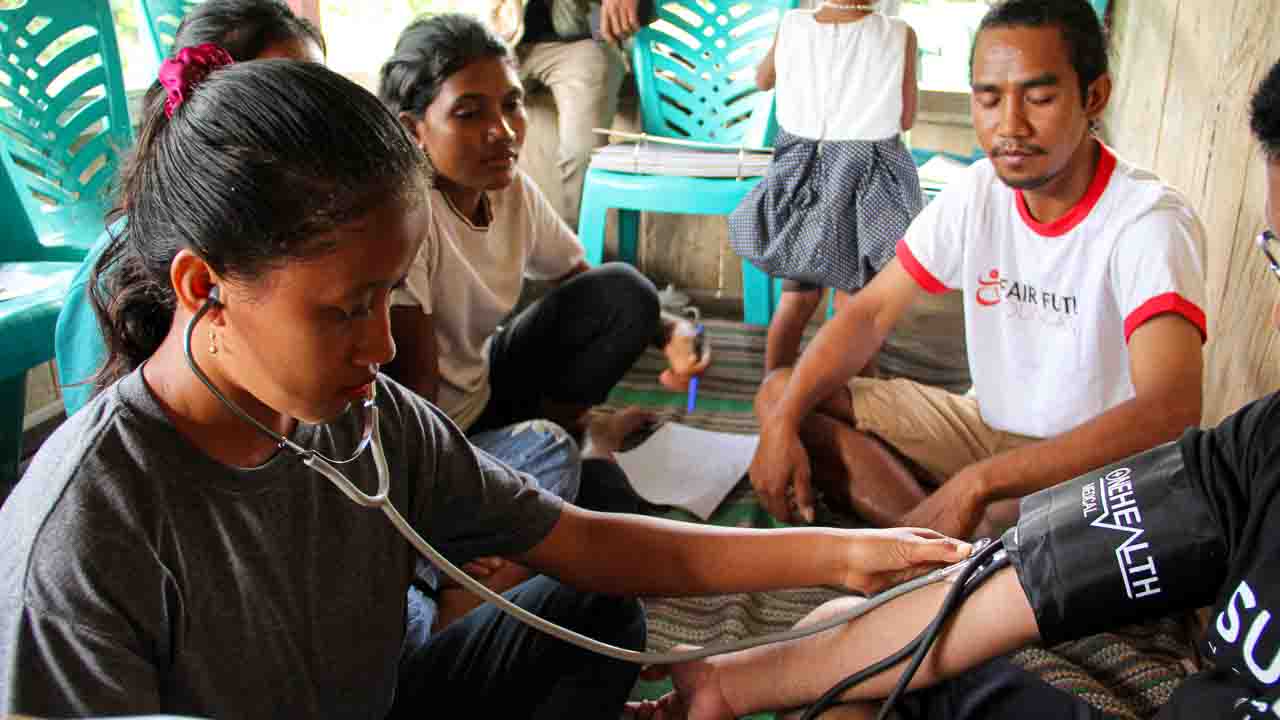
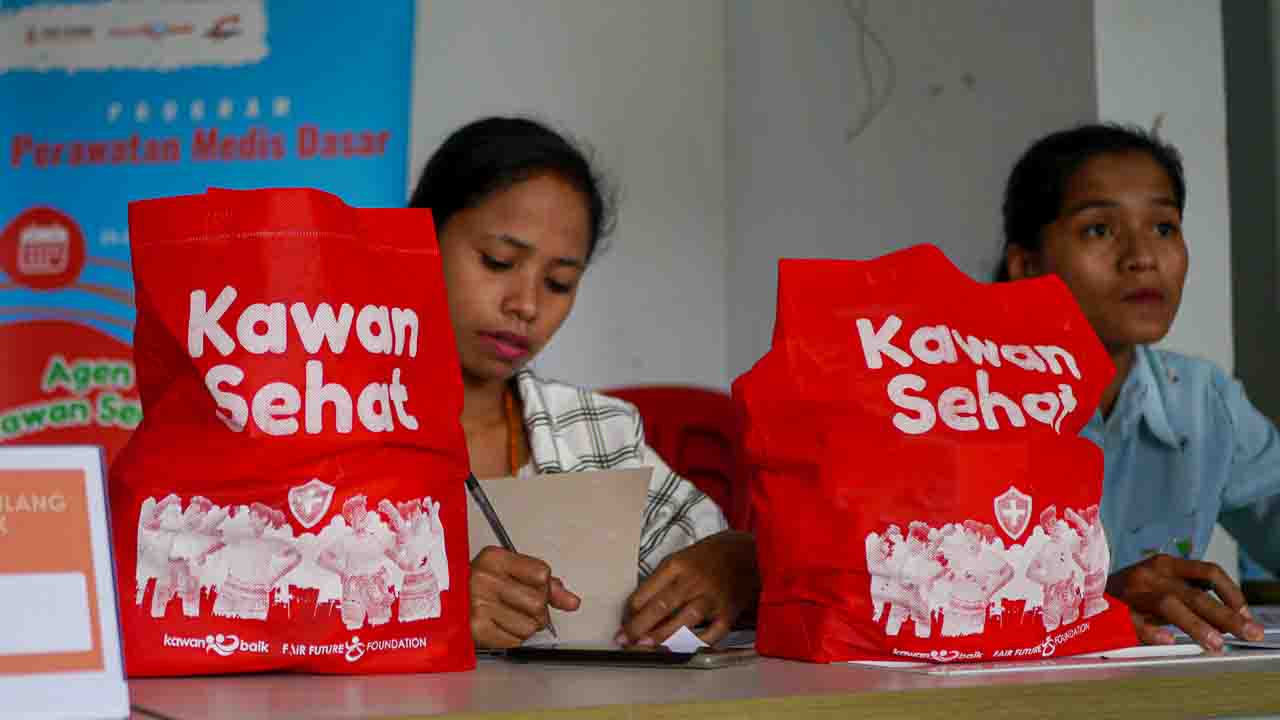
We invest heavily in training local health agents (Kawan Sehat Health Agents) because they are the backbone of sustainable care. Rigour is not about sophistication; it is about consistency, supervision, and humility in the face of complex realities.
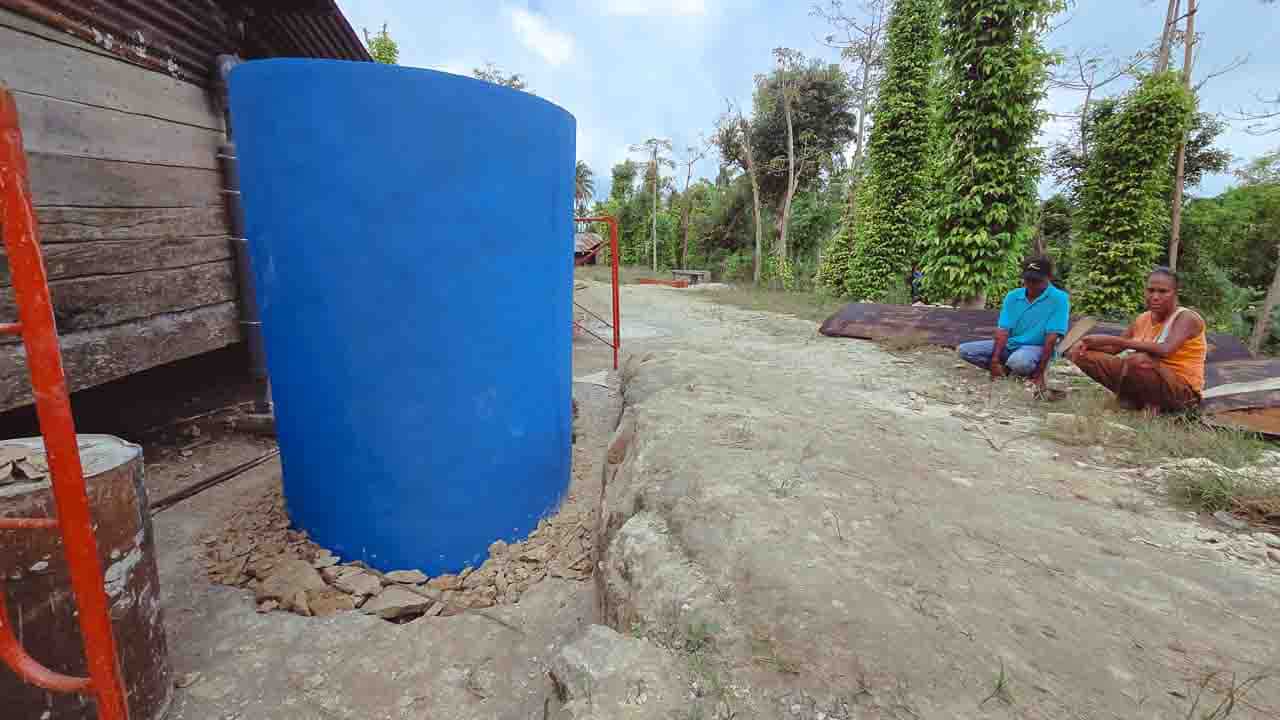
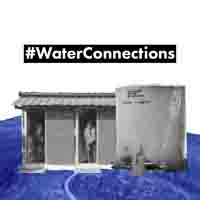
Eight ferrocement reservoirs now bring safe water and health to Hambarita.
Built to last, maintained locally
We do not deliver projects that communities cannot maintain. Every water system, medical programme, or educational intervention is designed with long-term operation in mind. This includes technical simplicity, availability of spare parts, local skills transfer, and clear ownership structures.
Sustainability is not a promise of permanence; it is a clear reduction in dependency. In health, this means empowering local actors to manage common conditions and recognise danger signs. In water access, it means systems that can be repaired without external intervention.
This principle requires patience for us. Sustainable solutions often take longer to implement and are less visible in the short term. But they reduce failure rates and protect communities from repeated disruptions.
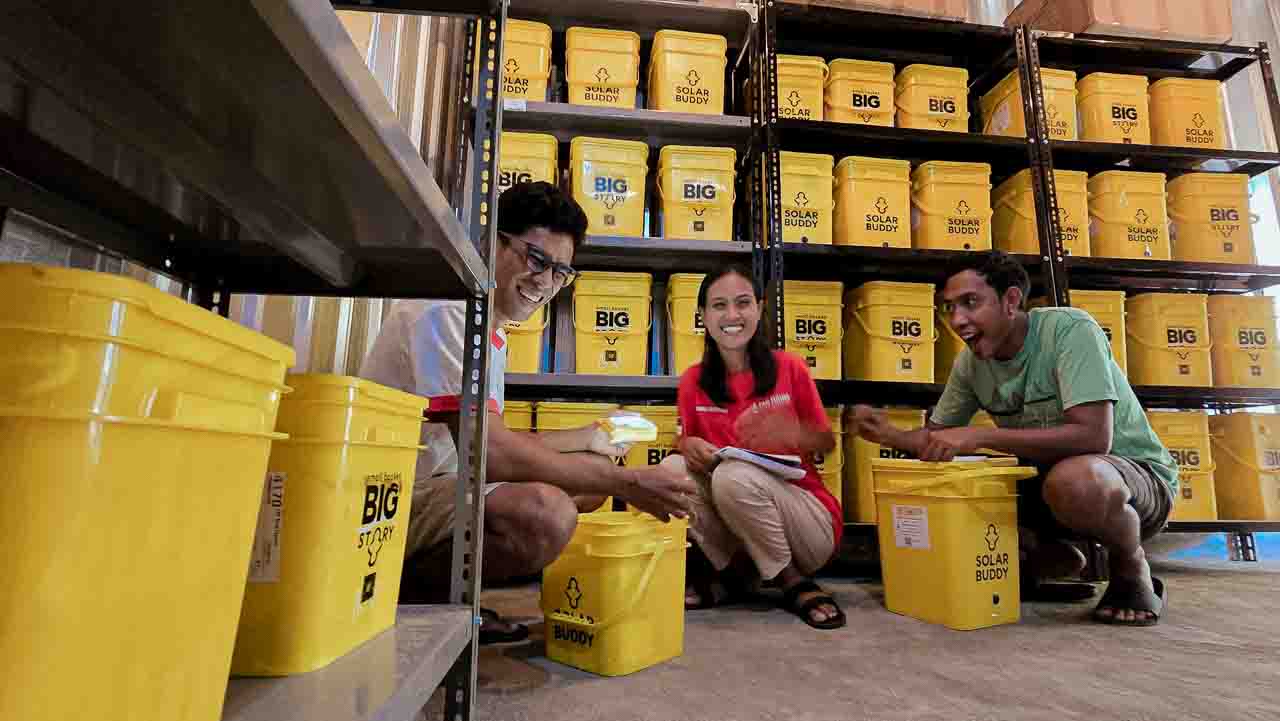
2,224 SolarBuddy lamps stored at Rumah Kambera’s base, ready for distribution
Measured impact, shared responsibility
For the Swiss Made Fair Future Foundation, accountability begins with how resources are used. At least 93% of all funds are allocated directly to field activities. This is not an abstract ratio; it reflects a structural choice to minimise overhead and maximise direct impact.
Accountability also means evaluation. We track patient numbers, disease trends, water usage, and system performance. When something fails, we document it and fix it. When something works, we replicate it cautiously, adapting to local conditions.
We are accountable to donors, to authorities, but above all to the communities we serve. Transparency is not about perfection; it is about honesty about results, limits, and lessons learned.
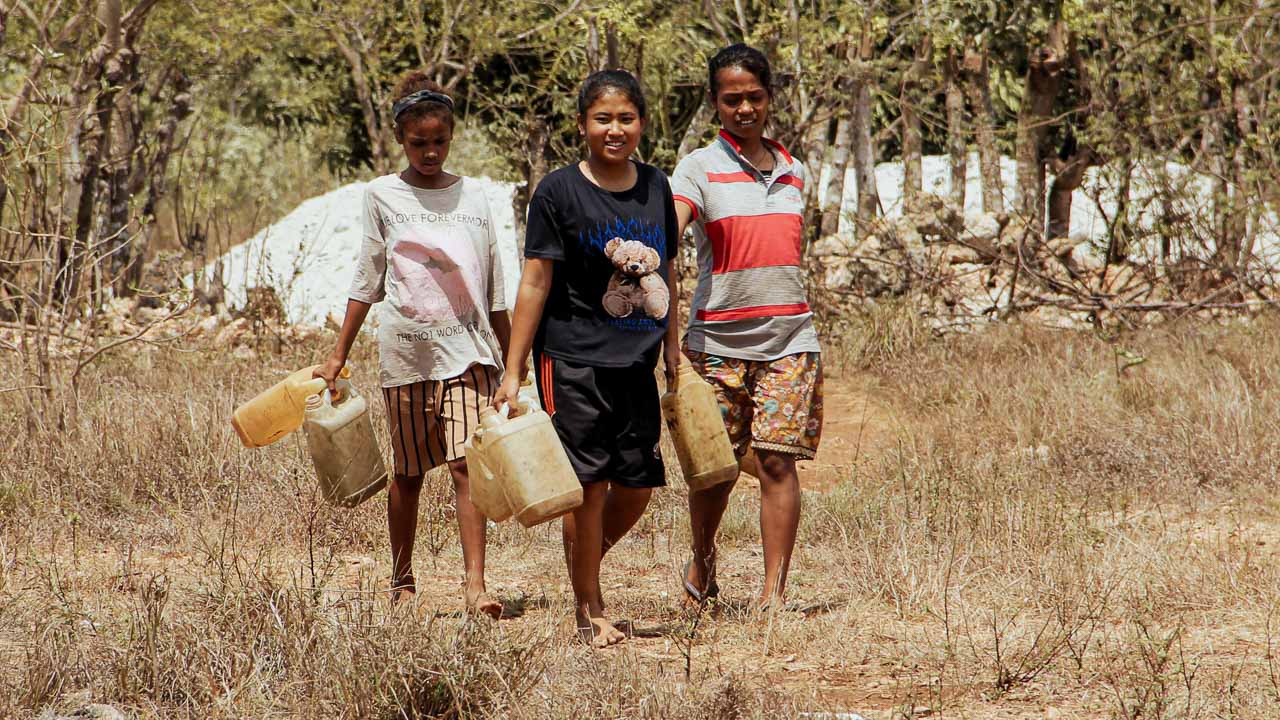
Farmers struggle with drought and food shortages due to climate change.
Dignity before efficiency
Respect is the quiet principle behind all others. It governs how we speak to patients, how we enter homes, whether we photograph or choose not to, and how we represent communities publicly.
We do not use suffering as a tool. We do not simplify stories to provoke emotion. We share reality as it is, with context and restraint. Respect also means listening. Communities are not passive recipients; they are partners with knowledge, priorities, and agency.
In humanitarian work, efficiency without respect can really harm. Our commitment is to act carefully, speak truthfully, and remain accountable to the people whose lives intersect with our work.
Integrated Community Health Actions in the Field
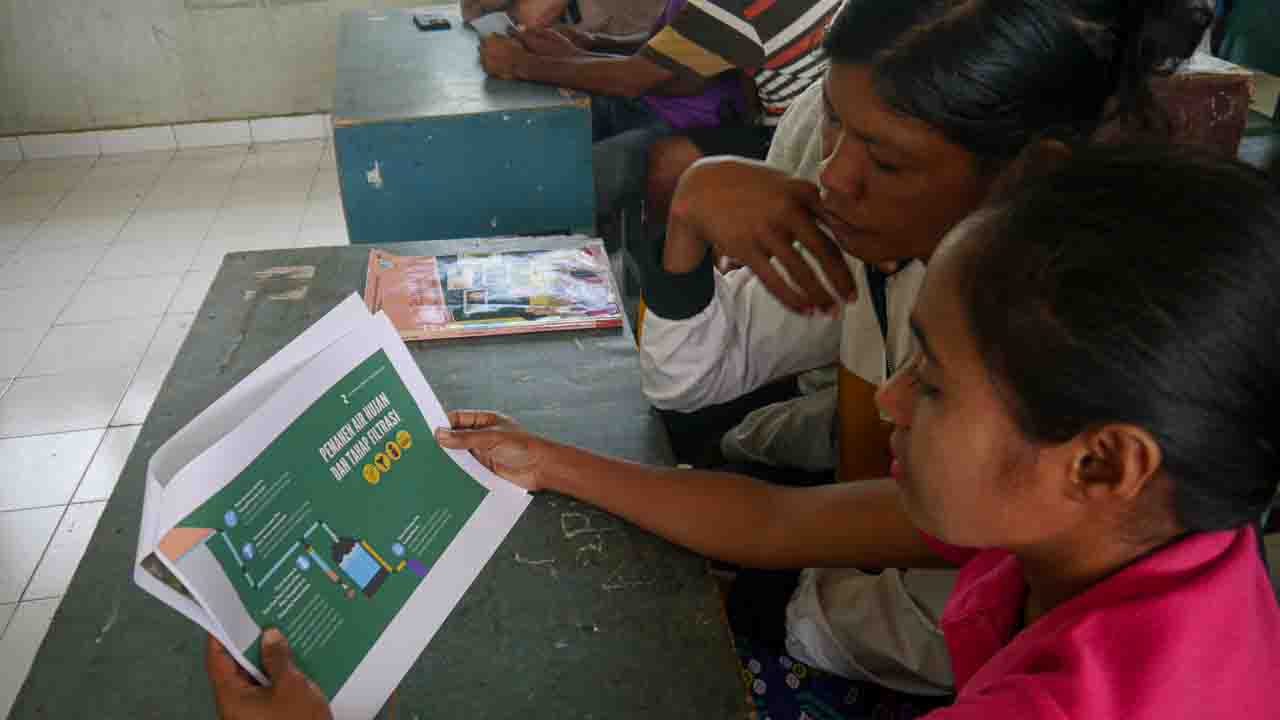
Key facts about our working principles
- Field-driven practice: All interventions are defined by on-site medical assessment and operational reality, not by remote planning or visibility objectives.
- WHO-aligned medical standards: Primary care, prevention, and community health actions follow international public health guidelines, adapted to ultra-rural constraints without lowering standards.
- Independent and accountable action: Decisions remain free from political or economic influence, with strict governance, transparent use of funds, and long-term responsibility to communities.
Primary Medical Care
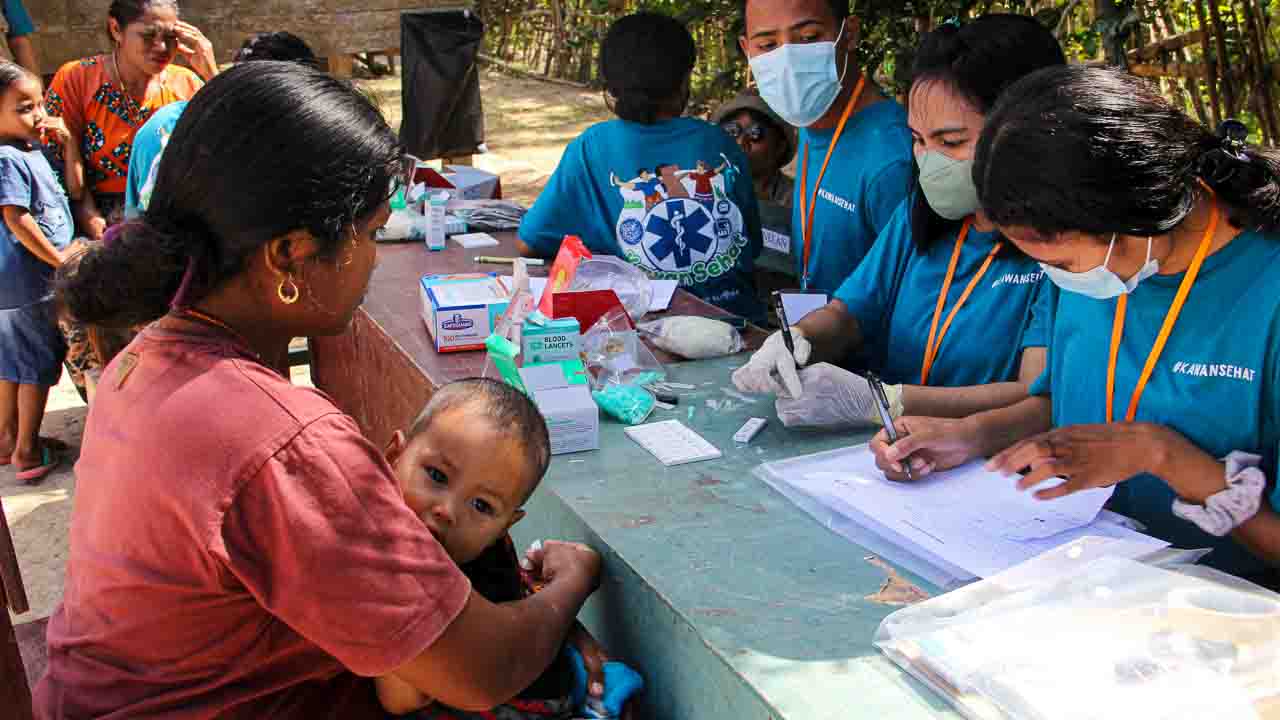
Kawan Sehat health agents walk hours to treat fever, malaria, injuries and dehydration in villages without clinics, where climate shocks hit first.
Health For Every Child
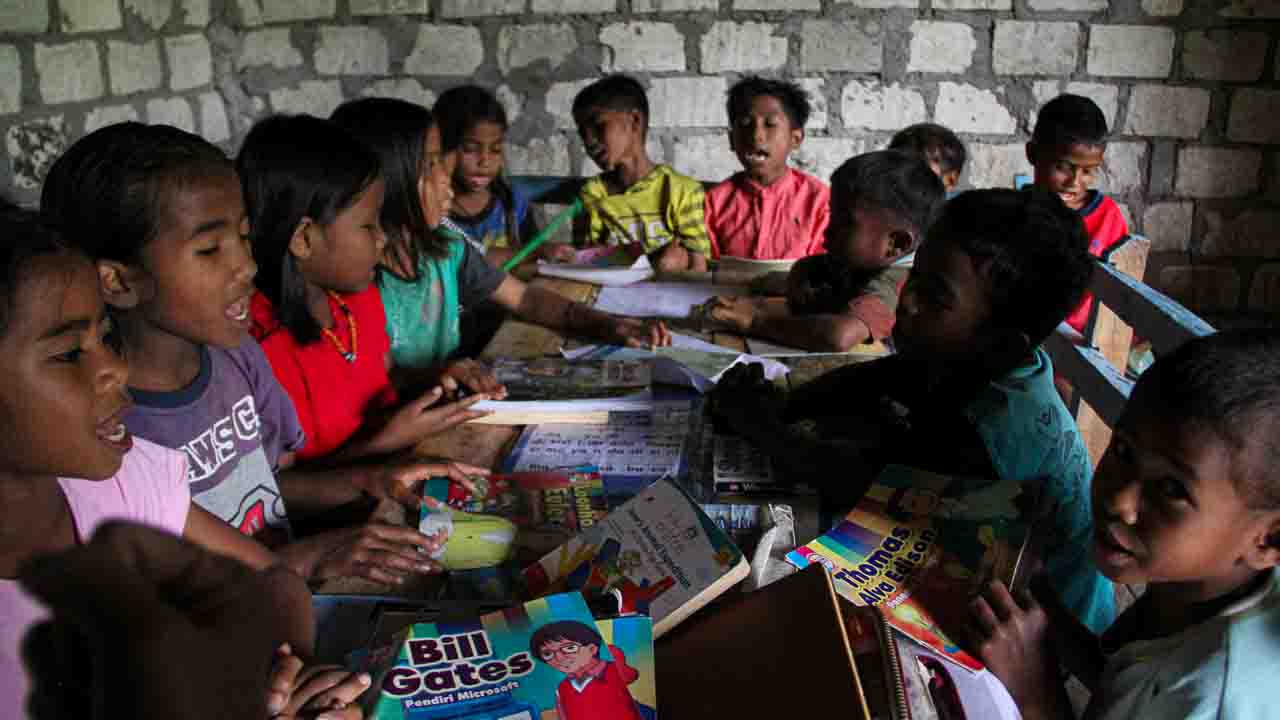
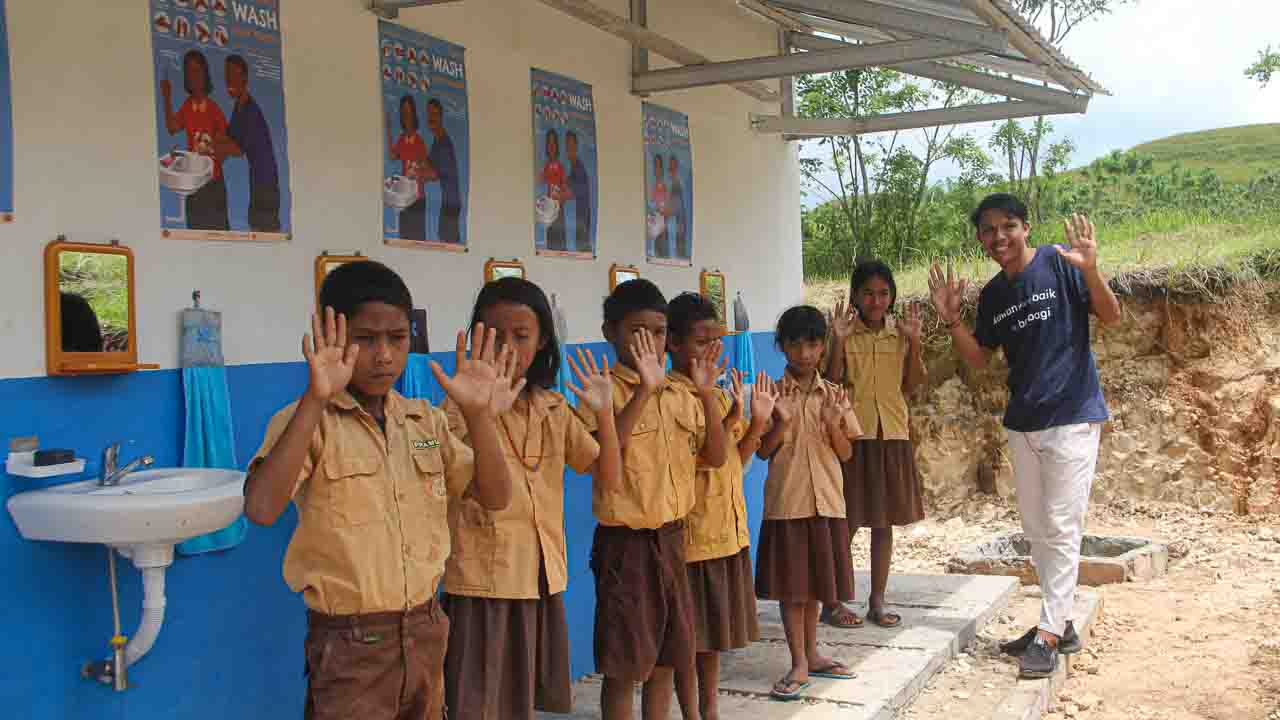
Child health programs reduce disease, improve hygiene and nutrition, and support learning by keeping children healthy where medical access is limited.
Kawan Against Malaria
Prevention, early diagnosis and treatment of malaria in areas where changing rains and temperatures create new mosquito patterns and higher risks.
Water Connections
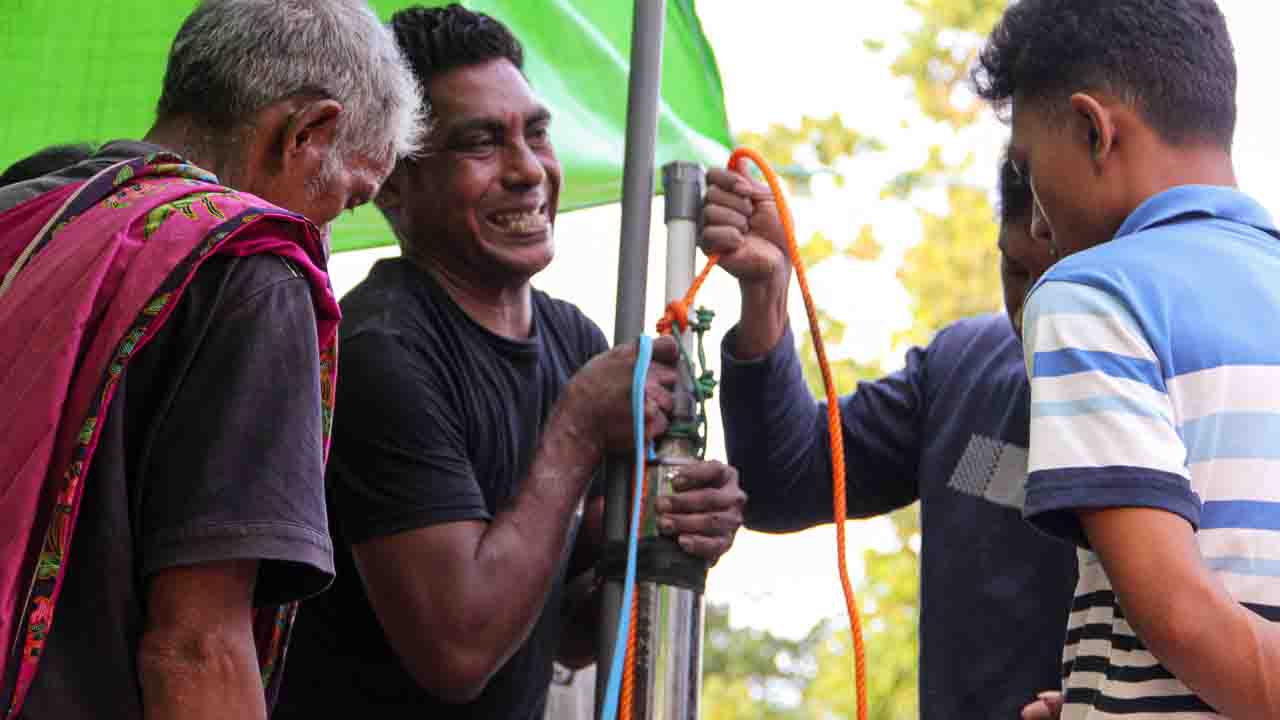
Ferro cement reservoirs and village water networks secure clean litres during longer droughts and after floods, cutting diarrhoea and kidney problems.