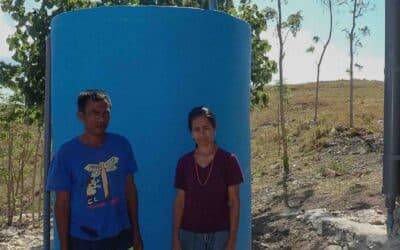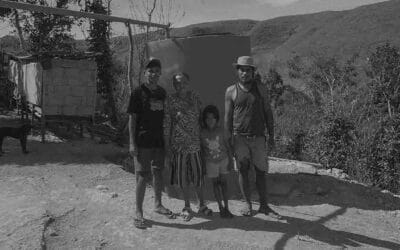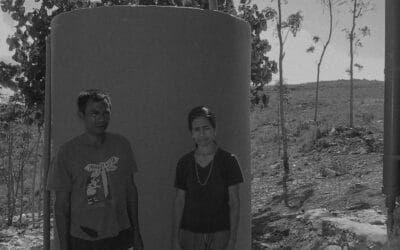


This picture shows Hambarita water reservoir plaques resting on the grass moments before installation. Each plate carries a local name because water is treated like kin. When a tank is called by name, people maintain it, clean gutters, and guard the lid. Eight new reservoirs will store rain, cut disease, and return time to families.
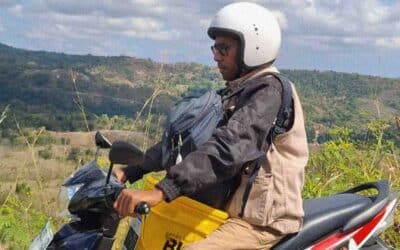
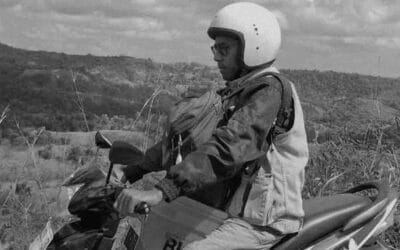
To reach ultra-rural villages, we rely on the Truck of Life to navigate rough, broken roads. This vehicle allows us to deliver essential supplies, including medicines, water, tools, solar kits, and food. Logistics play a crucial role in our program; without access to fuel, spare parts, and the commitment to long days on the road, we would be unable to reach the patients in need.
Donate
Support Care
Programs
All projects
Quick News
Field updates
Stories
Field stories
SolarBuddy lamps East Sumba – quality control to classrooms
At Rumah Kambera we checked 2,224 SolarBuddy lamps East Sumba one by one. Volunteers, Rotary, Fair Future and Kawan Baik tested brightness, panels, switches and batteries, fixed faults, logged QR codes, and packed each unit for long journeys to schools with no electricity. Light prevents injuries, improves study, and protects health.
Mbajik solar electrification – first village cinema night
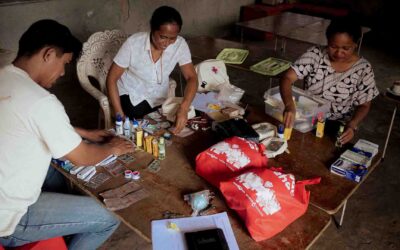
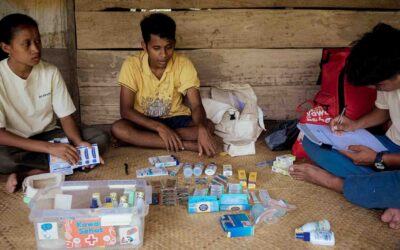
Erwin, the Field Coordinator of the Primary Medical Care programme, spends days crossing muddy roads, broken bridges, and steep trails to deliver medicines to Kawan Sehat agents. His work keeps remote East Sumba villages connected to lifesaving care, dignity, and trusted medical support.
Solar electrification SDN Mbajik | Remote school powered
Solar electrification reaches SDN Mbajik in ultra-rural East Sumba, powering classrooms, water pumps, and internet access. This community-built system transforms education, safety, and daily life—bringing lasting change to one of Indonesia’s most isolated schools.
Gallery | Solar electrification SDN Mbajik, Haray
East Sumba malaria prevention 2025 | Field results summary
This article reports field dates, methods and impact from East Sumba malaria prevention. Teams worked with Puskesmas, schools and village leaders to align education, IRS, LLINs and diagnostics. Data and costs are fully documented so partners and health services can improve coverage, reduce transmission and replicate what works.